10 Front yard plants
Introduction
Selecting the right front yard plants involves balancing local climate conditions with your specific aesthetic goals for curb appeal. These recommendations help you choose species that thrive in your environment while remaining manageable for your lifestyle.
This article explores ten plant varieties suitable for front yard landscapes, focusing on their light requirements, growth habits, and maintenance needs. You will also find guidance on how to match your selections to your regional climate, assess soil conditions, and properly space vegetation near your home foundation. By understanding these core principles, you can create a welcoming outdoor space that supports local pollinators and enhances your property throughout the seasons.
Designing Your Home Entryway with Greenery
The area surrounding your home entrance serves as an extension of your indoor living space, acting as the first impression for guests and a reflection of your personal style. By treating the yard as a curated room rather than just a plot of grass, you can create a cohesive transition from the street to your front door. Selecting the right front yard plants helps frame your architecture and enhances the overall visual harmony of your property.
Understanding Your Local Landscape
Before selecting any greenery, it is essential to consider the specific environmental requirements of your region. Consulting the USDA Plant Hardiness Zone Map provides a baseline for which perennial plants are likely to survive the winter temperatures in your area. Beyond zone compatibility, consider your local soil pH and sunlight exposure. For instance, foundation plantings that thrive in shade will struggle if placed in areas receiving intense afternoon sun. Grouping species with similar water and light requirements simplifies your irrigation routine and prevents the common mistake of overwatering or underwatering mismatched plants.
Balancing Maintenance and Curb Appeal
Achieving a beautiful look requires a deliberate balance between aesthetic appeal and the reality of ongoing upkeep. While dense flower beds offer high visual impact, they often demand significant time for pruning and soil management. If you prefer low maintenance front yard landscaping, focus on native plant species. These plants generally require less fertilizer and pesticide than non-native ornamental varieties because they are already adapted to local conditions. Integrating mulch around your shrubs is another practical strategy to help retain soil moisture and suppress weed growth, effectively reducing the time spent on manual labor.
Strategic Placement and Architecture
Proper placement is just as important as the selection of species. When planning your garden, ensure you account for the mature size of your plants. Planting too close to a house foundation can lead to water damage and structural issues over time. As a general rule, consider the height and scale of your home to ensure that your greenery complements rather than hides your entryway. Using a mix of evergreen structural elements alongside seasonal perennials provides year-round interest, ensuring that your home decor extends seamlessly to the exterior.
| Consideration | Practical Strategy |
|---|---|
| Sunlight | Observe your entry area for a full day to map shade and sun patterns. |
| Growth Habits | Choose plants that mature at a scale appropriate for your home facade. |
| Soil Quality | Test your soil pH to determine if amendments are needed for specific varieties. |
By focusing on hardier varieties and intentional placement, you create a welcoming atmosphere that feels maintained throughout the changing seasons without becoming a chore.
Sun-Loving Front Yard Plants
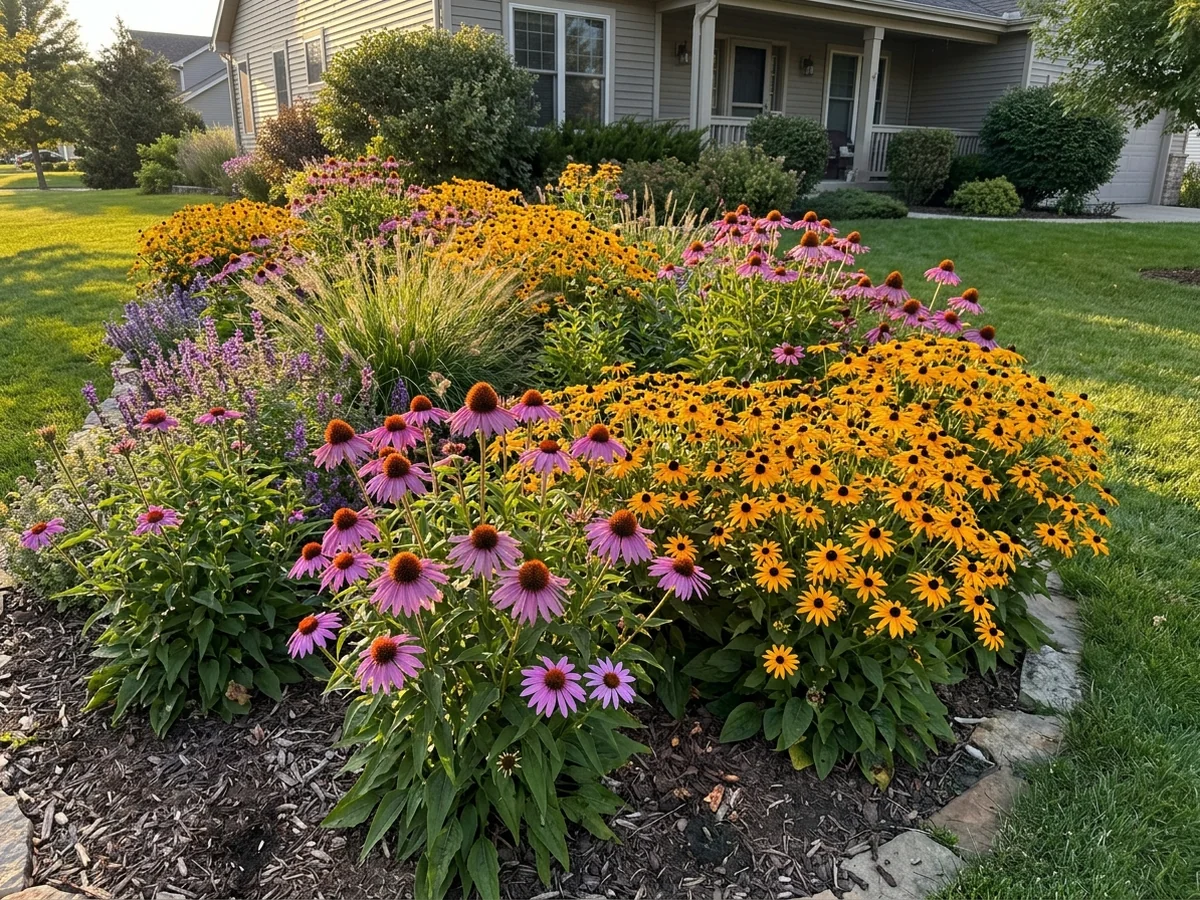
Sun-loving species flourish in environments that receive at least six hours of direct sunlight daily. Identifying these locations is the critical first step in selecting front yard plants that thrive rather than struggle. Observe your landscape throughout the day to track how shadows shift, as areas illuminated from morning until late afternoon are best suited for sun-drenched varieties, while spots obscured by tree canopies or architectural features require different, shade-adapted selections.
Assessing Climate and Soil Conditions
Consulting the USDA Plant Hardiness Zone Map is essential when learning how to choose plants for hardiness zone success. This tool helps narrow down options based on your region’s climate, ensuring your chosen greenery can withstand local weather extremes. Before planting, evaluate your ground conditions by testing soil pH and drainage quality. Soil that retains excess moisture can lead to root rot in many sun-loving species, while incorrect pH levels may prevent plants from absorbing necessary nutrients.
| Plant Category | Light Requirement | Primary Benefit |
|---|---|---|
| Native Perennials | Full Sun | Pollinator Support |
| Ornamental Grasses | Full to Partial Sun | Structural Height |
| Succulents | Full Sun | Drought Tolerance |
Practical Planting and Maintenance
A common mistake is placing foundation plantings too close to the house structure, which can cause water damage or interfere with home maintenance. Maintaining appropriate distance from your foundation ensures better airflow and structural integrity. Furthermore, incorporating native plant species often reduces the need for supplemental fertilizers or pesticides compared to non-native ornamental varieties. Once your plants are in the ground, applying mulch helps retain soil moisture and suppresses unwanted weed growth, which is vital for the health of your low maintenance front yard landscaping.
Understanding your soil composition, whether sandy, clay-heavy, or rich in organic matter, allows you to select species that naturally prefer those conditions. Preparing the ground properly before planting creates a stable environment, allowing your front yard gardens to provide lasting curb appeal. Regularly monitoring your garden during the first year helps establish strong root systems, ensuring your landscape remains resilient against seasonal changes.
Native Front Yard Shrubs
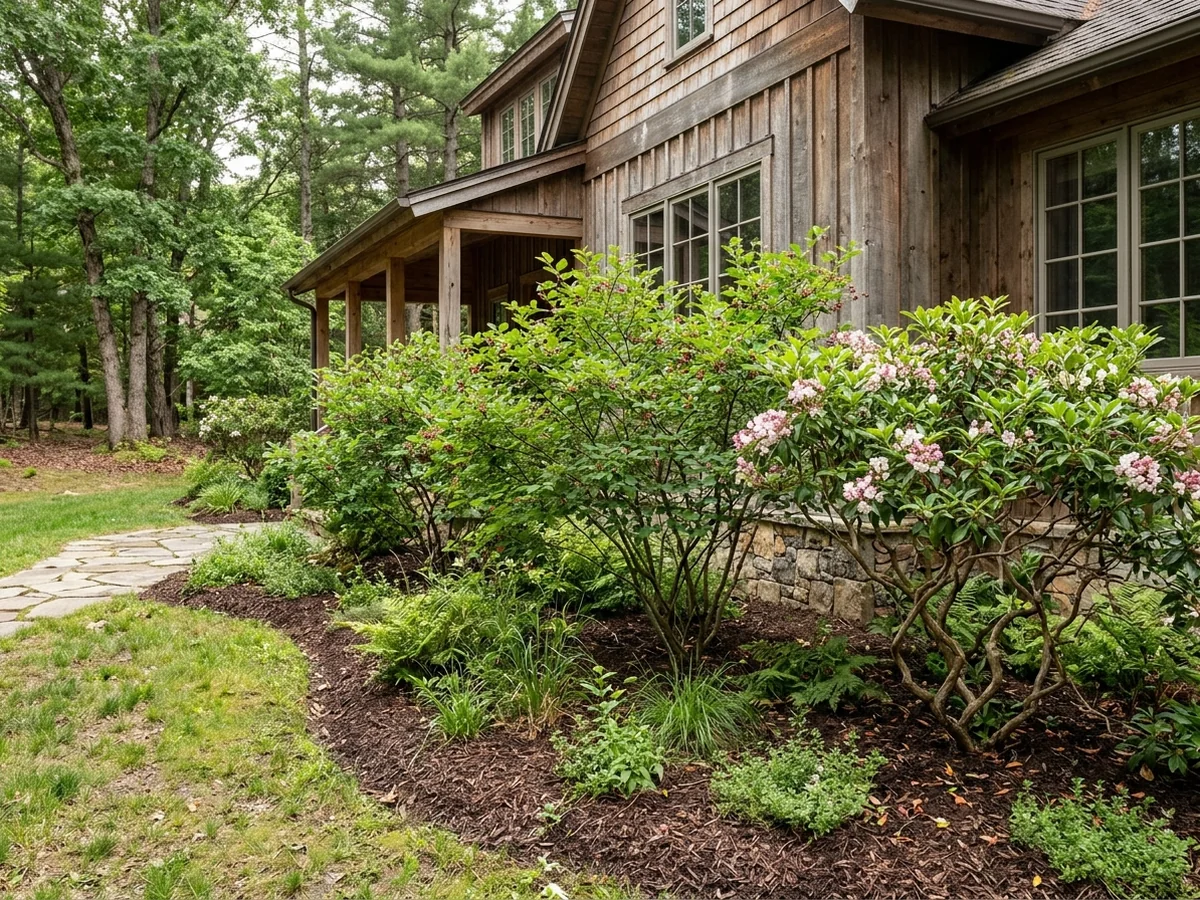
Incorporating native plant species into your front yard landscaping provides a functional bridge between aesthetic curb appeal and environmental stewardship. Unlike introduced ornamental varieties, native shrubs have adapted over time to regional rainfall patterns, soil compositions, and temperature fluctuations. This natural resilience often translates into a landscape that requires less human intervention, such as supplemental irrigation or chemical fertilizers, once the plants are successfully established.
| Plant Type | Maintenance Needs | Pollinator Benefit | Environmental Impact |
|---|---|---|---|
| Native Shrubs | Generally low | High support | Supports local ecosystems |
| Exotic Shrubs | Often higher | Variable | Potential for invasive spread |
When you select native plants for front yard gardens, you are essentially restoring a piece of the local ecosystem. These plants provide critical nectar, pollen, and shelter for regional wildlife, including bees, butterflies, and songbirds, which may not find the same nutritional value in non-native cultivars. By choosing these species, homeowners can create a more sustainable outdoor space that contributes to regional biodiversity.
Assessing Your Planting Environment
Practical implementation begins with understanding your specific environment. Consult the USDA Plant Hardiness Zone Map to identify which species are suited to your area’s climate. A common mistake among homeowners is failing to account for a plant’s mature size, which can lead to overcrowding or the need for frequent, stressful pruning. Furthermore, always check local HOA guidelines or municipal codes, as some areas enforce specific restrictions on plant height, type, or placement near the street.
Installation and Long-Term Care
Proper installation is the most effective way to minimize future maintenance. Ensure you are not planting too close to your house foundation, as this can trap moisture against your home and lead to structural issues over time. Applying a layer of mulch around your shrubs is a simple, effective step to help retain soil moisture and naturally suppress weed growth. Before planting, it is also wise to perform a soil test to understand your soil pH, ensuring the species you choose are compatible with your existing earth.
Strategies for Success
To achieve a truly low maintenance front yard landscaping design, focus on matching the right plant to the right location. If your yard has areas of deep shade, seek out shade tolerant foundation plants that thrive without constant sun. Conversely, if your yard receives intense heat, look for drought tolerant front yard plants that remain resilient during dry spells. By taking the time to learn how to choose plants for hardiness zone compatibility, you simplify your upkeep tasks while fostering a vibrant, healthy landscape that enhances your home exterior.
Best Foundation Front Yard Plants
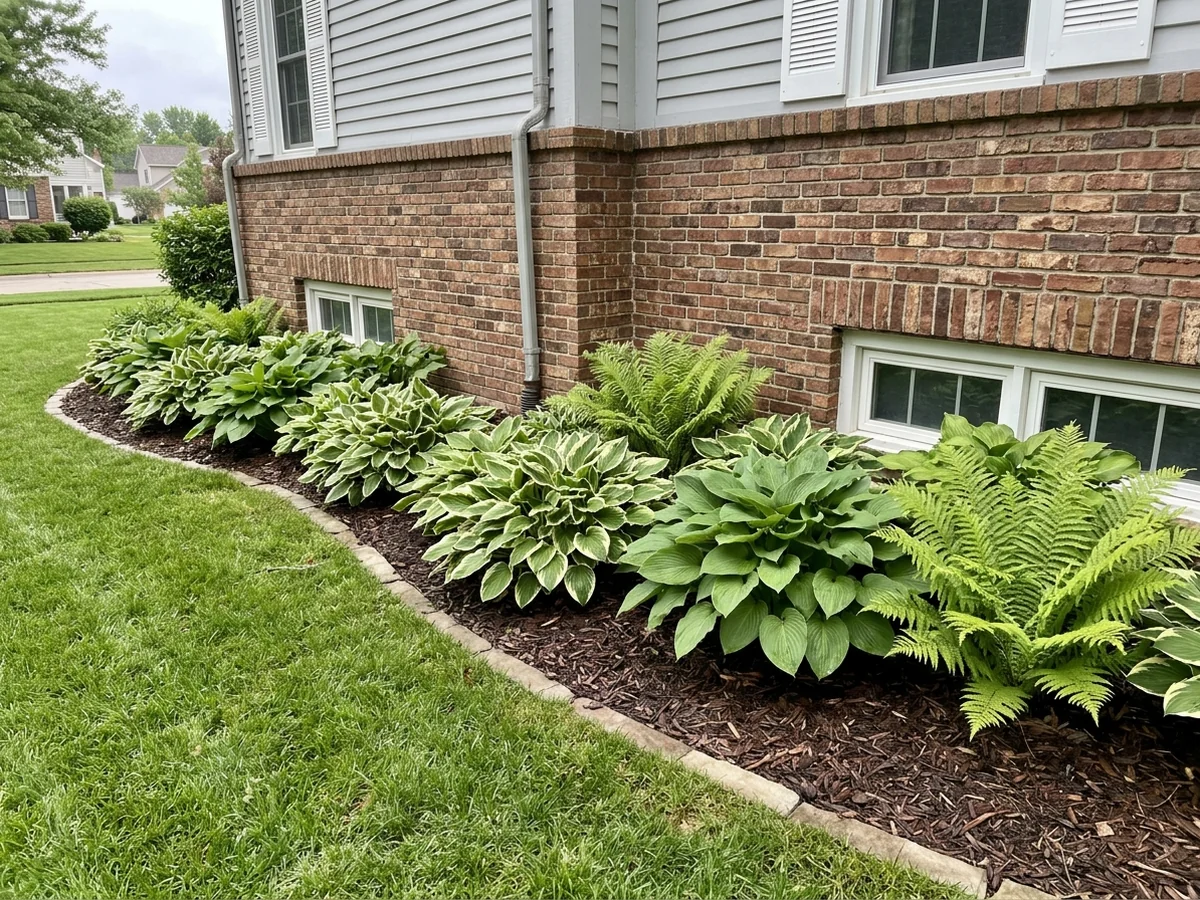
Selecting the right vegetation for your home exterior requires a focus on mature size and moisture management to protect your property. Choosing appropriate shade tolerant foundation plants ensures that your greenery enhances the structure rather than causing long-term moisture or root-related issues near the basement or slab. When planning your front yard plants, balancing the aesthetic goals of curb appeal with the functional needs of your home architecture is the key to a sustainable landscape.
Spacing and Structural Integrity
One of the most common mistakes in foundation planting is placing shrubs too close to the home. Always research the mature spread of a plant before digging. If a shrub is destined to grow three feet wide, it should be planted at least two feet away from the wall to allow for airflow and maintenance access. Poor planning here can lead to water damage or structural issues, as trapped moisture against siding invites pests and rot. Additionally, avoid placing species with aggressive root systems near walkways or concrete foundations, as these roots can eventually shift or crack exterior surfaces as they expand.
Environmental Considerations and Soil Health
Successful landscaping relies on understanding your specific environment. Before purchasing, identify your region using the USDA Plant Hardiness Zone Map to ensure your selections can survive local winter temperatures. Soil quality also plays a significant role in plant longevity. Testing your soil pH allows you to choose species that thrive in your specific earth, such as acid-loving azaleas or perennials that prefer neutral, organic-rich soil. Proper site preparation, including grading the ground to slope away from the house, ensures that rainwater flows away from your foundation rather than pooling near the structure.
The following table provides a general guide for matching plant types to common front yard light conditions:
| Light Exposure | Plant Categories |
|---|---|
| Full Sun | Sedum, Coneflowers, Ornamental Grasses |
| Partial Shade | Hydrangeas, Daylilies, Azaleas |
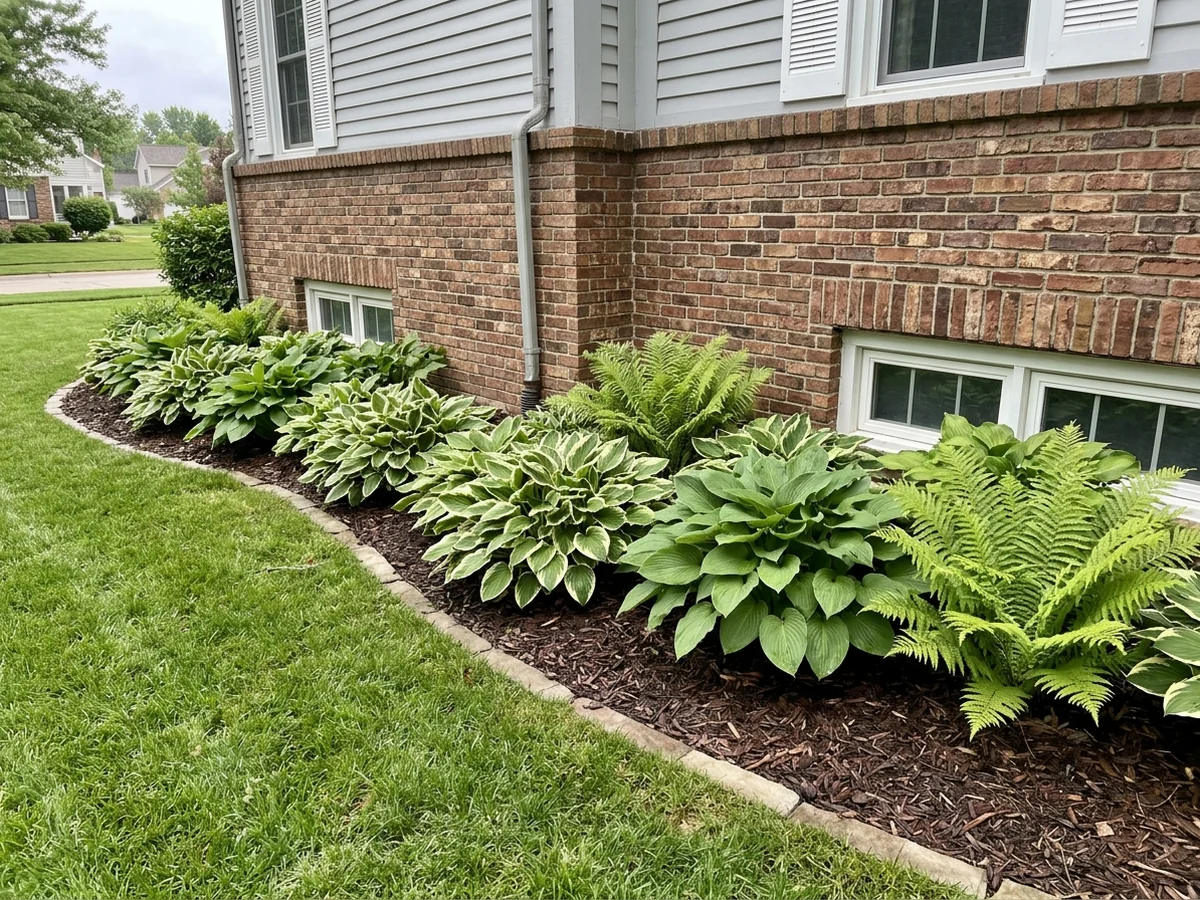
| Full Shade | Hostas, Ferns |
Sustainable Maintenance Practices
To reduce the time spent on yard work, prioritize native plant species. Native plants for front yard gardens typically require less supplemental fertilizer and pesticides because they are already adapted to local climate conditions and soil types. Once these plants are established, many become quite drought tolerant, meaning they require less frequent watering than exotic ornamental species.
Regardless of the plants you choose, using mulch around the base of your shrubs is a practical step for any homeowner. Mulching helps retain essential soil moisture during dry spells and suppresses weed growth, which keeps the front yard looking polished with less manual labor. For those interested in supporting local ecosystems, incorporating native perennials can also turn your front yard into a productive pollinator garden, providing food and habitat for bees and butterflies. By focusing on these long-term strategies, you create a landscape that is both beautiful and resilient.
Low Maintenance Front Yard Plants
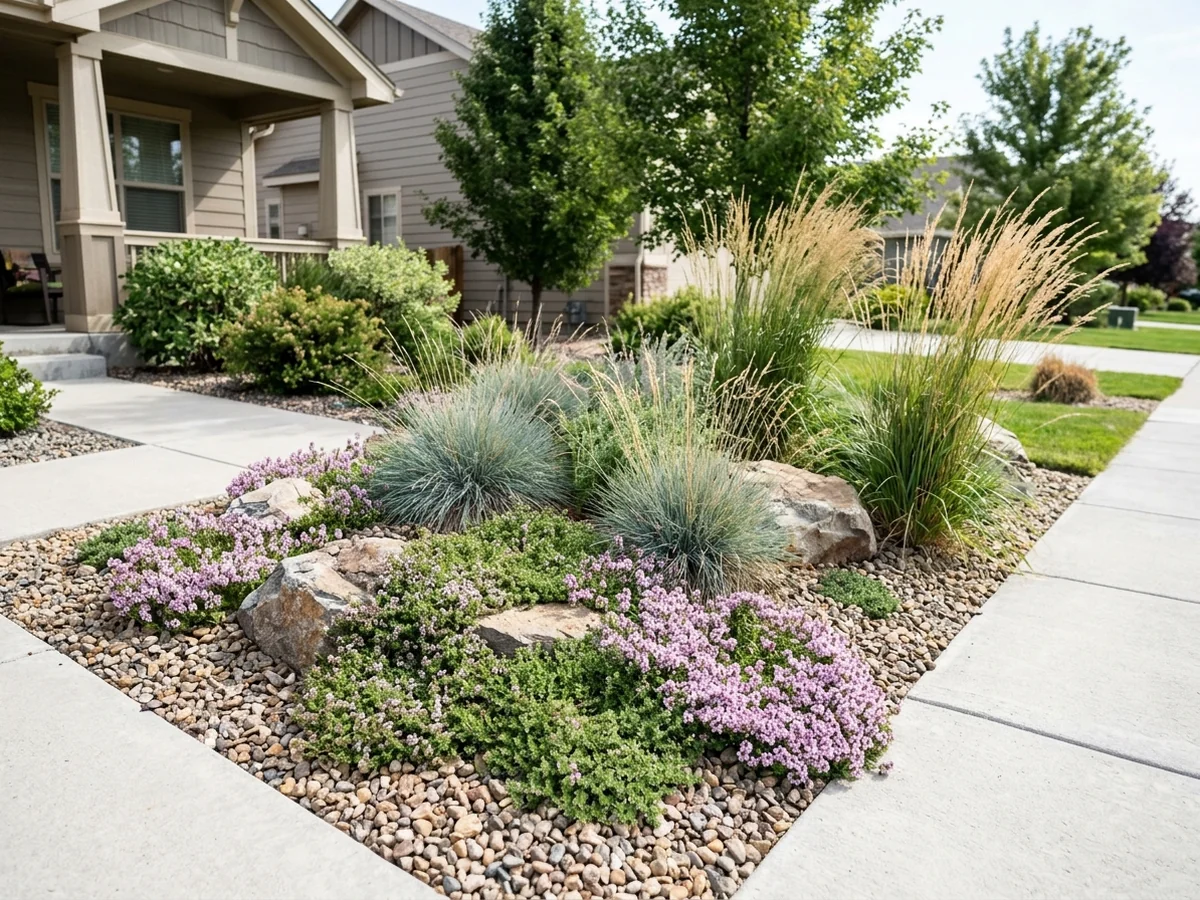
Creating a landscape that thrives with minimal intervention involves selecting resilient species and applying consistent care practices. By choosing drought tolerant front yard plants and using effective ground covers, homeowners can design a space that remains attractive throughout the seasons without excessive watering or frequent weeding.
- Selecting native or well-adapted species often reduces the need for supplemental irrigation once they are fully established in your garden beds.
- Applying a layer of organic mulch around the base of your shrubs suppresses weed growth and helps the soil retain moisture during hot, dry spells.
- Choosing the best perennial plants for curb appeal ensures that your landscape provides reliable color and structure year after year without the need for constant replanting.
- Organizing your front yard garden beds by grouping vegetation with similar water and light needs simplifies your routine and promotes healthier growth.
- Focusing on varieties that naturally resist common pests and diseases reduces the time spent on corrective maintenance or chemical treatments.
Perennials offer a significant advantage because they return each season, building a stronger root system that supports long-term health. When planning your layout, consider how different growth habits interact with your home architecture. Placing taller species toward the back and shorter, spreading varieties near the front creates a layered look that requires less pruning to maintain its intended shape.
Mulch serves as more than just a decorative element for your beds. It acts as a protective barrier that regulates ground temperature and prevents the soil from drying out too quickly. When spreading mulch, keep it away from the base of stems or trunks to prevent moisture buildup that could lead to decay. This simple step keeps your greenery looking tidy and reduces the time you spend clearing out unwanted weeds.
Finally, keep in mind that local climate conditions play a major role in success. Consulting the USDA Plant Hardiness Zone Map helps you identify which varieties are most likely to thrive in your specific region. Matching your choices to your environment is the most effective way to ensure a beautiful exterior with minimal effort over the long term.
Drought-Tolerant Front Yard Plants
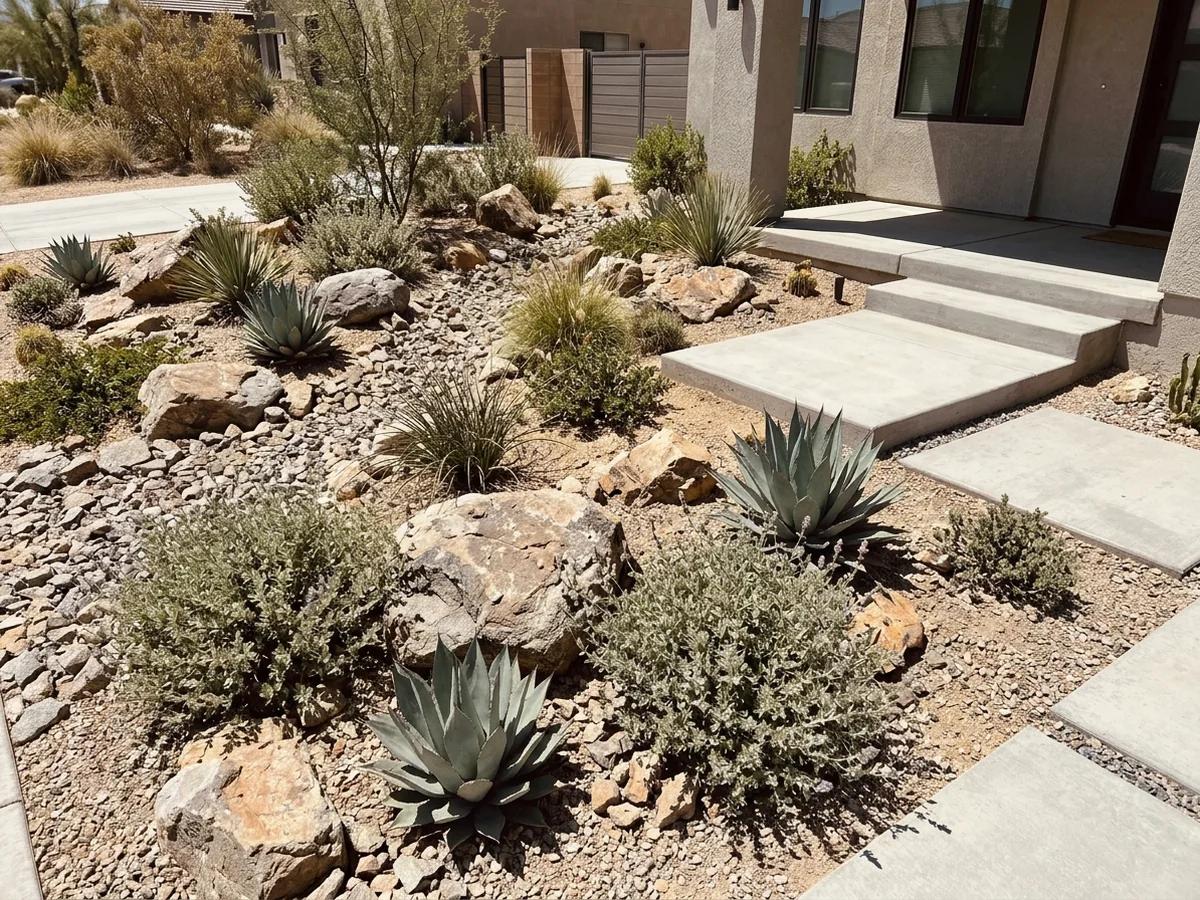
Drought-tolerant plants are a cornerstone of gardens that require less frequent care and resources. These species thrive with minimal supplemental irrigation once they have developed a robust root system, allowing you to create beautiful landscapes that maintain their structure throughout the seasons without excessive water consumption.
Selecting for Your Environment
Success begins with understanding your specific planting environment. Before selecting greenery, consult the USDA Plant Hardiness Zone Map to determine which varieties are suited to your regional climate. Choosing plants adapted to your area ensures they can withstand local temperature extremes. Additionally, perform a soil pH test to understand your ground conditions, as specific plants require acidic soil to flourish, while others adapt to a wider range of conditions. For those interested in supporting local ecosystems, native plants for front yard gardens are often a superior choice because they generally require less fertilizer and pesticide than non-native ornamental species.
Strategic Planting and Maintenance
A common mistake in front yard design is overcrowding. While a new garden bed may appear sparse, plants will eventually expand to reach their mature size. Researching the specific width and height of every species prevents the need for constant pruning or the removal of overcrowded specimens that compete for sunlight and nutrients. Furthermore, consider your home architecture when placing foundation plantings. Planting too close to a house foundation can lead to water damage and structural issues over time, so ensure there is enough clearance for airflow and maintenance access.
Even the most drought-resilient varieties require consistent moisture during their first year as they develop. Failing to provide regular water during this establishment phase often results in weak growth or plant loss. Incorporating organic mulch around the base of your shrubs is a practical step to help retain soil moisture, suppress weed growth, and keep the soil temperature stable as roots take hold.
Compliance and Planning
Always verify regional restrictions or HOA guidelines before beginning your project. Many neighborhood associations enforce strict rules regarding the maximum height of plantings or their placement relative to sidewalks and streets. Checking these requirements early avoids the frustration of having to relocate or replace mature vegetation later. Additionally, ensure your landscape design does not obstruct visibility near intersections, as local ordinances often mandate height limits for safety and compliance.
| Planting Considerations | Key Action |
|---|---|
| Establishment Phase | Water consistently during the first full growing season. |
| Growth Habits | Space plants based on mature width to avoid overcrowding. |
| HOA Compliance | Review height limits near sidewalks and street corners. |
| Foundation Safety | Maintain clearance between shrubs and home exteriors. |
Evergreen Front Yard Plants
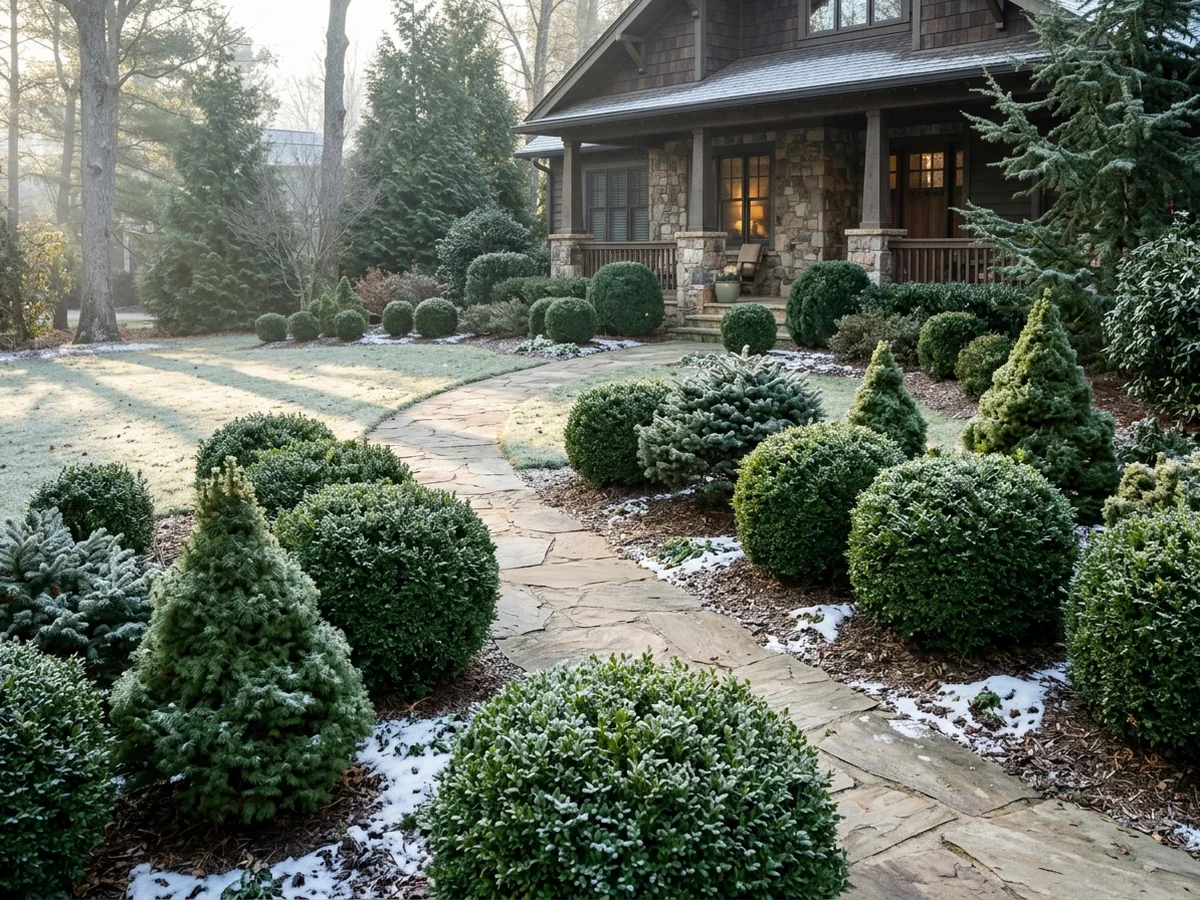
Evergreen shrubs and trees provide consistent structure and year-round color, making them foundational elements for any residential exterior. Choosing these perennials requires careful consideration of your local climate and the specific architectural needs of your home.
Before installing permanent greenery, assess your property for large-scale grading needs. Proper slope management prevents water from pooling near your house foundation and protects your landscape investment.
Planning for Success
When selecting varieties, be aware of persistent plant diseases or localized pest infestations that may affect certain species in your region. Inspecting nursery stock for signs of stress or damage before planting helps prevent the spread of common issues. Monitoring your garden regularly allows for early intervention, which is often more successful than attempting to treat an established problem.
Always verify that your chosen varieties are suitable for your specific location by using the USDA Plant Hardiness Zone Map. Selecting species that naturally thrive in your environment reduces the need for supplemental watering, fertilizers, and chemical pesticides.
Designing with Purpose
You can also integrate specialized design concepts into your permanent landscape layout to improve safety and utility. Consider these options when planning your space:
- Edible landscapes that incorporate fruit-bearing shrubs or herbs among traditional ornamental foliage.
- Fire-resistant zones featuring succulent species or high-moisture vegetation to improve safety in wildfire-prone areas.
- Layered designs that combine different textures and heights to create visual interest while maintaining clear sightlines.
When placing these additions, observe proper spacing guidelines to allow for mature growth. Positioning shrubs too close to walls or walkways can restrict airflow and create moisture traps, potentially leading to long-term maintenance headaches. A well-planned design respects the space each variety needs to remain healthy throughout its lifespan.
Maintenance and Soil Considerations
Long-term health often depends on the soil environment. Some plants require specific soil pH levels to thrive, such as azaleas which typically favor acidic conditions. Testing your soil before installation helps you choose the right amendments or select species that already match your existing garden conditions.
Additionally, applying mulch around shrubs helps retain soil moisture and suppress weed growth, which is essential for establishing young plants. If you want a front yard that requires less frequent upkeep, native plant species are often a reliable choice as they have adapted to local rainfall patterns and soil types over time. By matching plant growth habits to your front entry architecture and climate, you create a cohesive, sustainable landscape that provides curb appeal throughout every season.
FAQ
What plants grow best in full sun?
Many sun-loving varieties like coneflowers and sedum thrive when they receive at least six hours of direct sunlight each day. These species often adapt well to various soil conditions, making them reliable choices for bright front yard spaces.
How do I choose plants for my hardiness zone?
You can determine which plants will survive your local winter temperatures by consulting the USDA Plant Hardiness Zone Map. Selecting species matched to your specific zone significantly increases the chances that your front yard plants will return year after year.
Which plants are low maintenance for beginners?
Perennials such as daylilies and ornamental grasses are often recommended for those starting a new garden because they require minimal intervention once established. Focusing on native plant species can also reduce the need for extra fertilizer, pesticides, and constant watering throughout the growing season.
How far should I plant shrubs from the foundation?
Positioning shrubs at least two to three feet away from your home foundation helps ensure proper air circulation and prevents potential moisture issues near your structure. Always check the mature width of your chosen shrubs so they have enough room to grow without touching your exterior walls.
Why is soil pH important for front yard landscaping?
Soil pH dictates how effectively your plants can absorb essential nutrients from the ground. Certain plants like azaleas require specific acidic conditions to thrive, so testing your soil before planting allows you to make necessary adjustments for a healthier landscape.
Conclusion
The most important step before starting your project is to confirm your local environment and specific site conditions. Check your area on the USDA Plant Hardiness Zone Map to ensure your selected varieties can survive your region’s winter temperatures. Once you identify your zone, assess the sunlight patterns and soil quality in your garden beds to narrow down your choices. Selecting the right front yard plants requires balancing your aesthetic goals with the practical realities of your home’s unique climate. Taking this time to plan ensures your landscape thrives and maintains its curb appeal throughout the seasons.
You might also like: 10 Front Porch Lighting Ideas for a Warm and Welcoming Entry