
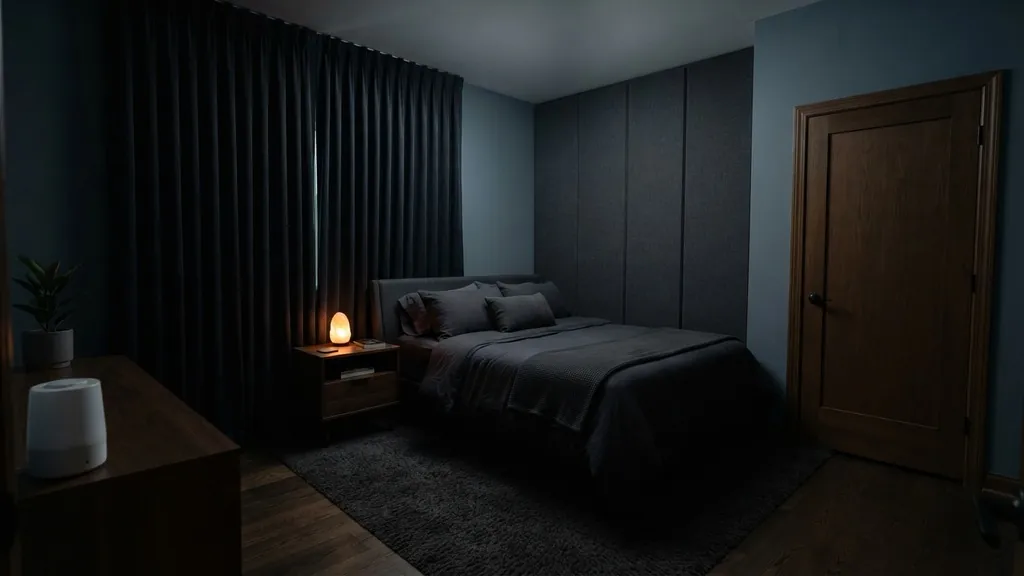
How to Arrange Bedroom Furniture for Better Sleep and Zero Distractions
Arranging bedroom furniture for better sleep and zero distractions is a foundational step toward reclaiming your nightly rest and peace of mind. By thoughtfully positioning your bed and minimizing visual clutter, you create a sanctuary that invites physical relaxation and mental stillness.
You will discover how specific layouts influence your circadian rhythm and how simple adjustments to your environment can turn a chaotic room into a restful haven. This intentional approach to your space serves as a daily practice of self-care, ensuring your bedroom remains a place of genuine restoration rather than a source of stress.
Optimizing Bed Placement for Restful Energy
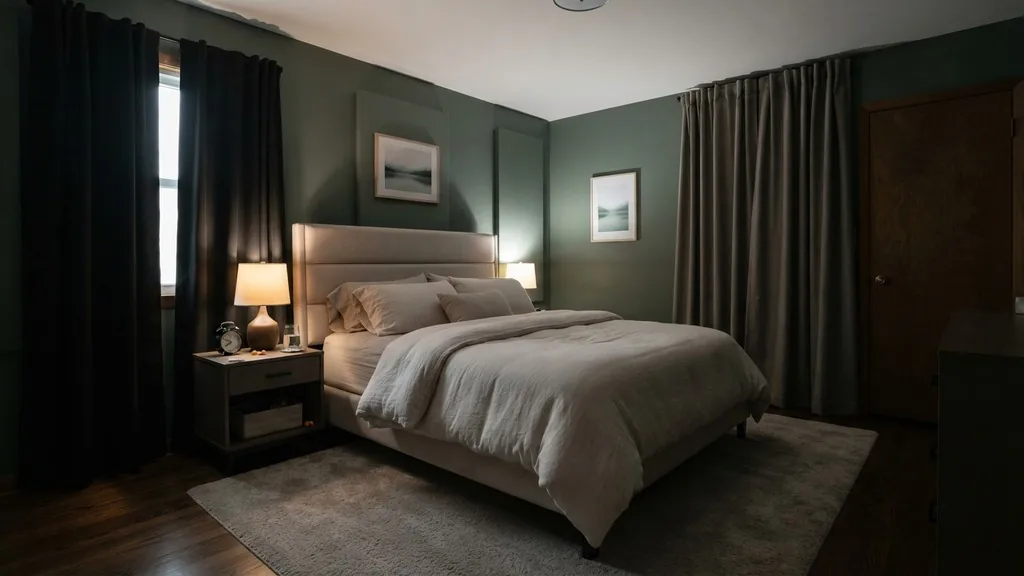
1. Position your bed against a solid wall to provide a sense of stability and security throughout the night, which helps calm the nervous system for deeper sleep.
Psalm 4:8 — This verse reminds us that dwelling in safety is a gift; a solid, secure bed placement creates the physical environment where we can truly lie down and sleep.
2. Ensure your bed is not directly in line with the doorway, as this placement can create a subconscious feeling of vulnerability that prevents the brain from fully switching off.
Proverbs 3:24 — When we feel secure in our surroundings, our rest is sweet; avoiding direct paths of traffic helps maintain that sense of private, undisturbed peace.
3. Place the headboard away from windows to prevent drafts and light leaks that often interrupt the REM cycles necessary for complete physical and mental recovery during the night.
Isaiah 32:18 — A quiet, secure dwelling place is a blessing; by blocking out external disturbances like light and air, we honor our need for a calm, protected sanctuary.
4. Allow enough space on both sides of the bed to encourage a sense of openness and flow, which prevents the room from feeling cramped or mentally overwhelming to you.
Psalm 18:19 — God brings us into a spacious place; keeping our living areas open and free of congestion reflects that desire for room to breathe and relax.
5. Keep the bed away from high-traffic walls shared with noisy appliances or televisions to ensure that external vibrations do not disrupt the stillness of your sleeping environment tonight.
1 Kings 19:12 — The Lord is often found in the gentle whisper; by removing loud, discordant noises from your bedroom, you create the silence necessary to hear your own heart.
Managing Visual Clutter for Mental Clarity
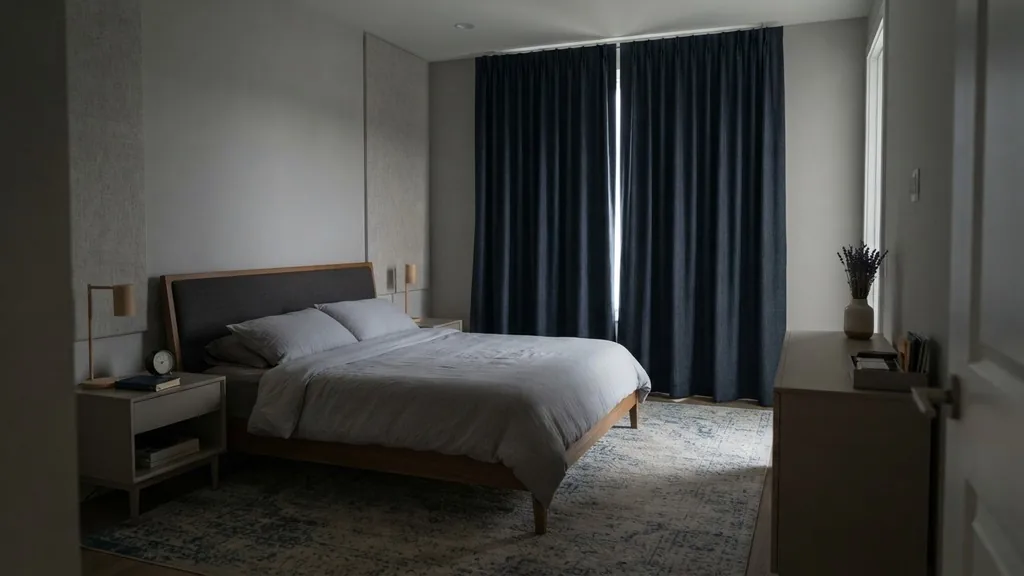
1. Store daily items inside closed cabinetry or drawers to prevent the brain from scanning unfinished tasks, which is a common cause of subconscious stress before you fall asleep.
1 Corinthians 14:40 — Doing things decently and in order brings peace; keeping your physical space tidy helps your mind reflect that same orderly, calm state of being.
2. Use under-bed storage bins to keep the floor clear, as an unobstructed floor area creates a sense of lightness that helps the eyes rest when you enter the room.
Matthew 6:21 — Where your treasure is, there your heart will be; if your bedroom is a place of peace, your heart will naturally gravitate toward rest and stillness.
3. Limit the number of decorative objects on your nightstand to only those that bring joy or comfort, reducing the amount of visual input your brain must process nightly.
Philippians 4:8 — Focus on whatever is lovely and pure; by surrounding yourself with objects that bring peace, you cultivate a mindset ready for a restful, quiet night.
4. Keep work-related materials, such as laptops or files, completely out of the bedroom to separate the space of rest from the space of productivity and daily professional stress.
Ecclesiastes 3:1 — There is a time for everything; designating the bedroom solely for rest ensures that work does not bleed into the hours meant for your personal renewal.
5. Utilize a laundry hamper with a lid to conceal dirty clothes, preventing the sight of chores from nagging at your mind while you are trying to wind down.
Colossians 3:23 — Whatever you do, work at it with all your heart; managing your space well is an act of stewardship that honors the rest you deserve.
The Role of Lighting in Your Nightly Routine
1. Install dimmable lamps on both sides of the bed to allow for gradual light reduction, which signals to your body that it is time to produce melatonin.
John 8:12 — Light is a powerful guide; using soft, adjustable lighting helps transition your body from the activity of the day into the quiet stillness of the night.
2. Use warm-toned light bulbs to minimize blue light exposure, as cooler tones can suppress sleep hormones and keep your brain alert long after you have turned them on.
Psalm 119:105 — Your word is a lamp to my feet; similarly, the right kind of light acts as a guide, helping your body understand the natural rhythm of day.
3. Place bedside lamps at a height that prevents direct glare into your eyes when you are lying down, ensuring that light remains soft and indirect for better comfort.
Matthew 5:15 — A lamp should be placed to give light to the whole house; in your room, it should gently illuminate without causing strain or harsh, waking discomfort.
4. Consider blackout curtains to block out streetlights or passing car beams, which are significant contributors to fragmented sleep patterns and early morning wake-ups for many light sleepers.
Psalm 91:1 — Whoever dwells in the shelter of the Most High will rest in the shadow of the Almighty; creating a dark, quiet shelter helps you find rest.
5. Keep a small, low-light nightlight near the floor for late-night bathroom trips to avoid the shock of overhead lights, which can instantly trigger your brain to wake.
Psalm 27:1 — The Lord is my light and my salvation; even in the smallest way, a gentle, guiding light keeps you safe and calm during the dark hours.
Creating a Sensory Haven for Deep Relaxation
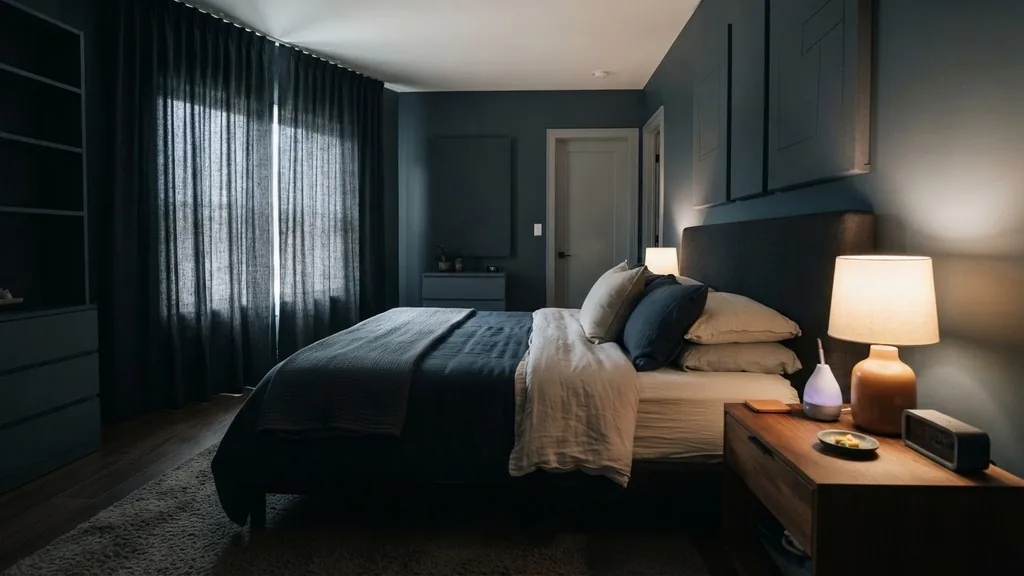
1. Incorporate soft, breathable textiles like cotton or linen bedding to regulate your body temperature, which is essential for maintaining deep, uninterrupted sleep cycles throughout the entire night.
Proverbs 31:21 — She is not afraid of the snow for her household; choosing high-quality, comfortable materials ensures you remain cozy and warm, fostering a sense of deep peace.
2. Use a white noise machine or a fan to mask sudden, jarring sounds from outside, providing a consistent auditory background that helps your brain remain in rest.
Psalm 46:10 — Be still, and know that I am God; a consistent, quiet soundscape helps you settle into that stillness, blocking out the noise of a busy world.
3. Introduce gentle, calming scents like lavender or chamomile through a diffuser to soothe the nervous system and prepare your mind for the transition into a deep sleep.
Song of Solomon 4:14 — The scent of spices and perfumes fills the air; pleasant, natural aromas can transform your bedroom into a place of comfort and restorative healing.
4. Choose calming, neutral wall colors for your bedroom to reduce visual stimulation, creating a background that feels serene rather than energetic or demanding of your immediate attention.
Psalm 23:2 — He makes me lie down in green pastures; colors that mirror nature, like soft greens or blues, naturally invite the soul to rest and be still.
5. Invest in a high-quality mattress that supports your specific sleeping position, as physical discomfort is the most common reason for waking up multiple times during the night.
Proverbs 11:25 — A generous person will prosper; investing in your own physical well-being by choosing a supportive mattress is a form of generosity toward your own health.
Arranging Furniture to Enhance Airflow and Breathability
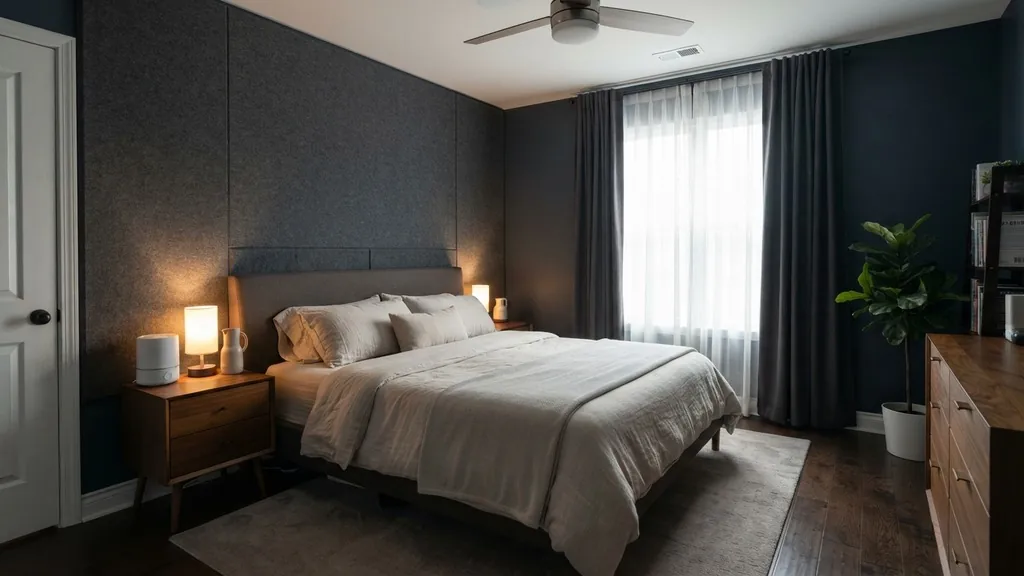
1. Keep your bed away from heavy, dust-collecting curtains or thick carpets if you have sensitivities, as clear air is vital for easy, unobstructed breathing while you are sleeping.
Genesis 2:7 — God breathed the breath of life into man; clean, fresh air is a fundamental necessity for our health and supports the quality of our sleep.
2. Position your dresser or armoire to avoid blocking air vents, ensuring that the room temperature remains stable and comfortable throughout the changing seasons of the year for you.
Job 33:4 — The breath of the Almighty gives me life; maintaining good airflow in your bedroom ensures you are breathing freely and staying refreshed all night long.
3. Avoid overcrowding the room with large furniture pieces, as a high volume of items can trap heat and dust, making the air feel stagnant and heavy during sleep.
Psalm 118:5 — When hard pressed, I cried to the Lord; he brought me into a spacious place; keeping your room airy and open helps you breathe deep.
4. Place your bed in a spot where it can benefit from natural cross-ventilation if you keep windows open, allowing the cool night breeze to assist with temperature regulation.
Ecclesiastes 11:5 — As you do not know the path of the wind; inviting the fresh, natural air into your bedroom connects you to the rhythms of creation.
5. Regularly move smaller furniture items to clean behind them, preventing the buildup of allergens that might cause congestion and disrupt your breathing patterns while you are resting.
2 Corinthians 7:1 — Let us purify ourselves from everything that contaminates; keeping your space clean is a practical way to protect your health and improve your rest.
Mindful Technology Management for Zero Distractions
1. Keep televisions and gaming consoles out of the bedroom entirely to maintain the room as a dedicated space for rest, relaxation, and intimate connection with your spouse or family.
1 Timothy 6:6 — Godliness with contentment is great gain; finding contentment in rest without the constant distraction of digital screens leads to a much deeper sense of peace.
2. Charge your phone in a different room or at least across the bedroom to prevent the urge to check notifications or social media feeds late at night.
Psalm 119:37 — Turn my eyes away from worthless things; keeping digital distractions out of sight helps you focus your mind on rest rather than the world’s noise.
3. Replace a digital clock with an analog one to avoid the bright, glowing numbers that can keep your brain ticking and make you anxious about the passing time.
Ecclesiastes 3:11 — He has made everything beautiful in its time; trusting in God’s timing allows you to sleep without the anxiety of watching every passing minute.
4. Use a physical alarm clock if you must, but keep it turned away from your line of sight so that you aren’t tempted to check the time constantly.
Psalm 131:2 — I have calmed and quieted myself; removing the pressure of time-keeping helps your soul find the quiet, calm rest that it needs to be restored.
5. Establish a “no-screen” rule at least one hour before bed, using the time instead to read a book or journal, which helps your brain wind down naturally.
Psalm 1:2 — On his law he meditates day and night; filling your mind with good, quiet things before sleep sets a peaceful tone for your entire night.
Strategic Furniture Layouts for Small Bedrooms
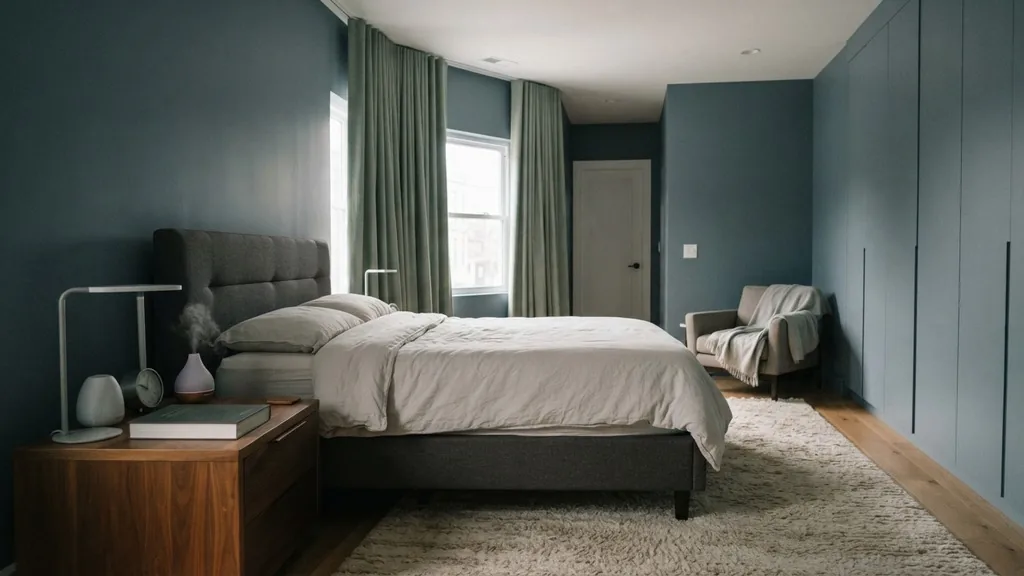
1. Use a bed frame with built-in drawers to maximize storage in a small footprint, keeping the rest of the bedroom floor clear and free from any excess clutter.
Proverbs 24:3 — By wisdom a house is built; even in a small room, smart planning and thoughtful furniture choices can create a space that feels calm and expansive.
2. Mount wall shelves for books or bedside essentials to save floor space, keeping the area around your bed clear for a cleaner, more restful visual environment for you.
Psalm 127:1 — Unless the Lord builds the house, the builders labor in vain; when we plan our spaces with care, we create homes that truly support our rest.
3. Choose furniture with legs rather than solid bases to create the illusion of more space, as seeing the floor underneath helps the room feel lighter and less heavy.
Psalm 119:45 — I will walk about in freedom; creating a sense of space in your room, even when it is small, helps your mind feel free and unburdened.
4. Use a tall dresser instead of a wide one to take advantage of vertical space, leaving more room for you to move comfortably around the bedroom without hitting items.
Luke 14:28 — Suppose one of you wants to build a tower; planning your room layout with careful consideration allows you to make the most of limited space.
5. Place a mirror on the wall opposite a window to reflect natural light and make your small bedroom feel twice as large, bright, and airy during the day.
2 Corinthians 3:18 — We all, who with unveiled faces contemplate the Lord’s glory, are being transformed; mirrors can help us reflect the light and beauty of nature.
Maintaining a Peaceful Environment Long Term
1. Perform a monthly “reset” where you clear off all surfaces and reorganize your drawers to ensure that clutter hasn’t slowly crept back into your quiet sleeping space.
Lamentations 3:40 — Let us examine our ways and test them; regularly checking your habits ensures that your bedroom remains a place of peace rather than mess.
2. Rotate your bedding seasonally to keep the room feeling fresh, as a change in color or texture can help you feel more connected to the current season.
Ecclesiastes 3:1 — There is a time for everything; refreshing your space periodically keeps it vibrant and welcoming, reflecting the natural cycle of renewal and rest provided.
3. Vacuum under the bed and behind furniture regularly to prevent dust buildup, which is essential for keeping your sleeping environment healthy and free from irritating airborne particles.
1 Corinthians 6:19 — Your bodies are temples of the Holy Spirit; taking care of your living environment is a way to honor the body that God has given.
4. Reassess your furniture layout every few months to see if a small shift could improve the flow or comfort of your space, as your needs may change over.
Proverbs 16:9 — In their hearts humans plan their course, but the Lord establishes their steps; being open to change allows you to find better ways to rest.
5. Keep a small basket for items that don’t belong in the bedroom, making it easy to clear them out at the end of every single day’s routine.
1 Thessalonians 5:21 — Test them all; hold on to what is good; keeping only what belongs in your bedroom helps you hold on to the peace you need.
Conclusion
Arranging bedroom furniture for better sleep and zero distractions is a journey toward creating a home that supports your physical and spiritual well-being. By focusing on intentional placement, minimizing visual noise, and curating a space that invites rest, you are taking a significant step toward healthier nights and more energized days. Remember that your bedroom is a sanctuary meant for restoration, and every small change you make contributes to that goal.
For further inspiration on creating a healthy home environment, you might consider reading the guidelines provided by the National Sleep Foundation regarding optimal bedroom conditions. Start with one simple adjustment today, such as clearing off your nightstand, and observe how it impacts your ability to find quiet. We invite you to share your own experiences or questions about creating a restful space in your home.