10 Front yard walkway ideas
Introduction
Choosing the right front yard walkway ideas can significantly enhance your home curb appeal while providing a durable and functional path for guests. These design concepts balance aesthetic preferences with local soil conditions and long term maintenance needs.
This guide covers essential planning factors for your home entrance, including material selection and structural foundation requirements. You will find inspiration for various styles ranging from traditional stone paths to modern permeable designs. We also address technical considerations such as base layer preparation, proper drainage, and lighting integration to ensure your project remains both safe and inviting for years to come. By evaluating these options, you can select a walkway that complements your landscaping and meets your specific lifestyle requirements.
Creative Front Walkway Designs
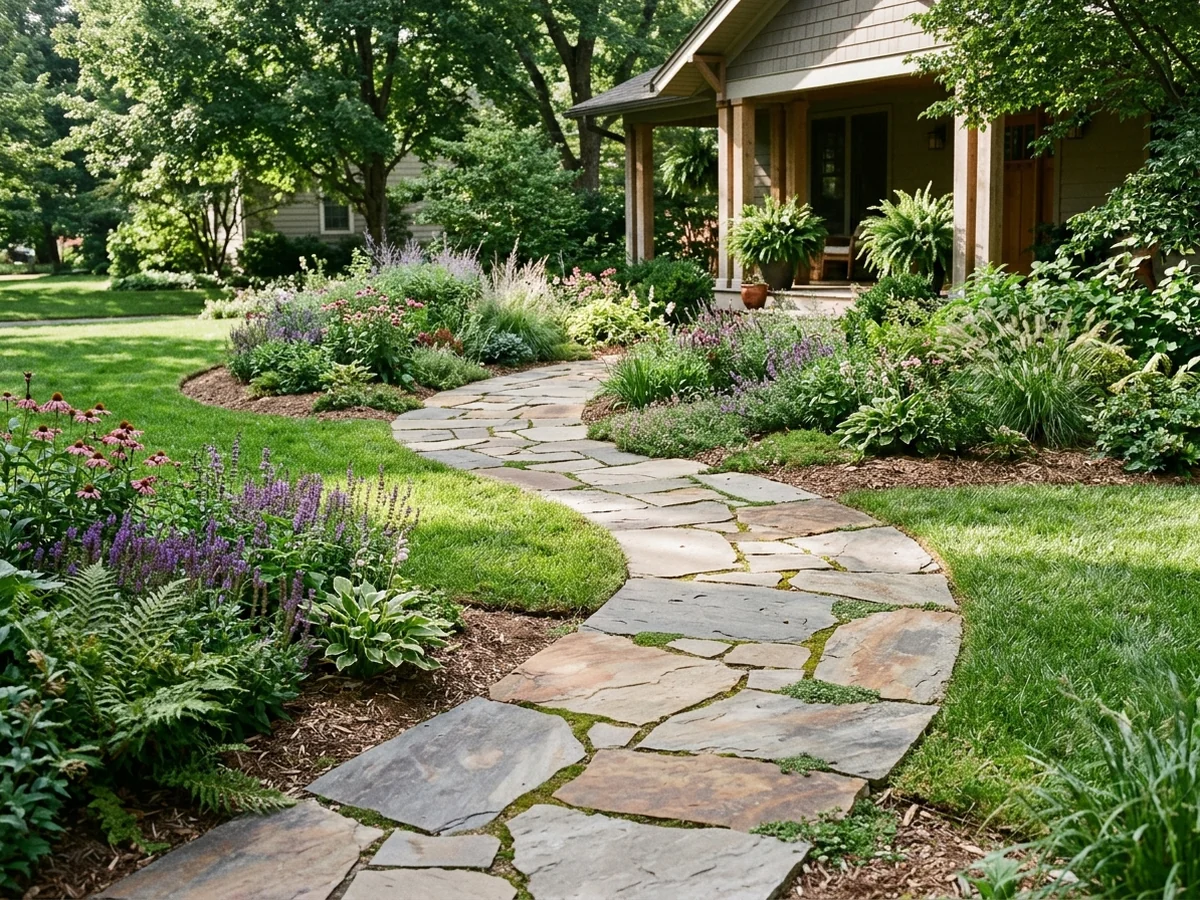
Effective path design balances visual appeal with the practical needs of daily traffic. By planning for both durability and style, you create an inviting entrance that stands up to environmental wear while anchoring your home landscape.
A successful approach considers the flow of movement through your space. Paths should feel intentional rather than accidental, guiding visitors naturally from the driveway or street to the front door. Curving lines often introduce a softer, more relaxed look, whereas straight paths provide a sense of order and modern front walkway design.
Selecting the right materials is the foundation of long-term performance. Options like concrete pavers offer a classic appearance with high structural integrity, while natural stone like flagstone provides a more organic texture. Each material choice affects how your path handles drainage and weather. For instance, using permeable walkway materials can assist with stormwater management by allowing water to soak back into the ground rather than pooling on the surface.
Proper base preparation remains the most critical factor for a lasting installation. Regardless of the surface material, establishing a solid foundation prevents settling and shifting over time. A well-compacted base layer is essential to support the weight of foot traffic and maintain a level surface, ensuring your project remains safe and usable for years.
Functionality should never be an afterthought in your planning. Consider these elements to maintain both aesthetics and safety:
- Incorporate landscape lighting to improve visibility and ambiance after dark.
- Use sturdy edging to keep loose materials like decomposed granite or crushed stone contained.
- Ensure your path width accommodates people walking side by side comfortably.
- Design with a gentle slope to encourage water runoff away from your foundation.
- Select materials that require a maintenance level matching your lifestyle, such as sealed pavers to reduce weed growth.
By focusing on these structural details, you ensure your front yard landscaping path ideas remain beautiful and functional. Balancing these technical requirements with your personal style creates a welcoming exterior that enhances the overall character of your home.
Choosing Path Materials
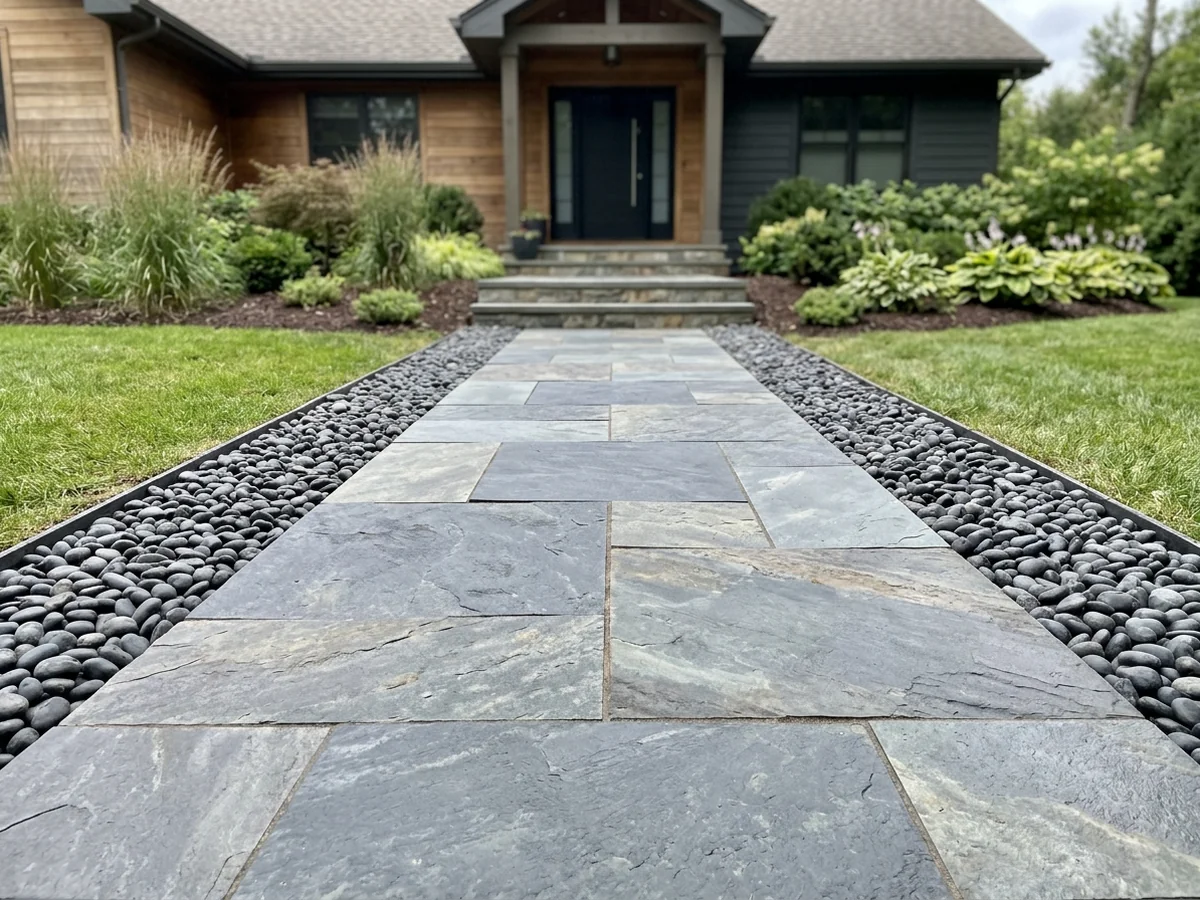
Selecting the right surface for a front yard landscaping path requires balancing aesthetic goals, local climate conditions, and your personal commitment to upkeep. Whether you are aiming for a modern front walkway design or a more rustic, traditional look, the material you choose dictates the longevity and functionality of the space.
| Material | Primary Characteristic | Drainage Potential | Maintenance Level |
|---|---|---|---|
| Concrete Pavers | Durable and uniform | Moderate | Low |
| Flagstone | Natural and organic | Moderate | Moderate |
| Loose Aggregate | Flexible and casual | High | High |
When evaluating your options, consider the role of permeable walkway materials in your site drainage strategy. Using surfaces that allow water to infiltrate the ground helps manage runoff effectively, keeping moisture away from home foundations. The Interlocking Concrete Pavement Institute (ICPI) emphasizes the importance of proper base construction for these systems to remain effective over time. Regardless of the material, always check local building codes, as the International Residential Code (IRC) may influence design parameters for exterior additions in your area.
Maintenance requirements shift depending on your choice. Solid surfaces like concrete pavers are generally easy to keep clean with basic sweeping or rinsing. If you opt for loose aggregate or decomposed granite, expect to perform periodic raking to keep the surface level, as stones tend to migrate over time. For natural stone paths, weed management in the joints is a common, ongoing task.
A frequent mistake in paver walkway installation is failing to account for proper soil preparation. Skipping the installation of a stable, compacted base layer often leads to shifting, cracking, or uneven surfaces within just a few seasons. If you are working with loose stone, adding a sturdy edging material is essential to contain the aggregate and keep it from spilling into your lawn or garden beds. Always weigh the long-term cost of ownership against the initial price of the materials, as high-maintenance paths may require more frequent replenishing or professional cleaning services to maintain their original appearance. By selecting materials that align with your lifestyle and local environmental needs, you ensure your entrance remains a welcoming and durable feature of your home exterior.
Planning Layout and Dimensions
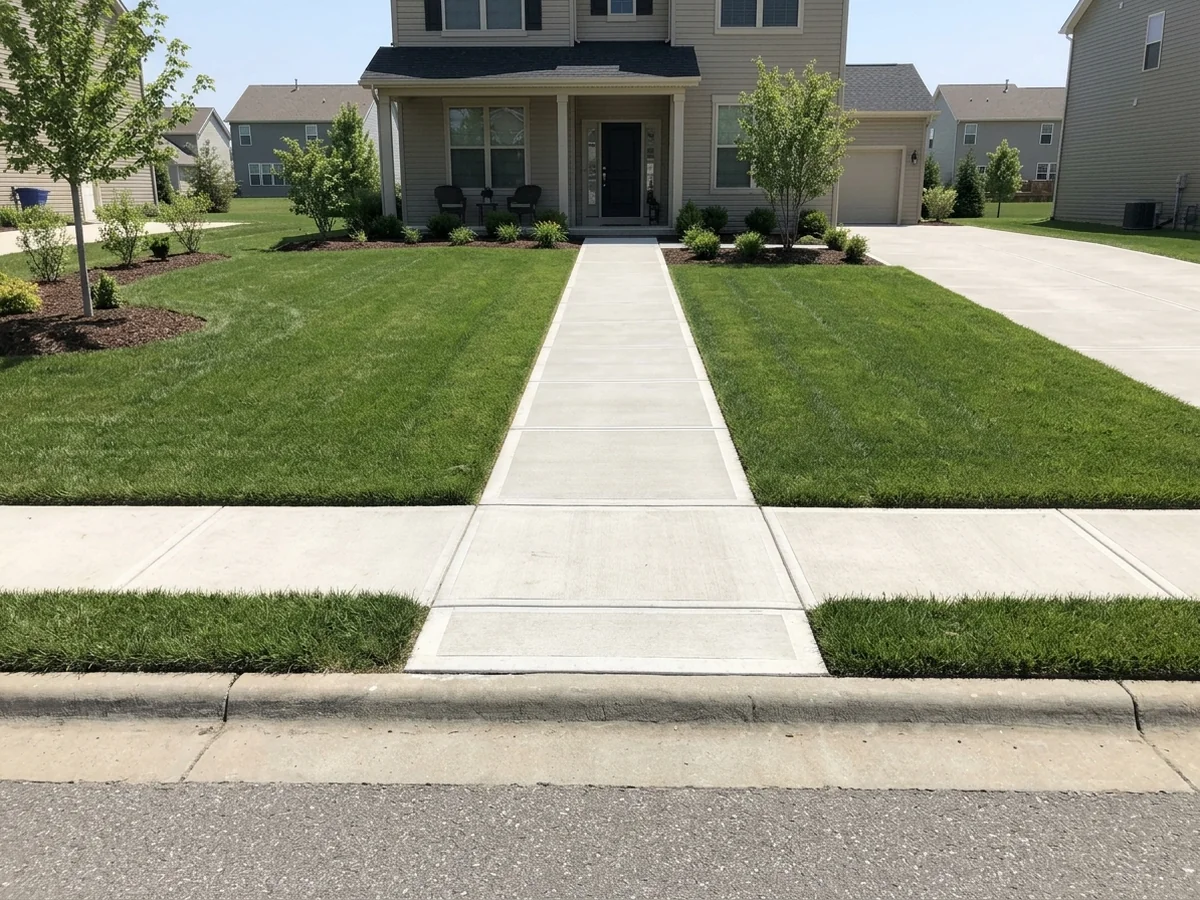
Before beginning any site preparation, it is essential to consult your local municipal building department regarding front path width requirements and setback regulations. These local ordinances, alongside potential homeowners association guidelines, are designed to ensure property safety, neighborhood consistency, and effective land use. Securing this information early in the process prevents costly design revisions and ensures your project adheres to community standards.
Furthermore, if you are considering permeable walkway materials to assist with stormwater management, check your local codes for specific infiltration requirements. Some jurisdictions mandate that a certain percentage of your hardscaping must allow water to penetrate the soil.
A well-executed path layout prioritizes natural movement. Instead of forcing rigid, sharp angles, observe the intuitive walking patterns between your driveway, the street, and your front door. A design that incorporates gentle curves often feels more welcoming and organic. When exploring front yard landscaping path ideas, keep in mind that the path should accommodate comfortable human scale. A walkway that is too narrow creates a cramped, awkward experience, while a path that is intentionally sized allows guests to walk side-by-side without stepping onto your garden beds or lawn. For a truly functional modern front walkway design, prioritize a width that supports a natural, relaxed stride for all users.
Common mistakes in the planning phase often involve overlooking site drainage and long-term stability. A common error is failing to account for the necessary base layer, such as compacted gravel, which provides the structural support needed to prevent future settling and dips in the surface. Similarly, when planning the route, ensure that you account for any necessary steps or transitions in grade. For ease of use and safety, consistency in riser height and sufficient tread depth are critical.
If you are opting for a paver walkway installation, remember that proper edge restraints are necessary to maintain the shape of the path and prevent materials from migrating into your surrounding landscape. Careful attention to these engineering details early on ensures that your walkway remains a durable, inviting entrance for years to come.
Durable Walkway Base Options
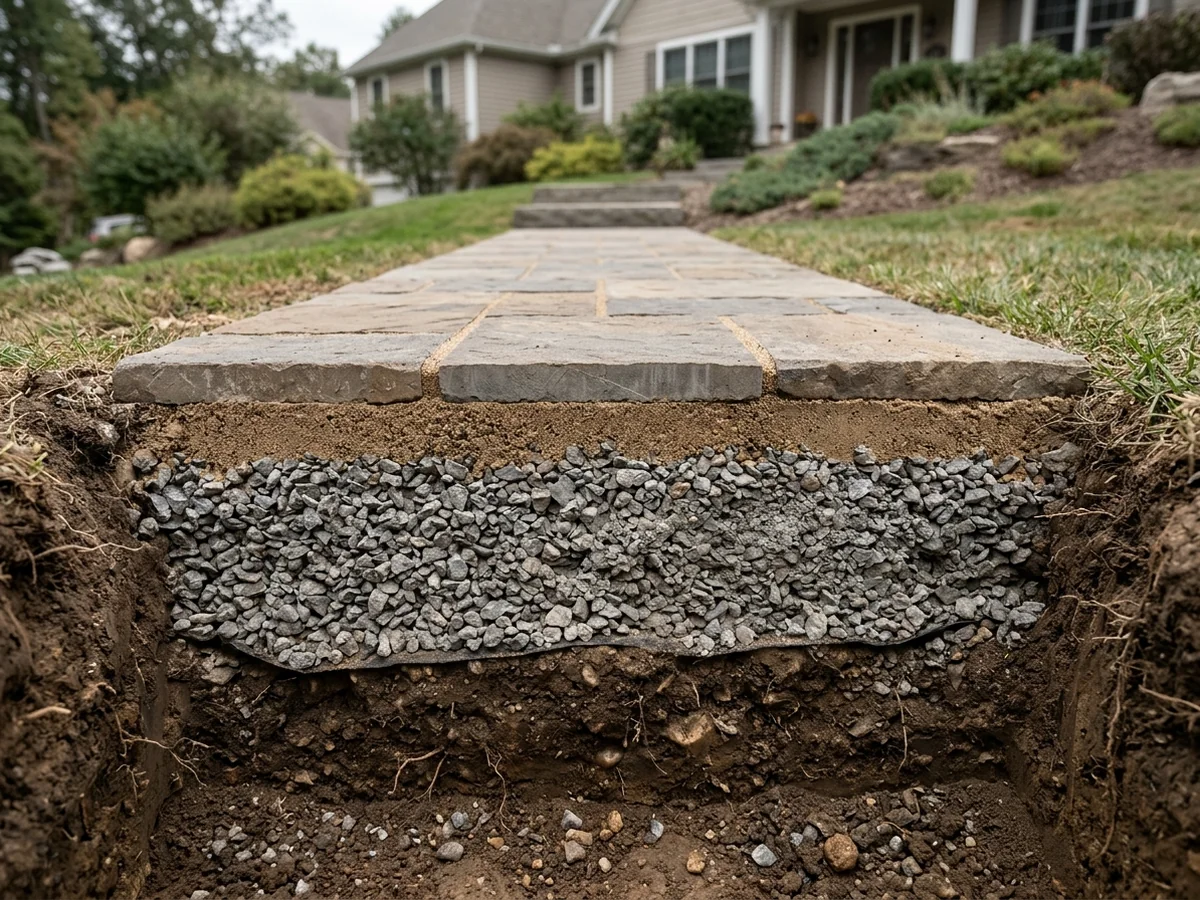
A stable foundation is the most critical element for any long-lasting path, as it prevents shifting and uneven surfaces over time. Proper preparation involves creating a dense, load-bearing layer that supports the weight of your chosen surfacing materials while managing moisture effectively.
Successful paver walkway installation relies on careful site preparation and the use of appropriate aggregate materials. By following standard industry practices for sub-base construction, you ensure that your path remains level and functional through various weather cycles.
- Remove organic material and loose topsoil from the path area to reach stable, undisturbed ground.
- Install a layer of crushed stone to provide a firm base that resists sinking and promotes drainage.
- Compact the sub-base material in thin, uniform lifts using a mechanical tamper to achieve maximum density.
- Use a layer of bedding sand or fine aggregate over the compacted stone to create a smooth surface for laying pavers.
- Ensure the base extends slightly beyond the edges of the path to provide structural support for the perimeter restraints.
- Verify the slope of the base to encourage water runoff away from your home foundation and toward appropriate drainage areas.
Soil compaction is essential because loose earth will naturally settle under the weight of foot traffic and heavy rain. When the underlying soil is not properly compressed, even high-quality stone or concrete pavers can dip, tilt, or develop gaps. Taking the time to build a rigid, well-draining base prevents these common maintenance headaches and keeps your walkway looking professional for years.
Crushed stone serves a vital role by acting as a bridge between the soil and the surface material. It creates a structural skeleton that locks in place, providing the rigidity needed to distribute weight evenly. Because it allows water to move through the gaps between stones, this material helps prevent the saturation that often leads to frost heave in colder climates. Choosing the right aggregate size ensures that the base remains both stable enough to walk on and porous enough to manage stormwater infiltration effectively.
Modern Design and Aesthetics

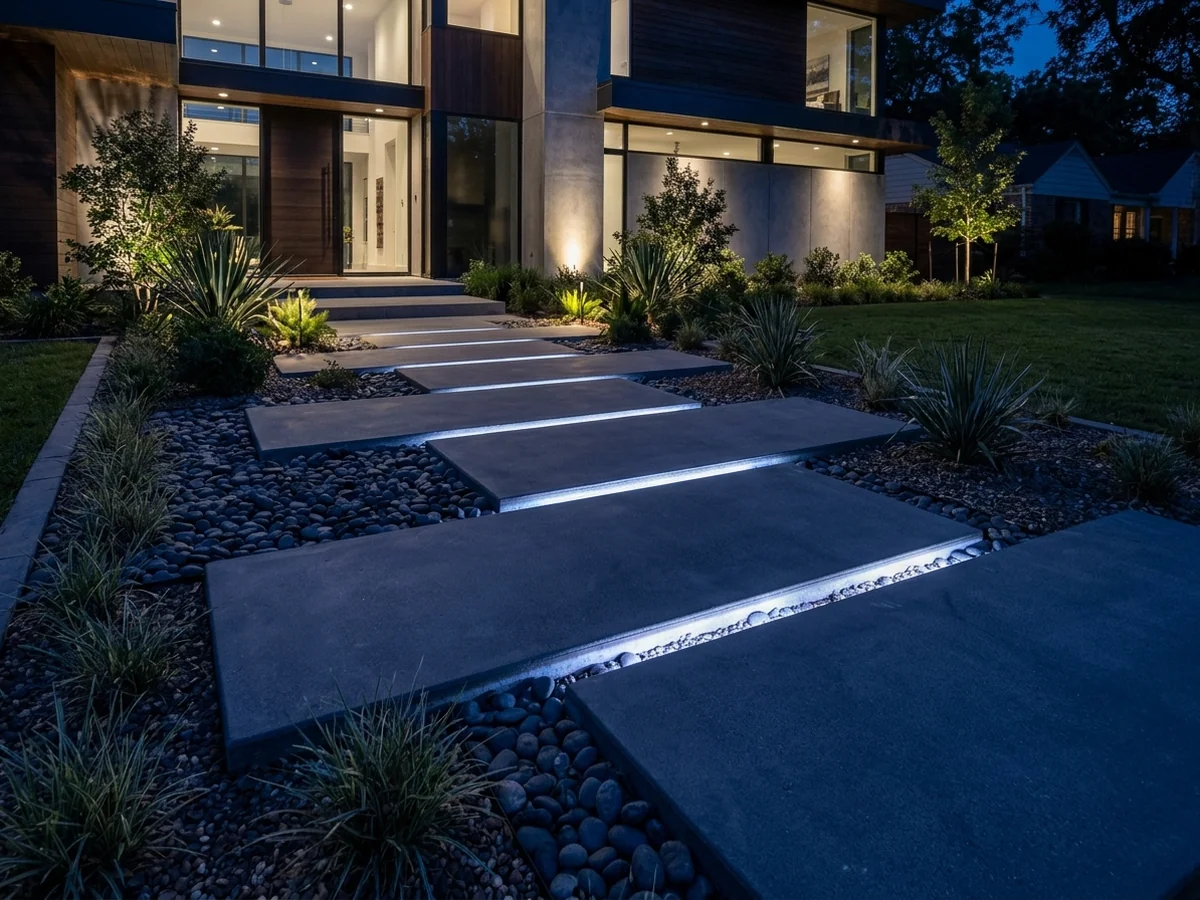
Creating an inviting path to your home relies on balancing clean architectural lines with functional safety features. Achieving a polished look often involves pairing geometric hardscaping materials with strategic plant placements and integrated illumination.
Landscape lighting serves as a vital component for both safety and ambiance. By placing low-voltage fixtures along the edges of the path, you improve visibility for nighttime guests while highlighting the texture of surrounding materials. Soft, downward-facing lights create a welcoming glow without causing glare, effectively turning a simple entrance into a sophisticated feature of your home exterior.
Using border plants to frame the walkway softens the transition between the path and your garden beds. Choosing low-growing perennials or ornamental grasses helps define the route, creating a structured aesthetic that draws the eye toward the front door. These plantings also act as a natural barrier, keeping soil and mulch away from the surface of your stone or concrete pavers.
Consider these elements when planning your layout:
- Choose consistent, high-quality materials like large-format concrete pavers or natural flagstone for a clean, minimalist finish.
- Ensure the path width remains comfortable for two people to pass, as this encourages easy movement and accessibility.
- Install edging materials to maintain sharp lines and prevent shifting of materials like decomposed granite or gravel.
- Layer your lighting choices by mixing path lights with occasional spotlights directed at architectural accents or feature plants.
When selecting plants for your borders, look for species that thrive in the specific light conditions of your yard. Drought-tolerant varieties often perform well near hard surfaces, as these areas can become quite warm during the summer months. Maintaining a clear space between the edge of your plantings and the walkway surface prevents encroachment and keeps the path looking tidy throughout the seasons.
Low-Maintenance Walkway Finishes
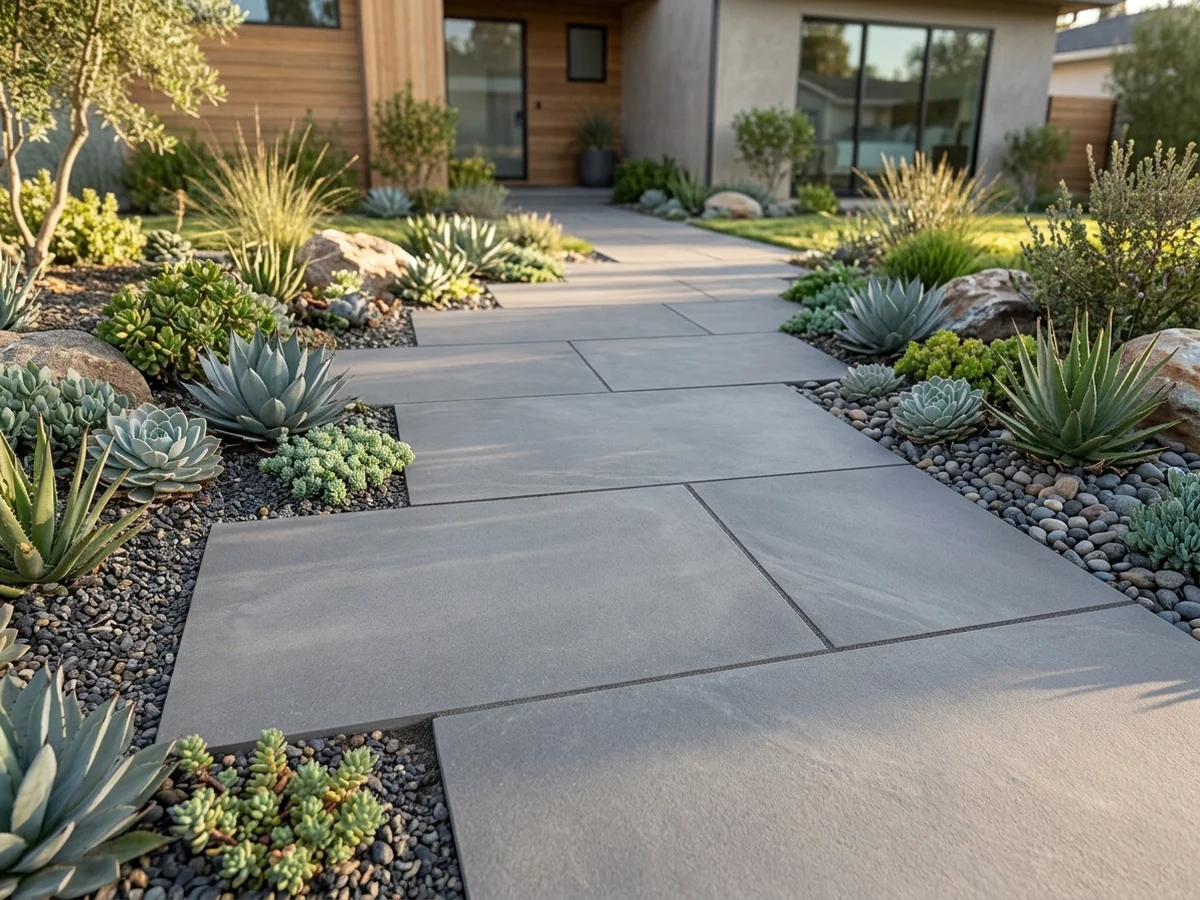
Choosing durable materials and proper construction methods simplifies long-term upkeep for your path. Selecting high-quality surfaces reduces the frequency of cleaning, weeding, and structural repairs.
Effective stormwater management is a critical consideration for any exterior path. By using surfaces that allow water to pass through into the soil, you help rainwater infiltrate the ground rather than pooling on the surface or overwhelming local drainage systems. This approach aligns with low-impact development principles encouraged by the Environmental Protection Agency to manage urban runoff. Installing a stable sub-base helps ensure these surfaces remain level and functional throughout the seasons.
Before beginning construction, verify local regulations regarding building permits for hardscaping. Many municipalities have specific rules about modifying your exterior footprint, particularly concerning lot coverage limits and drainage requirements. Consulting your local planning department ensures your project complies with municipal ordinances and avoids potential fines or costly modifications after completion.
Aligning your path design with the International Residential Code (IRC) promotes safety and structural integrity. While the code sets general benchmarks for residential construction, individual jurisdictions often adopt specific amendments. Adhering to these standards helps you maintain consistent tread depths and stable base layers that withstand environmental stress. Checking the latest IRC provisions provides a reliable foundation for planning your layout and selecting appropriate materials.
Consider these factors when planning your finish:
- Integrate options that allow water drainage to improve natural absorption.
- Verify permit requirements for all permanent hardscape installations.
- Follow locally adopted IRC guidelines for safe and stable construction.
- Prioritize base preparation to prevent future settling or surface shifting.
Common Walkway Design Pitfalls
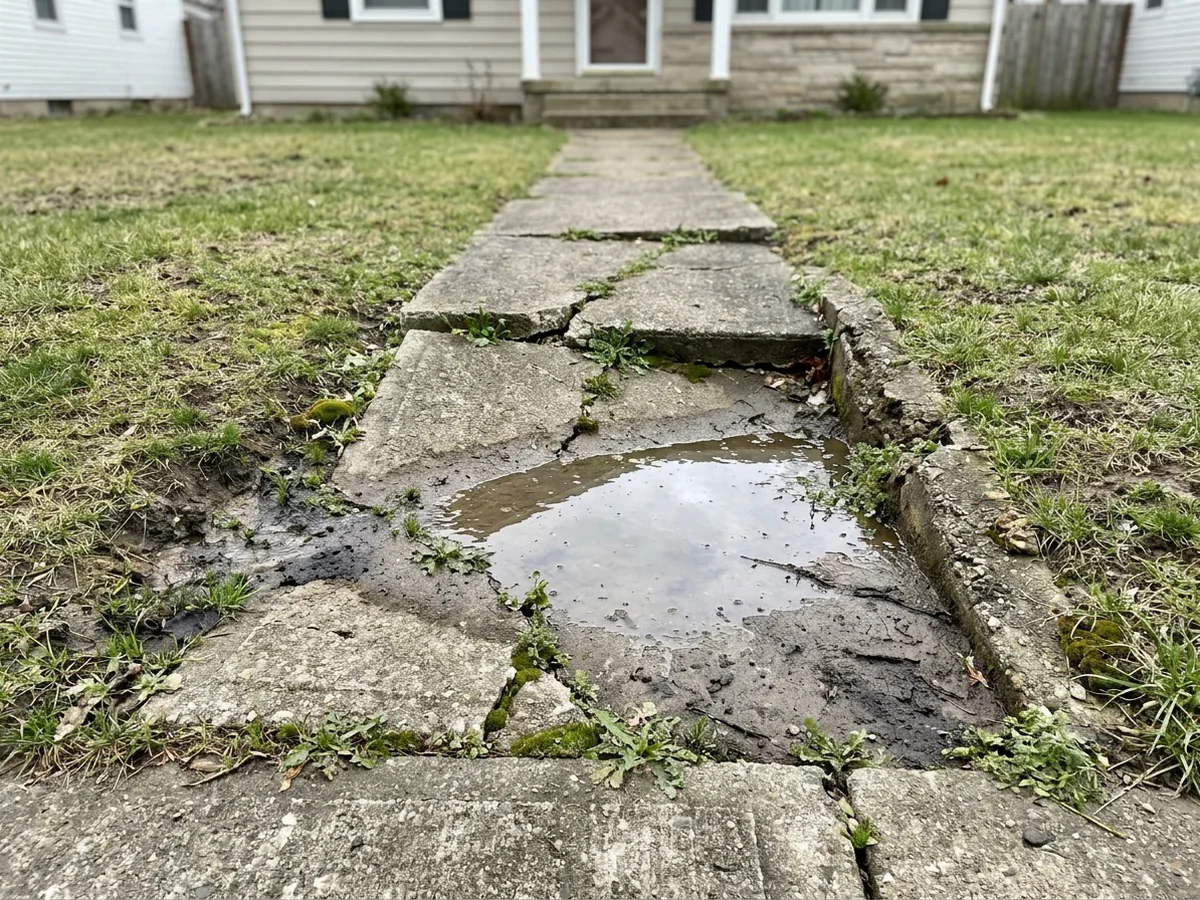
Many homeowners encounter structural issues when building new paths because they overlook the importance of soil preparation and site grading. Addressing these factors during the planning phase ensures your walkway remains level, safe, and free of standing water for years to come. When researching various front yard walkway ideas, prioritize these foundational elements to avoid costly repairs.
- Inadequate depth in your base layer often leads to shifting pavers and uneven surfaces as the ground settles over time.
- Failing to account for the natural slope of your yard frequently causes water to pool on the surface rather than draining away from the path.
- Skipping the installation of sturdy edging materials around loose stone or gravel paths allows the materials to migrate into your surrounding lawn or garden beds.
- Neglecting to compact the sub-base material thoroughly can result in premature sinking or instability in high-traffic sections of the walkway.
- Poorly managed drainage near your home foundation can lead to moisture issues that compromise both the walkway and the structure itself.
A stable base is essential for any hardscape project. Without a deep, well-compacted foundation, freeze-thaw cycles in the soil will cause your path to heave and shift. This movement creates tripping hazards and ruins the aesthetic of your design. Always verify your local soil conditions, as clay-heavy ground may require a thicker base than sandy soil to prevent sinking.
Drainage is another critical component that directly influences the longevity of your materials. If a path is installed perfectly flat without a slight grade, water will linger on the surface. Over time, this constant contact with moisture can stain stone, foster moss growth, and soften the underlying base. Designing a slight pitch away from your home ensures that rain and irrigation water flow into the landscape instead of saturating the walkway foundation.
Finally, containment prevents your chosen materials from scattering. Loose stones or decomposed granite need a physical barrier to maintain clean lines and keep the path defined. Using steel, plastic, or concrete edging keeps the internal material locked in place, ensuring your path keeps its shape despite frequent foot traffic and routine lawn maintenance.
Choosing Walkway Installation Methods
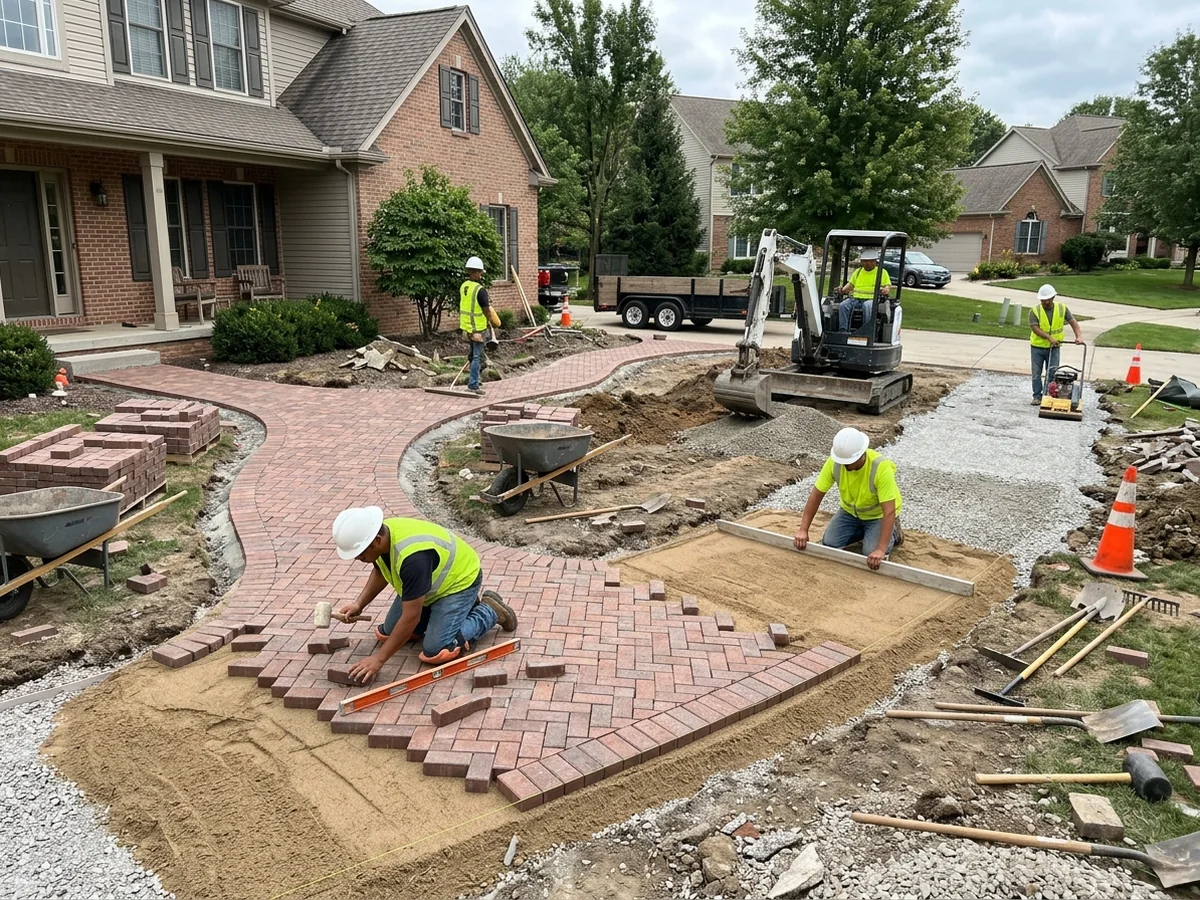
Deciding between a DIY approach and hiring a professional often depends on the complexity of your site and the specific materials chosen. While simple paths made of loose materials might be manageable for a dedicated homeowner, projects involving heavy masonry or significant site grading frequently require skilled expertise to ensure longevity.
You should consider professional assistance when your project involves substantial excavation or the installation of complex, permanent features like concrete pavers or natural stone. Professionals offer the specialized equipment necessary to prepare a stable sub-base, which prevents the settling and shifting that often plague improperly installed paths. If your design includes intricate patterns or requires precise cutting of stone, the experience of a contractor can save you significant time and potential frustration.
Safety becomes the primary priority when your landscape includes slopes or requires the construction of steps. Properly engineered steps must provide consistent riser heights and adequate tread depths to minimize trip hazards. When dealing with elevation changes, professionals follow established safety standards to ensure the structure remains stable under varying weather conditions. Using the right techniques to anchor these features into a hillside is essential to prevent erosion and structural failure over time.
Expert guidance is necessary when your project must meet specific regulatory compliance standards. Local building departments often have requirements regarding lot coverage, stormwater management, and accessibility, especially if you are modifying the main entrance of your home. Consulting with a professional ensures your project aligns with the International Residential Code or local ordinances, preventing costly modifications later.
- Assess your soil type, as clay-heavy ground requires more intensive drainage preparation than sandy soil.
- Check local building permits, as some municipalities regulate the total amount of impervious surface allowed on your property.
- Evaluate the long-term maintenance needs of your chosen materials, such as the periodic cleaning required for surfaces designed to let water pass through into the ground.
- Incorporate professional landscape lighting early in the installation process to avoid digging up finished surfaces later.
FAQ
What materials are best for a front walkway?
The most suitable choice depends on your desired maintenance level and local climate. Natural materials like flagstone offer a timeless aesthetic, while concrete pavers provide high durability and a wide variety of patterns for a contemporary entrance.
How wide should a front path be?
Walkway width typically ranges from 3 to 4 feet to ensure enough space for comfortable, side-by-side travel. You should always check local zoning codes or homeowner association rules, as they may dictate specific front path width requirements for your property.
How do I prevent weeds between pavers?
Using a high-quality landscape fabric beneath your base layer is the most effective way to inhibit weed growth from below. For the gaps themselves, polymeric sand is often used during the process of laying stones to lock them in place and create a tight, weed-resistant seal.
Do I need a building permit for a new walkway?
Permit requirements vary significantly based on your municipality and the total square footage of the project. It is essential to contact your local building department before beginning any work, as they can clarify if your plans for a new path require official approval.
How to light a walkway effectively?
Low-voltage landscape lighting is a safe and energy-efficient solution for illuminating paths at night. Placing fixtures at strategic intervals along the edges of your front yard landscaping path ideas helps define the route while highlighting key features of your garden.
Conclusion
The success of your project depends on balancing aesthetic goals with functional site requirements like drainage and local building codes. Before starting any construction, verify local permit requirements and assess your soil conditions to determine the appropriate base thickness. Taking the time to evaluate these technical factors will ensure your chosen front yard walkway ideas provide both lasting beauty and reliable performance for your home.
You might also like: 10 Front Porch Lighting Ideas for a Warm and Welcoming Entry