
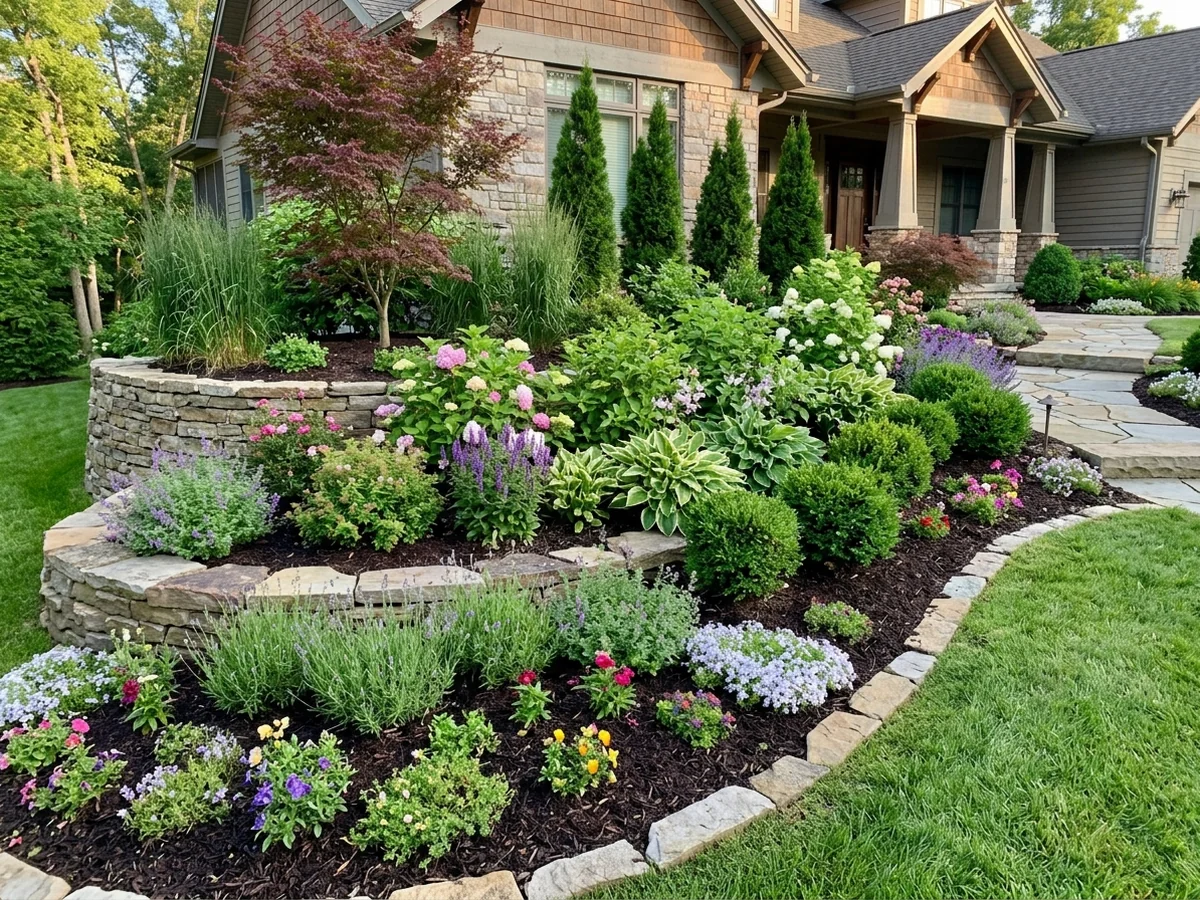
10 Front yard trees and plants
Introduction
Selecting the right front yard trees and plants is essential for creating an inviting landscape that complements your home exterior. You can achieve a balanced, visually appealing curb appeal by carefully choosing front yard trees and plants that thrive in your specific climate.
This article explores a variety of botanical options to enhance your outdoor space, ranging from manageable shrubs to elegant specimen trees. You will find inspiration for layering your garden beds and incorporating textures that provide year-round interest. Whether you are looking for low maintenance front yard plants or searching for the perfect foundation planting design, these suggestions offer practical ways to elevate your home aesthetic. We will also touch upon the importance of checking your local USDA Plant Hardiness Zone to ensure your selections remain healthy throughout the changing seasons.
Best Front Yard Trees
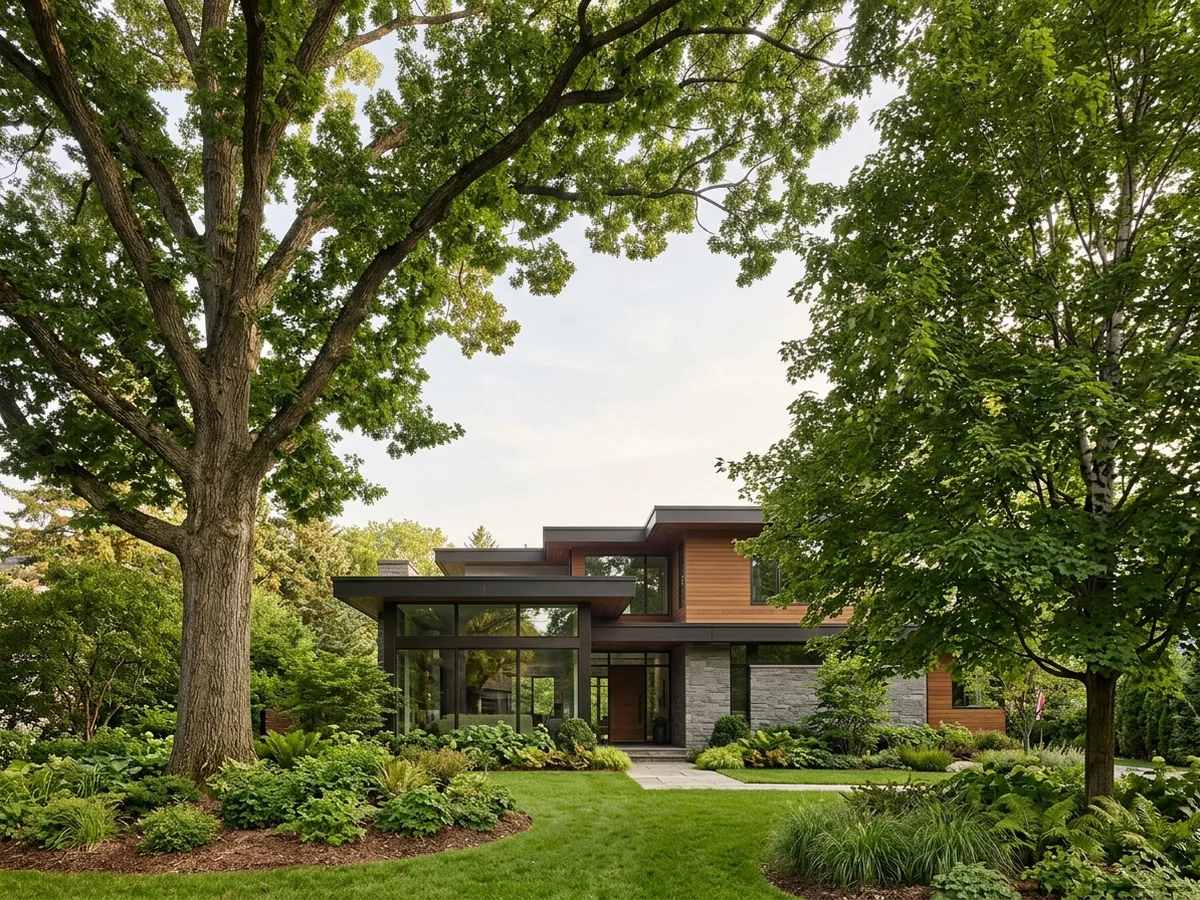
The best selections for your home exterior are those that balance mature scale with your available space, enhancing curb appeal without overwhelming the architecture. Choosing the right specimens ensures that your greenery acts as a structural asset rather than a maintenance burden.
Before selecting any greenery, consult the USDA Plant Hardiness Zone Map to identify which varieties thrive in your specific temperature range. Aligning your choices with your regional climate prevents the disappointment of losing vegetation to unexpected frosts or summer heat waves.
Understanding your soil drainage and composition is equally critical for long-term health. Some varieties prefer consistently moist soil, while others require well-draining earth to prevent root rot. You can often improve poor soil quality by adding organic mulch or compost, but selecting species naturally suited to your existing conditions always yields the most success.
Visual appeal often comes from the thoughtful placement of ornamental trees for front gardens. These additions provide height and texture, creating a layered look that draws the eye toward your entryway. When planning these arrangements, consider how the mature size of the specimen will interact with your home, as proper spacing avoids blocking windows or encroaching on walkways.
Functionality requires that you account for growth patterns and sunlight exposure. Dwarf trees for front yards are excellent for compact spaces, offering the beauty of larger specimens without the risk of overgrowth. Many homeowners successfully integrate these smaller options into their foundation planting design to soften the transition between the ground and the building.
Achieving a cohesive aesthetic relies on choosing a mix of evergreen and deciduous options. This strategy ensures your exterior remains vibrant throughout the changing seasons. Consider these factors when evaluating potential additions:
- The mature height and width of the tree relative to your home size.
- The seasonal changes, such as flowers, colorful foliage, or winter interest.
- The amount of routine care required to keep the shape and health of the specimen intact.
- The root system depth to avoid potential damage to nearby pipes or foundations.
By prioritizing native plants that are well-adapted to your local environment, you create a sustainable landscape. These choices typically demand less water and fewer fertilizers, making them a practical way to refine your landscaping ideas for front yards.
Climate-Friendly Yard Plants
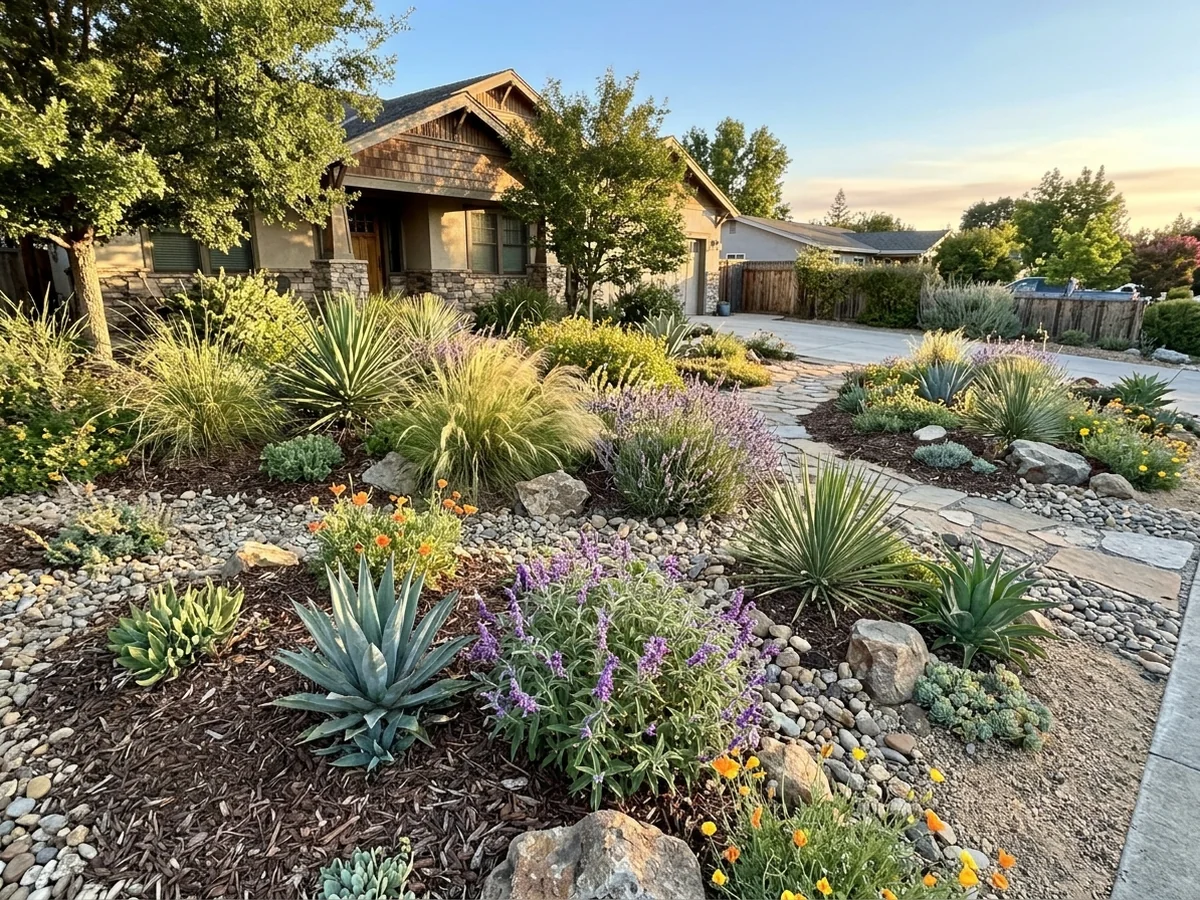
Selecting vegetation that thrives in your local environment is the most important step for long-term landscaping success. Plants chosen based on your specific climate are more resilient, require less intensive care, and maintain better health throughout the seasons.
The USDA Plant Hardiness Zone Map serves as an essential resource for identifying which botanical varieties can withstand the average minimum winter temperatures in your area. Consulting this map helps you avoid selecting species that are likely to fail during extreme cold, ensuring your chosen landscaping ideas for front yards remain vibrant year after year.
Evaluating soil drainage and daily sun exposure is equally vital before you begin planting. Different species have specific requirements for moisture levels and light intensity, and ignoring these needs often leads to stunted growth or plant loss. You can assess your soil by observing how quickly water disappears after rain, while tracking the movement of shadows across your garden space helps determine if a spot receives full sun, partial shade, or deep shade.
Your local climate dictates the success of your garden because it governs the fundamental rhythm of plant life. Factors such as humidity, wind patterns, and seasonal temperature shifts create a unique micro-environment that influences how well certain evergreens or perennials will perform. Focusing on native plants often provides the best results, as these species are naturally adapted to the environmental conditions of your specific region.
- Check the official USDA Plant Hardiness Zone Map to confirm your region’s winter temperature range.
- Observe your soil to see if it retains water or drains quickly after a heavy downpour.
- Monitor the amount of direct sunlight your garden beds receive throughout the day to match species with the correct light requirements.
- Prioritize hardy selections that can handle the specific moisture and heat patterns common to your geographic area.
Selecting Suitable Plant Types
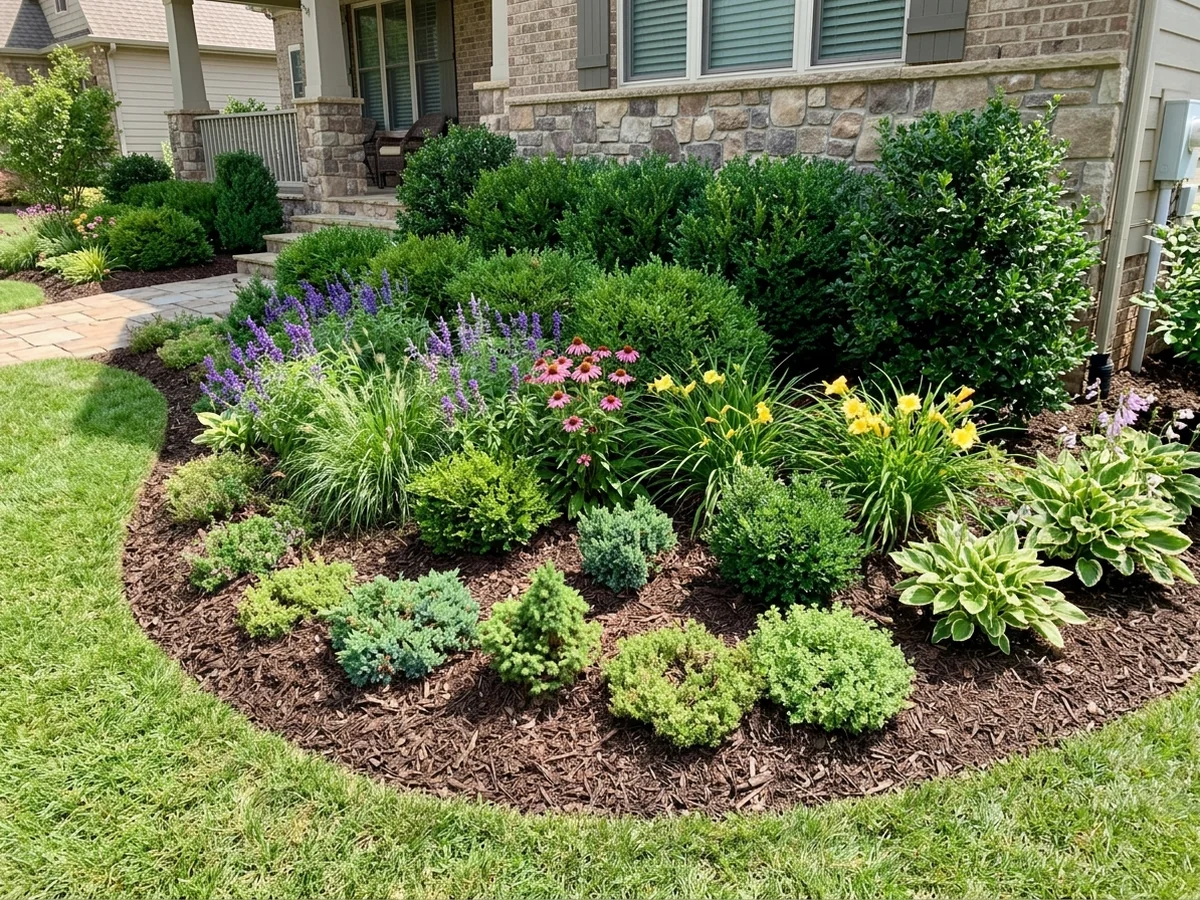
You can create a balanced aesthetic by understanding the growth cycles of your greenery and choosing varieties that thrive in your local environment. The primary distinction lies between evergreens, which keep their foliage year round, and perennials, which typically die back in winter and return each spring.
Incorporating local species into your landscape design offers significant ecological benefits, as these plants are naturally adapted to your regional climate and soil conditions. Choosing native varieties often results in low maintenance front yard plants because they require less supplemental water, fertilizer, and pest control once established. This approach supports local pollinators and contributes to a healthier, more sustainable garden ecosystem.
Achieving visual harmony requires a thoughtful mix of textures, shapes, and sizes throughout your garden beds. Consider these strategies to ensure a cohesive look:
- Pair broad, waxy leaves with fine, needle like foliage to create a dynamic contrast that catches the eye.
- Place taller specimens toward the back of a border to provide a backdrop for shorter, flowering varieties.
- Use clumping grasses to add movement and softness against the rigid structure of woody stems.
- Repeat specific plant shapes or color palettes throughout different areas to guide the viewer’s gaze across the space.
- Integrate varying heights to avoid a flat appearance and add depth to your overall foundation planting design.
Always verify your specific region using the USDA Plant Hardiness Zone Map to ensure your selections can survive local temperature extremes. Consulting with local extension offices can also provide insights into which species perform best in your specific soil type and sun exposure. By focusing on these core principles, you build a landscape that remains attractive and resilient through every season.
Choosing Trees for Gardens
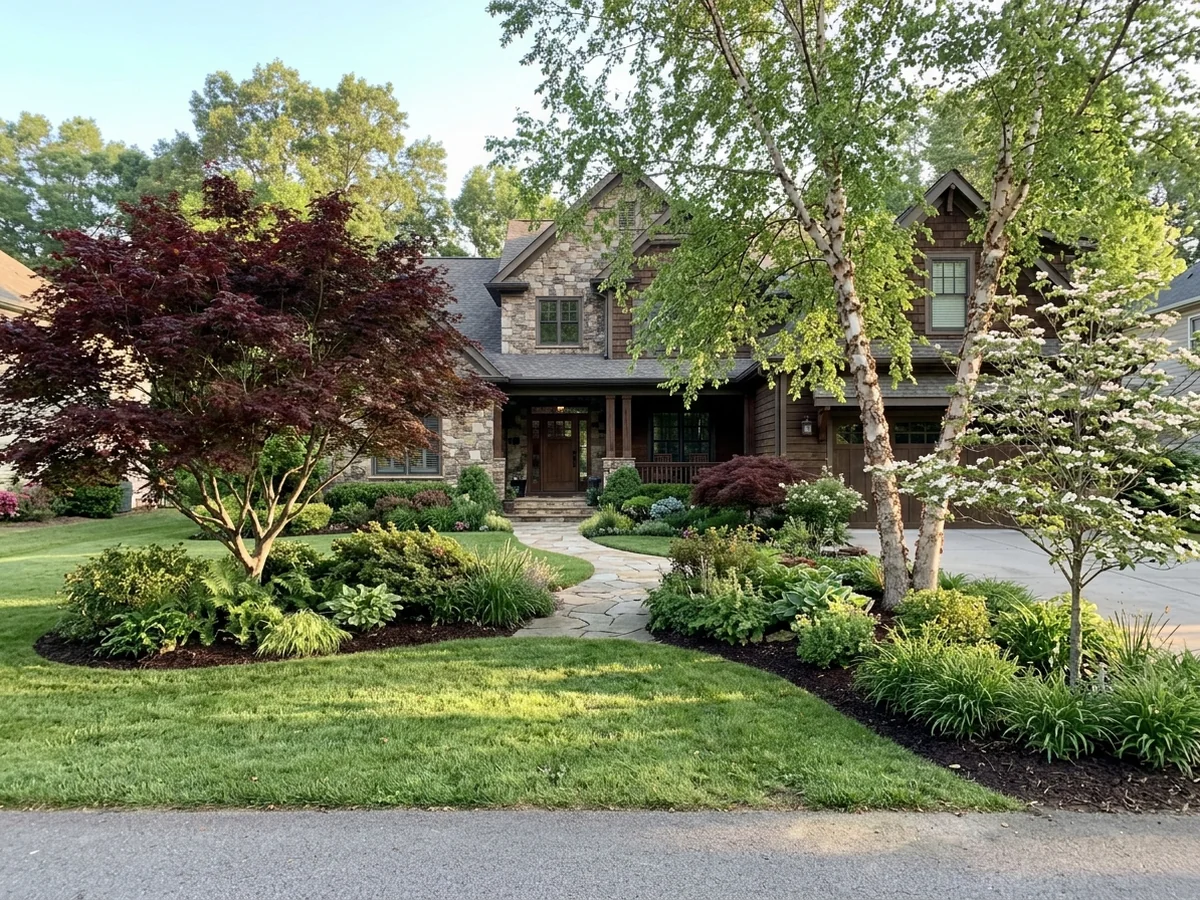
Selecting the right specimen involves balancing visual impact with the physical limitations of your space. The most successful ornamental trees for front gardens serve as natural focal points that anchor your landscape design without overwhelming the architecture of your home.
When selecting a centerpiece, prioritize varieties that offer seasonal interest, such as spring blossoms, vibrant summer foliage, or persistent winter berries. These characteristics draw the eye toward entryways or specific architectural features, creating a cohesive look that improves overall curb appeal.
If your space is limited, dwarf trees for front yards provide the same structural beauty as larger species while maintaining a manageable scale. These compact options prevent overcrowding, ensuring that your windows, pathways, and the greenery placed around your home exterior remain unobstructed as the plants mature.
Before planting, always investigate the mature height and spread of your chosen variety. A common mistake involves placing a young sapling too close to a house, driveway, or utility line, which leads to future maintenance challenges as the canopy expands.
Root growth is equally important to consider during the planning phase. Research how the root system behaves for the specific species you want, as vigorous roots can potentially disrupt hardscapes, plumbing, or building foundations if planted in the wrong location.
Consider these key factors to ensure your selection thrives:
- Check your local climate requirements using the USDA Plant Hardiness Zone Map to guarantee the variety can withstand your region’s temperature extremes.
- Evaluate the site for soil drainage and daily light exposure to ensure the environment supports healthy growth.
- Account for the eventual width of the tree to maintain proper airflow and prevent branches from rubbing against exterior walls.
Consulting with local nursery professionals or extension services can provide specific guidance on species that are native to your area. Native plants often require less intervention, as they are already adapted to local weather patterns and soil conditions, helping you maintain a beautiful, resilient landscape with minimal effort.
Arranging Trees and Plants
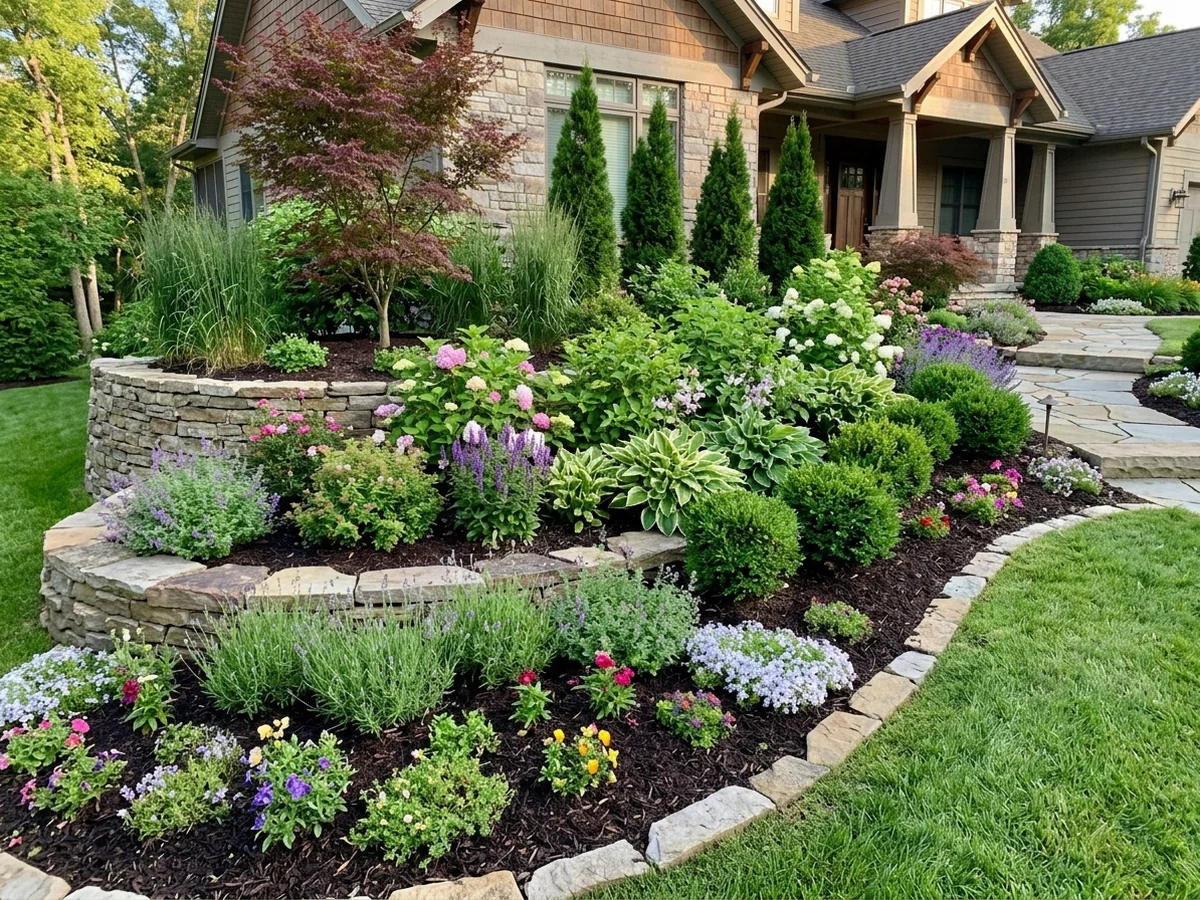
Effective arrangement relies on placing taller elements toward the back and shorter species in the foreground to create visual depth. When you design your front yard trees and plants, focus on framing the architecture of your house rather than hiding it.
Successful layout planning begins by observing the scale of your home. Tall shrubs or trees placed directly against the house should be chosen for their mature size to ensure they do not eventually crowd windows or obstruct gutters. Placing the largest plants at the corners of your home softens harsh lines and helps the building blend into the surrounding landscape.
Layering plants by height and color creates a professional look that guides the eye naturally toward the front door. Start with a backdrop of taller evergreens or ornamental trees, then add mid-height perennials, and finish with a border of low-growing flowers or groundcovers. Use color strategically by repeating a specific hue throughout these layers, which ties the various plant groups together into a cohesive display.
Maintaining clear pathways and entry visibility is essential for both function and safety. Keep walkways free of overhanging branches and thorny shrubs that could snag clothing or obstruct movement. You should keep windows clear and ensure that lighting fixtures remain visible to maintain security and keep the entrance welcoming.
- Use taller evergreens at building corners to anchor the visual weight.
- Place mid-sized shrubs under windows, keeping them pruned below the sill line.
- Fill the front-most layer with colorful perennials or seasonal flowers for texture.
- Select plants based on your local climate zone to ensure they thrive with minimal intervention.
- Ensure all pathways remain at least three feet wide to allow for comfortable access.
Always consider the mature size of your selections during the planning phase. Even small specimens can quickly overwhelm a space if they are not spaced correctly according to their growth habits. Proper spacing also improves air circulation and reduces the likelihood of disease, leading to a healthier and more manageable yard throughout the seasons.
Caring for Yard Plants
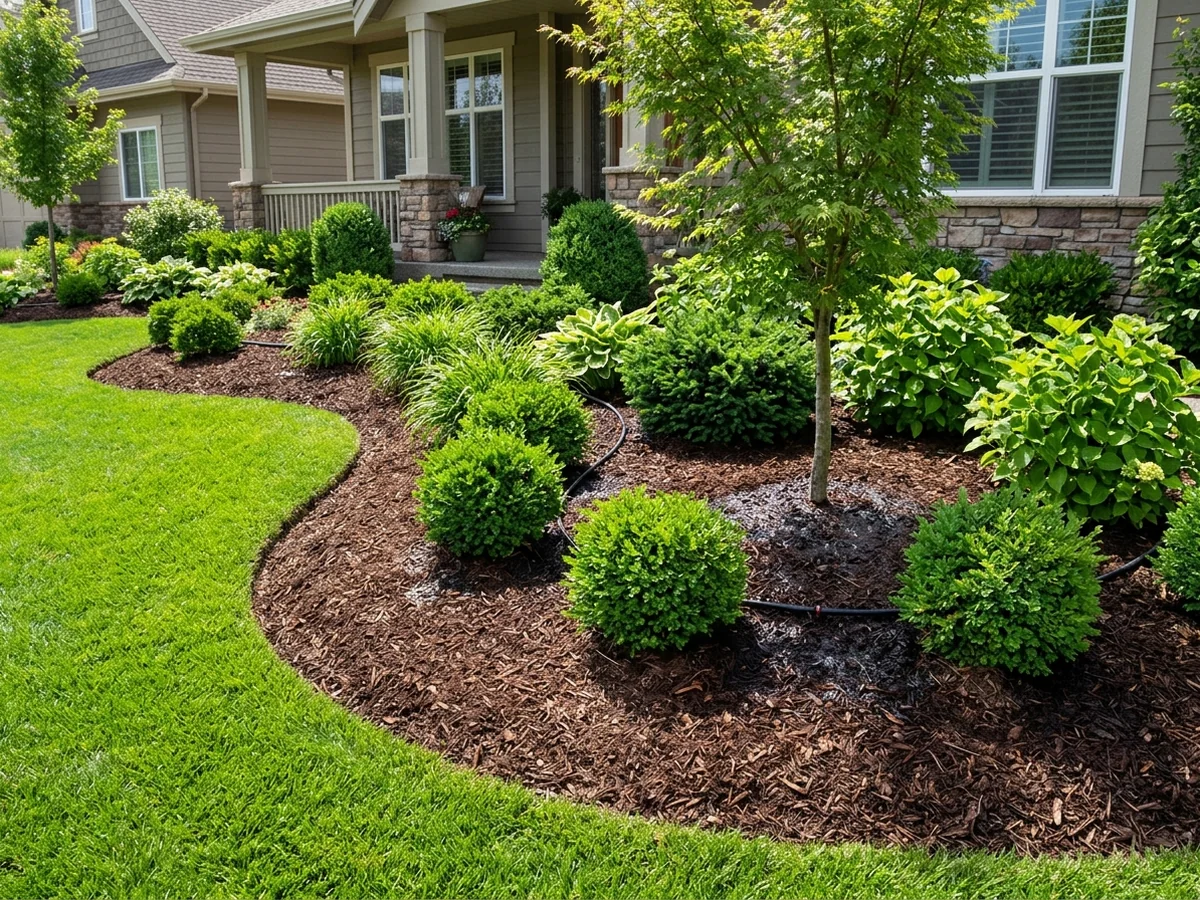
Proper maintenance ensures your greenery thrives by managing soil moisture and encouraging structural development. Consistent care routines keep the garden looking its best while supporting the long-term health of your chosen shrubs and trees.
Applying a layer of organic material around your vegetation serves as an effective way to regulate ground temperature and retain hydration. This protective cover suppresses weeds that compete for nutrients, while also improving the soil structure as it slowly breaks down over time. Keeping this layer at an appropriate depth allows for healthy root respiration without trapping excess moisture against the base of the stems.
New arrivals require more frequent attention because their root systems have not yet expanded into the surrounding earth. You should provide deep, thorough soakings to encourage roots to grow downward rather than staying near the surface. Once the vegetation is fully established, you can gradually reduce the frequency of watering based on local weather conditions and the specific needs of each species. Always check the soil moisture levels before adding more water to avoid over-saturation.
Pruning is a vital practice for maintaining the aesthetic appeal and vitality of your outdoor space. Use these guidelines to manage growth and encourage a robust form:
- Remove any dead, damaged, or diseased branches as soon as you spot them to prevent the spread of issues.
- Focus on thinning out crowded interior branches to improve air circulation and allow light to reach the center of the plant.
- Make your cuts just outside the branch collar, which is the swollen area where the limb meets the main trunk.
- Avoid removing more than a small fraction of the total foliage at one time to prevent stressing the specimen.
- Use sharp, clean tools for every cut to ensure the wounds heal quickly and cleanly.
- Consult a local guide, such as those provided by university extension offices, to determine the ideal season for pruning different varieties.
Avoid Common Planting Mistakes
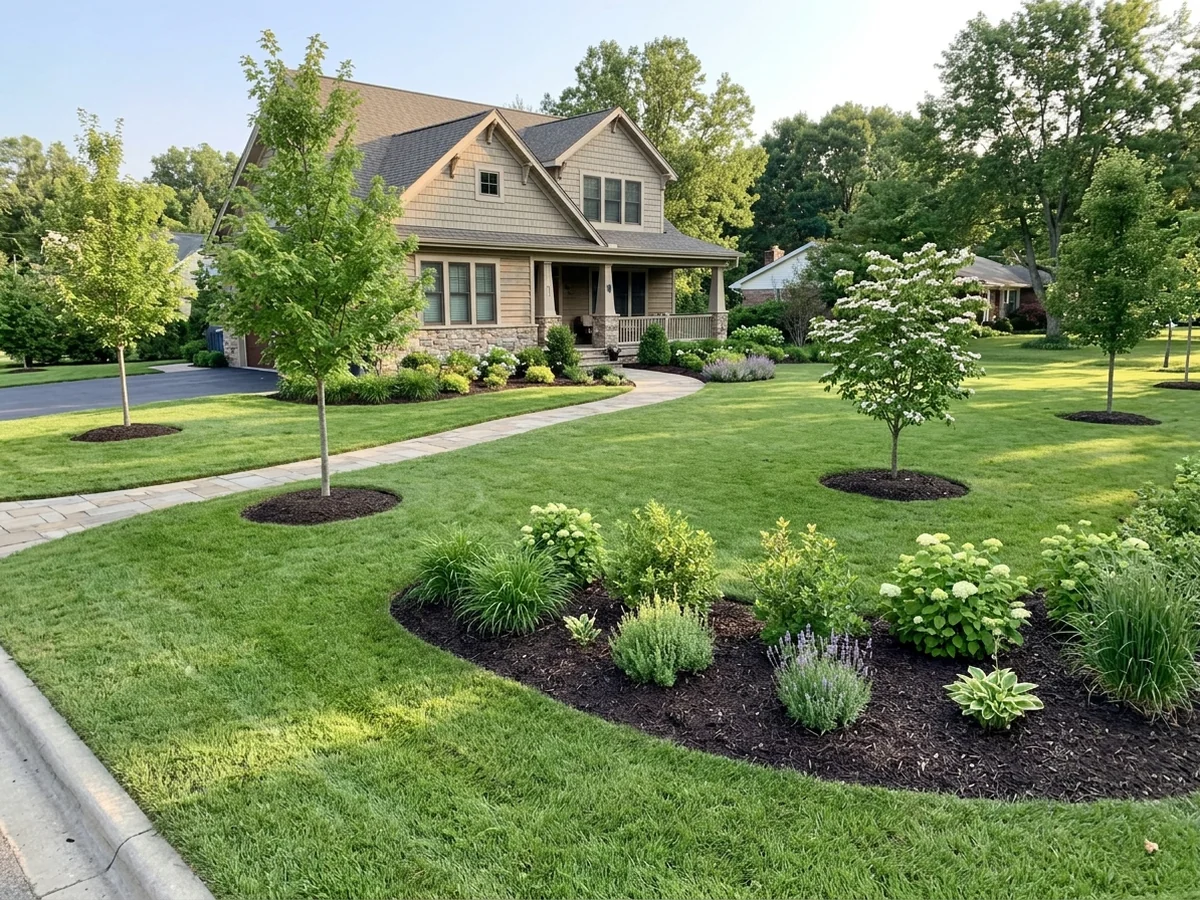
Preventing long term maintenance issues begins with selecting vegetation that fits your space at maturity. Many homeowners underestimate how much room greenery needs to thrive, leading to crowded beds and cramped exteriors.
Overplanting in small spaces is a frequent error that creates an overgrown appearance shortly after installation. When you place shrubs or flowers too close together, they compete for nutrients and sunlight. This density also limits airflow, which can encourage fungal diseases. Proper spacing allows each specimen to develop its natural shape without needing constant pruning to keep it within bounds.
Ignoring the future growth potential of your greenery often leads to expensive removals later. A sapling that looks perfect near a window today may eventually block natural light or interfere with roof lines and utility lines. Research the mature dimensions of any species before planting. Selecting dwarf trees for front yards is a smart way to enjoy vertical interest without compromising the structural integrity of your home.
Neglecting seasonal variation in your design results in a yard that looks dull for large parts of the year. Relying solely on summer bloomers creates a barren landscape during winter or late autumn. Incorporate a mix of vegetation to ensure year round visual appeal:
- Evergreens provide a consistent backdrop and structure during cold months.
- Perennials offer predictable growth cycles and reliable color each spring.
- Deciduous varieties introduce changing leaf colors and textures throughout the seasons.
- Native plants often adapt better to local climate shifts and require less intervention.
Consulting the USDA Plant Hardiness Zone Map helps you identify which species are likely to survive your specific regional climate. Aligning your choices with local conditions reduces the risk of plant failure and promotes a healthier, more resilient landscape. Thoughtful planning turns simple landscaping ideas for front yards into a cohesive, sustainable display that improves your property value over time.
Professional Landscaping Services
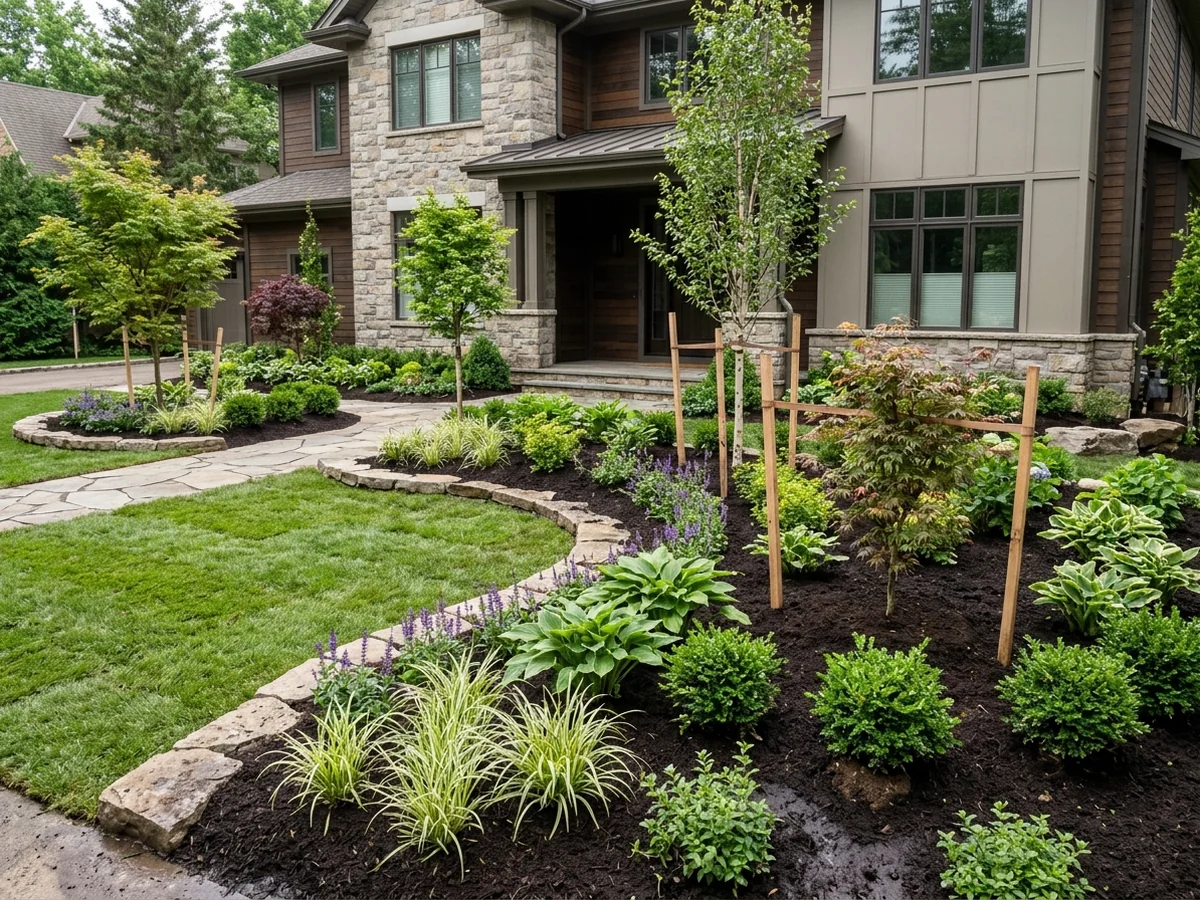
Engaging a professional for your exterior improvements ensures that underlying environmental challenges, such as poor soil drainage or heavy clay compositions, are addressed effectively before planting begins. Experts often perform soil testing to determine if amendments are necessary to support the long-term health of your chosen greenery.
When planning large-scale installations, such as planting mature specimens or major structural changes, professional guidance helps prevent common pitfalls. Experienced teams manage the logistics of moving heavy root balls and ensure that your new additions are positioned to thrive without damaging existing infrastructure or foundation lines. This methodical approach protects your investment and preserves the integrity of your property.
You may consider seeking advice from the American Horticultural Society when you require reliable, research-backed information on regional gardening practices. Their resources can be particularly helpful if you want to understand how specific species perform within your local climate or if you are exploring the benefits of native varieties. Consulting with such organizations is a wise step for homeowners who want to align their design choices with environmental stewardship and sustainable maintenance habits.
- Assess soil conditions for proper aeration and drainage before digging.
- Coordinate with local utility services to avoid underground pipes and wires.
- Prioritize native species that naturally resist local pests and climate stressors.
- Consult professional arborists for the placement of tall or heavy specimen trees.
- Utilize expert guidance to select vegetation that suits your specific USDA Plant Hardiness Zone.
FAQ
How do I choose the right front yard trees and plants for my home?
Check the USDA Plant Hardiness Zone Map to identify which species will survive your local climate conditions. Selecting plants that match your specific sunlight exposure and soil drainage is essential for long-term health and curb appeal.
What are the best low maintenance front yard plants for busy homeowners?
Native plants are typically the best choice because they are already adapted to your region’s rainfall and temperature patterns. Incorporating evergreens or hardy perennials into your plan for the area directly against your home can also reduce the need for constant trimming and replanting.
Can I plant ornamental trees for front gardens if I have limited space?
Yes, many gardeners successfully use smaller tree varieties to provide height without overcrowding the entryway or blocking windows. Always research the mature size of any tree before planting to ensure it has enough room to grow safely away from your house foundation.
How does soil quality impact my plans for improving the front of my home?
Healthy soil with proper drainage prevents root rot and ensures your plants receive the nutrients they need to thrive. If your soil is heavy or compacted, adding organic matter like compost or mulch can improve its texture and help retain moisture throughout the growing season.
Where should I place foundation plantings to improve my home’s appearance?
Place taller shrubs and trees toward the corners of the house to frame the structure and soften sharp edges. Keep lower plants near walkways and entrances so they do not obstruct views or create a sense of clutter near your front door.
Conclusion
The most important step before starting your project is checking the USDA Plant Hardiness Zone Map to ensure your selected varieties will thrive in your specific climate. Once you identify your zone, sketch a basic layout to visualize how your chosen front yard trees and plants will interact with your home architecture and local soil conditions. This planning phase helps you create a cohesive design that remains healthy and beautiful throughout the seasons.
You might also like: 10 Front Porch Lighting Ideas for a Warm and Welcoming Entry