10 Budget front yard landscaping ideas
Introduction
You can improve your home exterior and boost curb appeal on a budget by focusing on strategic planting and DIY projects. These budget front yard landscaping ideas provide practical ways to refresh your outdoor space without significant financial investment.
This article covers actionable methods for updating your front yard through cost effective material choices and efficient design techniques. You will learn how to select plants suited to your environment, implement simple hardscaping, and maintain your garden using sustainable practices that save money over time. By following these approaches, you can create a welcoming and well-kept yard that balances aesthetic appeal with long term affordability.
Planning and scoping affordable exterior improvements
Defining the scope of a front yard project requires balancing immediate visual goals with the reality of future upkeep. By focusing on high impact, low effort changes, you can achieve curb appeal on a budget without overextending your resources. The most effective approach involves breaking down your yard into manageable zones rather than attempting a complete renovation at once.
Successful planning prevents wasted expenditure by helping you avoid impulse purchases and costly mid-project corrections. Before buying materials, measure your space and create a simple diagram to visualize how different elements will interact. This preparation ensures that every dollar spent serves a clear purpose, whether it is improving drainage, adding texture, or creating a cohesive look for your budget front yard landscaping ideas.
Assessing site conditions and soil health
Before selecting any plants or laying down supplies, you need to understand the physical traits of your land. Observe how sunlight hits different corners of your property throughout the day, and check how quickly water drains after a heavy rain. Testing your soil before adding amendments helps avoid purchasing unnecessary products that your garden might not even need. Knowing these environmental factors allows you to choose low maintenance front yard design elements that naturally thrive in your specific yard conditions.
Selecting durable and cost effective supplies
Material selection dictates both your initial out-of-pocket expenses and your long term upkeep labor. Homeowners often look for inexpensive landscaping materials to keep costs down while still achieving a polished finish. Researching local options and comparing prices for bulk purchases can significantly reduce project totals. To ensure your investment yields visual charm while keeping costs low, prioritize supplies that offer lasting durability against local weather patterns without demanding constant repair.
Balancing upfront costs with long term savings
Long term maintenance savings are often found by selecting materials and plants that thrive in your local environment. Integrating these strategies helps reduce ongoing costs associated with water, fertilizer, and labor:
- Prioritize perennials over annuals to minimize the need for yearly replanting.
- Select ground covers that act as a living barrier to suppress weeds naturally.
- Use permeable materials for pathways to manage stormwater runoff efficiently.
- Incorporate vegetation that is well suited to your regional climate.
- Test your soil before adding amendments to avoid purchasing unnecessary products.
Drought tolerant landscaping is a practical way to lower water bills while maintaining a tidy exterior. When you match your design choices to the specific conditions of your site, such as sun exposure and soil type, your yard becomes more resilient. This careful alignment reduces the need for expensive interventions later on, ensuring your investment pays off in both time and money saved.
Thoughtful design choices also contribute to safety and property value. By following local guidelines and selecting durable supplies, you create a foundation that lasts. Whether you are installing simple pathways or refreshing your garden beds, a clear plan acts as a roadmap to keep you focused on your goals. This methodical process ensures that your front yard remains a welcoming space that is easy to manage throughout the changing seasons.
Budget-Friendly Layout Planning
You can effectively manage your renovation costs and improve your home exterior appearance while keeping expenses low by evaluating the existing features of your yard before starting any demolition work. Removing established structures or mature plants often requires expensive equipment or professional labor, which can quickly drain your project funds. Instead of clearing everything, identify elements like healthy trees, functional walkways, or existing fences that can be integrated into your new design. Preserving these assets saves money and provides a mature foundation for your updated space.
Evaluating Functional Zones
Organizing your property into specific functional zones helps maintain focus and prevents overspending on unnecessary decorative features. By determining exactly how you want to use different areas, such as a welcoming entryway, a low maintenance planting bed, or a small seating nook, you can prioritize spending where it makes the most impact. This structured approach ensures that every dollar serves a clear purpose rather than getting lost in disjointed or overly complex design choices.
Mapping Out Dimensions
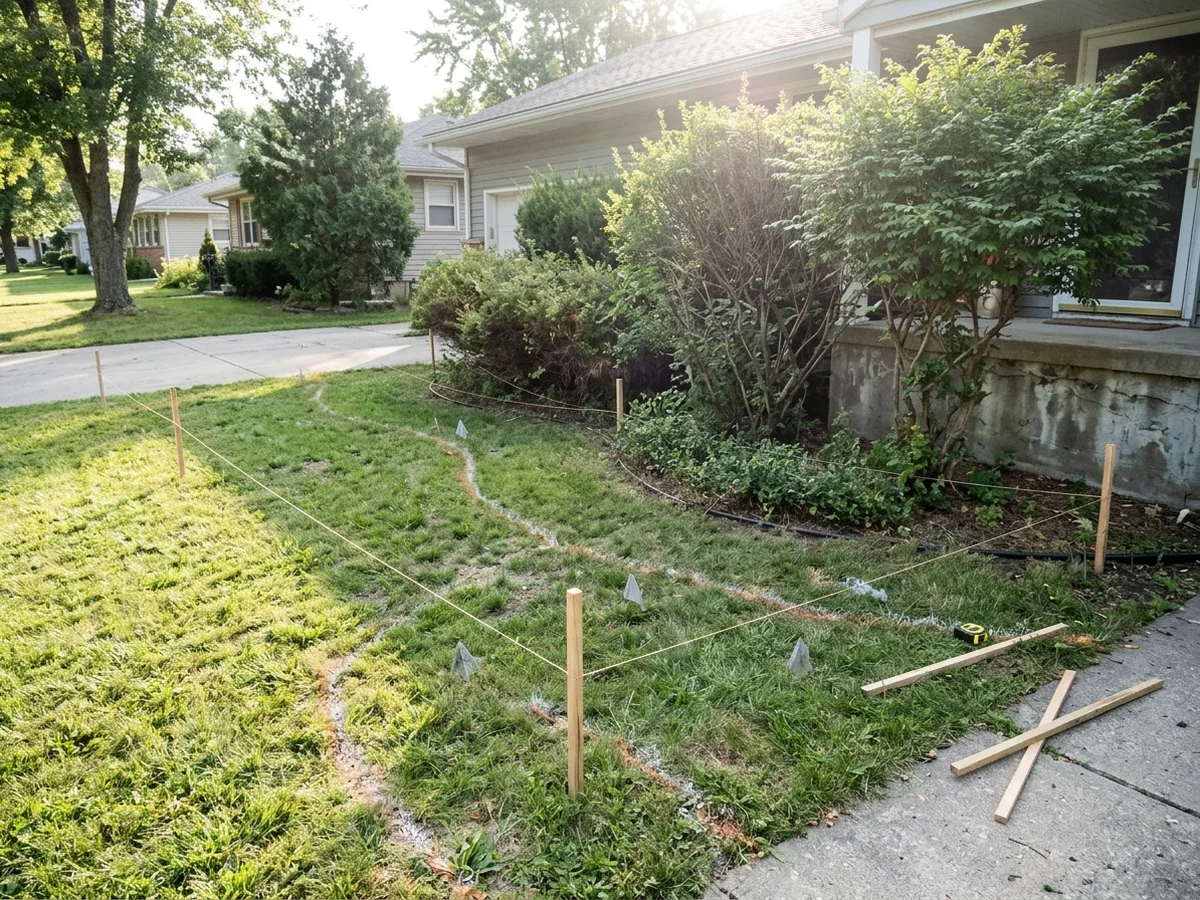
Creating simple sketches of your front yard allows you to visualize your goals and prevents costly material miscalculations during the purchasing phase. You do not need professional drafting skills to map out the dimensions of your flower beds, pathways, and lawn areas. By sketching your plan to scale, you can accurately measure the square footage required for materials like stone, mulch, or ground cover plants. This foresight helps you order exactly what you need, minimizing waste and avoiding the expense of extra trips to the store for missing supplies.
- Measure your lawn space carefully to avoid buying too much sod or seed.
- Stake out the perimeter of new garden beds to see how they affect foot traffic.
- Group plants with similar water needs together to simplify your future irrigation setup.
- Check the slope of your ground during the planning phase to avoid drainage issues.
Selecting Inexpensive Landscaping Materials
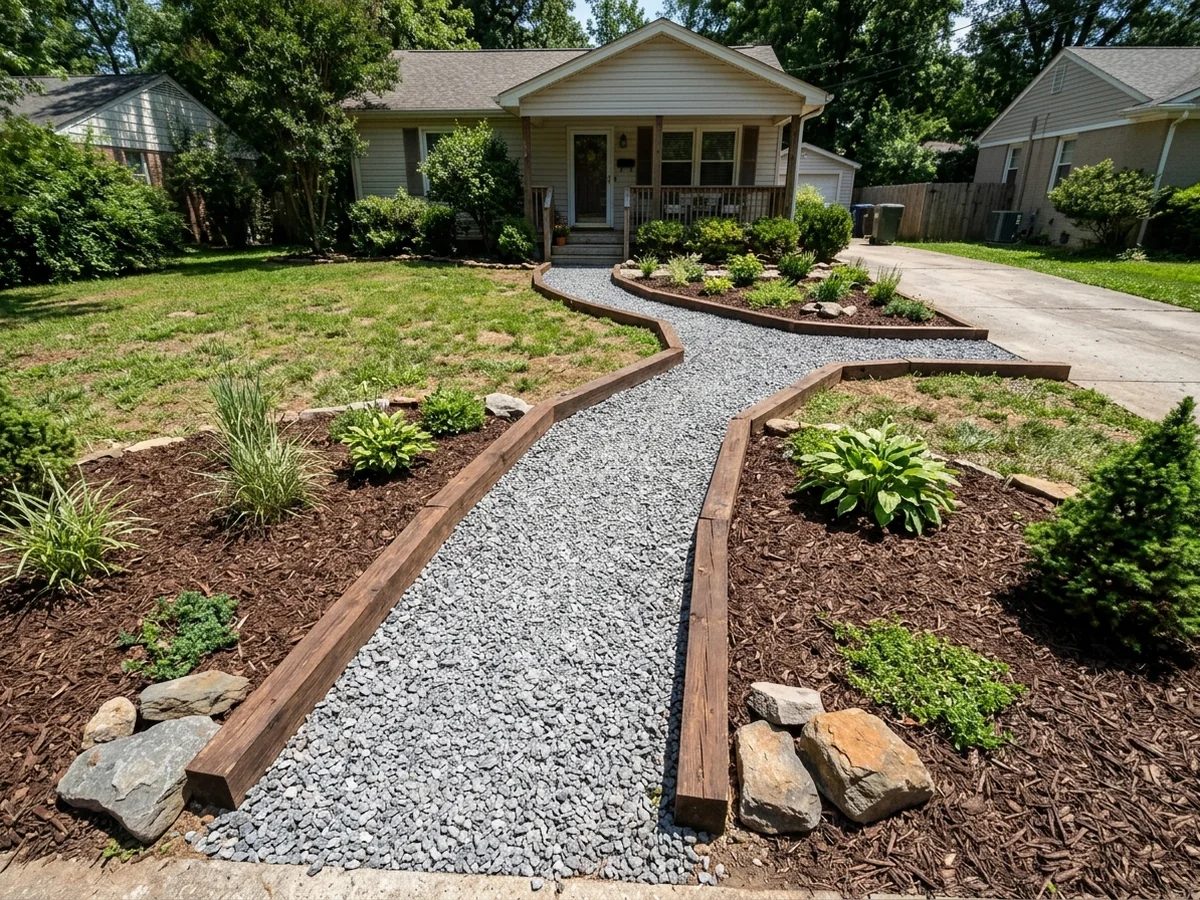
Keeping costs low during a DIY front yard makeover often comes down to choosing the right materials for paths and borders. Opting for affordable supplies like gravel or wood chips can significantly cut expenses when compared to extensive masonry work. Careful layout planning combined with smart material selection makes a low maintenance front yard design achievable for homeowners working with strict financial limits.
Selecting Cost Effective Plants
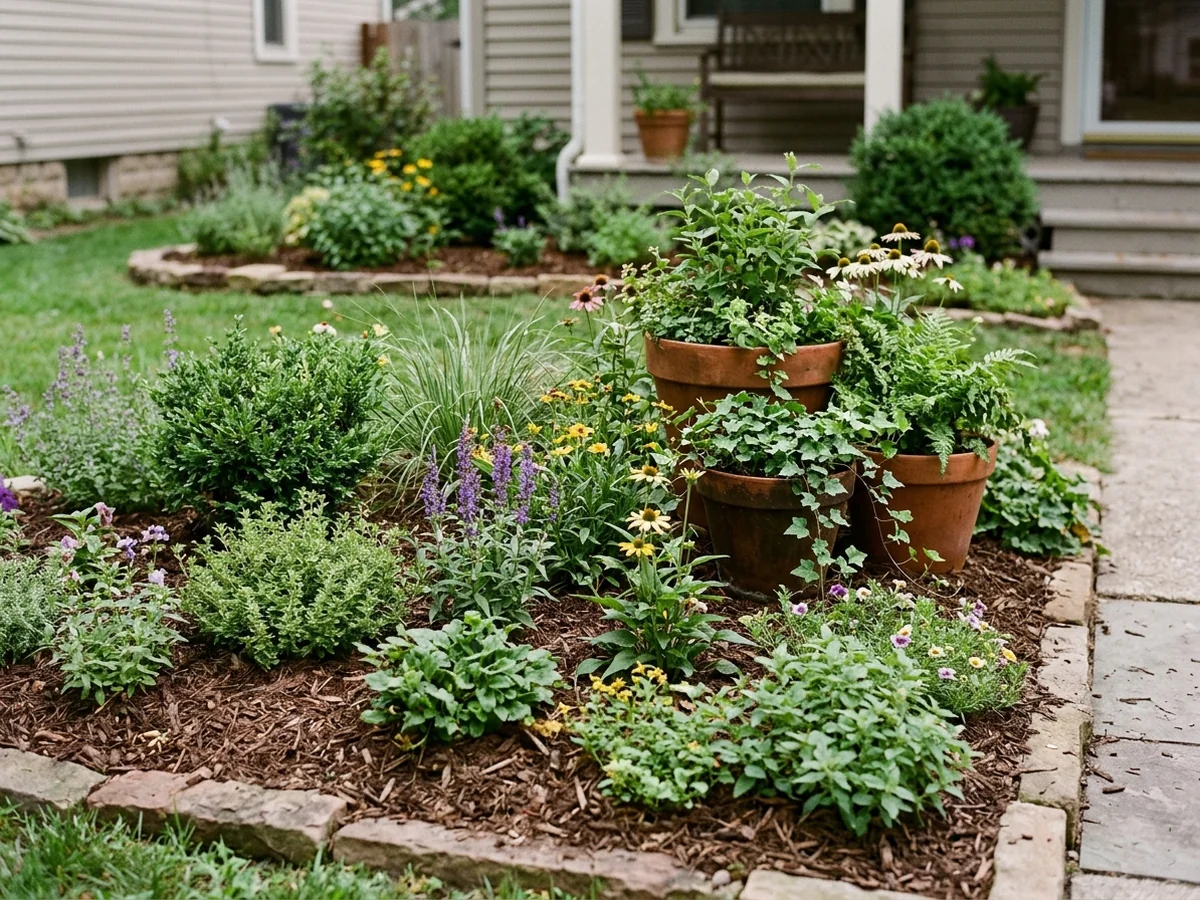
You can achieve a professional look while spending less by choosing flora that thrives in your specific climate and by maximizing the greenery you already own. Careful planning prevents the cycle of purchasing new plants each season, which keeps your overall costs manageable.
Consulting the USDA Plant Hardiness Zone Map is an essential step to ensure your plant selections are suited for your regional temperature extremes. Matching your choices to your specific zone increases the likelihood of long term survival, which avoids the financial strain of replacing dead specimens. Many local university extension offices also offer lists of regional flora that are well adapted to your area, helping you build a resilient landscape that requires less intervention.
Focusing on perennials allows you to build a foundation that grows stronger over time rather than needing a total refresh every year. By prioritizing these varieties, you invest in growth that returns season after season, which often serves as a smart strategy for those pursuing drought tolerant landscaping. While annuals provide quick color, perennials offer better long term value for your investment.
You can also expand your garden space without spending money by propagating your existing greenery. Many common garden plants can be divided or started from cuttings, allowing you to multiply your collection for free. This approach is highly effective for filling in empty patches or creating a cohesive look throughout your yard. Consider these practical methods for building a sustainable and attractive landscape:
- Check the USDA Plant Hardiness Zone Map before buying to ensure your selections match local conditions.
- Prioritize perennials to create a stable foundation that persists through multiple seasons.
- Divide mature clumps of ornamental grasses or hostas to create new starter plants for other areas of your yard.
- Look for propagation techniques specific to your shrubs and ground covers to expand your garden at no cost.
- Select a variety of bloom times among your chosen perennials to maintain interest without needing annual replacements.
- Use local university extension resources to identify which plants perform best in your specific soil and rainfall patterns.
Inexpensive Landscaping Materials

Choosing the right base materials helps homeowners manage costs while building durable, functional outdoor spaces. When selecting budget front yard landscaping ideas, consider how different surfaces impact your long-term maintenance and environmental footprint.
Gravel offers a permanent surface that does not require the annual replacement typical of organic mulch. While gravel remains in place for years, organic mulch decomposes and needs regular replenishment to maintain its appearance and soil coverage. Organic materials can eventually improve soil quality as they break down, whereas gravel remains inert. Choosing between these options often depends on whether you prioritize long-term labor reduction or gradual soil enhancement.
| Material | Longevity | Maintenance | Soil Impact |
|---|---|---|---|
| Gravel | High | Low | None |
| Organic Mulch | Low | High | Improves |
For paths and hardscaping, look for recycled or local options to keep expenses down. Many landscape supply yards offer crushed brick, recycled concrete, or local stone that costs significantly less than imported decorative pavers. Checking local classifieds or construction sites for leftover pavers or bricks can also yield high-quality supplies at little to no cost. Using these salvaged items adds character to your yard while diverting waste from landfills.
Incorporating permeable surfaces is another effective strategy for managing stormwater runoff on your property. By using gravel, porous pavers, or open-grid systems instead of solid concrete, you allow rainwater to soak directly into the ground. This practice reduces the volume of water flowing into storm drains and helps replenish local groundwater supplies. Permeable pathways are generally easier for DIYers to install since they often require less intensive grading and foundation work than traditional non-porous surfaces. These budget-friendly landscaping supplies serve both aesthetic and functional goals, creating a more sustainable front yard.
DIY Installation to Save Money

You can significantly lower the cost of your exterior transformation by performing your own site analysis and labor. Tackling these tasks yourself allows you to allocate funds toward higher quality plantings or hardscaping materials while ensuring the work meets your specific vision.
Start by performing soil testing to optimize plant health and reduce fertilizer usage. Local university extension offices often provide inexpensive kits that reveal the nutrient levels and pH balance of your ground. Knowing exactly what your soil needs prevents the unnecessary purchase of chemicals that your plants may not even require. This simple step ensures you only buy what is essential for growth, which is a hallmark of a smart DIY front yard makeover.
Always prioritize safety protocols for grading and digging to avoid costly and dangerous mistakes. Before you break ground, contact your local utility location service to ensure you do not strike buried gas, water, or electrical lines. When altering the slope of your land to manage drainage, keep the grade directed away from your home foundation to prevent moisture issues. Proper preparation protects your property value and keeps your project within your intended scope.
Installing basic garden borders using repurposed materials is an effective way to define your space without buying new stone or plastic edging. You can use reclaimed bricks, smooth river stones found on your property, or salvaged timber to create clean lines between your lawn and planting beds. These natural materials provide a rustic, intentional look that enhances the exterior appearance of your home affordably. Using what you already have or finding discarded items from local renovation projects keeps your expenses low while adding unique character to your property.
- Test your soil to determine specific nutrient needs before adding amendments.
- Call professional utility locators before starting any excavation or grading work.
- Slope the ground away from your house to improve drainage and protect foundations.
- Use salvaged bricks or stones to create durable, free garden bed borders.
- Check local community exchange groups for leftover landscaping materials.
Reducing Ongoing Maintenance Costs
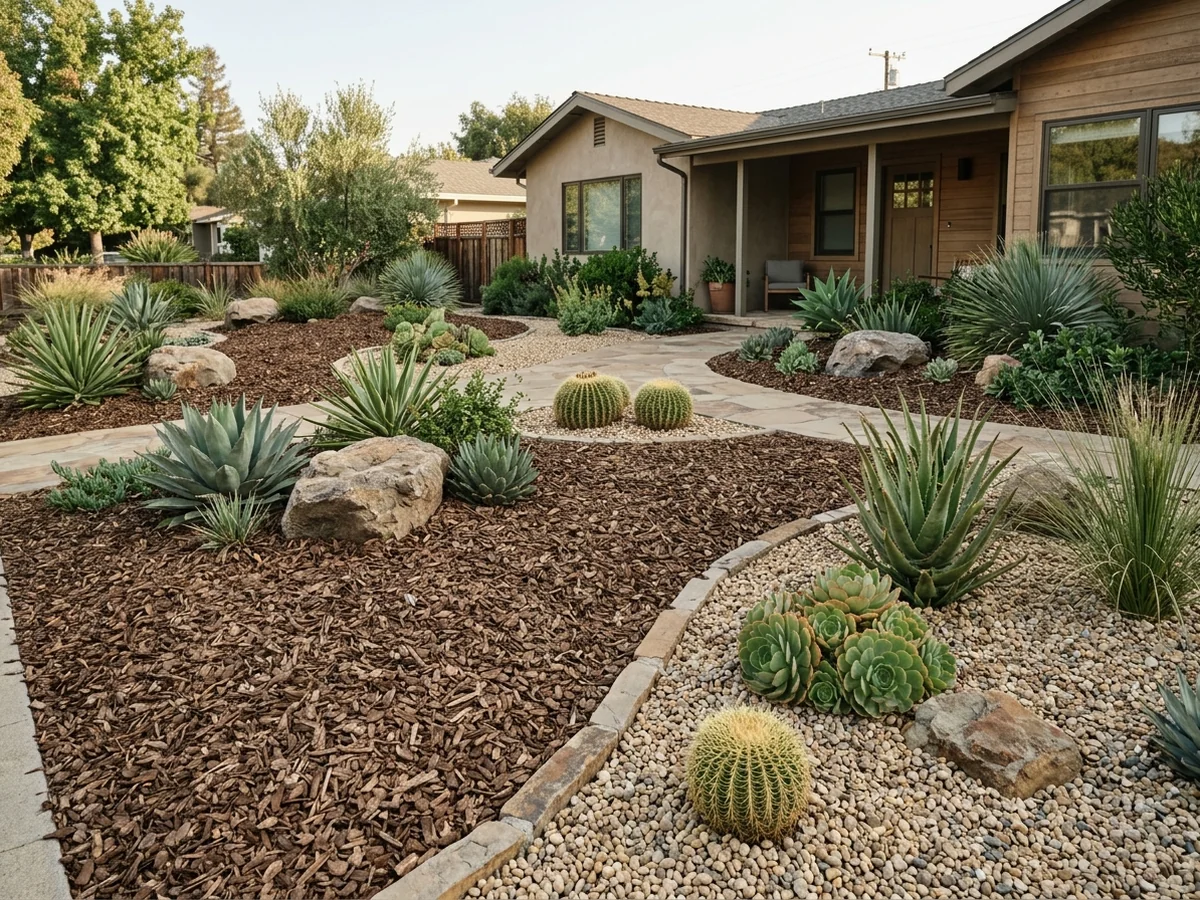
Lowering long term yard care expenses requires practical strategies that cut down on water use, manual weeding, and purchased soil additives. When planning budget front yard landscaping ideas, implementing efficient watering habits and natural soil enrichment techniques keeps your exterior looking polished while saving you time and money. Focusing on low maintenance front yard design principles prevents the common mistake of overcomplicating your layout with high upkeep features.
Establishing proper water management relies on following official guidelines from EPA WaterSense to configure your watering zones correctly. Adjusting your irrigation schedule according to seasonal weather patterns prevents waste and protects your financial investment in outdoor presentation. A frequent error homeowners make is running automatic timers year round without adjusting for local rainfall.
- Integrating efficient watering practices helps lower monthly utility bills while keeping your plants healthy and vibrant.
- Choosing dense low growing plants to cover bare soil creates a living barrier that naturally blocks unwanted weed growth without synthetic weed fabrics.
- Recycling yard trimmings into your own backyard compost pile provides a steady supply of free nutrients to enrich your garden soil.
- Designing a low maintenance front yard layout minimizes the hours spent on routine upkeep, pruning, and seasonal replanting.
- Turning organic waste into rich compost reduces the need to buy commercial fertilizers at the store, supporting a sustainable DIY front yard makeover.
Planting low growing species across your garden beds serves as a living shield against invasive weeds. This natural approach reduces the need to purchase heavy synthetic weed barriers or bags of wood chips every single season. A common misstep is leaving bare patches of dirt exposed to the sun, which encourages weed seeds to germinate rapidly.
Gathering fallen leaves, grass clippings, and plant debris into a backyard compost bin transforms waste into valuable plant food. This closed loop system nourishes your soil naturally without requiring frequent trips to the garden center for bagged amendments. To avoid slow decomposition, remember to alternate layers of dry carbon rich materials with green nitrogen rich clippings, and turn the pile regularly to aerate the mixture.
Avoid Costly Landscaping Mistakes
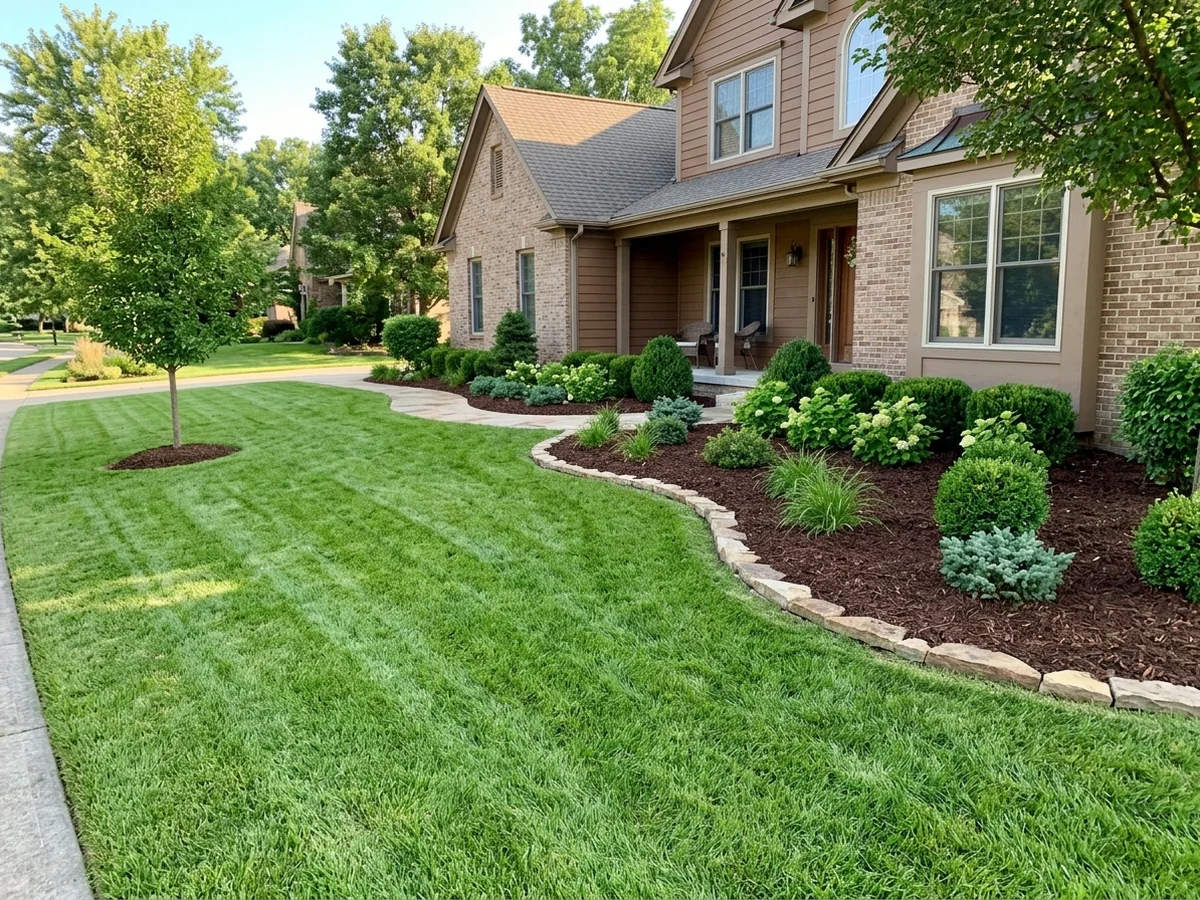
Preventing expensive errors during any affordable exterior project involves paying close attention to plant sizing, ground grading, and regional climate needs. Fixing poor planning later often costs significantly more than doing the work right the first time around. When planning budget front yard landscaping ideas, rushing into a project without a clear strategy usually leads to wasted money on replacements and repairs.
Ignoring Sizing and Spacing Guidelines
Crowding planting beds with too many young shrubs often leads to severe overcrowding as those specimens reach their mature size. Plants crammed too close together will compete for nutrients and light, forcing property owners to prune constantly or remove dead specimens prematurely. Checking plant tags for full growth dimensions before buying saves money and prevents messy visual clutter. Homeowners working on a simple yard layout with fewer upkeep needs benefit greatly by mapping out mature canopy widths ahead of time so shrubs never block pathways or window views.
Failing to Address Drainage and Soil Chemistry
Ignoring proper site preparation and soil grading frequently results in standing water and serious drainage issues near your home foundation. Water pooling against exterior walls can cause structural damage or basement leaks that require costly professional remediation. Shaping the soil to slope away from the property before installing any new features protects your investment and prevents long term structural headaches. Another common misstep involves skipping soil testing before adding fertilizers or amendments. Without knowing your soil chemistry, you might spend money on unneeded products or harm your plants. Taking time to test the earth first ensures you only purchase what is truly necessary for healthy growth.
Overlooking Climate and Water Requirements
Selecting imported plants that demand excessive water can quickly inflate monthly utility bills and lead to high replacement costs if specimens fail to thrive in local conditions. Choosing regionally appropriate flora keeps maintenance simple and supports long term garden health without constant human intervention. Matching your choices to local climate conditions ensures your exterior stays vibrant through every season. Relying on water conservation strategies for outdoor spaces helps property managers improve their property appearance economically while keeping water usage manageable during dry summer months.
FAQ
How can I improve curb appeal without professional help?
Enhancing your home exterior independently starts with manageable weekend tasks. Focus on spreading fresh mulch around garden beds, clearing walkways of debris, and adding colorful container plants near the front entry. Tackling a project like this by yourself saves labor costs and lets you upgrade your entrance at your own pace. A common mistake is trying to overhaul the entire yard at once, which often leads to burnout. Instead, concentrate on one specific area, such as the walkway or the main porch border, before moving on to other sections.
What are the cheapest materials for front yard paths?
Utilizing basic landscaping materials such as crushed stone, gravel, or wood chips provides an affordable way to establish functional walkways. These options typically cost significantly less than poured concrete or natural flagstone while creating clean boundaries. When installing these materials, remember to lay down a solid weed barrier fabric underneath to reduce future maintenance. Skipping this step is a frequent error that results in persistent weed growth and frequent material replenishment.
Which plants are best for low maintenance yards?
Choosing hardy plants that adapt easily to local conditions helps reduce ongoing yard upkeep. Focusing on regional flora keeps your entrance area vibrant throughout the changing seasons. To avoid common planting mistakes, always check local growing guidelines before purchasing greenery. Grouping plants with similar sunlight and moisture requirements also prevents overwatering or dry spots, keeping your garden healthy with minimal effort.
How do I create a budget friendly garden design?
Designing an attractive outdoor space on a tight budget begins with a clear plan drawn on paper before buying supplies. This simple step prevents expensive impulse purchases and keeps your project focused. Another practical strategy is grouping plants according to their water needs to keep utility expenses low. A frequent mistake is buying mature, full-grown plants from nurseries, which carry a much higher price tag than younger starter plants or seeds that establish themselves over time.
Conclusion
The main decision point for any exterior home project is choosing whether to hire professionals or tackle the work yourself. Homeowners can easily test these budget front yard landscaping ideas by starting with one small flower bed or pathway upgrade. Taking that first simple step transforms your exterior without overwhelming your schedule or your wallet.
You might also like: 10 Vegetable Garden Ideas