How to Fit a Coffee Seating Area on a Very Narrow Balcony
To fit a coffee seating area on a very narrow balcony, you require a minimum width of 30 to 36 inches to allow for a bistro chair and a slim profile table. Maintaining a clearance of at least 18 inches for egress is essential for safety and comfort in tight urban footprints. By prioritizing vertical storage, wall-mounted surfaces, and foldable furniture, you transform restricted outdoor square footage into a functional morning retreat.
These specific spatial constraints dictate a minimalist approach where every square inch serves a deliberate purpose. You gain a private sanctuary by adhering to these strict dimensional requirements and modular design principles.
Assessing Your Balcony Layout
Before purchasing furniture, you must measure the exact depth and width of your usable floor space. Ignore the total square footage and focus exclusively on the distance between the building wall and the outer railing. A balcony depth of less than 24 inches typically requires custom-built, wall-mounted solutions rather than freestanding furniture.
Check for obstructions such as door swings, protruding light fixtures, or drainage pipes that consume precious clearance. If your balcony door swings outward, you must account for that arc in your layout plan. Mark these “dead zones” with painter’s tape on the floor to visualize exactly where you can safely place seating.
Consider the location of the power outlet or light switch if you plan on adding task lighting for early morning use. Avoid placing furniture in front of these utility points to ensure you don’t block access for maintenance or daily operation. Proper planning at this stage prevents the common mistake of buying oversized bistro sets that render the balcony unusable.
Selecting Space-Saving Furniture
Standard patio sets are almost always too bulky for narrow balconies. Look specifically for “bistro” or “balcony” designated pieces that feature slim-line metal or wood frames. A folding bistro chair typically requires a footprint of 16 by 16 inches when in use.
Prioritize pieces that fold completely flat against the wall when not in use. This allows you to regain the full width of the balcony for cleaning or passing through. Materials like powder-coated steel or weather-resistant teak offer durability without adding unnecessary visual weight to a small space.
Avoid chairs with wide, flared armrests that catch on clothing or obstruct movement. A backless stool or a slim-profile chair with vertical slats creates an illusion of openness. You want furniture that feels light and airy to prevent the area from appearing cluttered or cramped.
Wall-Mounted Surfaces
When floor space is at a premium, moving your table surface to the wall is the most effective strategy. A wall-mounted drop-leaf table provides a sturdy platform for your coffee cup without requiring permanent floor legs. You can install these at a standard table height of 28 to 30 inches to match your chosen seating.
Ensure your mounting hardware is appropriate for the wall material, whether it is brick, concrete, or siding. Use heavy-duty anchors to prevent the table from sagging under the weight of coffee equipment or heavy mugs. A table depth of 12 to 14 inches is usually sufficient for a morning coffee setup while leaving enough room for a person to sit comfortably.
Consider a semi-circular table design to eliminate sharp corners that you might bump into. This shape directs foot traffic around the table edge more smoothly. If you have a long, narrow balcony, you might even install a narrow bar-style shelf that runs the entire length of the railing.
Maximizing Vertical Space
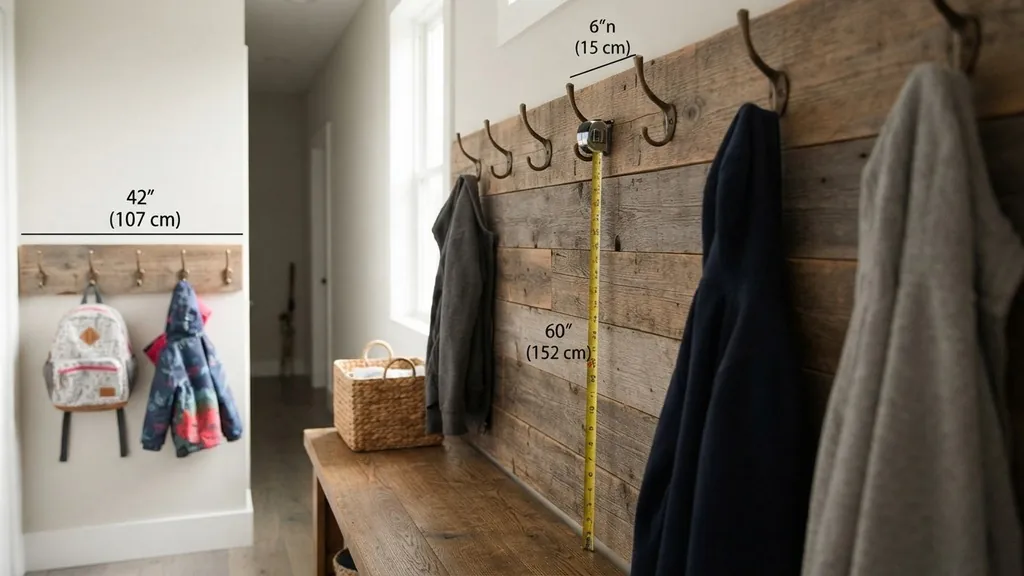
Since you cannot spread out horizontally, you must look upward to incorporate greenery or storage. Install wall-mounted planters or a vertical trellis to add texture and privacy without sacrificing floor area. A vertical garden creates a lush backdrop that makes the narrow space feel like a deliberate design choice rather than an afterthought.
Use magnetic hooks or wall-mounted rails to hang small tools or decorative items. Keeping the floor clear of clutter is the golden rule for small balcony design. By lifting items off the ground, you make the balcony easier to clean and navigate during your daily routine.
Think about installing a retractable awning or a simple sun shade to manage heat and light. These elements provide comfort during the summer months without the footprint of a heavy patio umbrella base. A slim profile shade keeps the space feeling open while protecting you from direct morning glare.
Safety and Clearance Standards
Adhering to safety standards is non-negotiable, especially on elevated structures. You must maintain a clear, unobstructed path to the balcony door at all times. The National Fire Protection Association guidelines emphasize the importance of clear exit paths in residential structures to prevent entrapment.
Never bolt furniture directly to the railing if it compromises the structural integrity of the balcony guardrail. Always ensure that your seating arrangement does not encourage children or pets to climb near the railing. Use heavy-duty, non-permanent mounting systems for any furniture attached to the building structure.
Check your local building codes regarding the height and spacing of balcony railings. If your furniture could potentially serve as a ladder, you must relocate it away from the guardrail. Safety remains the top priority in any outdoor design project, regardless of the size of the space.
| Furniture Type | Minimum Depth Required | Best Usage |
|---|---|---|
| Folding Bistro Chair | 16 inches | Occasional morning coffee |
| Wall-Mounted Table | 12 inches | Small surface for drinks |
| Slim Bar Stool | 14 inches | Height-appropriate seating |
| Bench Seating | 18 inches | Long, narrow wall placement |
Lighting and Ambiance
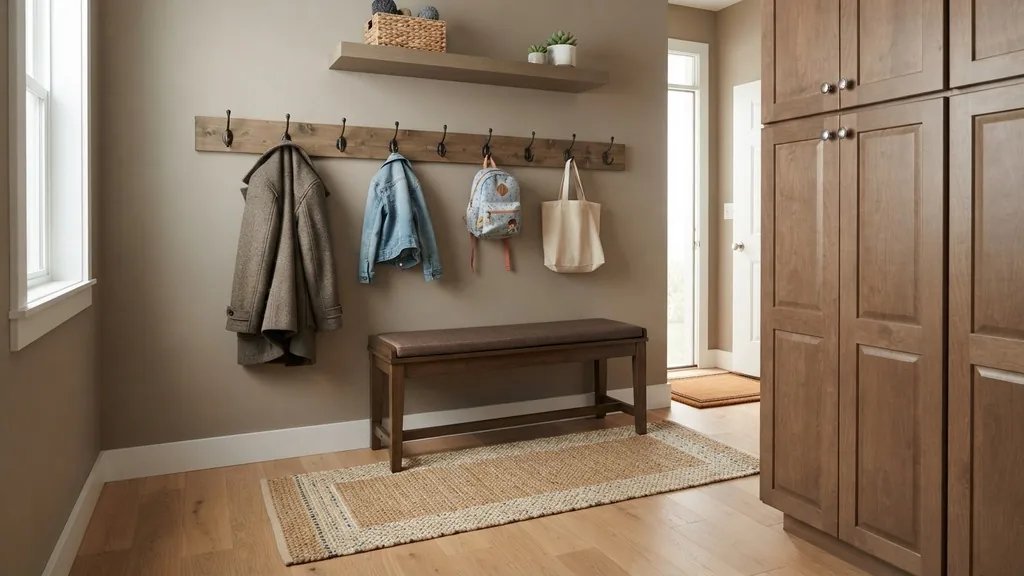
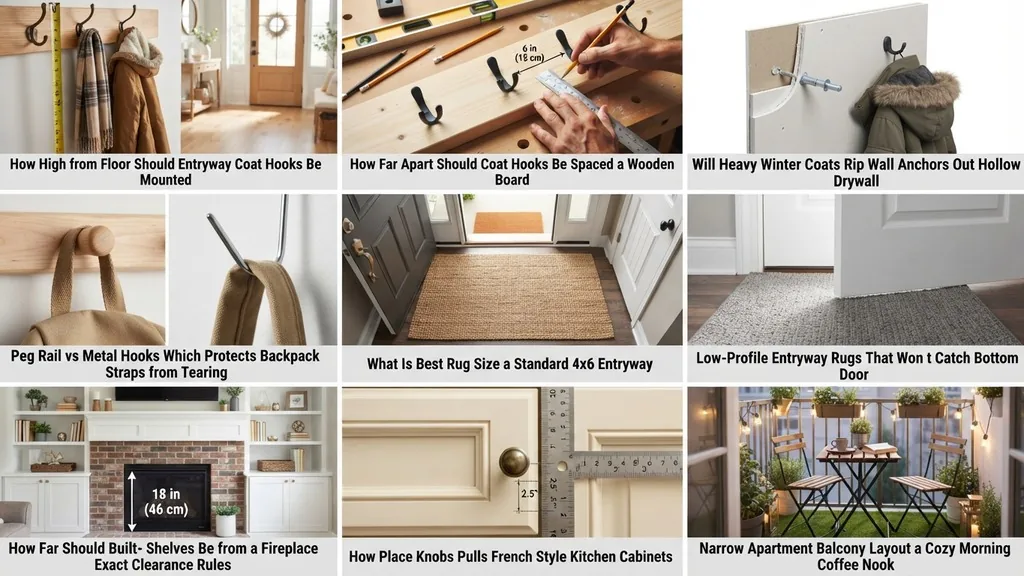
Proper lighting transforms a narrow balcony from a functional walkway into a cozy coffee nook. Battery-operated LED string lights are perfect for tight spaces as they require no cords or outlets. Drape them along the railing or hang them from the top of the door frame to save space.
Wall-mounted sconces are another excellent option if you have access to an exterior power source. Choose fixtures that direct light downward to prevent glare and keep the focus on your coffee setup. Warm-toned bulbs, typically around 2700K, create an inviting atmosphere that encourages you to linger.
Avoid bulky floor lamps that create tripping hazards in narrow corridors. If you prefer candles, use enclosed glass lanterns to protect the flame from wind. A single, well-placed lantern on your wall-mounted table provides enough illumination for early morning reading.
Materials and Maintenance
Choosing the right materials ensures your balcony furniture survives the elements without constant upkeep. Aluminum is an excellent choice for narrow spaces because it is lightweight, rust-proof, and easy to move. Teak is a beautiful, long-lasting wood, though it requires occasional oiling to maintain its color.
Synthetic wicker or resin furniture can look stylish, but ensure the frame is sturdy enough for frequent folding. Avoid soft fabrics that trap moisture and lead to mildew in small, poorly ventilated areas. Opt for quick-drying outdoor cushions or simply choose chairs with ergonomic, weather-resistant surfaces that don’t require padding.
Clean your balcony floor regularly to prevent dirt buildup that can damage your furniture legs. A simple sweep and occasional rinse keep the space feeling fresh. If you live in a coastal area, look for marine-grade materials to prevent corrosion from salt air.
Creative Layout Strategies
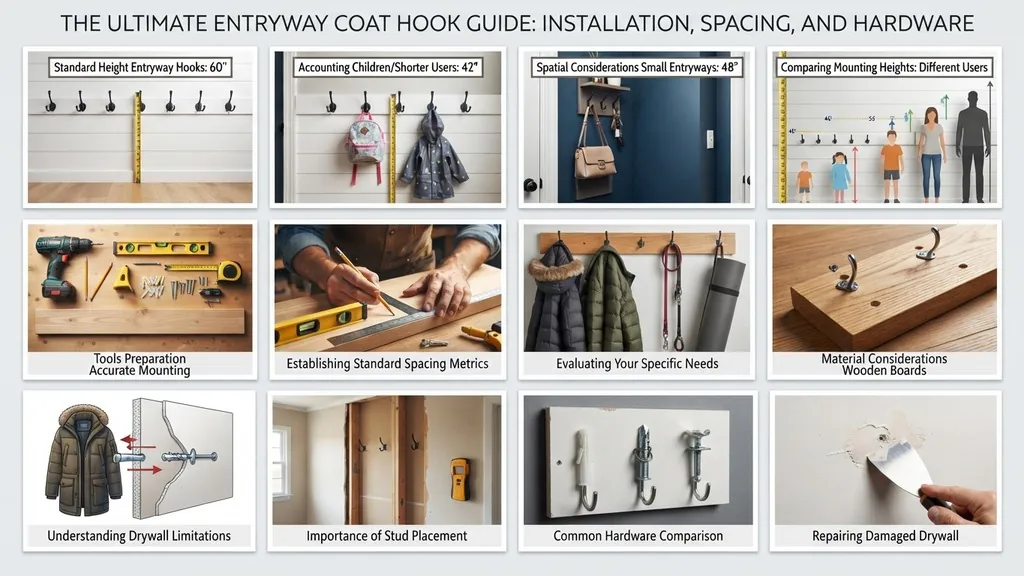
If your balcony is extremely narrow, consider a “flip-up” bar that attaches directly to the railing. This allows you to stand and enjoy your coffee while looking outward at the view. Pair this with two slim stools that slide completely under the bar when not in use.
Use a long, narrow bench against the wall instead of individual chairs to maximize seating capacity. A bench can double as a storage box, providing a place to keep cushions or gardening tools out of sight. This multi-functional approach is essential for making a tiny balcony feel like a complete, usable room.
Experiment with the orientation of your table and chairs to find the best flow. Sometimes placing the table at the far end of the balcony works better than centering it. Small adjustments to the placement of your furniture can significantly change how the space feels to sit in.
Frequently Asked Questions
What is the absolute minimum depth needed for a chair?
A depth of 16 inches is the absolute minimum for a standard bistro chair. If you have less space, consider a wall-mounted fold-down seat or a slim stool.
Can I safely drill into my balcony wall?
You must check your lease or condo association bylaws before drilling into exterior walls. Many buildings require specific fasteners or prohibit structural modifications entirely.
How do I prevent furniture from blowing away?
Use weighted bases or secure your furniture with discreet bungee cords or heavy-duty outdoor ties. If you live in a high-rise, it is vital that all items are anchored to prevent wind-related accidents.
How can I make a narrow space feel larger?
Use a light color palette for furniture and paint to reflect natural light. Keeping the floor clear and using vertical wall space for plants will also create an open, airy atmosphere.
What type of table is best for a 24-inch balcony?
A wall-mounted, fold-down semi-circular table is the best choice for a 24-inch deep space. It provides a flat surface when needed and disappears completely when you need the floor area.
Creating Your Morning Oasis
Transforming a cramped, narrow balcony into a functional coffee area relies on precise measurement and smart, space-saving choices. By selecting folding furniture and wall-mounted tables, you maximize every inch without creating a cluttered environment. Safety remains the foundation of your design, ensuring that your morning routine is both comfortable and compliant with building standards.
You don’t need a large terrace to enjoy the outdoors; you simply need the right strategy for your specific dimensions. With these practical adjustments, your balcony becomes a personal retreat for your morning routine. This intentional approach turns a previously unused architectural feature into a highlight of your home.