
11 Front porch decorating ideas
Introduction
Implementing effective front porch decorating ideas helps homeowners enhance their entryways with both style and long-term functionality. These front porch decorating ideas focus on selecting durable materials and smart layouts that elevate curb appeal while keeping the space welcoming for guests.
This article provides a curated list of design strategies tailored to transform your entryway into an inviting extension of your home. You will find guidance on choosing furniture that fits specific footprints, selecting textiles suited for changing weather conditions, and layering lighting to improve both security and atmosphere. We also cover practical tips for integrating greenery, maintaining structural integrity when mounting decor, and ensuring your design remains accessible for everyone entering your home.
Establishing Your Porch Design Strategy
Creating a cohesive entryway starts with understanding the relationship between your home architecture and your personal aesthetic. Before selecting front porch decorating ideas, identify your home style, such as modern, traditional, or rustic. A successful strategy links your entryway to the exterior through a consistent color palette and intentional design choices that complement the existing structure rather than competing with it.
Assessing Environmental Exposure
Your project scope depends heavily on local climate and coverage. Porches protected by a roof offer more flexibility for textiles and delicate materials, while fully exposed entryways require items built for direct sunlight, rain, and temperature shifts. When selecting materials, consider their long-term performance. For example, some homeowners prefer polypropylene for rugs or solution-dyed acrylic for cushions due to their resistance to environmental stressors. If you live in a humid climate, wrought iron may require more frequent maintenance to prevent surface issues, whereas teak is a popular choice for its durability in various weather conditions.
Balancing Function and Flow
A beautiful porch must remain functional and accessible. When choosing small front porch furniture, prioritize the flow of traffic to ensure that paths remain clear for daily entry and emergency egress. The International Residential Code provides guidance on standard clearance requirements, which can serve as a helpful reference to ensure your layout does not obstruct walkways. Avoid the common mistake of over-furnishing, which can make a space feel cramped and hinder safe navigation.
To keep your design organized, consider the following checklist before finalizing your layout:
- Measure your total footprint to ensure furniture scale does not impede entry doors.
- Evaluate sun exposure to choose materials that maintain their color and integrity.
- Check for drainage needs, especially if you plan to incorporate container plants.
- Plan your outdoor lighting design to highlight architectural features while ensuring paths are well-lit for safety.
Updating with Purpose
Enhancing curb appeal does not always require major renovations. You can refresh your space by using neutral foundations for larger investment pieces, then rotating seasonal accents to change the mood throughout the year. If you decide to paint surfaces, ensure you select an appropriate exterior-grade primer to protect against peeling or surface degradation. This methodical approach allows for creative expression while maintaining a timeless look that respects the character of your neighborhood. Whether you are improving your curb appeal landscaping or updating hardware, keeping your design anchored in both utility and aesthetic balance ensures your porch remains a welcoming, practical, and beautiful extension of your home.
Selecting Durable Furniture

Choosing the right materials ensures your seating arrangements remain functional and attractive regardless of the weather. When selecting small front porch furniture, prioritize components that withstand daily environmental exposure. Teak is a common choice for its density and texture, while wrought iron offers a sturdy, traditional look.
Modern synthetic materials, such as high-density resins or powder-coated aluminum, provide lightweight alternatives that mimic natural styles with minimal upkeep requirements.
Balancing Aesthetics and Accessibility
When working with limited square footage, selecting the right furniture is essential for maintaining both style and ease of movement. Beyond visual appeal, it is important to ensure your layout does not impede egress. The International Residential Code provides guidance on clearance widths for residential entryways, which helps homeowners create spaces that are both welcoming and safe. Avoid bulky pieces that block the path to the door, as clear walkways are vital for both daily use and emergency situations.
Strategic Furniture Layouts
Maximizing a compact layout requires intentional planning. Consider these practical strategies to enhance your entrance without creating clutter:
- Folding bistro sets allow you to clear floor space quickly when you need extra room for entry.
- Wall mounted benches or drop-leaf tables attached to the structure provide seating without occupying a permanent footprint.
- Stackable chairs are convenient for storage during off-seasons or when you want to open up the area for cleaning.
- Choosing slim profile silhouettes prevents the entry area from feeling cramped.
- Multi-functional ottomans that double as additional seating or small tables save you from needing multiple furniture pieces.
Maintenance for Longevity
Protecting your investment involves consistent seasonal care to keep finishes looking fresh. Wood surfaces benefit from periodic cleaning to remove debris that can trap moisture against the material. When painting or sealing, always use an appropriate exterior-grade primer to prepare the surface. Metal furniture should be inspected annually for chips in the protective coating, which should be sealed immediately to stop rust from spreading.
If you choose synthetic options, a simple wipe down with mild soap and water usually suffices to remove pollen and dust buildup. If you are incorporating textiles, look for solution-dyed acrylic fabrics, which are designed to withstand sunlight exposure. Covering your furniture during extreme weather events or harsh winter months significantly extends the life of the materials and helps preserve the original color and texture of your pieces.
Enhancing Lighting and Ambiance

Effective outdoor lighting design serves dual purposes: securing your home and elevating your curb appeal. By layering different types of illumination, you can transform a dark entryway into a welcoming space that remains safe to navigate after sunset. When planning your front porch decorating ideas, aim to balance functional task lighting with decorative accents that highlight your home architectural features.
Balancing Function and Aesthetics
Task lighting is essential for safety, particularly around stairs and doorways. Bright, directed light helps guests find their way and allows you to locate keys with ease. To minimize glare and prevent light pollution, choose fixtures that direct illumination downward toward the porch floor or pathway. For decorative ambiance, consider installing wall sconces or lanterns that provide a softer, diffused glow. Pairing these with your primary task lights allows you to adjust the mood, creating a bright environment for arrivals and a more relaxed, inviting setting for evening relaxation.
Efficiency and Maintenance
Incorporating LED lighting is a practical strategy for maintaining a well-lit home exterior without excessive energy consumption. These bulbs are designed to operate for long periods while using significantly less energy than traditional incandescent options. When selecting fixtures, ensure they are rated for outdoor use to withstand exposure to moisture and temperature fluctuations. If you live in a humid climate, be mindful that metal fixtures may require regular maintenance to prevent oxidation or rust.
Strategic Layering Techniques
Layering light sources creates visual depth and interest. A common mistake is relying on a single, harsh overhead light, which can create deep shadows and limit visibility. Instead, combine multiple light sources to achieve a professional look:
- General Lighting: A central overhead fixture provides broad coverage for the main porch area.
- Accent Lighting: Use wall-mounted fixtures to highlight textures, such as brick, wood siding, or decorative door trim.
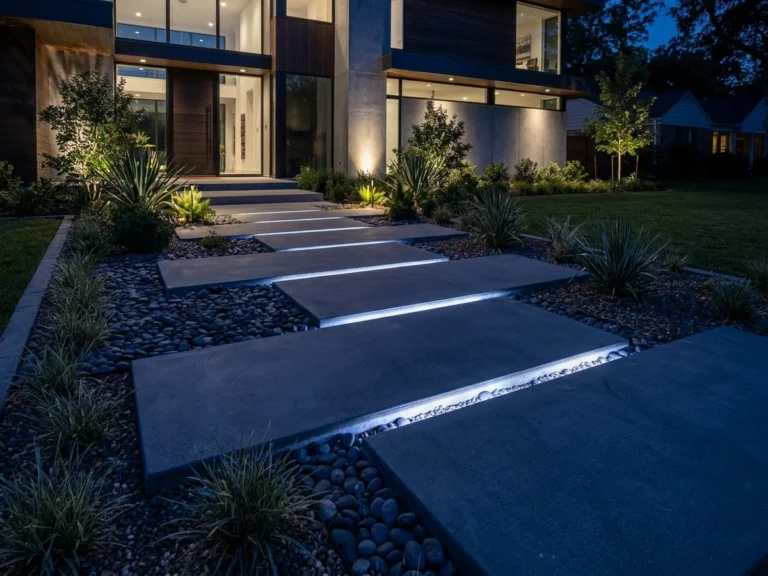
- Pathway Lighting: Low-voltage landscape lights can define the edges of walkways leading to your porch, improving overall accessibility.
When installing new lighting, consider the placement of your fixtures to ensure they do not interfere with emergency egress paths. According to the International Residential Code, maintaining clear access is vital for safety. By thoughtfully placing your lights, you can enhance your home exterior while ensuring the space remains both functional and beautiful throughout the year.
Choosing Textiles and Rugs

Selecting textiles for your porch requires balancing aesthetic appeal with the realities of outdoor exposure. When evaluating front porch decorating ideas, consider how your specific entryway interacts with the elements. For high-traffic zones, prioritize synthetic materials designed to withstand repeated use, while reserving natural fibers for protected, dry environments. Comparing common rug materials helps you determine the most durable option for your climate.
| Material Type | Primary Strength | Best Use Case |
|---|---|---|
| Polypropylene | Moisture resistance | High-traffic areas |
| Natural Fiber | Aesthetic texture | Covered, dry spaces |
| Solution-dyed Acrylic | Colorfastness | Sunny, exposed areas |
Evaluating Material Performance
Polypropylene rugs are a common choice for busy entryways because they handle moisture well, whereas natural materials like jute or sisal absorb dampness and may struggle in humid conditions. If your porch receives direct, intense sunlight, seek out weather resistant outdoor rugs made from solution-dyed acrylic. This manufacturing process integrates the color into the fiber rather than applying it as a surface treatment, which aids in maintaining vibrancy over time.
Prioritizing Safety and Accessibility
Safety is a critical consideration when layering textiles. Rugs must lay flat and remain secured with non-slip padding to prevent tripping, especially near stairs. Avoid placing rugs directly over the edge of stair treads, as this creates an uneven surface that can cause falls. In areas with high foot traffic, select low-profile options that resist bunching or sliding.
Integrating Design with Function
When incorporating textiles into covered porch decor ideas, ensure your choices do not obstruct safe access or emergency egress. If you are aging in place or managing mobility needs, look for rugs that provide a stable, level surface for walkers or canes. By selecting low-pile, secured textiles, you ensure that your design accents enhance the comfort of your home without compromising the safety of your guests or daily accessibility.
Adding Stylish Entryway Accents

Enhancing your entrance requires balancing aesthetic choices with practical safety requirements. A primary design goal is keeping paths clear, ensuring that visitors and emergency responders can navigate your porch without obstruction. When selecting accents, consider how furniture placement impacts clearance. According to standards from the International Residential Code, maintaining specific widths for stairs and pathways is essential for safe egress during an emergency. Avoid placing heavy benches or large planters directly in front of doors, as these can create trip hazards or block a quick exit.
Prioritizing Accessibility and Universal Design
Universal design principles help create a welcoming space that supports aging in place by focusing on usability for all people. When styling your area, incorporate accessibility features to ensure your home remains inviting and functional. Select seating with sturdy armrests to make standing up and sitting down easier for guests. Ensure the walking surface remains level and free of loose mats that could cause a fall. If you choose decorative floor coverings, look for weather resistant outdoor rugs made of materials like polypropylene, which are often used in high-traffic areas.
Selecting Durable Materials
Effective outdoor layouts prioritize both function and style. For small front porch furniture, choose slim profiles or wall-mounted decor to maintain a spacious feel while adhering to safety standards. When choosing materials, consider their performance in your specific climate. Teak is a common choice for its durability, while wrought iron provides a classic look but may require regular maintenance to prevent rust in humid areas. For soft goods, fabrics featuring solution-dyed acrylic fibers are often selected for their resistance to fading from sunlight.
Lighting for Security and Ambiance
Outdoor lighting design serves both a decorative and a protective purpose. Consistent illumination across the entire path improves visibility for guests of all ages. Consider using LED lighting, which is frequently cited for energy efficiency compared to traditional incandescent bulbs. Proper placement ensures that transitions between your porch and the walkway are well-lit, reducing the risk of accidents after dark. By choosing hardware and door accessories that are simple to operate without requiring tight grasping or twisting, you further enhance the safety and accessibility of your home entrance.
Choosing Weather-Resistant Decor Elements

Select materials that withstand environmental exposure to ensure your entryway remains both beautiful and structurally sound. Proper installation techniques and high-quality preparation are essential for protecting the integrity of your home exterior.
Mounting items directly to exterior walls requires care to avoid piercing the protective layer underneath your siding. Use specialized clips designed for vinyl or wood siding that grip the edges without leaving permanent holes. These tension-based fasteners allow you to display wreaths or signs while maintaining the waterproof barrier of your home.
Preparation is key when you are adding permanent fixtures or painting exterior features. Applying the correct primer for wood or metal surfaces ensures that your finish adheres properly and resists the peeling often caused by temperature fluctuations and moisture. Always check that your chosen coating is compatible with the substrate material for the best results.
Keeping your entryway dry prevents the buildup of moisture that leads to rot or rust. Avoid placing items flush against surfaces, as this can trap water and create damp pockets. Good airflow around your outdoor pieces helps everything stay in top condition over time.
Follow these guidelines to maintain your home exterior while styling your space:
- Utilize siding hooks that slide into existing seams to hang wall decor without damaging the wall material.
- Select metal furniture that features a durable, factory-applied powder coating to minimize the risk of oxidation.
- Place small silicone pads under the feet of planters or furniture to elevate them slightly, allowing moisture to evaporate.
- Choose synthetic fiber textiles for area rugs, as these materials generally resist environmental damage better than natural fibers.
- Clean your exterior surfaces thoroughly before applying any new paint or finishes to ensure a long-lasting bond.
- Group potted plants on a tray rather than directly on wood decking to prevent water accumulation and staining.
Seasonal Greenery and Styling

Successful plant displays rely on matching species to the specific sun exposure of your entryway. Observe whether your porch receives direct morning sun, harsh afternoon heat, or consistent shade throughout the day before selecting your greenery.
You can achieve balance by choosing varieties known to thrive in your local climate. For example, shade-loving ferns or hostas brighten dim corners, while sun-drenched spots are perfect for flowering perennials or ornamental grasses. Incorporating these natural elements is one of the most effective front porch decorating ideas to soften hard architectural lines.
Container health is essential for keeping your plants vibrant all season long. Every pot must feature drainage holes at the base to allow excess water to escape, as saturated soil often leads to root damage. If you find a beautiful decorative container without holes, place your plant in a plastic nursery pot inside the decorative vessel to ensure proper moisture management.
When planning your layout, consider how your greenery interacts with the surrounding area to create cohesive curb appeal landscaping. Think about the scale and placement of your pots to ensure they do not block pathways or stairs. Taller plants can act as anchors for your furniture, while smaller groupings near the entrance draw the eye toward your door.
If you are working with covered porch decor ideas, you have the advantage of protecting your containers from extreme weather. Even in covered spaces, remember to check soil moisture regularly since natural rainfall may not reach your pots. Consider these steps for a polished look:
- Group pots in odd numbers for a natural, layered appearance.
- Use varying heights to add visual interest and depth to your porch.
- Select lightweight materials for containers if you plan to rearrange them seasonally.
- Coordinate your pot colors with your home exterior or front door for a unified palette.
Common Decorating Mistakes
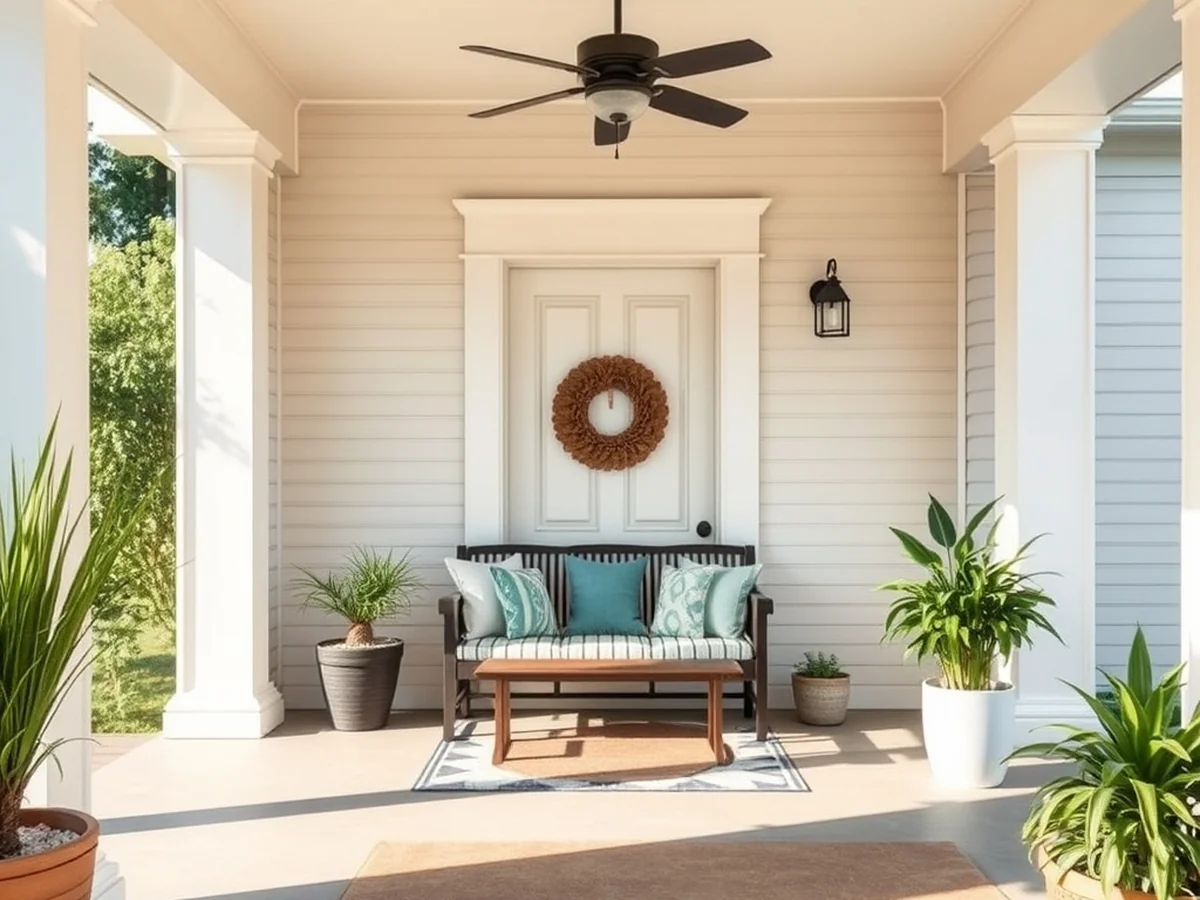
The most frequent errors when styling an entryway involve crowding the available space, damaging delicate building materials, and selecting items that struggle to survive local weather conditions. Avoiding these pitfalls ensures your home remains functional, safe, and visually appealing throughout the changing seasons.
- Avoid placing large furniture pieces or too many accessories in narrow entryways, as this limits movement and may block essential access paths.
- Refrain from attaching heavy signs, planters, or hooks directly to fragile siding, as the weight can penetrate moisture barriers and lead to structural rot.
- Steer clear of porous materials if you live in a region with high humidity, as these surfaces often trap moisture and encourage the growth of mold or mildew.
- Evaluate the weight of your chosen decor carefully to prevent putting unnecessary stress on porch floorboards or structural railings.
- Prioritize items designed for the specific level of exposure your home receives, especially when considering the difference between a fully covered area and an open-air stoop.
- Ensure that any permanent fixtures, such as wall-mounted lighting or address plaques, are installed using methods that do not compromise the integrity of your home exterior shell.
When selecting seating options for a limited entryway area, focus on pieces that provide comfort without creating a cluttered environment. If your porch is tight, opt for slim profiles and foldable items that can be tucked away when not in use. This approach maintains a sense of openness while still allowing you to enjoy your outdoor space.
Always consider the long-term interaction between your decor and the building itself. Heavy decor items or improper mounting hardware can lead to costly repairs if they damage siding or trim. Before securing any permanent additions, verify that the installation method is compatible with your specific exterior materials to prevent future leaks or decay.
Finally, material selection plays a massive role in how well your setup ages. High humidity can quickly ruin items not meant for damp environments, leading to warping or degradation. Always choose components that are suited for your local climate to ensure your design choices remain beautiful rather than becoming a maintenance burden.
FAQ
How do I choose furniture for a small front porch?
Prioritize multifunctional items like benches with built-in storage or bistro sets that fold away when not in use. Measure your available clearance space carefully to ensure your pieces do not obstruct the main entryway or emergency egress paths.
What plants grow best on a shaded front porch?
Ferns, hostas, and begonias thrive in areas with limited direct sunlight and add lush texture to covered porch decor ideas. Always ensure your chosen containers have adequate drainage holes to maintain healthy soil moisture levels for your greenery.
How can I update my porch without major renovations?
Refresh your space by applying a new coat of paint to the front door or swapping out outdated house numbers and light fixtures. Adding a seasonal wreath, a colorful welcome mat, or updated hardware provides an immediate boost to your home curb appeal.
What are the best materials for outdoor rugs?
Synthetic fibers like polypropylene are popular for outdoor rugs because they hold up well against moisture and frequent foot traffic. These materials are generally easy to clean and resist the common wear associated with changing weather conditions.
How to light a porch for security and ambiance?
Layer your lighting by combining a bright central fixture with softer accent lights to balance safety with a welcoming glow. Using energy-efficient LED lighting helps reduce power consumption while providing consistent illumination for your entryway at night.
Are there specific maintenance needs for porch materials?
Metal surfaces like wrought iron often require protective coatings to prevent rust, especially in regions with high humidity. For wood elements, using an exterior-grade primer before painting helps ensure a smooth, long-lasting finish that resists peeling.
Conclusion
The most important next step is to evaluate your specific porch layout and local climate conditions before purchasing any items. Take measurements of your available space to ensure furniture and decor pieces allow for easy movement and clear entryways. By carefully selecting durable materials that suit your environment, you can implement these front porch decorating ideas to create a welcoming space that lasts through the seasons. Prioritizing functional, weather-appropriate choices ensures your home exterior remains both beautiful and practical for years to come.
You might also like: 10 Front Porch Lighting Ideas for a Warm and Welcoming Entry