
12 Small front porch ideas
Introduction
You can transform a limited entryway into a welcoming retreat by using smart small front porch ideas that prioritize scale and functionality. These small front porch ideas focus on maximizing every square inch to create a stylish and cohesive transition into your home.
This article provides actionable design inspiration tailored for compact spaces. We explore versatile furniture arrangements, strategic lighting choices, and decorative elements that enhance curb appeal without overwhelming your footprint. Whether you are looking to refine your layout, select weather-resistant materials, or incorporate clever storage, you will find practical guidance to elevate your home exterior. By focusing on intentional choices, even the most modest landing can become a standout feature that reflects your personal style.
Transforming Your Entryway into a Welcoming Retreat
You can turn a compact entryway into a cozy, functional extension of your home by focusing on intentional design and vertical space. Even with limited square footage, creating a warm atmosphere starts with choosing pieces that serve a specific purpose without cluttering the path to your front door. When approaching small porch decorating ideas, the goal is to balance aesthetic appeal with the practical reality of daily foot traffic.
Prioritizing Scale and Proportion
Color psychology plays a major role in how you perceive the size of your entrance. Light, airy hues reflect natural light, which helps make a confined space feel significantly more expansive. When selecting front porch furniture for small spaces, scale is vital. Large, bulky items can quickly overwhelm a tight area, while undersized decor might look scattered. Always measure your available floor area before purchasing items. A common mistake is choosing furniture that obstructs the door swing or creates a bottleneck, which impacts accessibility. Aim for slender seating or narrow wall-mounted planters to maintain a balanced look that respects your home architecture.
Enhancing Utility with Smart Design
To maximize your space effectively, consider these design strategies:
- Select slim-profile chairs or stools that tuck neatly against a wall to preserve floor space.
- Use a single, oversized outdoor rug to create the illusion of a larger footprint and anchor your seating area.
- Install wall-mounted hooks, sconces, or hanging planters to keep the ground clear.
- Group potted plants at varying heights to draw the gaze upward and add depth to the entrance.
Selecting Materials for Longevity
When considering curb appeal for small porches, material choice is as important as style. For flooring, options like composite decking are often chosen for their moisture resistance and lack of annual staining requirements. If you are updating walls, fiber cement siding is sometimes used for its non-combustible properties. If you incorporate front porch lighting ideas, modern LED fixtures are a practical choice because they generally offer high energy efficiency and a longer lifespan compared to older incandescent bulbs. Regardless of the materials you choose, ensure that any permanent installations follow general local building standards regarding landing dimensions and safety clearances.
By focusing on these details, you can craft a functional, stylish area that feels like a deliberate design choice rather than an afterthought. When you prioritize clean lines and a cohesive color palette, even the most modest entrance gains personality, charm, and lasting appeal.
Small Porch Furniture Layouts

Effective furniture layouts for small front porch ideas rely on precision measuring and choosing versatile pieces that prioritize comfort without overwhelming your limited square footage. Before purchasing any items, you must map out your available area to ensure clear pathways remain for entry and exit.
Start by measuring the total width and depth of your porch floor. Mark off the swing radius of your front door to ensure no furniture obstructs its movement. Consider the following steps to optimize your space:
- Use painter’s tape on the floor to outline the footprint of potential chairs or tables, which helps visualize how much room remains for walking.
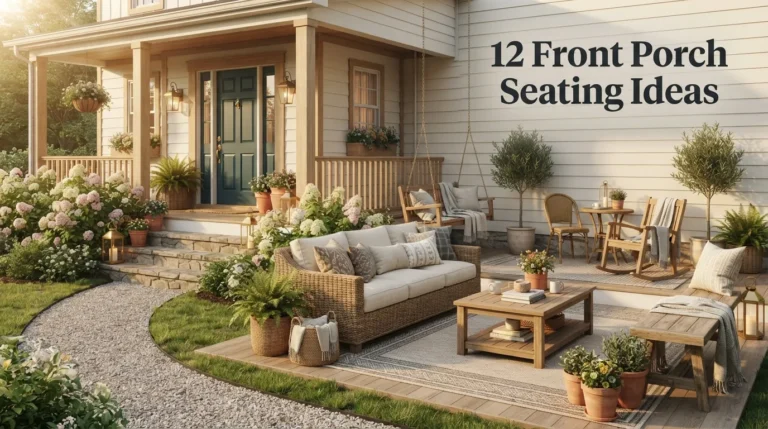
- Prioritize front porch furniture for small spaces that offers a low profile to keep the visual field open and airy.
- Select chairs with thin silhouettes or open-back designs to maintain a sense of openness rather than bulk.
- Look for pieces that serve multiple purposes, such as a side table with built-in storage for cushions or seasonal decor.
- Measure the height of your porch railings or wall boundaries to ensure backrests do not create a cluttered look from the street.
- Confirm your layout leaves enough room for guests to stand comfortably while you unlock the door.
Folding and nesting furniture are essential tools for maximizing versatility on a compact porch. These pieces allow you to reclaim floor space when you are not entertaining, making it easy to keep the area tidy. Folding chairs can hang on wall hooks, while nesting tables slide away neatly when you need extra room for packages or visitors.
Balancing scale with comfort involves selecting furniture that fits the proportions of your home while still providing a relaxing seat. Avoid oversized lounge chairs that dwarf the surrounding architecture. Instead, opt for bistro sets or slim-profile benches that provide support without demanding too much physical space. By focusing on ergonomic designs that occupy a smaller footprint, you can create a welcoming retreat that feels purposeful and well-planned. Keeping the scale proportional to your porch ensures that your seating arrangement feels like a natural extension of your home entrance rather than an afterthought.
Boosting Small Porch Curb Appeal

Enhancing curb appeal for small porches requires a balance between creative expression and practical space management. Because your entryway is the first thing guests encounter, the design choices made here set the tone for your home. When working with limited square footage, the goal is to create a sense of cohesion rather than clutter.
The Impact of Color and Contrast
Color psychology is a powerful tool for defining a small entrance. A front door painted in a bold, warm hue like terracotta or sunny yellow can act as a visual anchor, drawing the eye directly to the center of your home. Conversely, cooler shades like slate blue or deep forest green provide a sophisticated, grounded aesthetic. When selecting a color, ensure it contrasts effectively with your siding. If your home has neutral fiber cement siding, a vibrant door color creates a distinct focal point. Avoid using too many competing colors, as this can make a small porch feel fragmented and chaotic.
Maximizing Vertical Real Estate
When floor space is at a premium, moving decor upward is essential for a minimalist porch design. By utilizing walls, ceilings, and height, you maintain a clear walkway while adding personality. Consider installing wall-mounted sconces to improve lighting or using tiered shelving for seasonal greenery. Hanging baskets are another effective solution, as they draw the gaze toward the architecture rather than the restricted floor area. This approach prevents the space from feeling cramped and allows you to incorporate functional items like lanterns or vertical signs without sacrificing movement.
Functional Details and Material Choices
Small updates often provide the highest return on investment. Replacing weathered door hardware with modern finishes, such as matte black or brushed nickel, offers a clean, intentional look. A durable, weather-resistant welcome mat serves as both a functional necessity for keeping debris out of your home and a stylistic foundation that frames the entrance. When choosing materials for flooring, consider low-maintenance options. Composite decking or sealed concrete can minimize the need for frequent staining or annual maintenance, keeping your porch looking polished throughout the changing seasons.
| Element | Design Strategy |
|---|---|
| Lighting | Use LED outdoor lighting to save energy and increase visibility. |
| Furniture | Measure carefully to ensure front porch furniture for small spaces fits without blocking paths. |
| Plants | Opt for tall, narrow planters to add greenery without consuming floor space. |
Before making permanent changes, always consider the structural and safety requirements of your entry. Ensure that any additions do not obstruct the required clearance for doors or pathways, keeping in mind general accessibility guidelines. By focusing on quality over quantity, you can transform even the smallest porch into a curated, inviting feature of your home.
Small Porch Lighting Ideas

Effective front porch lighting ideas rely on a balanced mix of wall sconces and pendant fixtures to enhance both safety and visual appeal. By layering different light sources, you can transform a compact entryway into a welcoming transition space that feels secure after sunset. When working with limited square footage, the goal is to illuminate the landing and door area without overwhelming the facade with oversized fixtures.
Selecting the Right Fixture Type
For small entryways, scale is the most important factor. Oversized lanterns can make a porch feel cramped, while fixtures that are too small may fail to provide adequate illumination. Wall sconces placed on either side of the entrance create a balanced, symmetrical look that frames the door effectively. If your porch features a covered ceiling or a shallow overhang, a single, low profile pendant light can act as a focal point. Always verify that your chosen fixtures are rated for damp or wet outdoor conditions to ensure they withstand moisture and temperature fluctuations common in exterior environments.
Optimizing Performance and Efficiency
Incorporating modern technology into your lighting plan helps manage energy usage while improving functionality. Switching to LED outdoor lighting is a practical step for homeowners looking to reduce maintenance, as these bulbs typically offer a longer lifespan and lower power consumption compared to traditional incandescent options. When selecting bulbs, prioritize warm color temperatures. Warm light creates a soft, inviting atmosphere that complements the architectural features of your home, whereas cool or clinical light can feel harsh in residential entryways.
Safety and Smart Integration
Beyond aesthetics, lighting serves a vital security function. Motion sensor lights are an excellent addition for small porches, providing illumination exactly when needed without the requirement of leaving lights on all night. This is particularly useful for visitors and for navigating the transition from the driveway to the home. Dimmable options offer further flexibility, allowing you to adjust the intensity of the light to suit different moods or times of the evening.
A common mistake in exterior lighting design is failing to account for glare. Ensure that your chosen fixtures are shielded or positioned so that the light source is not directly visible from the street or neighboring windows. By layering ambient light with task specific illumination, you ensure the space remains safe and accessible. Always prioritize durability by selecting materials suited to your local climate, as this ensures your lighting investment remains functional and attractive across every season.
Vertical Decor Solutions
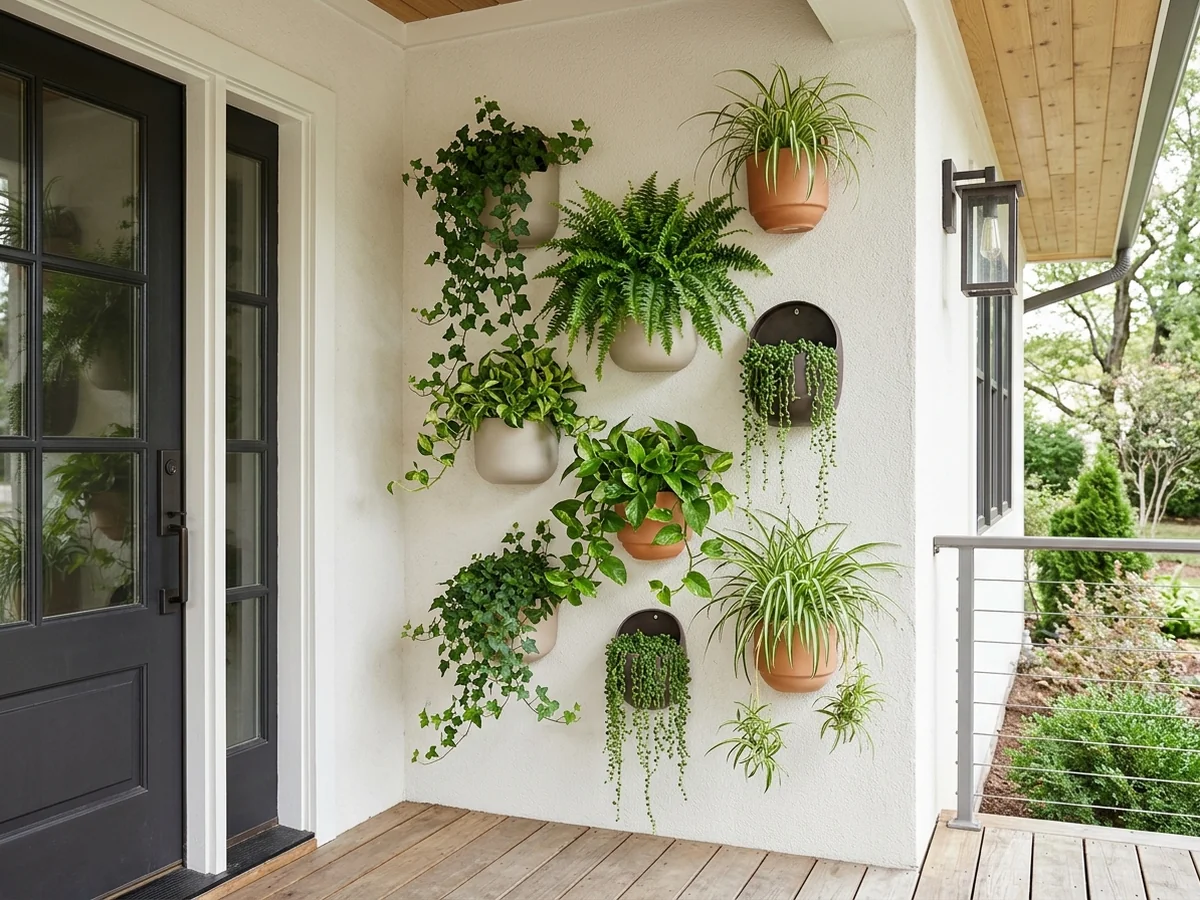
You can effectively expand a compact outdoor entryway by drawing the eye upward and utilizing empty wall surfaces. When floor square footage is at a premium, moving decor off the ground creates an open, airy feeling while keeping the space functional. This approach is particularly effective for homeowners seeking small porch decorating ideas, as it prioritizes verticality to maintain clear pathways.
Maximizing Greenery and Interest
Hanging planters are a perfect way to introduce greenery without sacrificing precious floor room. You might consider wall-mounted brackets or tiered hanging systems that allow trailing vines or seasonal flowers to add depth to your entrance. This approach brings life to blank siding and transforms plain walls into a lush focal point. When mounting items, consider the material of your home exterior. For example, fiber cement siding is a popular choice for durability, but you should always use the appropriate hardware to ensure items are securely anchored.
Curating Functional Displays
Floating shelves offer a clever way to display decorative accents like lanterns, seasonal signs, or small sculptures. Choosing slim, weather-resistant shelving allows you to curate a display that feels intentional rather than cluttered. Keeping these surfaces clear of the ground ensures your entryway remains easy to navigate, which is a hallmark of a successful minimalist porch design. Before installing permanent fixtures, evaluate your porch layout to ensure you are leaving enough clearance for doors to swing freely.
Creating the Illusion of Height
To make the area feel larger, emphasize vertical lines through your decor choices. Tall, slender art pieces or long, narrow mirrors can reflect light and create the illusion of a more expansive ceiling height. Even placing tall potted plants in corners directs attention toward the roofline, grounding the space while simultaneously making the entire exterior feel more proportionate and welcoming. This strategy is highly effective for enhancing curb appeal for small porches without needing a major renovation.
| Decor Element | Functional Benefit | Design Tip |
|---|---|---|
| Wall-mounted hooks | Clears table surfaces | Use for lanterns or baskets |
| Vertical garden pockets | Adds greenery vertically | Choose drought-resistant plants |
| Slim, tall art | Enhances ceiling height | Group in sets of three |
Common mistakes often involve overcrowding walls with heavy items that overwhelm a small space. Stick to lightweight materials and keep your color palette consistent to maintain a clean aesthetic. Always ensure that any permanent modifications or heavy installations remain compliant with local building standards and do not compromise the structural integrity of your porch walls.
Small Porch Flooring Ideas

Selecting the right flooring is a pivotal step in your small front porch ideas project, as it serves as the foundation for both aesthetic charm and long term functionality. Because entryways are exposed to varying weather conditions, your choice of material must prioritize moisture resistance and structural integrity to maintain a tidy appearance with minimal upkeep.
| Material | Maintenance Level | Primary Benefit |
|---|---|---|
| Composite Decking | Low | Moisture resistance |
| Concrete | Moderate | High structural durability |
When evaluating materials, consider how each interacts with your local climate. Composite decking is often favored for its wood-like aesthetic, which adds warmth to a minimalist porch design without the intensive labor associated with natural timber, such as annual staining or sealing. Conversely, concrete remains a top choice for its resilience. To keep concrete looking its best, it is advisable to apply periodic sealers, which help prevent water penetration and minimize the risk of freeze-thaw damage over time.
A common mistake homeowners make is ignoring the scale of the flooring pattern or rug size. To effectively define zones on a compact porch, use an outdoor rug to anchor your layout. This creates a clear visual boundary between the entrance and your seating area, making the space feel purposeful rather than cluttered. Ensure your chosen rug is rated for exterior use to withstand sun and rain exposure.
Practical steps for a successful installation include:
- Assess the Subfloor: Ensure your existing porch structure can support the weight of new materials, especially if you plan to layer heavy stones or tiles over existing concrete.
- Measure Twice: Before purchasing materials, clear the area and measure the exact square footage. Account for the swing of your front door to ensure the flooring depth does not interfere with door operation.
- Prioritize Drainage: Regardless of the material, ensure your floor has a slight slope away from the house to prevent water from pooling near the foundation.
By selecting durable, weather-appropriate flooring, you lay the groundwork for a welcoming entrance that enhances your home’s curb appeal for years to come. Whether you prefer the sleek look of composite boards or the industrial, sturdy appeal of finished concrete, the right surface will tie your outdoor decor together and make even the smallest porch feel like an intentional extension of your living space.
Safe Small Porch Layouts

Ensuring your entryway remains secure starts with verifying the weight-bearing capacity of your porch surface. Before adding heavy containers, benches, or decorative elements, confirm that the structure can support the additional load without compromising stability. Overloading a small landing can lead to surface damage or structural fatigue over time. When selecting items to furnish your compact entryway, always measure your available floor area first to avoid overcrowding, which can create tripping hazards and block emergency egress paths.
Prioritizing Structural Integrity
Maintaining a safe entryway requires regular inspections of your flooring and steps. Keep surfaces clear of debris and address any loose boards or cracked concrete promptly to prevent accidents. When choosing materials for repairs, prioritize options designed for exterior use that provide adequate traction even when wet. For those considering upgrades, materials such as fiber cement siding or composite decking are often chosen for their durability and low-maintenance characteristics in various climates. If you are uncertain about the load capacity of your current landing, consult a professional to ensure your setup aligns with guidelines from organizations like the International Residential Code or the Portland Cement Association.
- Check for signs of wood rot or moisture damage in decking boards.
- Ensure steps remain level and are free from uneven transitions.
- Clear away moss or mildew that can make surfaces slippery.
- Verify that railings are securely fastened and show no signs of wobbling.
- Monitor the condition of any sealants used to protect concrete or wood.
Layout Essentials for Curb Appeal
Focusing on a simple, uncluttered porch design often leads to inherently safer outcomes by keeping the floor space clear. Avoiding excess decor not only makes a limited area look more expansive but also ensures that pathways remain unobstructed for easy entry and exit. When integrating front porch lighting ideas, prioritize placement that illuminates changes in elevation, such as steps or thresholds, to improve visibility during evening hours. Using LED outdoor lighting can be an efficient way to achieve this, providing long-lasting illumination for your home entrance.
Professional Planning and Modifications
Consult a qualified contractor or structural engineer if you plan to make major modifications to your entry area. Professional guidance is essential when you intend to add permanent fixtures, build new steps, or install structural railings, as these changes must comply with local building codes. An expert can determine if your current foundation is sufficient for the weight of proposed upgrades and provide advice on accessibility features, such as those discussed in the ADA Standards for Accessible Design, to ensure your space is functional for all visitors.
FAQ
What are the best furniture choices for small porches?
Opt for seating that serves multiple purposes, such as a bistro set with foldable chairs or a bench with built-in storage. Choosing slim profiles and armless designs helps keep the area feeling open and uncluttered.
How do I make a small front porch look bigger?
You can create an illusion of space by using light color palettes on your walls and floors to reflect more natural light. Incorporating vertical elements, like hanging planters or wall-mounted decor, draws the eye upward and keeps the floor area clear.
What are the best plants for a covered front porch?
Ferns and snake plants thrive in the filtered light typically found on covered entryways, making them excellent choices for small porch decorating ideas. Ensure your containers have proper drainage to protect your porch surface while adding greenery to your entryway.
How can I improve curb appeal with a small porch?
Focusing on high-impact details like a fresh coat of paint for the door, updated house numbers, and clean illumination can significantly enhance your home exterior. A well-maintained welcome mat and a pair of symmetrical planters provide an inviting atmosphere without requiring much square footage.
What should I consider before adding a porch railing?
Check your local building department guidelines to see if your porch height requires a railing for safety. If a railing is necessary, look for thin, minimalist designs that provide security without visually closing off your small front porch.
How do I choose the right flooring for a small porch?
Select materials based on your climate, such as moisture-resistant composite decking that stands up well to rain and snow. Regular cleaning and applying appropriate sealers to concrete or wood surfaces will help maintain your porch floor appearance over time.
Conclusion
The most important next step is to measure your available footprint and identify your primary functional goal before purchasing any decor or materials. By prioritizing clear walkways and scale, you ensure that your design choices remain safe and accessible while enhancing your home entry.
Once you have confirmed your measurements, start by selecting one or two foundational pieces that best reflect these small front porch ideas. Whether you choose to focus on vertical storage, comfortable seating, or fresh lighting, taking an incremental approach allows you to curate a space that feels both personal and welcoming.
You might also like: 10 Front Porch Lighting Ideas for a Warm and Welcoming Entry