11 Fall Home Decor Trends
Fall is one of those seasons when a home naturally starts asking for a little more warmth. The days get shorter, the light becomes softer, and suddenly the cool, crisp feeling outside makes a cozy interior feel especially inviting. You may not want to completely redecorate your home every September, but a few thoughtful changes can make a surprisingly big difference.
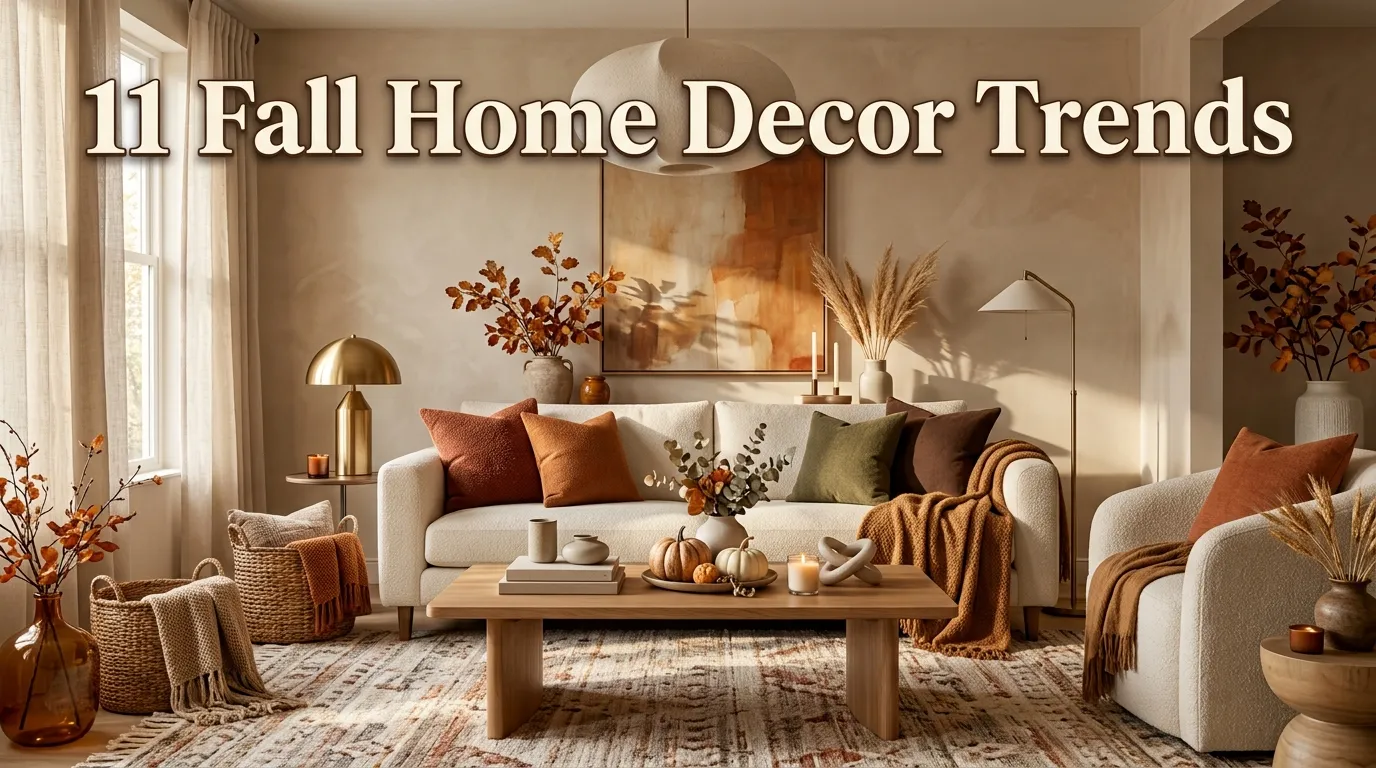
The best fall decorating ideas are not necessarily the ones that fill every corner with pumpkins, orange leaves, or seasonal signs. Instead, current fall styling is leaning toward comfortable textures, earthy colors, natural materials, vintage-inspired pieces, and small details that can remain useful long after Halloween and Thanksgiving have passed.
That makes seasonal decorating easier, too. Rather than buying a completely new collection each year, you can build on the furniture and accessories you already own. A wool throw, warm wood accent, ceramic vase, textured pillow, or softly colored rug can change the feeling of a room without making it look overly themed.
In my experience, the most successful seasonal rooms usually have one thing in common: they feel like a natural extension of the home rather than a temporary display. The goal is to create warmth without sacrificing the personality of the space.
These 11 fall home decor trends focus on exactly that. You will find ideas for living rooms, bedrooms, entryways, dining spaces, and other everyday areas, along with practical ways to introduce each look whether you own a large home, rent a small apartment, or simply want an inexpensive seasonal refresh.
You do not need to use all 11 ideas. Start with one or two that fit your existing style, then layer in additional details as the season progresses.
Table of Contents
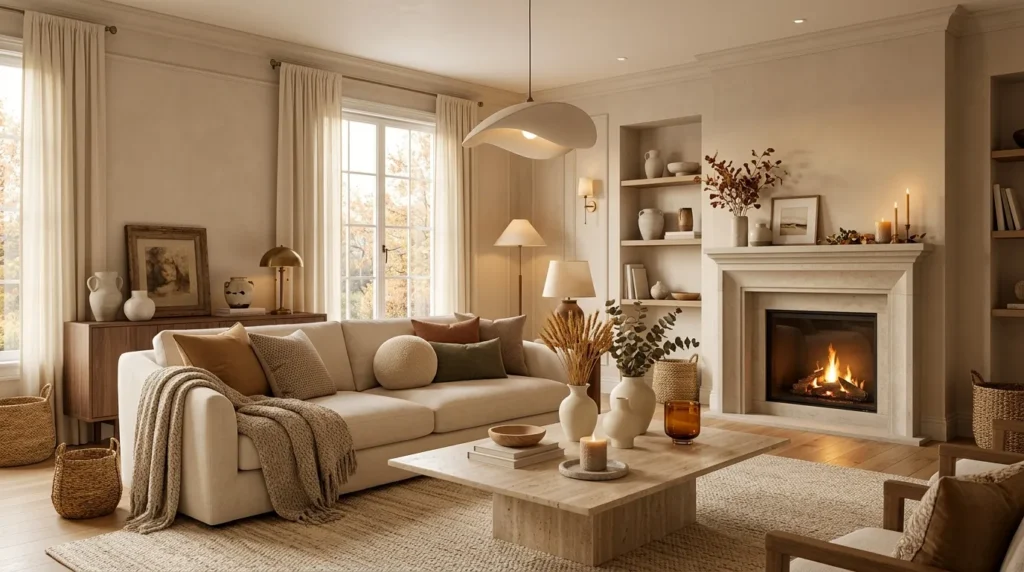
1. Warm Earth Tones
A grounded palette of rust, camel, brown, cream, and muted green instantly brings an autumn feeling indoors.
2. Layered Cozy Textures
Soft textiles and tactile materials make everyday rooms feel warmer and more comfortable.
3. Natural Wood Accents
Wood adds visual warmth and works beautifully with both traditional and modern fall interiors.
4. Vintage-Inspired Decor
Old-world details give seasonal spaces character without making them feel overly decorated.
5. Organic Curved Shapes
Rounded furniture and accessories soften rooms and create a relaxed, welcoming atmosphere.
6. Moody Accent Colors
Deeper shades such as olive, burgundy, charcoal, and chocolate brown add seasonal depth.
7. Rustic Ceramic Pieces
Handmade-looking pottery and stoneware introduce texture, craftsmanship, and understated charm.
8. Dried Botanical Styling
Dried branches, grasses, and leaves bring natural fall character indoors with very little maintenance.
9. Cozy Layered Lighting
Warm lamps, candles, and ambient lighting become especially important as autumn evenings arrive earlier.
10. Elevated Seasonal Tables
Simple fall-inspired tablescapes create a welcoming dining area without relying on excessive seasonal decorations.
11. Collected Fall Details
A mix of meaningful objects, books, textiles, and seasonal accents creates a home that feels personal rather than staged.
1. Warm Earth Tones
Quick Benefits
- Creates an immediate autumn atmosphere
- Works with many existing furniture styles
- Makes rooms feel visually warmer
- Easy to introduce through accessories
- Transitions naturally into winter decorating
Why It Works
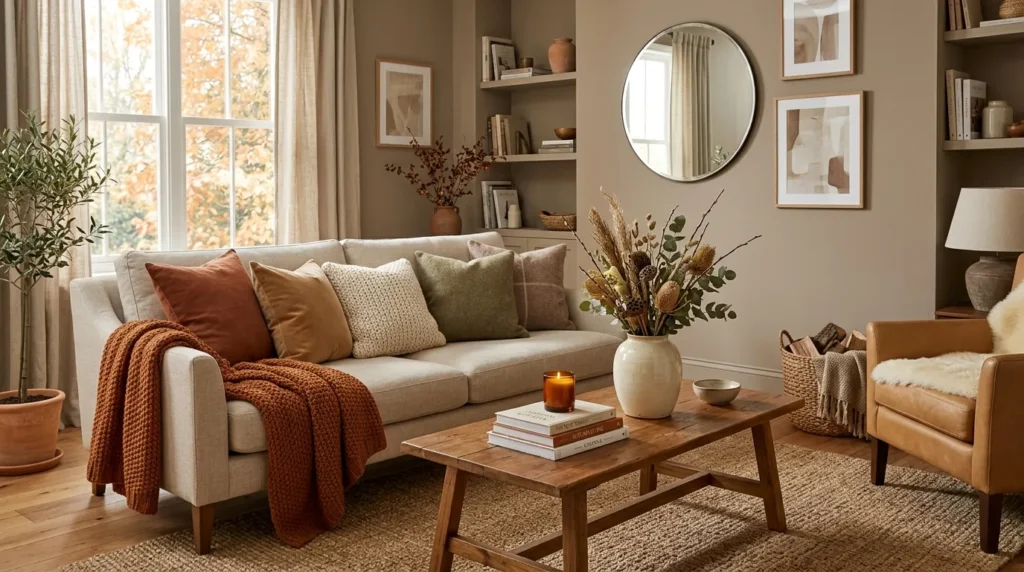
Color is one of the fastest ways to change the atmosphere of a room, and warm earth tones are particularly effective during fall. Shades such as terracotta, cinnamon, camel, warm beige, muted olive, tobacco brown, and creamy ivory reflect the natural colors associated with autumn without turning the room into a seasonal display.
The key is balance. You do not need to repaint your walls or replace your sofa to create a warmer palette. A few strategically placed accents can shift the overall feeling of the room. A rust-colored pillow against a neutral sofa, for example, can provide enough contrast to make the space feel noticeably more seasonal.
A mistake many homeowners make is using too many saturated autumn colors at once. When every accessory is orange, red, or brown, the room can quickly feel heavy. Mixing warm colors with creamy neutrals keeps the look sophisticated.
How To Style It
Start with the largest neutral pieces already in your room. A beige sofa, white walls, natural wood furniture, or cream bedding creates an excellent foundation.
Then introduce two or three warm shades rather than trying to use the entire autumn palette. For example, pair rust with camel and ivory, or combine olive green with chocolate brown and warm cream.
Use these colors through throw pillows, blankets, rugs, curtains, artwork, vases, and smaller decorative objects. In a bedroom, warm-toned bedding can make the space feel inviting without requiring a complete makeover.
For renters, removable textiles are especially useful because they create a seasonal transformation without permanent changes.
2. Layered Cozy Textures
Quick Benefits
- Adds warmth without major renovations
- Makes rooms feel more comfortable
- Creates visual depth
- Works especially well in bedrooms and living rooms
- Can be changed seasonally
Why It Works
Fall is naturally associated with comfort, and texture is one of the easiest ways to communicate that feeling. Even a neutral room can become much cozier when several tactile materials are layered together.
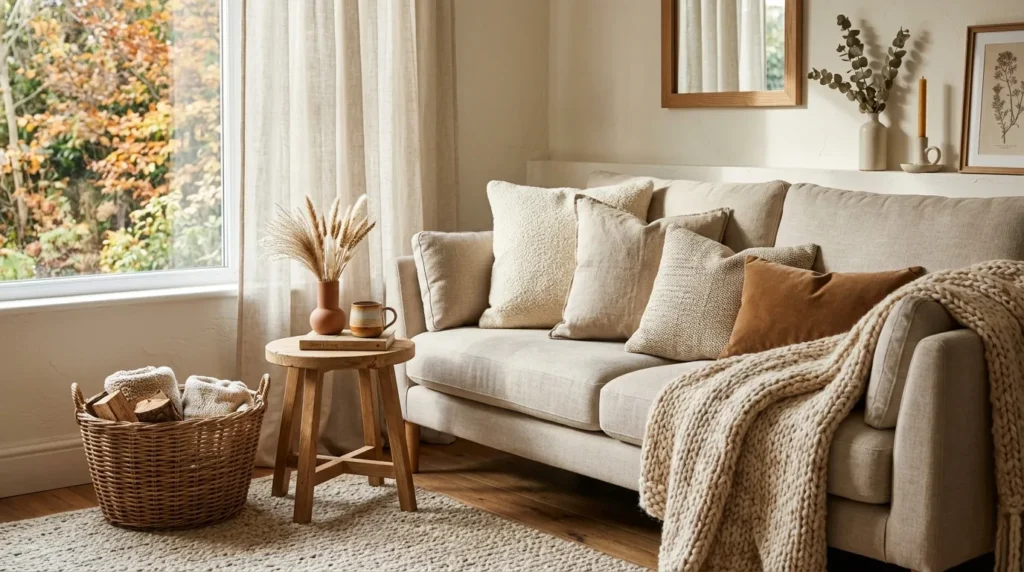
Think chunky knits, linen, boucle, cotton, wool, velvet, woven baskets, and soft rugs. These materials create visual variation while also making the room more inviting to use.
The trick is not simply adding more fabric. Instead, combine textures that feel different from one another. A smooth cotton cushion next to a knitted throw has more visual interest than five pillows made from the same material.
This approach also works particularly well for people who prefer minimalist interiors. You can keep the color palette simple while allowing texture to provide most of the seasonal character.
How To Style It
Begin with the functional textiles in the room. In a living room, add a soft throw over the arm of a sofa and introduce pillows with different surface textures.
Place a medium-pile or woven rug beneath seating areas if the room feels visually cold. In a bedroom, layer a lightweight quilt beneath a heavier blanket or folded throw.
For smaller spaces, avoid adding too many bulky textiles. Instead, choose one substantial throw, two textured cushions, and a small woven basket.
Natural materials can also help. A rattan basket filled with blankets, a woven tray on a coffee table, or linen curtains can soften a room without making it look overly seasonal.
3. Natural Wood Accents
Quick Benefits
- Adds warmth and character
- Complements neutral color palettes
- Works with modern and traditional interiors
- Provides a natural connection to fall
- Can be introduced through small accessories
Why It Works
Natural wood has a timeless quality that makes it particularly useful for seasonal decorating. Unlike highly themed fall accessories, wood pieces can remain in your home throughout the year.
Warm oak, walnut, reclaimed wood, and lighter unfinished woods can all work beautifully in an autumn-inspired room. The right choice depends on the existing furniture and overall style.
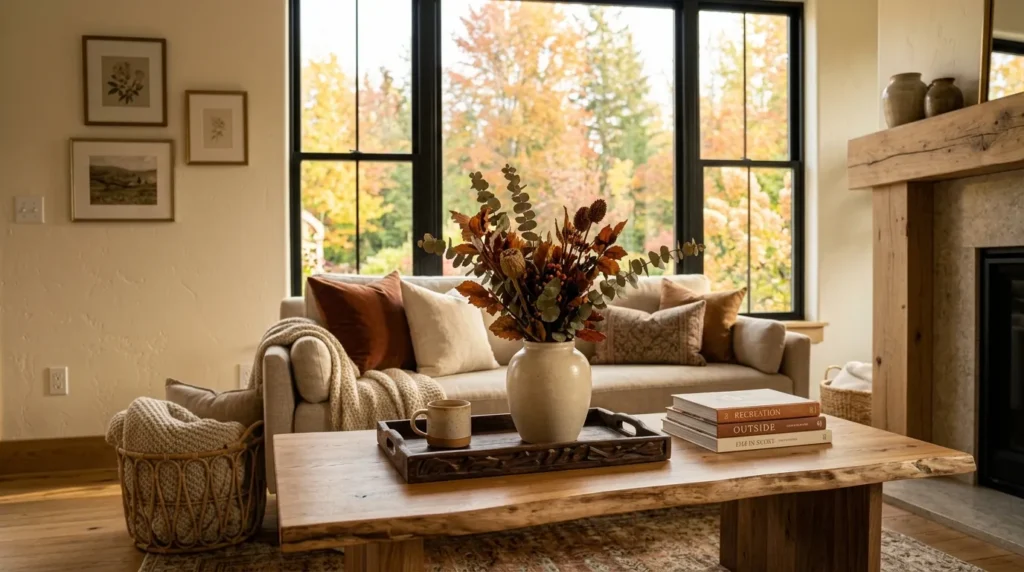
Wood also helps balance softer materials. If your room contains lots of upholstery, blankets, and pillows, a wooden tray, stool, bowl, or side table can introduce a harder natural surface.
I’ve noticed that rooms often feel more grounded when there is a mixture of soft and solid materials. Wood provides that balance without competing for attention.
How To Style It
Look for opportunities to introduce wood without replacing major furniture. A wooden serving tray on a coffee table is an easy starting point.
In the dining room, use wooden boards, bowls, or candle holders as functional decorative elements. In the bedroom, a small wood stool beside a chair can provide both warmth and practical storage.
If your home already has dark wood furniture, avoid adding too many competing wood tones. Instead, repeat one existing tone through smaller accessories.
For a farmhouse or rustic look, reclaimed or slightly weathered wood can work well. For modern interiors, choose cleaner shapes and smoother finishes.
4. Vintage-Inspired Decor
Quick Benefits
- Adds personality and history
- Makes rooms feel less generic
- Works with modern furniture
- Creates visual interest
- Encourages sustainable decorating choices
Why It Works
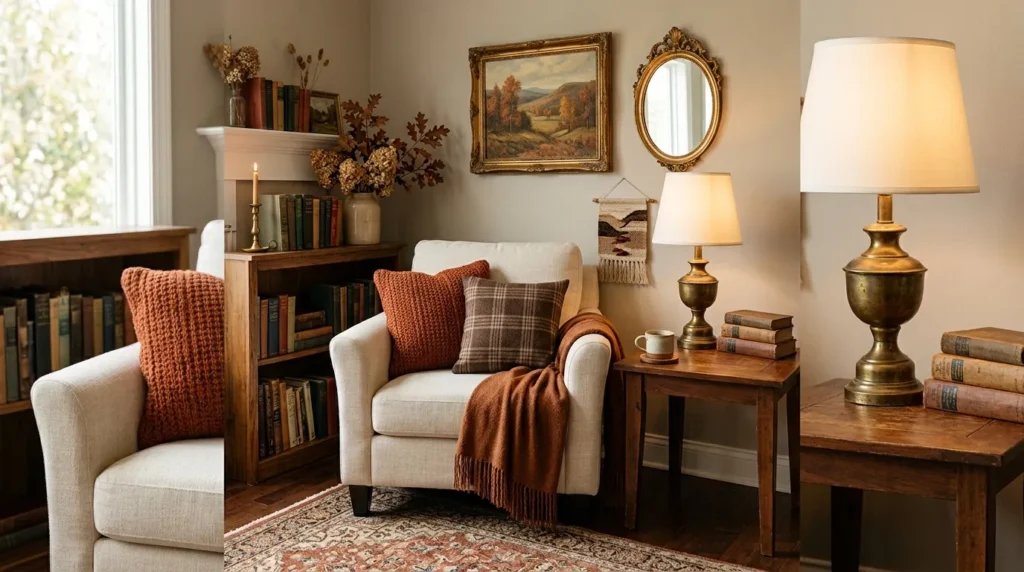
Vintage-inspired decorating has become especially appealing because it gives a room a collected quality. Instead of looking as though every piece was purchased from the same store, the space feels gradually assembled over time.
Fall is an ideal season for this approach because vintage materials naturally complement autumn’s warmer and more nostalgic atmosphere.
You do not need authentic antiques to create the effect. A vintage-style landscape painting, aged brass frame, old-fashioned lamp, patterned cushion, or secondhand wooden accessory can provide a similar feeling.
The most important part is restraint. One or two distinctive pieces often have more impact than a room full of reproductions.
How To Style It
Start with one statement piece. A framed botanical print above a console table, an antique-style mirror in an entryway, or an older wooden chair beside a modern sofa can create contrast.
Mix vintage-inspired objects with contemporary furniture so the room does not feel like a historical reproduction.
Thrift stores, estate sales, flea markets, and secondhand marketplaces can be useful sources for individual pieces. Look for objects with interesting shapes, natural wear, or craftsmanship rather than focusing only on whether something is labeled antique.
For a subtle approach, introduce vintage character through brass hardware, traditional frames, old books, or patterned textiles.
5. Organic Curved Shapes
Quick Benefits
- Softens hard architectural lines
- Creates a relaxed atmosphere
- Adds visual movement
- Works in modern interiors
- Can be introduced with inexpensive accessories
Why It Works
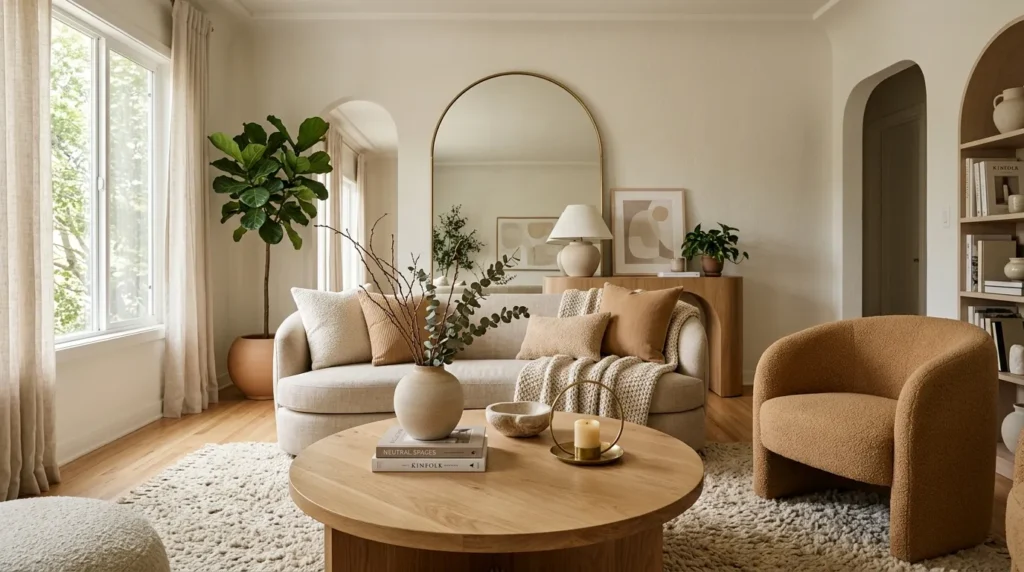
Curved shapes can make an interior feel softer and less formal. After the clean, straight lines common in contemporary furniture, rounded forms introduce a more relaxed visual rhythm.
You can see this trend through curved sofas, round coffee tables, arched mirrors, circular rugs, sculptural vases, and rounded lamps.
For fall, these shapes pair particularly well with natural materials and warm colors. A rounded ceramic vase in a muted brown shade or a circular wooden tray can bring the trend into a room without requiring a new piece of furniture.
This is another example of a trend that does not need to be treated literally. A few curved accessories may be enough to change the overall balance of a space.
How To Style It
If you have a rectangular coffee table, consider adding a round tray to break up the geometry. An arched mirror can soften a hallway or bedroom wall.
In a living room, combine a curved accent chair with a rectangular sofa for contrast rather than making every piece rounded.
Use rounded ceramics, lamps, baskets, and mirrors when you want a smaller commitment.
Keep the rest of the room relatively simple so these shapes have space to stand out. Curves work best when they feel intentional rather than randomly scattered throughout the room.
6. Moody Accent Colors
Quick Benefits
- Adds depth to neutral interiors
- Creates a cozy seasonal atmosphere
- Works especially well in evening spaces
- Makes small accents feel dramatic
- Transitions well into winter
Why It Works
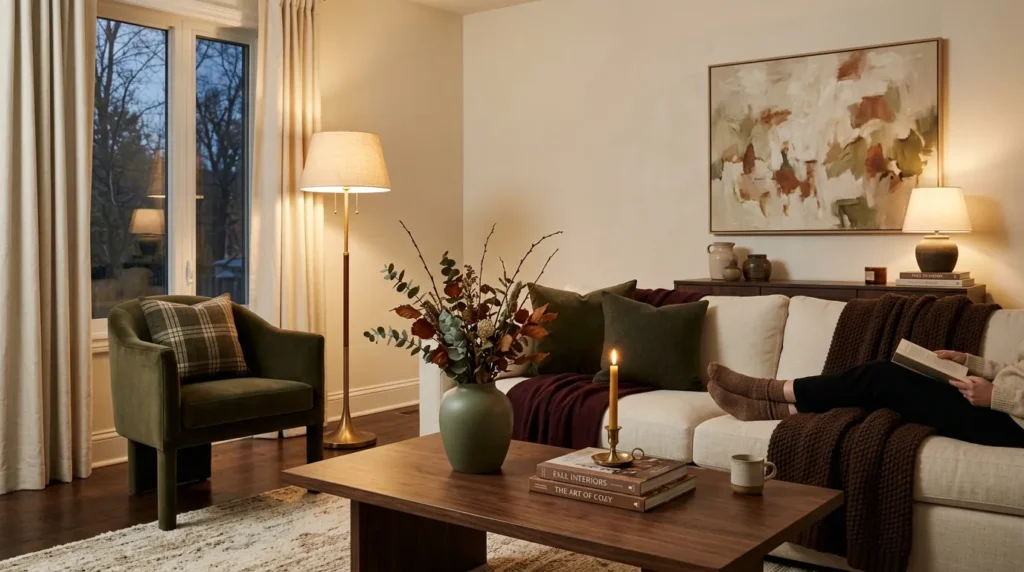
Not every fall room needs to be light and bright. Deeper colors can create a sense of intimacy, particularly in living rooms, dining spaces, libraries, and bedrooms.
Chocolate brown, olive green, burgundy, charcoal, deep navy, and muted plum are useful accent colors because they feel seasonal without being exclusively associated with fall.
The secret is to use darker shades strategically. Too much dark color in a poorly lit room can make the space feel smaller, but a few deeper accents can add considerable depth.
One simple trick I always suggest is pairing a dark accent with a lighter neutral. A chocolate brown cushion against cream upholstery, for example, creates contrast while maintaining balance.
How To Style It
Choose one moody shade as your accent rather than mixing several unrelated dark colors.
Use it through cushions, artwork, curtains, ceramics, lampshades, or a small upholstered chair.
In a bedroom, deep olive bedding paired with cream sheets can create a sophisticated seasonal look. In a living room, burgundy pillows or a dark brown throw can add warmth without overwhelming the furniture.
If your room receives limited natural light, keep larger surfaces light and use darker colors in smaller quantities.
7. Rustic Ceramic Pieces
Quick Benefits
- Adds handcrafted character
- Provides useful decorative surfaces
- Complements natural materials
- Works with farmhouse and modern styles
- Easy to change seasonally
Why It Works
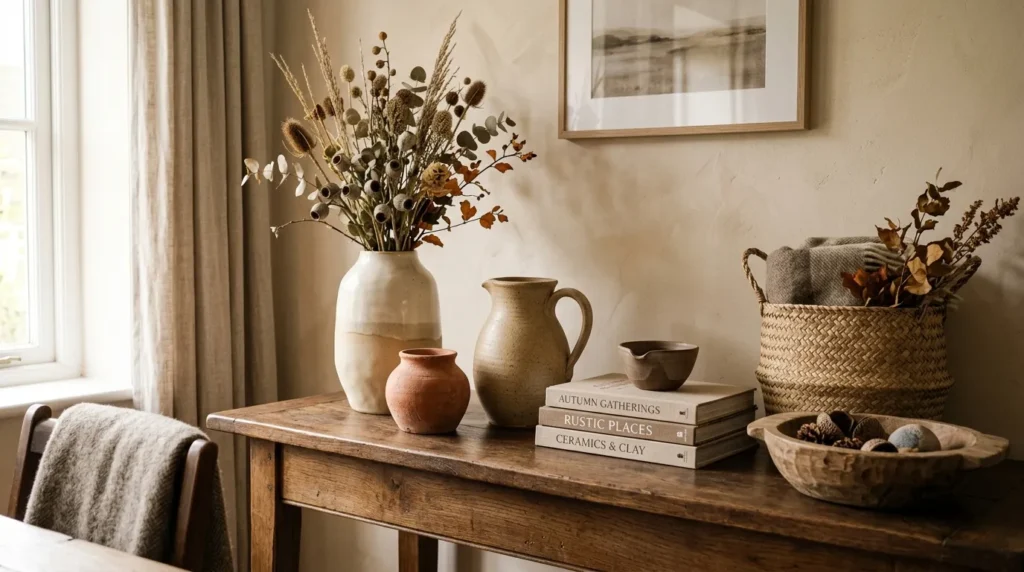
Ceramics bring a handmade quality to interiors that can be difficult to achieve with mass-produced decorative objects. Slightly irregular pottery, stoneware, matte finishes, and earthy glazes all work beautifully with autumn decorating.
A ceramic vase can hold dried branches. A bowl can sit on a kitchen island. A stoneware pitcher can become part of a dining-room display. Because these pieces are functional, they do not have to disappear after fall.
The appeal comes from subtle imperfections. Handmade-looking ceramics often make a room feel more relaxed and lived-in.
How To Style It
Choose pieces in cream, sand, brown, muted green, charcoal, or warm terracotta. Group objects in odd numbers when creating a tabletop display, but vary their height and shape.
On a console, combine a ceramic vessel with a small stack of books and a natural wood object.
In the kitchen, leave one attractive pitcher or bowl visible rather than filling every surface with seasonal decor.
If your room already contains many patterned elements, choose simple matte ceramics. If the room is very neutral, a textured or irregular glaze can become a subtle focal point.
8. Dried Botanical Styling
Quick Benefits
- Adds natural seasonal character
- Requires minimal maintenance
- Works in almost any room
- Provides height and texture
- Can last throughout the season
Why It Works
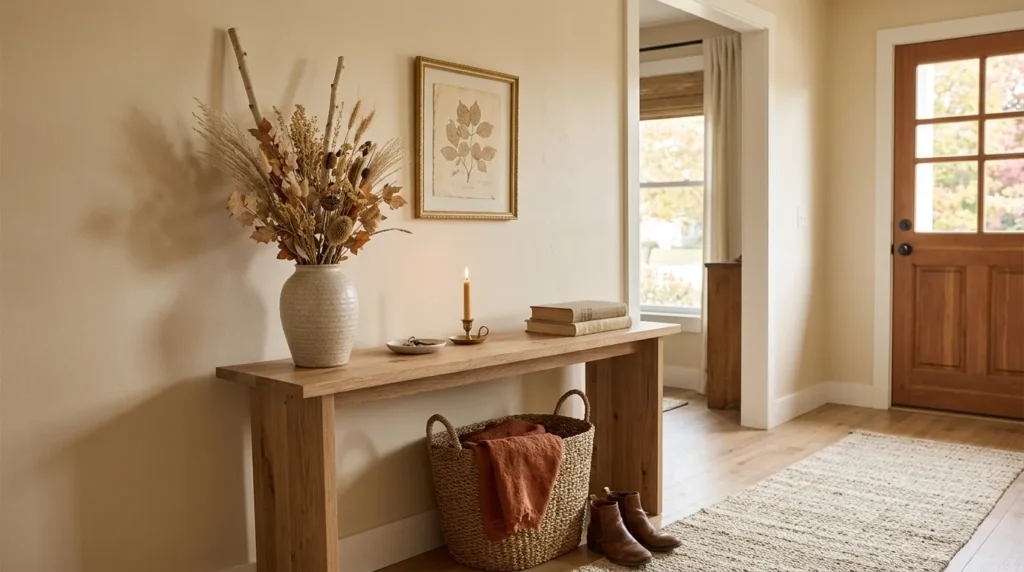
Dried botanicals offer one of the simplest ways to bring an autumn-inspired natural element indoors. Unlike fresh flowers, many dried arrangements can remain attractive for months when kept away from excessive moisture.
Dried grasses, branches, wheat-like stems, preserved leaves, and other botanical elements can create height and movement without requiring elaborate arrangements.
They also work well with modern homes because the shapes are often simple and sculptural.
The goal is to avoid making every arrangement look identical. A tall branch arrangement in an entryway can have a completely different effect from a small dried bundle on a bedside table.
How To Style It
Use a tall neutral vase for branches in a living room corner or entryway. For a dining table, choose a lower arrangement so it does not interfere with conversation.
Keep the palette restrained. Natural beige, muted brown, cream, dusty green, and soft rust can work together beautifully.
Dried botanicals are particularly effective in rooms with lots of clean lines because their irregular shapes introduce movement.
If you have pets or small children, place fragile or shedding arrangements where they cannot easily be knocked over or chewed.
9. Cozy Layered Lighting
Quick Benefits
- Makes evenings feel more inviting
- Creates depth and atmosphere
- Highlights decorative areas
- Works year-round
- Does not require major remodeling
Why It Works
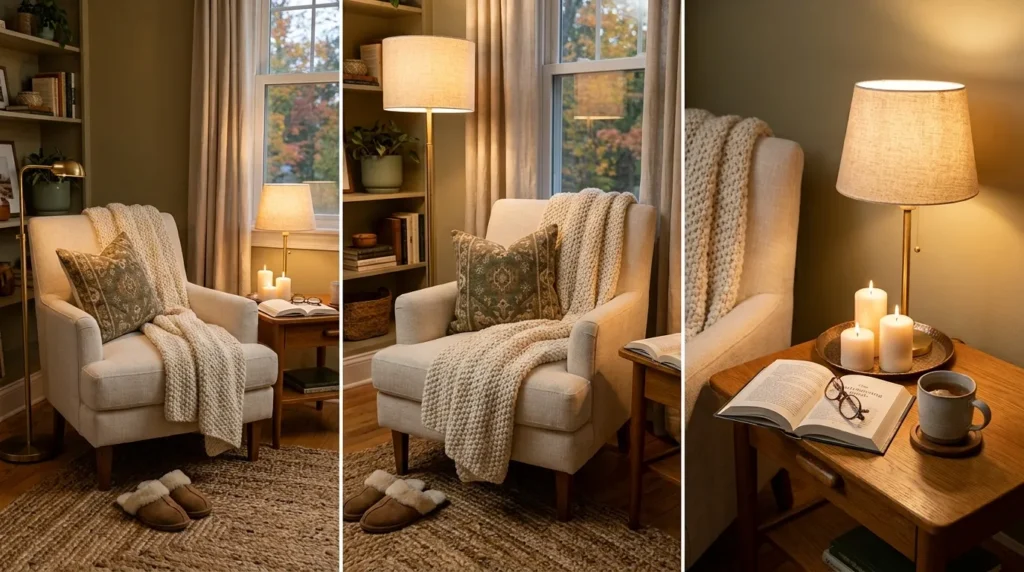
As daylight decreases in fall, lighting becomes an important part of how a home feels. A single overhead fixture often creates a flat, functional atmosphere, while multiple light sources allow you to control the mood.
Layered lighting generally combines ambient, task, and accent lighting. In everyday decorating, this might mean a ceiling fixture paired with a table lamp, floor lamp, candle, or small accent light.
Warm-toned illumination can make wood, textiles, and earth-tone colors appear especially inviting.
A common mistake is treating lighting as an afterthought. Even beautiful furniture can feel less appealing when the room is poorly illuminated in the evening.
How To Style It
Begin by identifying dark corners. A floor lamp beside a reading chair can make that area more useful while adding another layer of light.
Place a table lamp on a console, side table, or bedroom nightstand. Use a small lamp to highlight a reading nook or decorative shelf.
Candles can add atmosphere to dining tables and living spaces, but always use them safely and keep them away from flammable materials.
If replacing light fixtures, consider bulbs with a warm color temperature that creates a comfortable residential atmosphere rather than a stark, cool appearance.
10. Elevated Seasonal Tables
Quick Benefits
- Creates a welcoming dining atmosphere
- Works for everyday meals
- Easy to change for gatherings
- Makes small seasonal details noticeable
- Can be achieved without expensive tableware
Why It Works
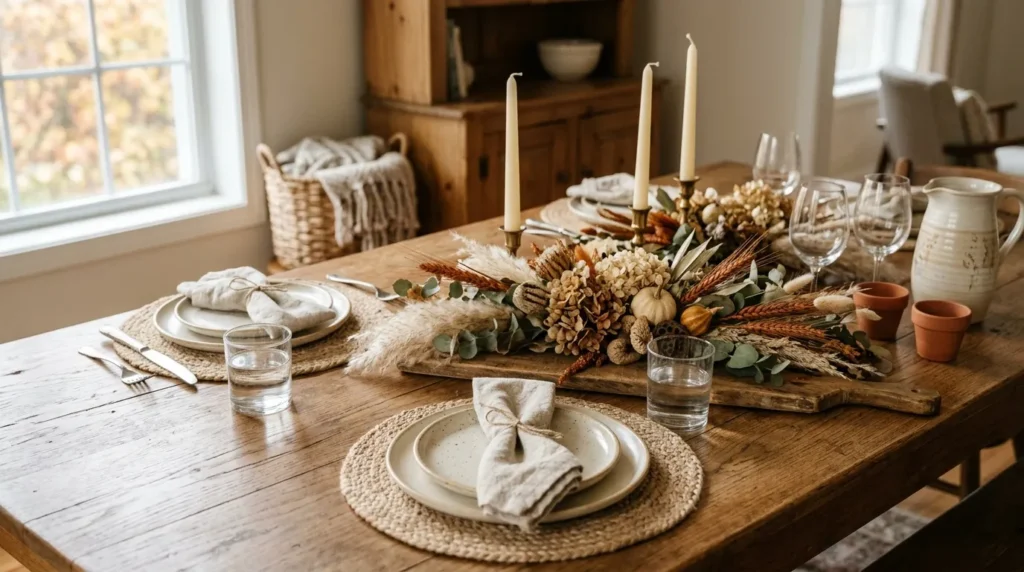
Fall tablescapes can be beautiful without becoming elaborate. The strongest designs usually combine a few natural materials with practical tableware rather than covering the entire table with decorations.
This approach works especially well for homeowners who want their dining area to feel seasonal while remaining functional.
Texture plays an important role here. Linen napkins, woven placemats, ceramic plates, wood serving boards, and simple glassware can create an elegant foundation.
Then add one seasonal focal point, such as a low botanical arrangement, small gourds, candles, or earthy ceramics.
How To Style It
Begin with the functional pieces you already use. Choose a neutral tablecloth or runner if you want one, then layer in natural wood, ceramic, or woven elements.
Keep centerpieces low enough that guests can comfortably see across the table.
For casual family meals, a wooden serving board filled with bread or fruit can function as both food presentation and decoration.
For entertaining, add linen napkins and simple candles for a more polished effect.
You can easily shift the same table from early fall to Thanksgiving by replacing only a few accent pieces rather than starting from scratch.
11. Collected Fall Details
Quick Benefits
- Makes a home feel personal
- Avoids overly themed decorating
- Encourages meaningful objects
- Works with existing furniture
- Creates a timeless seasonal look
Why It Works
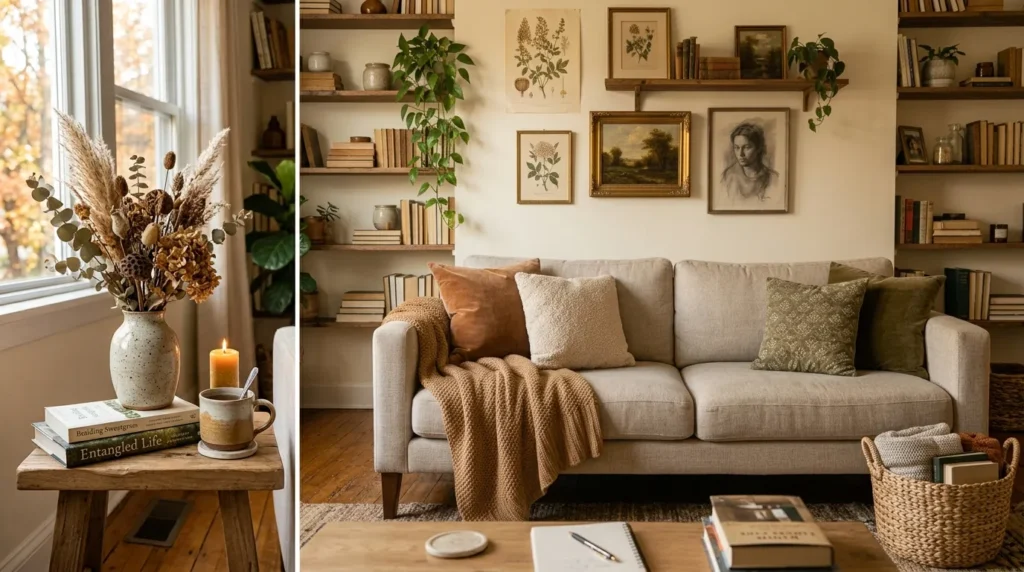
The most interesting homes rarely look as though they were decorated in a single afternoon. They contain books, artwork, inherited pieces, travel finds, photographs, useful objects, and small details that reveal something about the people who live there.
That collected approach works beautifully for fall because seasonal decorating becomes less about buying specific decorations and more about emphasizing what already makes the home comfortable.
A stack of books beside a chair, a woven basket near the sofa, a ceramic bowl on a console, and a warm throw can create a stronger sense of autumn than dozens of themed accessories.
If you’re anything like me, you probably already have more seasonal decorating potential than you realize.
How To Style It
Walk through your home and look for objects that can be rearranged rather than replaced.
Move warm-toned books onto a coffee table. Display a favorite ceramic vessel. Add a framed landscape print to a console. Place a textured throw where it can actually be used.
Use repetition carefully. Repeating one material, such as wood or ceramic, in several areas helps the home feel cohesive.
Most importantly, leave some empty space. A collected room needs visual breathing room so individual pieces can be appreciated.
Frequently Asked Questions
What colors are popular for fall home decorating?
Warm neutrals, terracotta, rust, camel, chocolate brown, olive green, burgundy, cream, and muted beige are versatile choices for fall. Instead of using all of them together, choose two or three accent colors and combine them with the neutral colors already present in your home. This creates a seasonal atmosphere while keeping the overall design comfortable and sophisticated.
How can I decorate my home for fall without spending much money?
Start by rearranging what you already own. Move blankets, pillows, baskets, books, ceramics, artwork, and wood accessories into areas where their colors and textures feel more seasonal. Add inexpensive natural elements such as branches or dried botanicals. Changing lighting and rearranging furniture can also make a noticeable difference without requiring a large decorating budget.
How do I make fall decor look elegant instead of overly themed?
Use seasonal colors, textures, and natural materials rather than relying heavily on obvious fall symbols. Cream, brown, olive, rust, wood, linen, ceramics, and dried branches can communicate the season subtly. Limit decorative pumpkins, signs, and novelty pieces to a few intentional locations rather than using them throughout every room.
What is the easiest room to decorate for fall?
The living room is often the easiest place to begin because small changes can have a large visual impact. Replace or layer a few pillows, add a cozy throw, introduce a warm-toned vase, rearrange decorative objects, and improve the evening lighting. Bedrooms and entryways are also good choices because textiles and small accessories can quickly change their atmosphere.
How can renters decorate for fall without making permanent changes?
Focus on removable elements such as pillows, throws, rugs, artwork, table accessories, lamps, curtains, baskets, and seasonal branches. These items can create a substantial visual change without painting walls or installing permanent fixtures. A renter can also rearrange existing furniture to create a cozier seating arrangement for the season.
How long should fall decorations stay up?
There is no strict decorating schedule. Many people begin introducing fall colors and textures in September and gradually transition toward Thanksgiving-inspired details in November. Neutral autumn elements such as wood, warm textiles, ceramics, and earthy colors can remain useful throughout the colder months and transition naturally into winter.
What makes a home feel cozy in fall?
A combination of warm lighting, comfortable textiles, natural materials, balanced colors, and functional furniture helps create a cozy fall atmosphere. Rather than focusing on one decorative object, consider the whole experience of the room. Soft lighting, a comfortable place to sit, layered textures, and a few meaningful details can make the space feel welcoming.
Conclusion
Fall decorating does not have to mean completely transforming your home every year. In fact, the most timeless seasonal spaces usually rely on a few thoughtful changes rather than an overwhelming collection of decorations.
Start with the elements that make the biggest difference: color, texture, lighting, and natural materials. Warm earth tones can shift the palette, layered textiles can make furniture feel more inviting, and wood and ceramic pieces can add visual warmth without looking overly seasonal.
From there, consider your personal style. If you love traditional interiors, vintage-inspired pieces and deeper colors may feel natural. If your home is modern, curved shapes, neutral ceramics, and restrained botanical arrangements can introduce fall without changing its character.
The goal is not to recreate a picture-perfect room. It is to make your actual home feel comfortable, welcoming, and appropriate for the season.
Choose one or two ideas from this list first. Give yourself time to live with them, then add more only where they genuinely improve the space. A thoughtful fall home should still feel like your home—just a little warmer, softer, and more inviting.
Related Articles
- Cozy Living Room Ideas for a Warm and Inviting Home
- Simple Neutral Bedroom Ideas for a Relaxing Space
- Modern Farmhouse Decor Ideas for Every Room
- Easy Ways to Make a Small Living Room Feel Cozy
- Natural Home Decor Ideas Using Wood and Woven Textures