10 Modern Home Decor Ideas for a Stylish Look
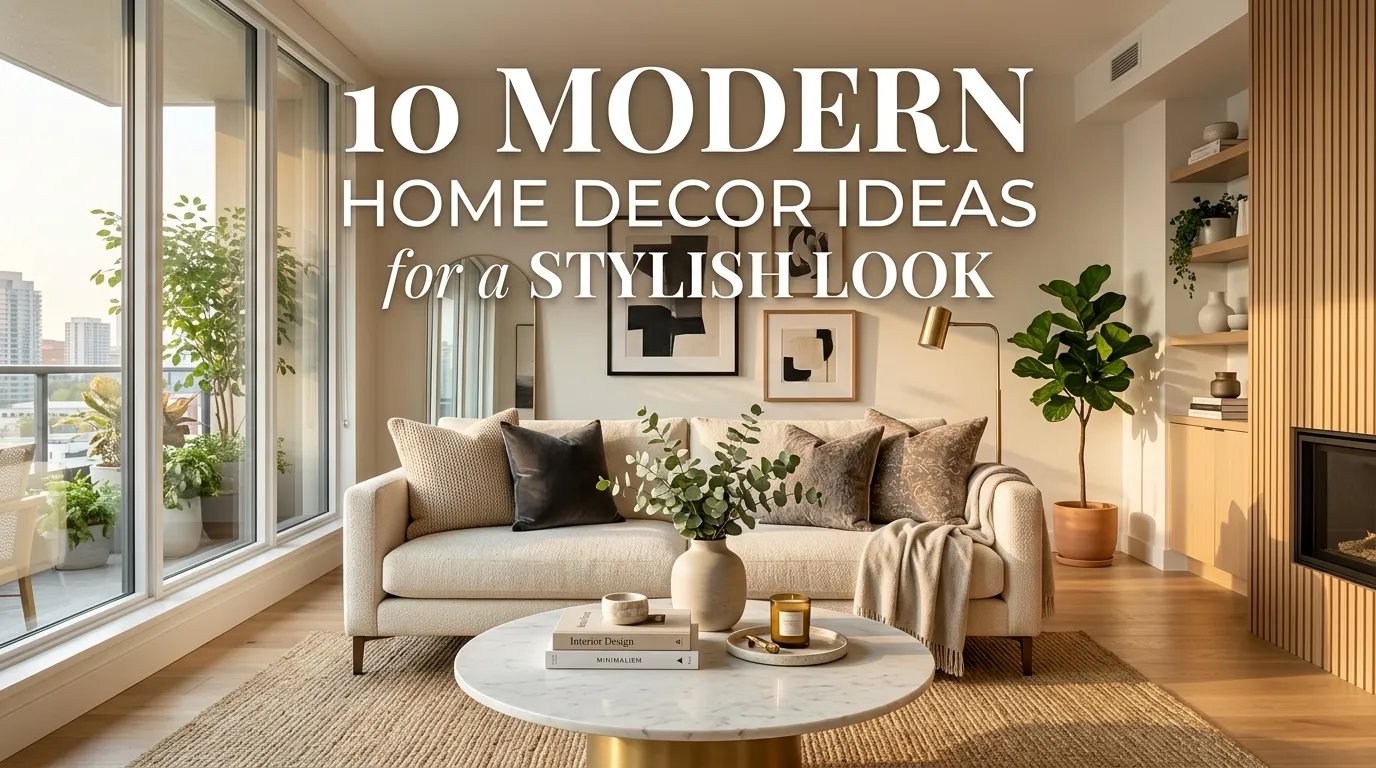
Modern interiors continue to dominate home design trends because they combine beauty, simplicity, and functionality in a way that feels both timeless and practical. Today’s homeowners want spaces that look elegant without feeling overly formal and comfortable without appearing cluttered. The best modern interiors achieve this balance through clean lines, thoughtful styling, quality materials, and carefully selected decorative elements that work together to create a cohesive environment.
One of the reasons contemporary design remains so popular is its versatility. Whether you live in a city apartment, suburban house, townhouse, or newly built property, modern decorating principles can help create a stylish and welcoming atmosphere. Rather than relying on excessive ornamentation, these spaces focus on intentional design choices that improve both appearance and functionality.
If you’re looking to refresh your living space, these ideas offer practical inspiration that can dramatically improve your home’s overall aesthetic. From statement lighting and sleek furniture to layered textures and natural materials, each concept is designed to help create a polished environment that feels sophisticated, comfortable, and perfectly suited for modern living.
1. Statement Lighting
Bullet Points
- Creates visual impact
- Enhances room ambiance
- Acts as decorative art
- Improves functionality
- Elevates overall design
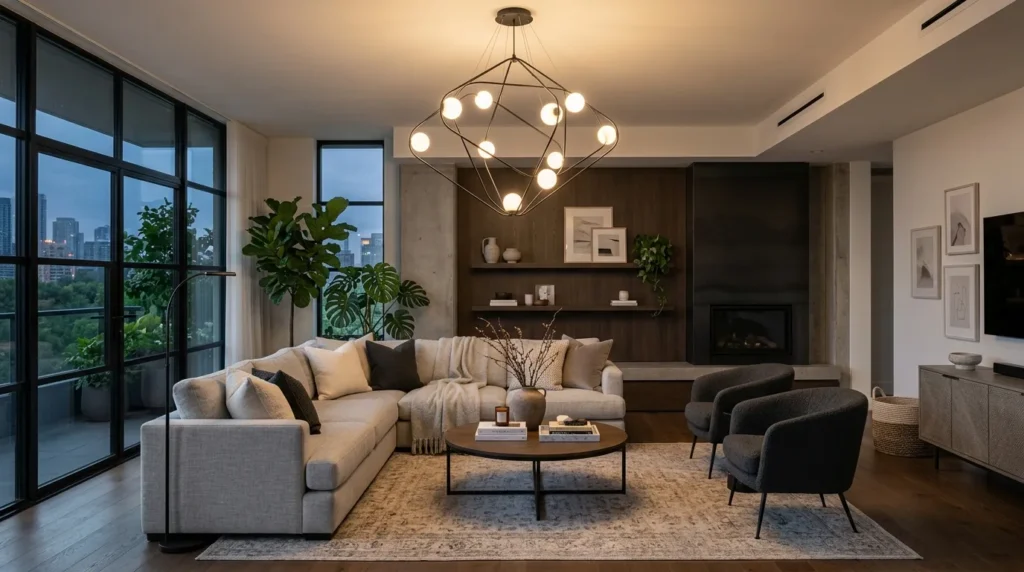
Nothing transforms a room faster than a well-chosen lighting fixture. Modern interiors often use lighting as both a practical necessity and a design statement. Sculptural chandeliers, oversized pendants, geometric fixtures, and sleek wall sconces immediately draw attention while adding personality to the space. These fixtures help define the room’s style while creating visual interest even when the rest of the decor remains simple. Materials such as matte black metal, brushed brass, smoked glass, and natural finishes contribute sophistication while supporting a clean and contemporary aesthetic.
The effect becomes even more impressive when multiple layers of lighting are incorporated. In my experience, combining ceiling fixtures with floor lamps, table lamps, and accent lighting creates a balanced atmosphere that feels warm and inviting. This approach improves functionality while highlighting architectural details and decorative elements. The result is a space that feels professionally designed and visually engaging throughout the day and evening, helping homeowners create a more comfortable and stylish environment.
2. Neutral Color Palette
Bullet Points
- Creates timeless appeal
- Enhances natural light
- Supports versatile styling
- Promotes visual calm
- Makes rooms feel larger
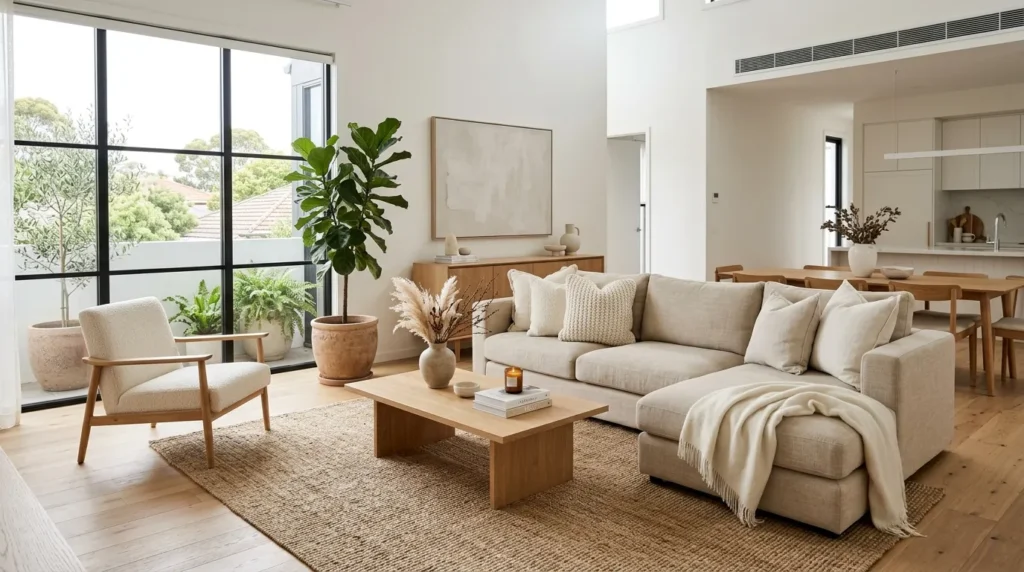
A neutral color palette remains one of the foundations of contemporary interior design. Shades such as warm white, soft beige, greige, taupe, and light gray provide a sophisticated backdrop that allows furnishings and accessories to shine. These colors help reflect natural light throughout the room while creating a calm and welcoming atmosphere. Instead of relying on bold wall colors, modern interiors often use texture, shape, and materials to add visual interest while maintaining a clean and cohesive appearance.
I’ve noticed that neutral spaces tend to age more gracefully than heavily trend-driven designs. Because the palette remains flexible, homeowners can easily update decorative accents, artwork, and furniture without requiring major renovations. Neutral tones also make rooms feel more open and spacious, which is especially beneficial in smaller homes. The result is a versatile design foundation that supports both comfort and elegance while maintaining long-term visual appeal.
3. Clean Line Furniture
Bullet Points
- Creates streamlined interiors
- Supports visual simplicity
- Maximizes functionality
- Enhances spaciousness
- Delivers contemporary appeal
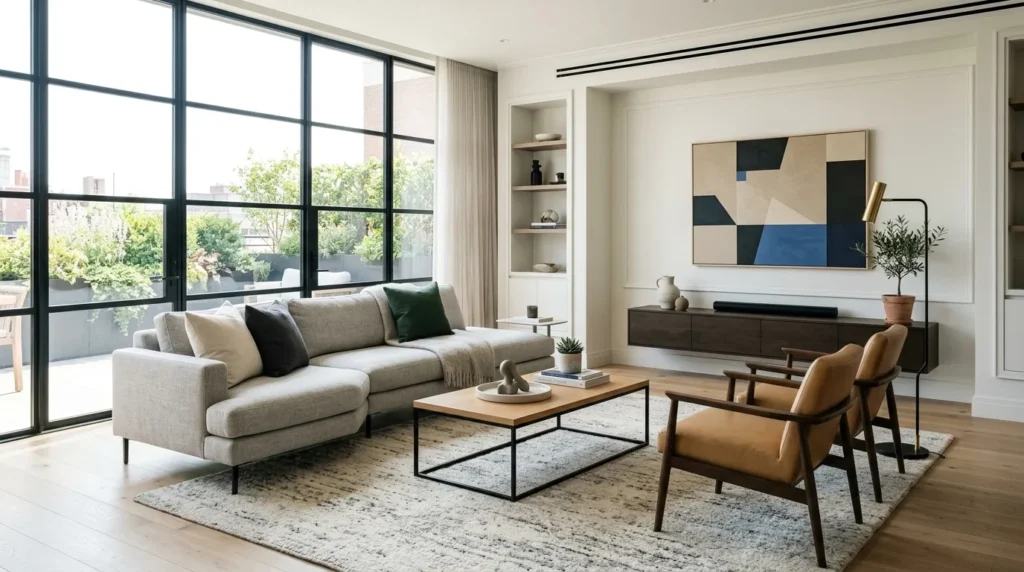
Furniture selection plays a critical role in defining a modern interior. Clean-line furniture emphasizes simple silhouettes, balanced proportions, and functional design rather than excessive ornamentation. Sofas with sleek profiles, minimalist dining tables, streamlined storage units, and sculptural accent chairs contribute to a sophisticated appearance while maintaining comfort. The emphasis remains on quality materials and thoughtful design rather than unnecessary decorative details that may distract from the overall aesthetic.
That’s why many designers recommend investing in timeless furniture pieces with versatile styling potential. I’ve seen this work well in many homes because simple furniture adapts easily as trends evolve. Clean lines help rooms feel organized and uncluttered while creating a sense of openness that enhances the overall environment. The result is an interior that feels polished, practical, and effortlessly stylish without appearing cold or overly minimal.
4. Natural Wood Accents
Bullet Points
- Adds warmth and texture
- Softens modern spaces
- Creates visual balance
- Enhances authenticity
- Supports timeless design
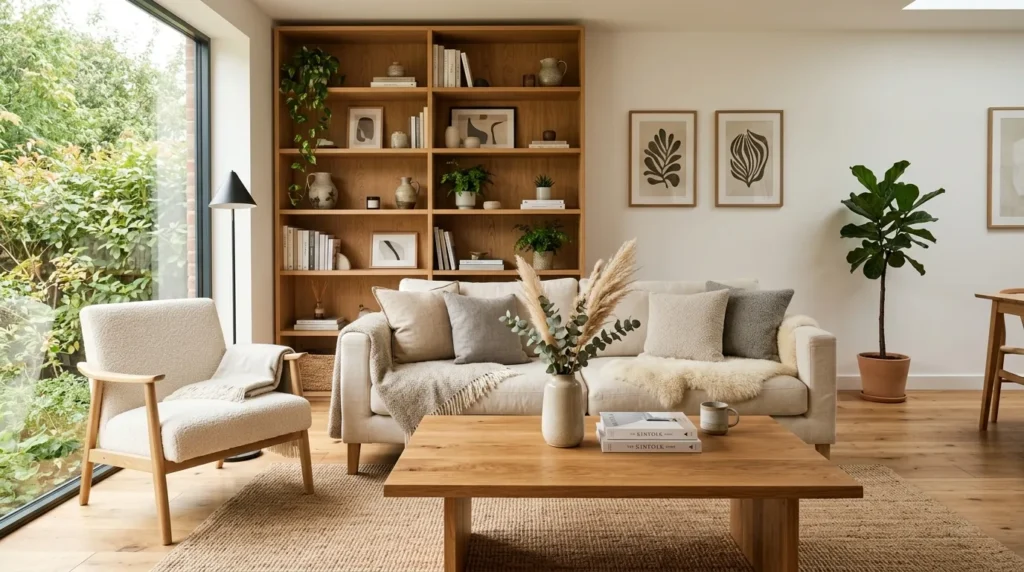
Modern interiors often benefit from the warmth and character that natural wood provides. While contemporary spaces sometimes feature sleek materials such as glass, metal, and stone, wood helps create balance by introducing organic texture and visual softness. Whether used through furniture, shelving, flooring, wall treatments, or decorative accessories, wood contributes warmth that makes interiors feel more welcoming and comfortable. Light oak, walnut, ash, and whitewashed finishes remain particularly popular choices.
In my experience, wood accents help prevent modern rooms from feeling overly sterile or impersonal. Natural grain patterns create subtle variation that adds depth without disrupting the clean aesthetic. Wood pairs beautifully with neutral palettes, soft textiles, greenery, and minimalist decor. This versatility allows homeowners to maintain a contemporary appearance while creating a more inviting atmosphere. The result is a balanced environment that feels both sophisticated and comfortable for everyday living.
5. Minimal Decor Styling
Bullet Points
- Reduces visual clutter
- Highlights quality pieces
- Creates calm interiors
- Supports modern aesthetics
- Improves visual balance
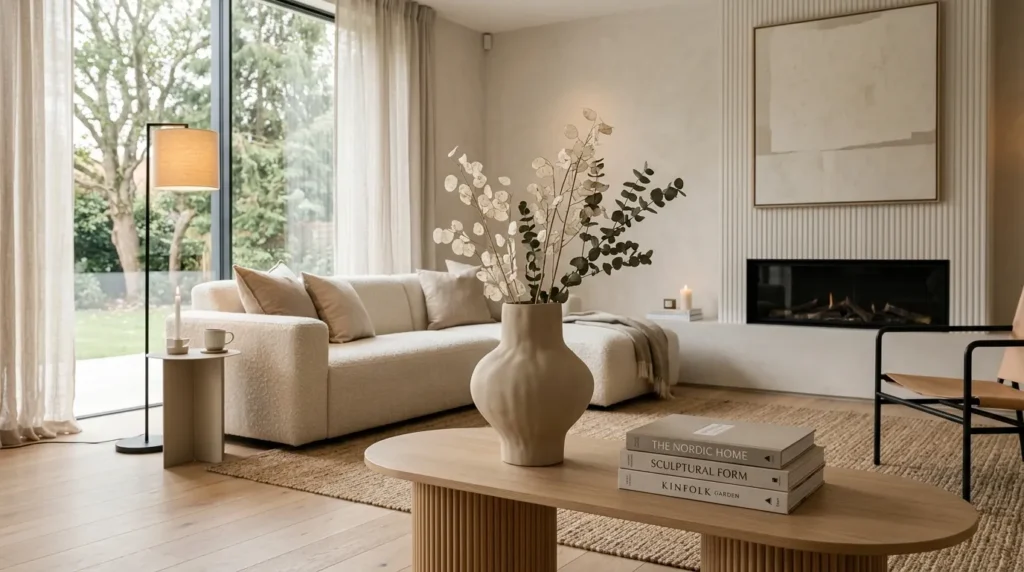
One of the defining characteristics of modern design is intentional simplicity. Rather than filling every surface with decorative objects, modern interiors focus on carefully selected pieces that contribute meaningfully to the space. Sculptural vases, framed artwork, decorative books, candles, and a few statement accessories often provide all the decoration needed. This approach helps maintain visual clarity while allowing individual items to stand out and create greater impact.
I’ve noticed that rooms often feel significantly more sophisticated after unnecessary clutter is removed. Minimal styling does not mean empty spaces; it means making thoughtful choices about what deserves attention. That’s why many designers recommend editing decor regularly and focusing on quality rather than quantity. The result is a room that feels organized, balanced, and elegant while maintaining warmth and personality through carefully curated details.
6. Mixed Material Design
Bullet Points
- Creates visual depth
- Adds modern sophistication
- Balances textures beautifully
- Enhances designer appeal
- Prevents flat interiors
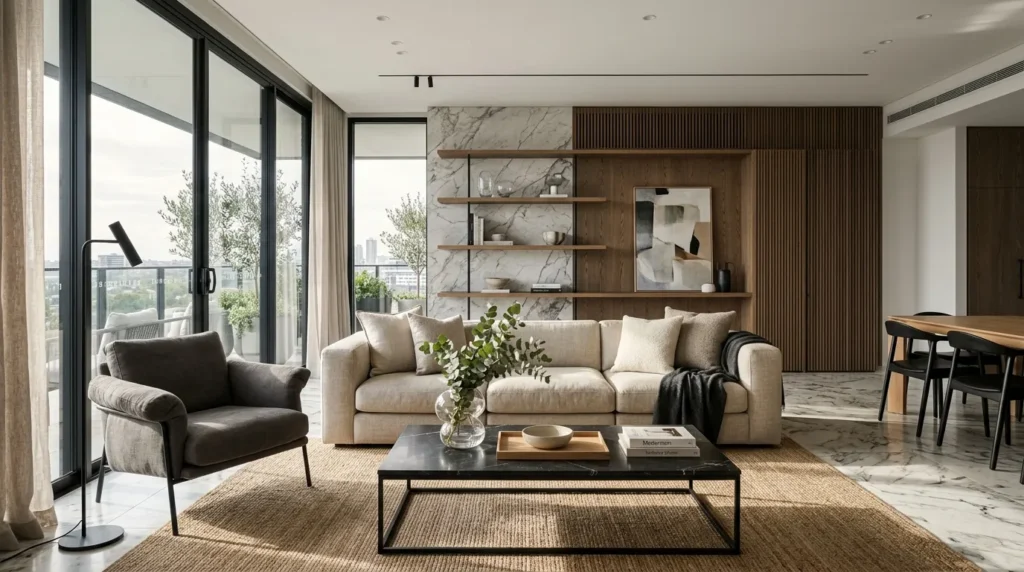
One of the easiest ways to create a high-end modern interior is by combining different materials throughout the space. Wood, metal, glass, marble, concrete, and soft textiles work together to create contrast and visual interest. Instead of relying on color, modern spaces often use material variation to establish depth and personality. A marble coffee table paired with a linen sofa and black metal lighting fixture creates a balanced look that feels layered and intentional. This approach helps rooms appear professionally styled while maintaining the simplicity that defines contemporary design.
I’ve seen this work especially well in living rooms and open-concept spaces where multiple finishes can be repeated throughout the design. The key is maintaining consistency so the room feels cohesive rather than random. Repeating similar materials in different areas creates harmony while still allowing for variety. The result is a sophisticated environment that feels rich, elegant, and visually engaging without becoming cluttered or overwhelming.
7. Floating Shelves
Bullet Points
- Maximizes wall space
- Adds modern functionality
- Displays decorative items
- Reduces visual heaviness
- Supports organized styling
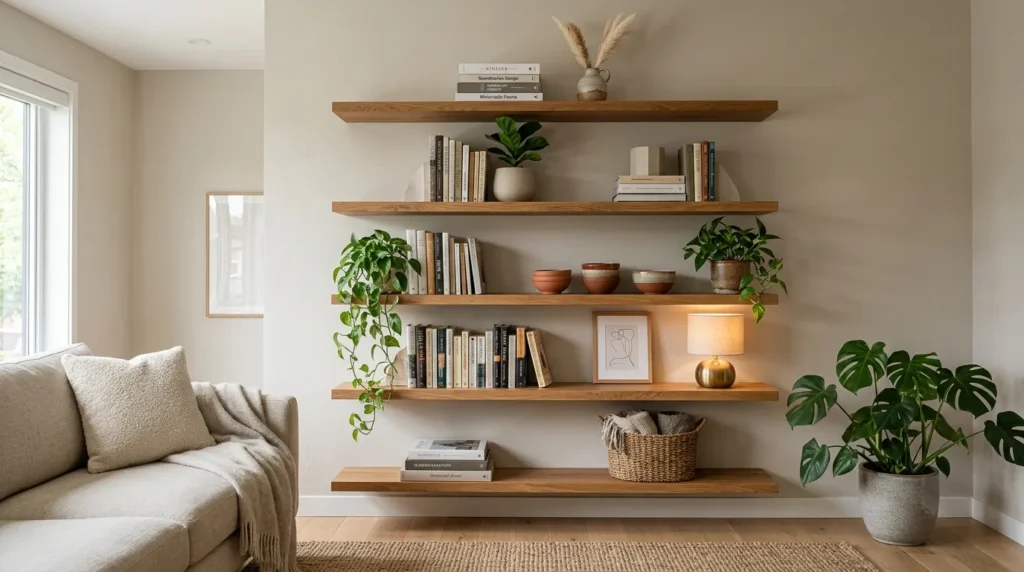
Floating shelves continue to be a favorite feature in contemporary interiors because they combine storage and style without adding bulk. Their clean lines contribute to a streamlined appearance while providing opportunities to display books, artwork, ceramics, plants, and decorative accessories. Unlike traditional shelving units, floating shelves maintain openness and allow walls to feel lighter and more spacious. This makes them particularly useful in smaller homes where every design choice impacts the perception of space.
In my experience, floating shelves work best when styled with restraint. A balanced arrangement of decorative objects, greenery, and personal items creates visual interest without cluttering the room. Their versatility allows them to function beautifully in kitchens, living rooms, bedrooms, offices, and entryways. The result is a practical and stylish solution that enhances organization while supporting the clean and contemporary aesthetic modern homeowners appreciate.
8. Oversized Artwork
Bullet Points
- Creates bold focal points
- Adds personality instantly
- Enhances wall design
- Supports modern aesthetics
- Elevates room sophistication
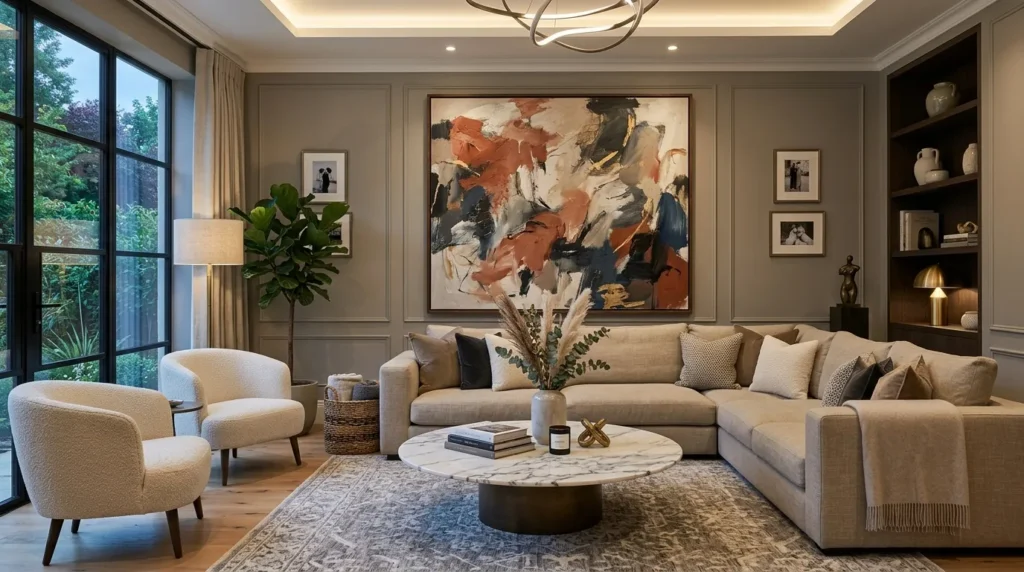
Large-scale artwork remains one of the most effective ways to elevate a contemporary interior. Rather than filling walls with multiple small accessories, oversized pieces create dramatic impact while maintaining simplicity. Abstract paintings, minimalist photography, textured canvases, and modern graphic prints all work beautifully in contemporary spaces. The scale helps anchor furniture arrangements while drawing attention to key areas of the room. Large artwork also contributes color, texture, and personality without creating visual clutter.
That’s why many designers recommend investing in one substantial piece rather than numerous smaller decorations. I’ve noticed that oversized artwork often makes rooms feel more expensive and thoughtfully designed. It provides a focal point that immediately captures attention while complementing surrounding furnishings. The result is an interior that feels curated, confident, and highly stylish while remaining clean and uncluttered.
9. Indoor Greenery
Bullet Points
- Brings nature indoors
- Softens modern spaces
- Adds organic texture
- Enhances freshness
- Creates visual balance
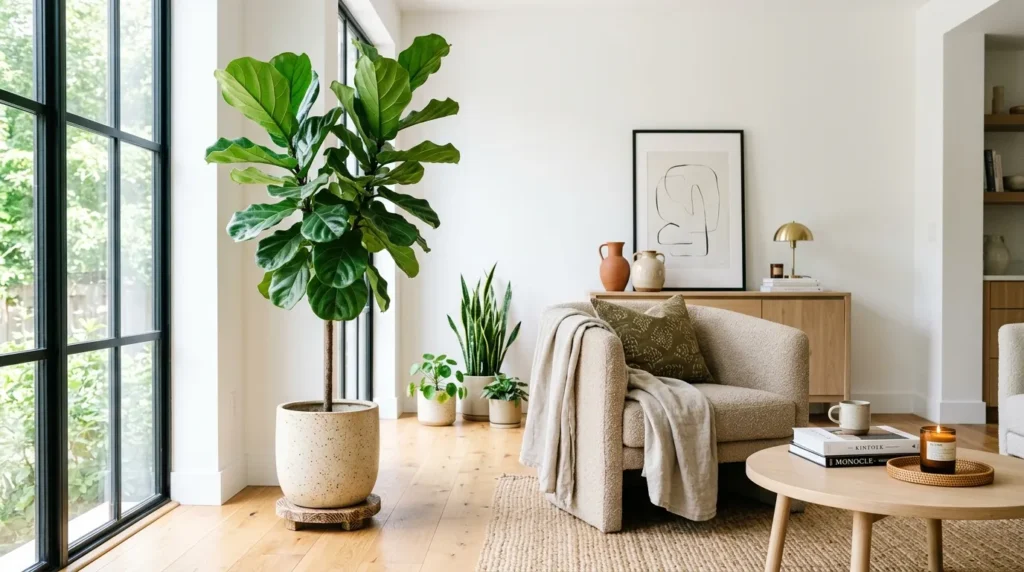
Even the most contemporary interiors benefit from natural elements. Indoor plants introduce life, movement, and texture while helping soften the clean lines commonly found in modern spaces. Large statement plants such as fiddle leaf figs, olive trees, snake plants, and monstera varieties work particularly well because they add presence without overwhelming the room. Their natural shapes contrast beautifully with sleek furniture and architectural features.
I’ve noticed that greenery often serves as the finishing touch that makes a modern room feel complete. Plants introduce subtle color while maintaining the calm and sophisticated atmosphere many homeowners desire. Decorative planters made from ceramic, concrete, stone, or metal further enhance the design. The result is a balanced environment that feels fresh, welcoming, and connected to nature while preserving the elegance of contemporary interiors.
10. Layered Lighting
Bullet Points
- Improves functionality
- Creates ambiance
- Adds visual depth
- Highlights key features
- Enhances overall comfort
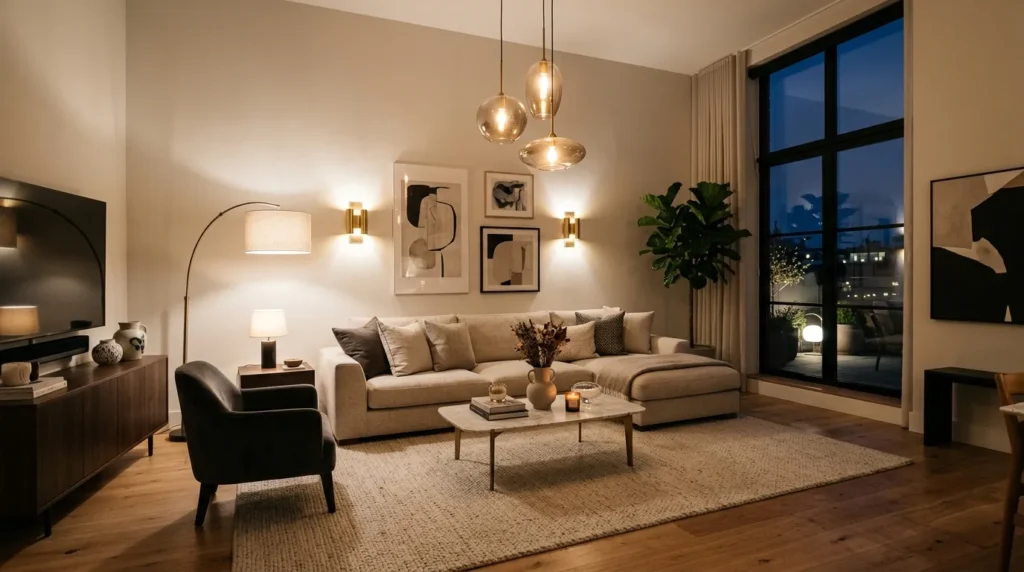
Lighting plays a crucial role in modern interior design because it affects both appearance and usability. Rather than relying on a single overhead fixture, contemporary spaces use layered lighting to create flexibility and atmosphere. Combining pendant lights, floor lamps, table lamps, wall sconces, and accent lighting helps establish depth while supporting different activities throughout the day. Warm lighting creates comfort, while strategically placed fixtures highlight textures, artwork, and architectural details.
I’ve seen this approach completely transform interiors without requiring major renovations. Layered lighting allows homeowners to control mood and functionality while improving the overall aesthetic. That’s why many designers recommend viewing lighting as an essential design element rather than simply a practical necessity. The result is a sophisticated environment that feels warm, inviting, and visually dynamic from morning to evening.