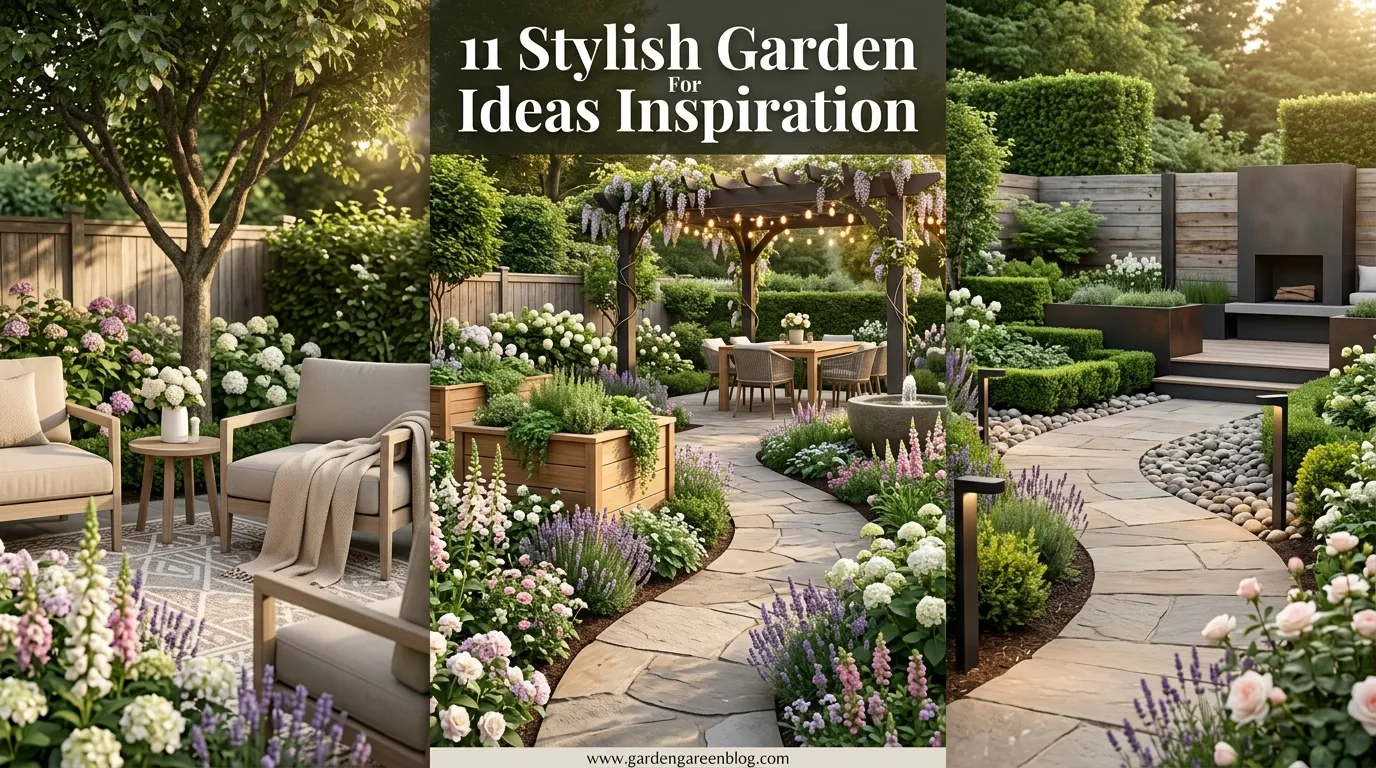
11 Stylish Garden Ideas For Inspiration
A beautiful outdoor space can completely change how a home feels, especially when the yard becomes more than just grass and a few plants. For many USA homeowners, the garden is now a place to relax, entertain, grow fresh herbs, enjoy morning coffee, and create curb appeal that feels personal. The right outdoor inspiration helps you use your space with more intention, whether you have a small suburban backyard, a sunny front yard, a narrow side area, or a larger landscape that needs structure.
The best designs are not always complicated or expensive. They are thoughtful, layered, and practical. A curved path can make a yard feel graceful, a shaded chair can create a private retreat, and container plants can soften a plain patio in one afternoon. These ideas focus on beauty, comfort, and real-life function so your outdoor area feels stylish, usable, and Pinterest-worthy without becoming difficult to maintain.
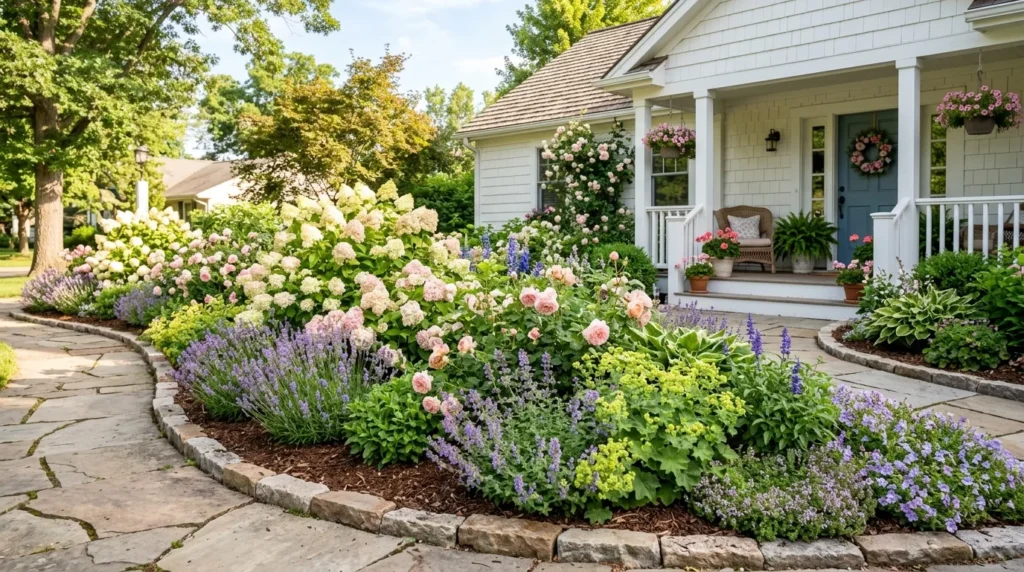
1. Cottage Flower Borders
- Adds softness, color, and charm around lawns, fences, and walkways.
- Works beautifully with perennials, shrubs, climbing roses, and ground covers.
- Helps the yard feel fuller and more established.
- Creates a romantic, photo-friendly outdoor look.
- Can be adapted for sunny or partially shaded spaces.
A layered cottage border makes even a simple yard feel romantic, mature, and full of life. The secret is mixing plants by height, bloom time, and texture instead of lining everything up in one flat row. Place taller shrubs or climbing roses toward the back, mid-height perennials in the center, and soft spillers near the edge. In my experience, repeating a few plants creates a more professional look than buying one of everything. Use mulch, curved edging, and stepping stones to keep the bed tidy through changing seasons in spring.
To make the border practical for a USA home, choose plants that match your region instead of copying a photo exactly. In cooler areas, peonies, phlox, catmint, and hydrangeas can look lush, while warmer zones may do better with salvia, lantana, lavender, and ornamental grasses. Add drip irrigation under mulch if summers get dry. The transformation is soft but powerful: plain lawn becomes a colorful frame around the home, and the yard feels welcoming before anyone reaches the front door through every season. It also feels timeless beside porches, fences, and walkways.
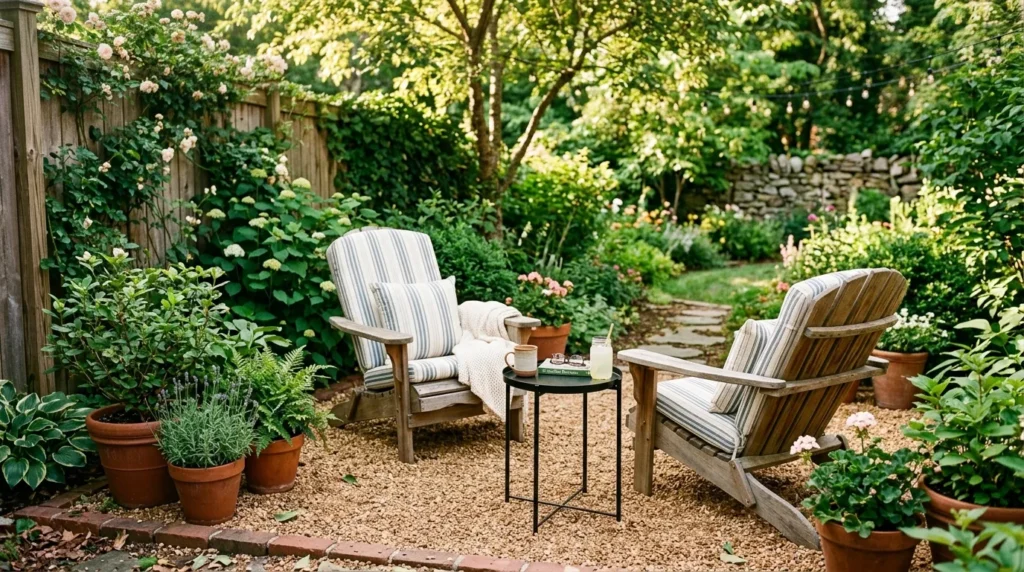
2. Gravel Seating Nook
- Turns an unused corner into a defined outdoor sitting area.
- Costs less than many full patio installations.
- Works with pea gravel, crushed stone, edging, and simple furniture.
- Adds texture and casual charm to the backyard.
- Easy to refresh with cushions, planters, and seasonal decor.
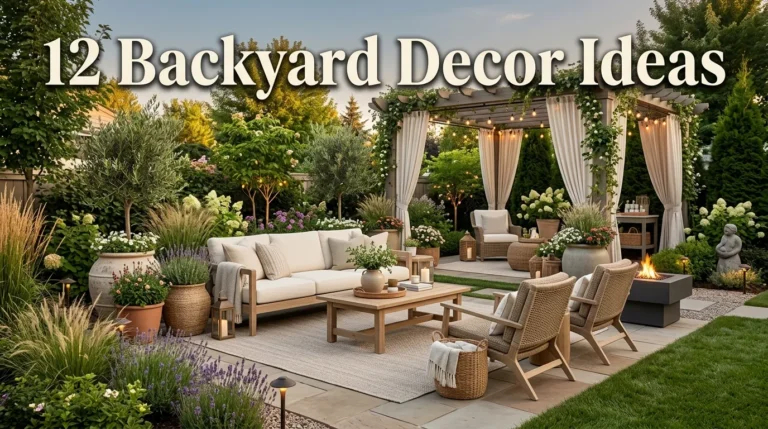
A gravel seating nook can turn an unused corner into a relaxed outdoor room with very little construction. The look works because gravel feels casual, textured, and flexible, while furniture gives the area a clear purpose. Start by clearing the space, adding landscape fabric, and spreading pea gravel or crushed stone over a compacted base. Then anchor the area with two chairs, a small table, and a few planters. That’s why many designers recommend gravel for homeowners who want style without pouring concrete or scheduling major hardscape work. It also suits renters, beginners, and quick weekend upgrades.
The best part is how easily this nook can change with the seasons. In spring, add terracotta pots filled with tulips or herbs; in summer, use striped cushions and a large umbrella; in fall, bring in lanterns and cozy throws. Choose metal, teak, resin wicker, or powder-coated furniture for durability. A clean border of brick, steel edging, or natural stone keeps gravel in place. The result is a low-maintenance retreat that feels intentional, affordable, and perfect for coffee, reading, or evening conversation. It can feel finished without becoming costly, fussy, or permanent.
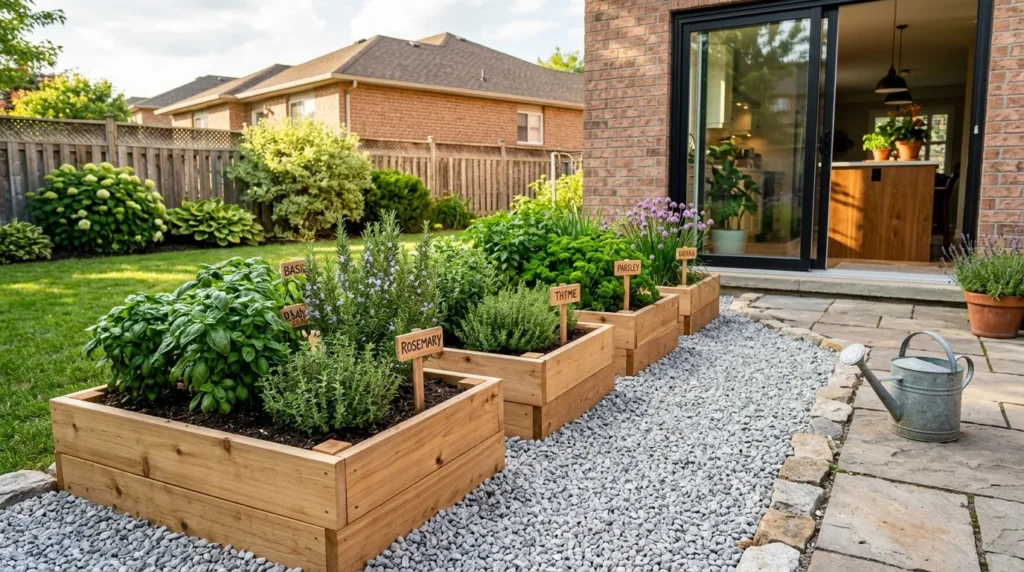
3. Raised Herb Beds
- Keeps fresh herbs close to the kitchen or grill area.
- Improves soil control, drainage, and organization.
- Works well in small yards, patios, and side spaces.
- Adds fragrance, texture, and edible beauty.
- Makes outdoor cooking more enjoyable and convenient.
Raised herb beds make outdoor cooking feel more connected, fresh, and genuinely useful. Instead of hiding herbs in random pots, give them a dedicated space near the kitchen door, patio, or grill station. Basil, rosemary, thyme, parsley, mint, chives, cilantro, and oregano all become easier to reach when the beds are elevated and organized. Cedar, redwood, galvanized metal, and composite boards are popular options because they handle weather well. The neat structure also brings a clean, Pinterest-friendly look to small backyards and busy family homes. This keeps fresh flavor close to real daily cooking routines.
Practical planning matters because herbs have different growing habits and water needs. Keep aggressive mint in its own container or separated section so it does not take over the bed. Place sun-loving Mediterranean herbs in the brightest area, and group softer herbs where they receive consistent moisture. Add labels, small gravel paths, and a watering can nearby for charm and convenience. This idea improves meals, adds fragrance, and gives the yard a productive feature that feels beautiful rather than purely functional while staying simple. It stays decorative enough for visible patios and small yards.
4. Curved Stone Path
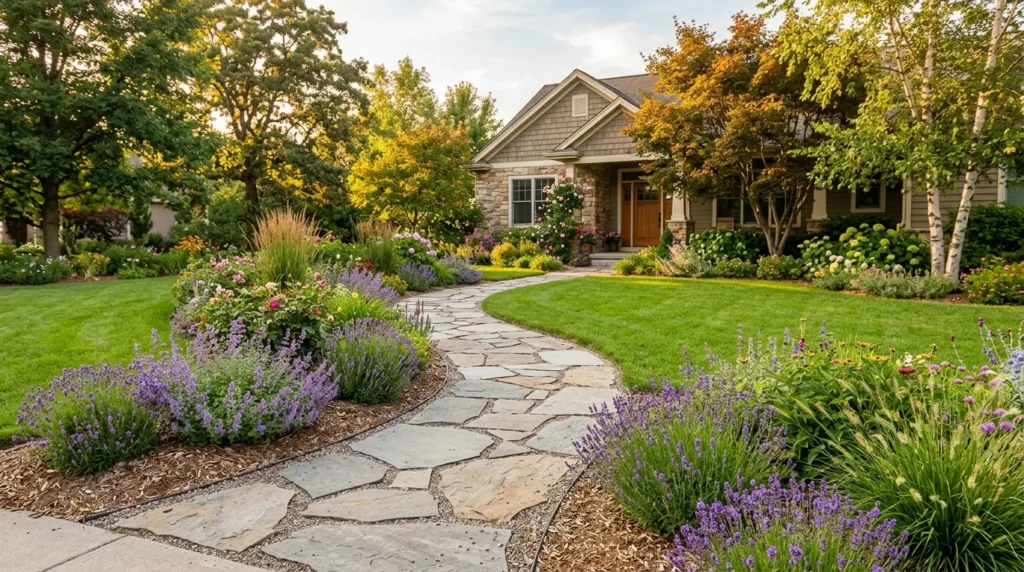
- Creates graceful movement through the outdoor space.
- Works with flagstone, brick, gravel, limestone, or concrete pavers.
- Helps guide guests toward entries, patios, or hidden corners.
- Protects lawn areas from repeated foot traffic.
- Adds structure without making the yard feel stiff.
A curved stone path gives the landscape movement, charm, and a sense of discovery. Straight paths can look formal, but a gentle curve feels natural and invites people to explore the yard. Use flagstone, bluestone, brick, limestone, or concrete stepping stones depending on your home’s style. Set stones into gravel, mulch, or low-growing ground cover for a softer finish. I’ve noticed that curved paths work especially well in front yards because they make the walk to the door feel warm and graceful without needing expensive construction. It adds charm without complicated planting or major construction work.
To build a path that lasts, start with the route people actually use and shape the curve around it. Keep the width comfortable enough for daily walking, usually at least three feet for a main walkway. Add a compacted base if stones need extra stability, especially in areas with freeze-thaw weather. Plant low flowers, grasses, or evergreens along the edge to blend the path into the yard. The final look improves flow, protects grass, and gives the whole outdoor space a more designed feeling for daily use. That detail matters for guests, deliveries, and everyday outdoor movement.
5. Modern Water Bowl
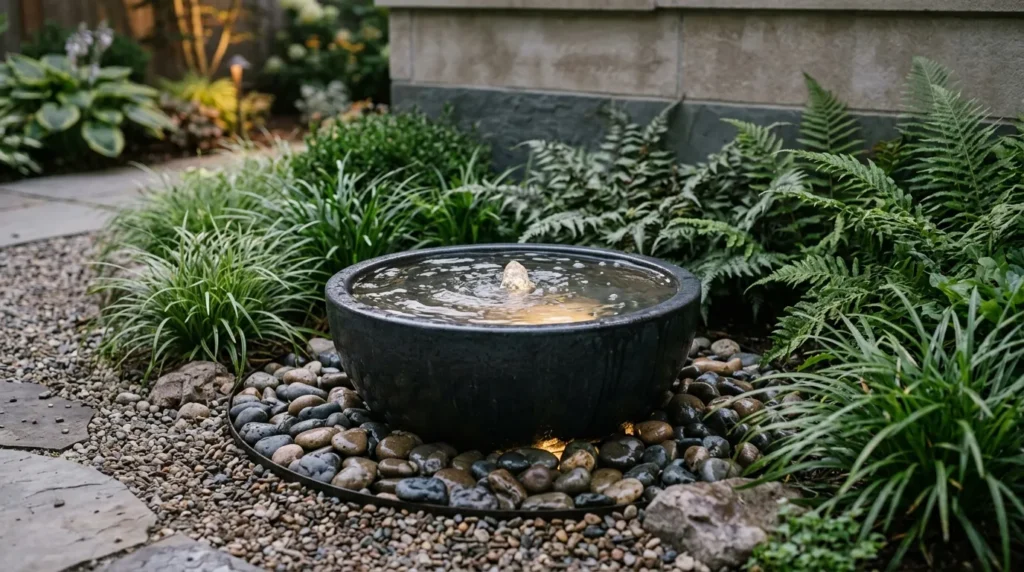
- Adds soothing sound and movement to the landscape.
- Works in small gardens, patios, courtyards, and entry areas.
- Uses less space than a pond or large fountain.
- Pairs well with river rock, gravel, grasses, and low lighting.
- Creates a calm, spa-inspired focal point.
A modern water bowl adds quiet luxury without demanding the space or maintenance of a full pond. Its appeal comes from simplicity: a round basin, gentle bubbling water, and a clean setting of stone, gravel, or low plants. This feature works near patios, courtyards, entry gardens, and narrow side yards where sound and movement matter. Choose concrete, ceramic, basalt, metal, or fiberglass depending on the style you want. The soft water sound can make even a busy neighborhood feel more peaceful and calming. It brings calm style without overwhelming a compact outdoor layout.
For everyday use, choose a recirculating pump and place the bowl where electricity or solar exposure makes sense. Surround it with river rock, dwarf grasses, ferns, hostas, or low succulents to create a finished nook. Keep the water easy to reach for cleaning, and avoid placing it directly under messy trees. At night, a small uplight or nearby lantern makes the water shimmer beautifully. This upgrade creates a calm focal point that feels spa-inspired but still realistic for a suburban yard in any season. The effect works during quiet mornings and warm summer evenings.
6. Vertical Green Wall
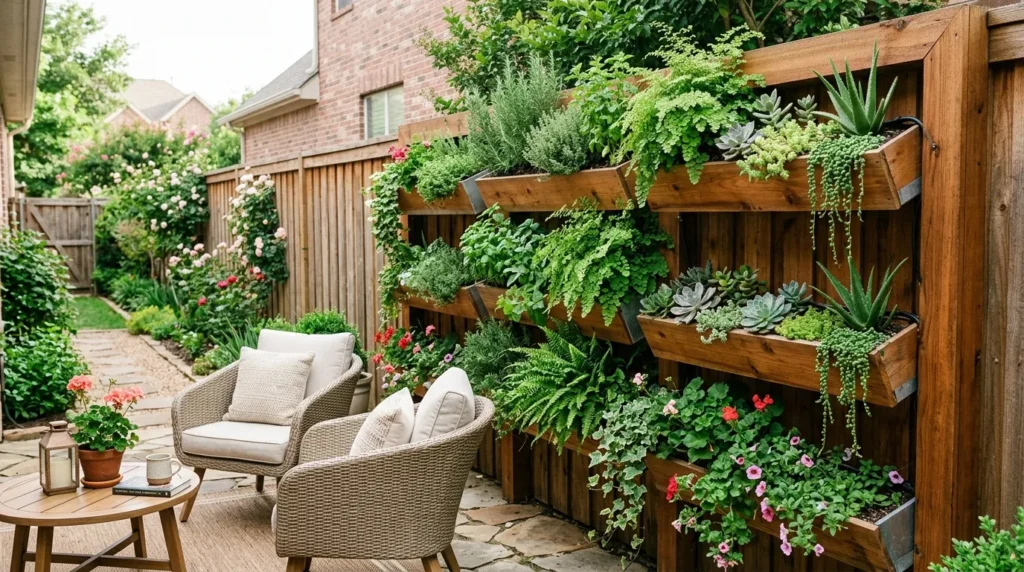
- Adds greenery when ground space is limited.
- Softens fences, blank walls, balconies, and patios.
- Works with herbs, vines, ferns, succulents, and trailing flowers.
- Creates privacy and visual height.
- Gives small spaces a lush, styled backdrop.
A vertical green wall is a smart way to add lush beauty when ground space is limited. It works on patios, balconies, side yards, fences, and blank exterior walls that need life and texture. Use wall-mounted planters, trellis panels, pocket systems, or stacked containers to grow herbs, ferns, succulents, vines, or trailing flowers. The vertical shape draws the eye upward, making small spaces feel taller and more styled. It can also soften privacy fences that otherwise look flat or harsh from indoors. It adds beauty without stealing patio or walkway space.
Success depends on choosing plants that match the wall’s light and your watering routine. Sunny walls can support sedum, rosemary, lavender, strawberries, and trailing petunias, while shaded walls may suit ferns, pothos in warm climates, ivy, and begonias. Use a drip line if the wall is large, because upper pockets dry out faster. Keep the frame sturdy and weather-resistant with cedar, metal, composite, or powder-coated supports. The result is a living backdrop that adds color, privacy, and texture without crowding the floor. It turns plain boundaries into attractive planted design features.
7. Wildflower Meadow Patch
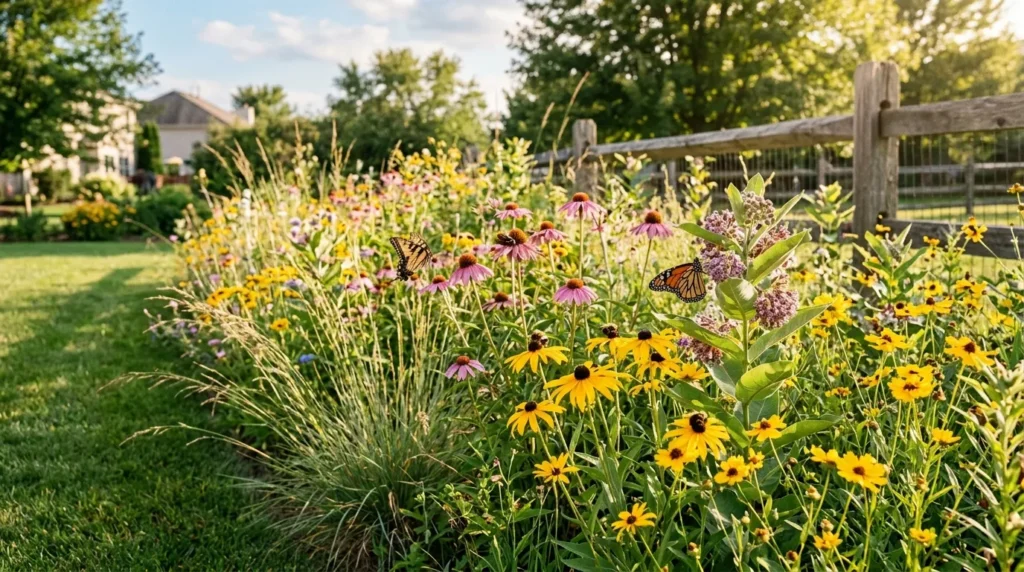
- Adds natural color and movement to the yard.
- Supports bees, butterflies, and other helpful pollinators.
- Reduces the need for perfectly manicured lawn areas.
- Works beautifully near fences, driveways, and sunny corners.
- Creates a relaxed, eco-friendly outdoor look.
A wildflower meadow patch brings effortless color and a more natural personality to the yard. It does not need to replace the entire lawn; even a small sunny strip can become a lively pollinator-friendly feature. The key is selecting native or regionally adapted seeds rather than random mixes that may not thrive locally. Coneflowers, black-eyed Susans, coreopsis, yarrow, milkweed, blanket flower, and native grasses can create a beautiful seasonal display. This style feels relaxed, but it still needs thoughtful preparation and planning. The look gives the yard a softer, more personal identity.
Before seeding, remove existing grass or weeds so young plants do not have to compete. Rake the soil lightly, spread seed evenly, press it down, and water gently until seedlings establish. Add a mowed edge or stone border if you want the meadow to look intentional instead of messy. Over time, this area can reduce mowing, support bees and butterflies, and add movement in the breeze. The transformation feels cheerful, eco-conscious, and especially charming beside fences, driveways, or backyard corners with less upkeep. It adds color while reducing some weekly lawn maintenance.
8. Shaded Reading Spot
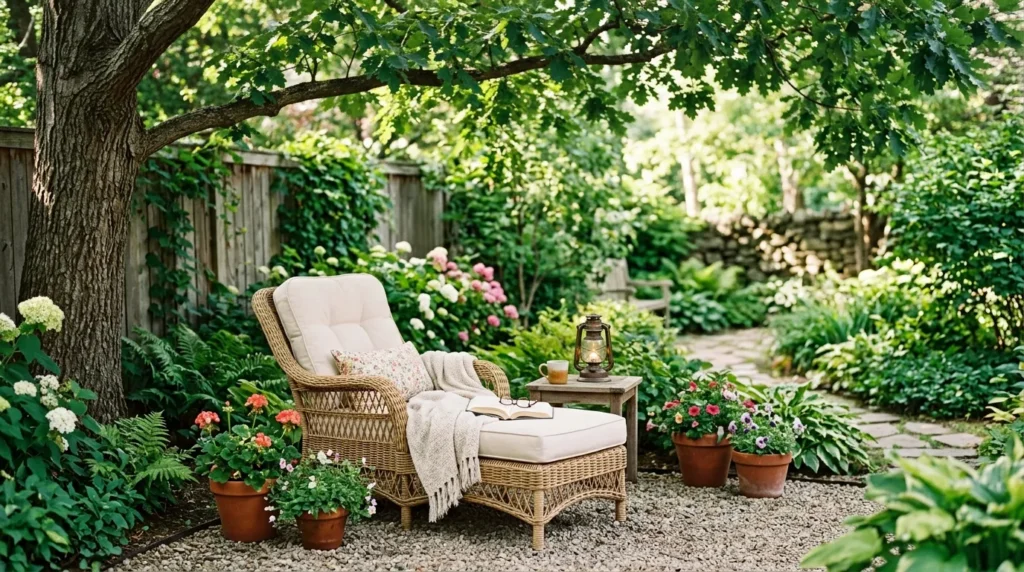
- Creates a quiet personal retreat outdoors.
- Works under trees, pergolas, umbrellas, or shade sails.
- Adds comfort with seating, cushions, tables, and soft decor.
- Makes unused corners feel peaceful and purposeful.
- Encourages daily relaxation beyond the patio or deck.
A shaded reading spot can make the yard feel deeply personal and restful. Many outdoor spaces focus on entertaining, but a quiet chair under a tree or pergola creates a different kind of value. Start with shade, then add comfortable seating, a side table, soft cushions, and a view of plants or flowers. Materials like teak, wicker, powder-coated aluminum, and outdoor fabric work well because they handle weather while still feeling cozy. This small retreat gives the yard emotional warmth and encourages daily pauses. It also encourages you to enjoy the landscape more often.
To make the space usable, think about comfort at different times of day. Morning readers may want filtered light, while afternoon use needs stronger shade from a tree, umbrella, sail, or pergola. Add a gravel pad, deck tiles, or pavers so the chair stays level and dry. A lantern, small planter, and weatherproof storage basket can finish the corner without clutter. This idea turns an overlooked patch into a peaceful pause, perfect for books, phone calls, prayer, journaling, or quiet coffee. The finished corner still feels simple, private, and easy.
9. Patio Container Layers
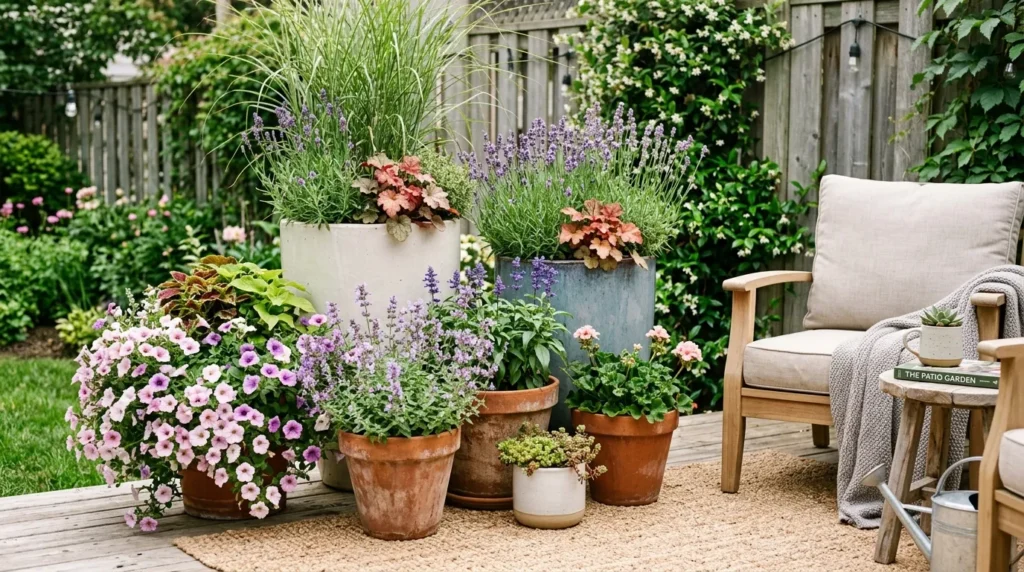
- Softens hard patios, decks, and balconies.
- Adds seasonal color without digging new beds.
- Works with ceramic, terracotta, concrete, resin, or woven planters.
- Lets renters and homeowners refresh quickly.
- Creates height, texture, and visual movement.
Patio container layers are one of the easiest ways to make a hard surface feel lush and welcoming. Instead of placing one pot in each corner, group containers in different heights, shapes, and textures. Use a tall planter for structure, medium pots for color, and low bowls for trailing plants. Mix glazed ceramic, terracotta, concrete, resin, or woven baskets depending on the mood. The layered arrangement gives patios and decks instant softness, especially when there is no room for planting beds nearby. This works beautifully in rentals, townhomes, and compact backyards.
For a designer look, repeat a small color palette across the containers and flowers. White, lavender, sage, and soft pink feel calm; coral, yellow, and green feel cheerful; black, cream, and olive feel modern. Use potting mix with good drainage, and choose plants based on sun exposure. Thriller, filler, and spiller combinations work well for visual balance. With regular watering and seasonal updates, container layers can refresh the patio quickly, making the entire outdoor space feel styled, colorful, and ready for guests. It offers impact without major construction or permanent landscape changes.
10. Edible Backyard Corner
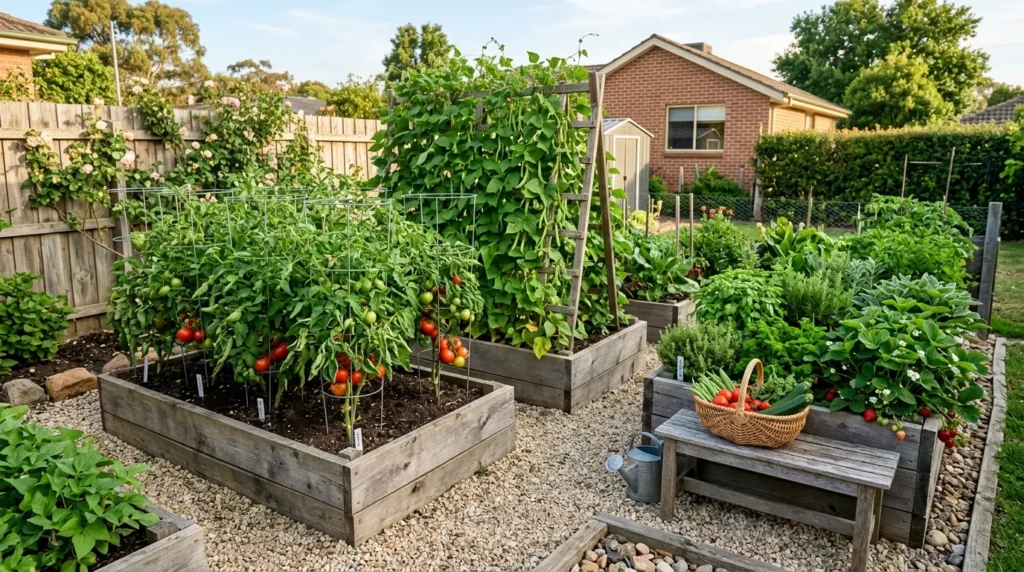
- Blends beauty with practical food growing.
- Works with raised beds, trellises, containers, and compact paths.
- Supports herbs, greens, tomatoes, peppers, berries, and beans.
- Makes the backyard more productive and family-friendly.
- Adds fresh harvests to everyday meals.
An edible backyard corner blends beauty with the satisfaction of growing food at home. It can be as simple as a few raised beds, a trellis for beans, and containers filled with tomatoes, peppers, strawberries, or herbs. The best edible spaces are close enough to the kitchen that harvesting feels easy during real meals. Use clean paths, attractive supports, and repeated materials so the area looks designed rather than temporary. In my experience, people maintain food gardens better when they are beautiful. It still looks attractive from the patio, kitchen, or windows.
Choose crops based on sunlight, family habits, and the amount of time you can realistically spend outside. Leafy greens and herbs are rewarding for beginners, while tomatoes, cucumbers, and squash need more room and support. Add compost, mulch, and drip irrigation to reduce daily stress. A small bench, tool hook, and harvest basket can make the corner feel charming and useful. This feature adds freshness to meals, teaches kids about food, and gives the backyard a productive rhythm through the seasons. The space feels purposeful instead of purely practical or hidden.
11. Evening Light Plan
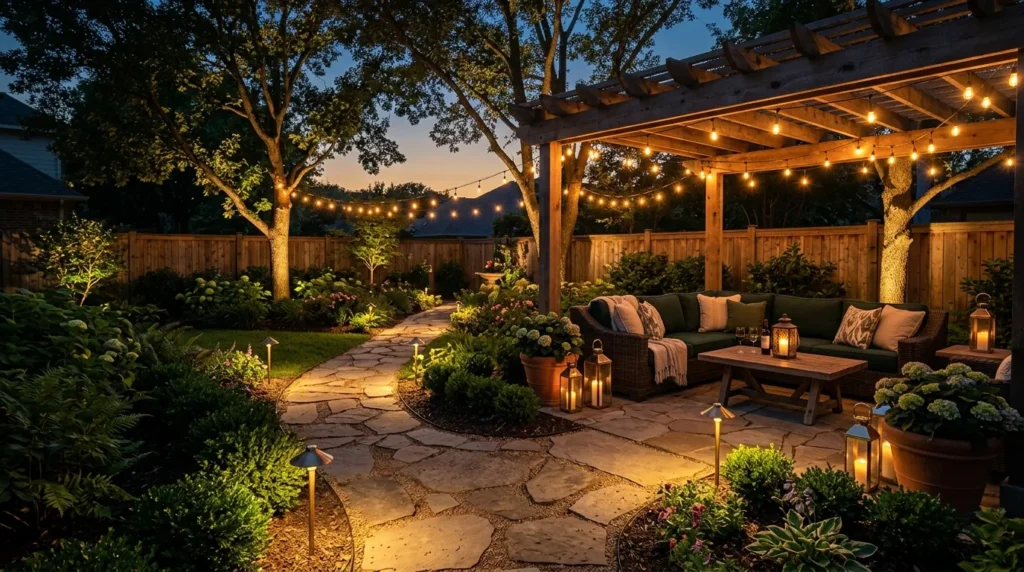
- Makes the yard usable after sunset.
- Improves safety around paths, steps, patios, and entries.
- Highlights trees, planting beds, water features, and walls.
- Adds warmth, mood, and nighttime curb appeal.
- Works with low-voltage, solar, string, and wall-mounted lights.
Evening lighting can make the yard feel magical, safe, and much more expensive. A good plan uses layers instead of one bright fixture that washes everything out. Start with path lights for movement, add uplights for trees or architectural plants, then finish with ambient string lights, sconces, or lanterns near seating areas. Warm white light usually feels softer and more flattering than cool blue tones. That’s why many landscape professionals treat lighting as the final polish, not an afterthought for outdoor living. The glow supports dinners, gatherings, and quiet evenings outdoors.
To keep the effect elegant, focus lights on the features you want to notice after sunset. Highlight a beautiful tree, a water bowl, a stone wall, or the edge of a patio. Use low-voltage fixtures for long-term reliability and solar lights where wiring is not practical. Avoid over-lighting every inch, because shadows create depth and mood. With the right balance, the yard becomes easier to use at night, more secure near pathways, and more inviting from inside the house. This matters during short winter days and late summer nights too.