Narrow Apartment Balcony Layout Ideas for a Cozy Morning Coffee Nook
Transforming a restricted outdoor space into a functional retreat requires a minimum width of 36 inches to accommodate standard café-style seating comfortably. This specific clearance ensures that you can move past your furniture without scraping the railing or obstructing the door swing. By prioritizing these dimensions, you maintain essential safety egress while creating a dedicated zone for your morning coffee.
Focusing on vertical storage and foldable elements allows you to maximize every square inch of your balcony. Proper planning prevents the common mistake of overcrowding, ensuring your morning ritual remains peaceful rather than cluttered.
Optimizing Vertical Space for Small Balconies
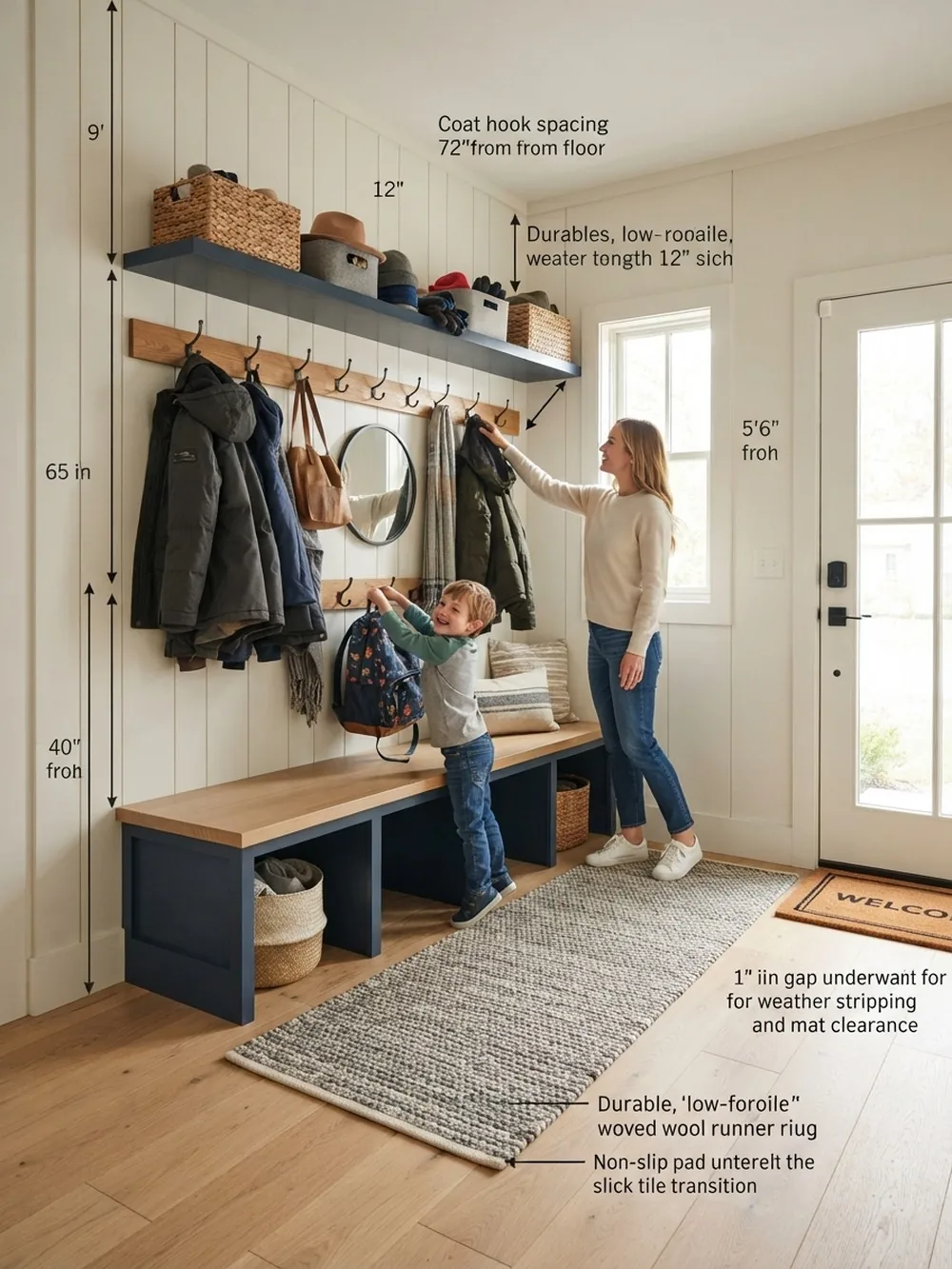
Verticality is the most effective tool for managing a cramped balcony footprint. By installing wall-mounted shelves or pegboards, you move decorative items and plants off the floor entirely. This approach keeps the ground clear for seating, which is essential when your balcony is less than four feet deep.
Consider using a hanging herb garden or a vertical trellis to add greenery without sacrificing floor space. These additions provide a sense of privacy from neighboring units while creating a lush aesthetic. Vertical planters also act as a soft sound barrier, dampening street noise during your quiet morning hours.
Lighting should also be directed upward or mounted on the walls rather than using floor lamps. Wall sconces or string lights draped along the ceiling perimeter keep the floor clear of cables and tripods. This design choice makes the space feel larger and more open by drawing the eye toward the height of the area.
Selecting Furniture for Tight Dimensions

Furniture selection dictates the functionality of your morning coffee nook. You should prioritize pieces that are specifically designed for “bistro” or “balcony” use, which typically feature smaller footprints. A bistro set consisting of two folding chairs and a small circular table is the gold standard for narrow spaces.
Foldable furniture is essential because it allows you to regain your full balcony length when you aren’t drinking coffee. You can store these items flat against the wall or inside a storage bench when the weather turns poor. Ensure your chair frames are made of powder-coated steel or treated teak to resist the elements.
Avoid oversized armchairs or bulky lounge sets that overwhelm the visual field. Instead, choose slim-profile seating that offers lumbar support without excessive width. If your balcony allows, a wall-mounted drop-leaf table provides a sturdy surface for a coffee mug and a book without taking up any footprint when stowed.
Safety Clearances and Building Codes
Safety is the primary concern when modifying an apartment balcony, particularly regarding load-bearing capacity and railing height. Most residential building codes require balcony railings to be at least 42 inches high to prevent accidental falls. You must never attach heavy furniture or heavy planters to the railing itself, as this can compromise the structure.
Ensure that any furniture you choose does not block the primary emergency exit path from your balcony door. A clear path of at least 30 inches should be maintained at all times to satisfy basic fire safety requirements. Always consult your apartment lease or building management guidelines before installing permanent fixtures or heavy decking.
Check the structural integrity of your balcony floor before placing heavy pots or furniture. Most residential balconies are designed to support a specific load, typically around 40 to 60 pounds per square foot. Overloading the space with large concrete planters or heavy wooden furniture can lead to structural concerns or management fines.
Flooring Solutions for Aesthetic Appeal
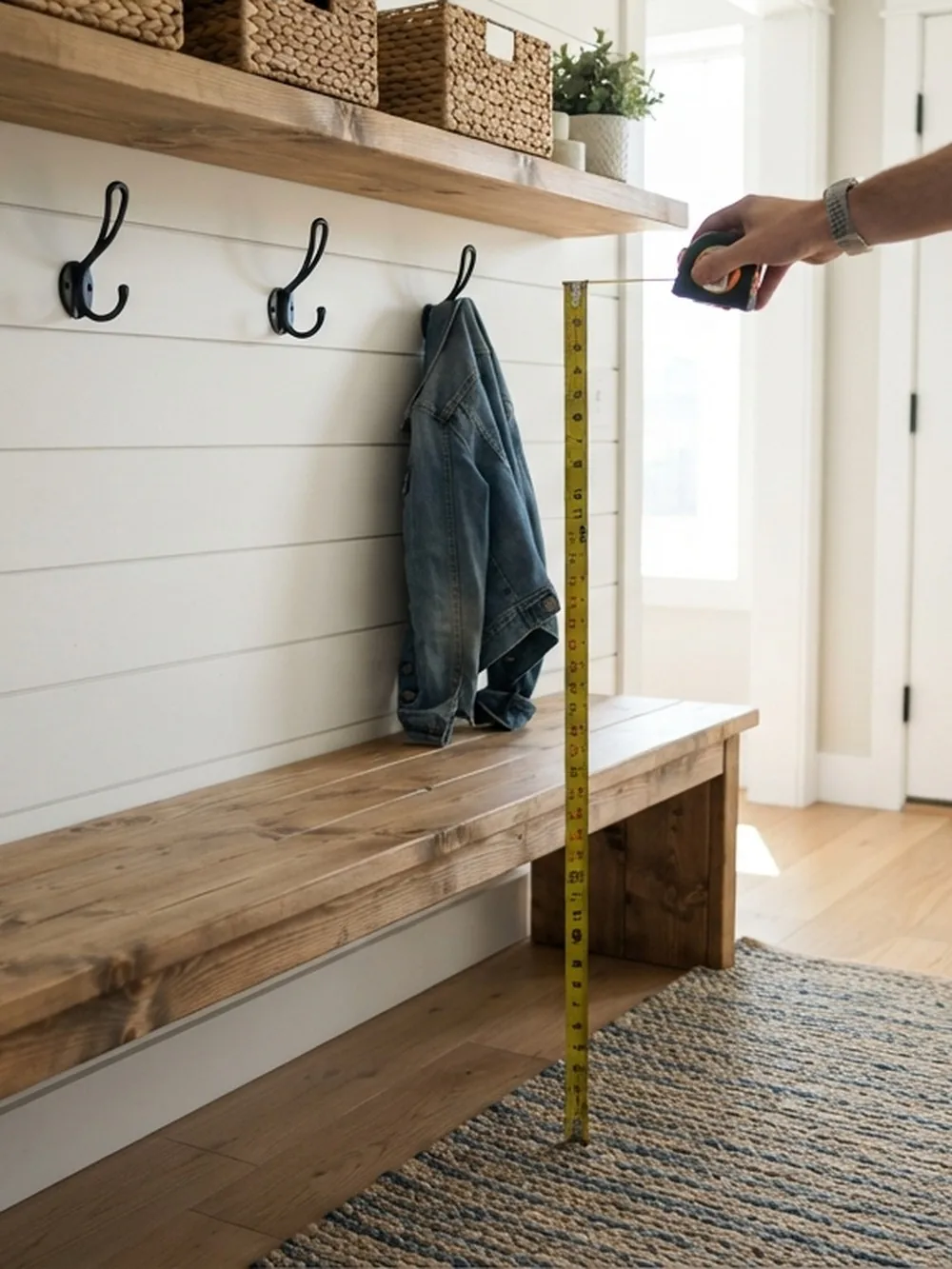
The floor of a narrow balcony often looks industrial or unfinished, detracting from a cozy atmosphere. Modular deck tiles are the ideal solution for renters because they snap together without the need for glue or nails. These tiles are available in wood, stone, or composite materials and can be cut to fit odd-shaped corners.
Outdoor rugs provide an immediate sense of warmth and comfort underfoot during cooler mornings. Choose rugs made from synthetic fibers like polypropylene, which are designed to withstand moisture and sunlight. A rug helps define the “nook” area, visually separating your coffee spot from the rest of the balcony.
If you prefer a natural look, look for high-quality synthetic grass or interlocking cedar planks. These materials improve drainage, preventing standing water from damaging the balcony surface. Proper drainage is critical in narrow spaces where water can easily become trapped against the building wall.
Strategic Placement of Coffee Essentials

A well-organized coffee station keeps your morning routine efficient. You might consider a narrow rolling cart that fits against the wall, serving as a dedicated space for your French press, mugs, and sugar. This mobile unit can be moved inside during the night, keeping your supplies clean and ready for use.
If you don’t have space for a cart, use a wall-mounted shelf near the door for your essentials. Keeping your coffee supplies within arm’s reach of the door minimizes the distance you need to travel back and forth. This strategy ensures you can stay in your cozy nook once you have settled into your chair.
Consider the orientation of your seating based on the morning sun. A small table placed in the corner furthest from the door often provides the most privacy and the best view. Test different angles to see where the light hits your space, aiming for a spot that offers warmth without direct, blinding glare.
Comparing Standard Balcony Layouts
Understanding the relationship between balcony dimensions and furniture scale is vital for a functional layout. The following table provides a clear breakdown of how different widths impact the usability of your furniture choices.
| Balcony Width | Recommended Seating | Optimal Table Type |
|---|---|---|
| Under 30 inches | Wall-mounted fold-down seat | Small wall-attached shelf |
| 36 to 48 inches | Folding bistro chair | Small pedestal bistro table |
| Over 48 inches | Small bench or loveseat | Rectangular console table |
These dimensions are based on standard human ergonomics and the need for basic movement clearance. When in doubt, err on the side of smaller furniture to preserve the feeling of spaciousness. A crowded balcony becomes unusable, whereas a sparsely furnished one remains inviting.
Weatherproofing and Seasonal Maintenance

Protecting your coffee nook from the elements is essential for longevity. Invest in high-quality, water-resistant covers for your chairs and table to prevent rust and fabric fading. If you leave furniture uncovered, the finish will degrade significantly faster, requiring frequent maintenance or replacement.
Consider the wind patterns on your balcony, especially if you live on a higher floor. Lightweight plastic or metal items can blow away, posing a danger to those below. Use weighted bases for any umbrellas or decorative items to ensure they stay grounded during gusts.
For a deeper understanding of how to manage outdoor materials in residential settings, refer to the National Park Service technical guidelines on exterior alterations. Applying these principles to your apartment balcony will help you choose materials that stand up to the local climate. Regular cleaning of your deck tiles and furniture will also prevent mold growth in damp, shaded corners.
Creating Ambiance with Textiles and Plants
Soft textures are the secret to turning a cold, hard balcony into a cozy morning retreat. Add weather-resistant cushions to your bistro chairs to make them comfortable for longer periods. A throw blanket made of durable, outdoor-safe fabric can be kept in a small storage box for chilly mornings.
Plants provide the final touch, softening the hard lines of the balcony railings and wall. Choose plants that thrive in your specific light conditions, whether your balcony faces north or south. Cascading plants in hanging baskets add visual interest without occupying any floor space.
Use color to unify the space, such as choosing cushions and rugs in complementary tones. A cohesive color scheme makes a small area feel intentional and curated rather than cluttered. Keep the color palette light and airy to maximize the feeling of space in a narrow configuration.
Frequently Asked Questions
How do I prevent my balcony furniture from blowing away?
Use weighted furniture bases or secure lighter pieces to the railing with heavy-duty zip ties if permitted by your building. If you are on a high floor, prioritize heavy materials like wrought iron or solid wood over lightweight aluminum or plastic.
Can I put a rug on my apartment balcony?
Yes, as long as the rug is made of synthetic, weather-resistant materials designed for outdoor use. Ensure you lift and clean under the rug periodically to prevent moisture buildup and potential damage to the balcony floor surface.
What is the minimum width for a comfortable balcony chair?
A chair should be at least 16 to 18 inches wide to provide adequate support for an adult. In a narrow balcony, look for chairs with slim profiles that do not have wide, protruding armrests that might restrict your movement.
How do I keep my coffee nook clean?
Wipe down your table and chairs weekly with a damp cloth to remove city soot and dust. Using modular deck tiles makes it easier to sweep away debris, as you can occasionally lift them to clean the concrete surface underneath.
Balcony Design Summary
Maximizing a narrow apartment balcony for a morning coffee nook is entirely achievable with careful planning. By selecting folding furniture and utilizing vertical space, you create a functional environment without sacrificing the limited floor area. Adhering to safety clearances ensures your space remains compliant with building codes while providing a comfortable retreat.
Focus on high-quality, weather-resistant materials to keep your nook looking fresh throughout the seasons. Incorporating soft textiles and greenery adds the necessary warmth to transform an industrial-looking space into a personal sanctuary. With these strategic design choices, your balcony becomes a valuable extension of your living space for starting your day.