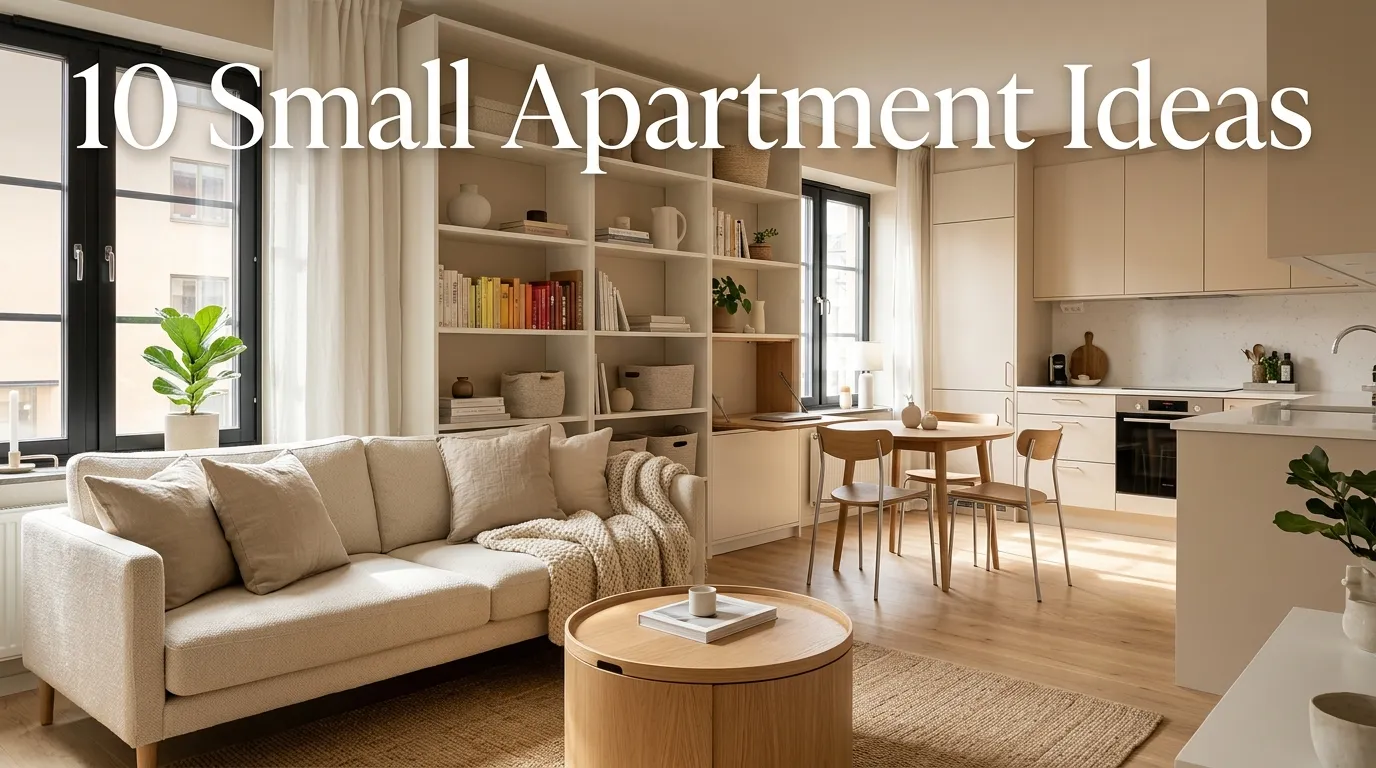
10 Small Apartment Ideas
Living in a compact home doesn’t mean sacrificing comfort, beauty, or functionality. In fact, some of the most stylish homes today are thoughtfully designed smaller spaces that maximize every square foot. With housing costs continuing to rise across many cities in the United States, more people are choosing efficient living arrangements that prioritize smart design over excess space. The challenge isn’t the size of the home itself—it’s how effectively that space is used.
A well-designed apartment can feel bright, organized, welcoming, and surprisingly spacious when the right design strategies are applied. From multifunctional furniture and clever storage solutions to visual tricks that create openness, there are countless ways to transform a limited floor plan into a highly functional and beautiful living environment. Small-space living often encourages creativity, helping homeowners focus on quality, organization, and intentional decorating choices.
In this guide, you’ll discover practical ideas that help maximize comfort, improve storage, and create a stylish atmosphere without overwhelming your home. Whether you’re decorating your first city apartment, upgrading a rental, or simply looking for ways to make your current space work better, these ideas offer realistic solutions that combine beauty with everyday functionality.
1. Multifunctional Furniture
Bullet Points
- Maximizes limited floor space
- Reduces furniture clutter
- Improves daily functionality
- Creates a cleaner layout
- Supports flexible living
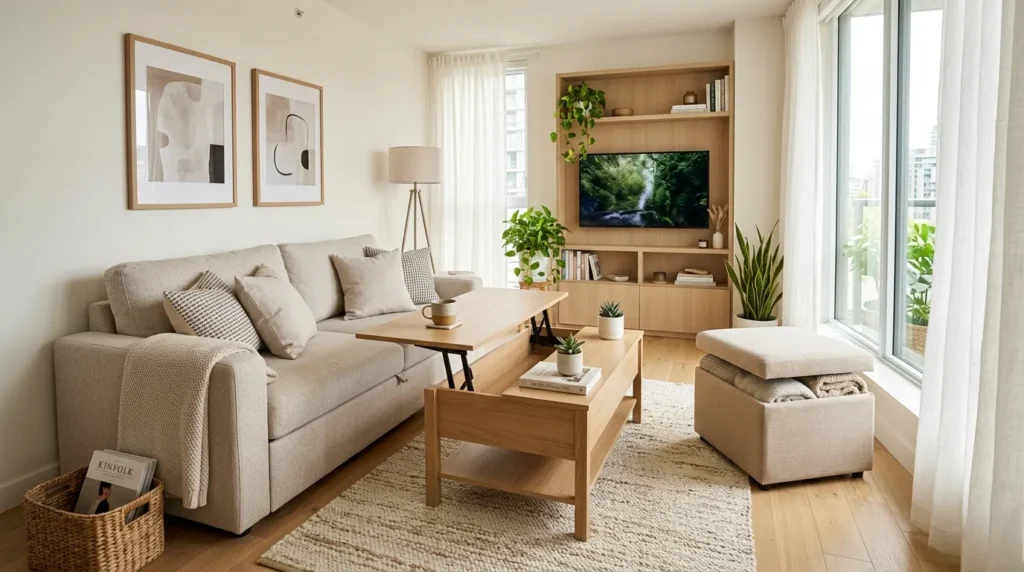
The smartest homes often rely on furniture that serves more than one purpose. A storage ottoman can provide seating while hiding blankets, a sofa bed can accommodate overnight guests, and a lift-top coffee table can double as a workspace. These pieces eliminate the need for multiple bulky items, making rooms feel less crowded while maintaining functionality. Instead of filling a room with separate solutions, multifunctional furniture allows every item to contribute more effectively to daily life, helping create a cleaner and more organized environment without sacrificing comfort or style.
The impact becomes noticeable almost immediately after upgrading key furniture pieces. Suddenly, the room feels more spacious because fewer items are competing for valuable floor area. I’ve seen this work well in many homes where residents need flexibility but lack extra square footage. Furniture that adapts to different activities allows spaces to transition easily between work, relaxation, dining, and entertaining. This practical approach helps maximize usability while maintaining a visually balanced design that feels comfortable and uncluttered throughout the day.
2. Vertical Storage
Bullet Points
- Uses wall space efficiently
- Frees up floor area
- Increases organization
- Creates visual height
- Improves room functionality
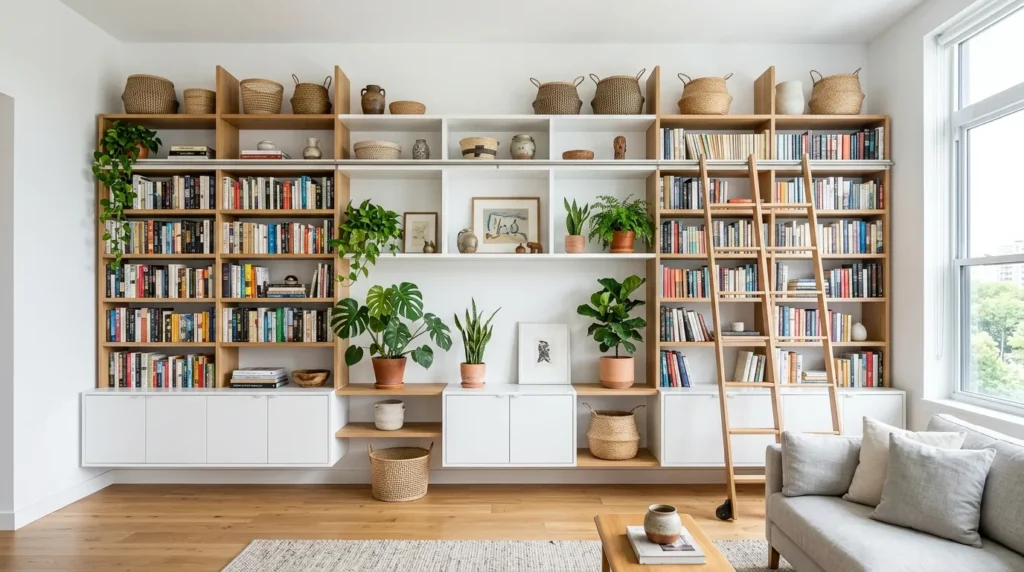
One of the most overlooked opportunities in compact living spaces is vertical storage. While floor space may be limited, walls often provide valuable unused real estate. Tall bookshelves, floating shelves, wall-mounted cabinets, and hanging organizers allow homeowners to store belongings without sacrificing precious walking areas. Extending storage upward naturally draws the eye toward the ceiling, creating the impression of a taller and more spacious room. This simple strategy improves both organization and aesthetics while helping reduce clutter that can quickly overwhelm smaller interiors.
In my experience, utilizing vertical space often produces the most dramatic improvements with minimal renovation. Items that once occupied countertops, floors, or furniture surfaces can be neatly displayed or stored overhead. Decorative baskets, books, plants, and everyday essentials become part of the design rather than visual distractions. The result is a room that feels more organized, functional, and intentionally designed. By thinking vertically instead of horizontally, homeowners can dramatically improve storage capacity while maintaining an open and comfortable atmosphere.
3. Light Color Palette
Bullet Points
- Makes rooms feel larger
- Reflects natural light
- Creates visual openness
- Enhances brightness
- Supports timeless styling
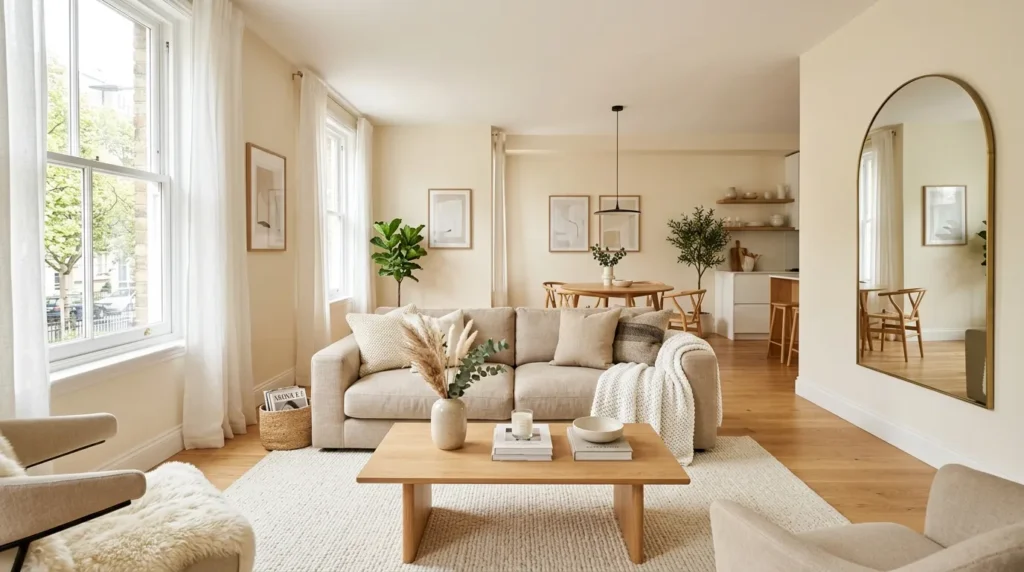
Color plays a significant role in shaping how spacious a room feels. Light shades such as white, cream, soft gray, pale beige, and warm ivory reflect more light than darker colors, creating an airy and open atmosphere. These tones help walls visually recede, making rooms appear larger than they actually are. A light palette also provides flexibility when decorating because it pairs effortlessly with various furniture styles, textures, and accent colors. This approach creates a calm foundation that feels inviting and sophisticated rather than overwhelming.
Many professional designers continue to rely on light color schemes because of their ability to visually expand interiors. I’ve noticed that even modest-sized rooms feel dramatically more comfortable when bright, reflective colors dominate the design. Natural sunlight travels more effectively throughout the space, reducing shadows and enhancing openness. Accessories, artwork, and textiles become easier to update because neutral backgrounds complement nearly every decorating style. The result is a versatile environment that remains timeless while making the entire home feel brighter and more spacious.
4. Floating Shelves
Bullet Points
- Adds storage without bulk
- Keeps floors clear
- Displays decorative items
- Enhances wall design
- Creates visual openness
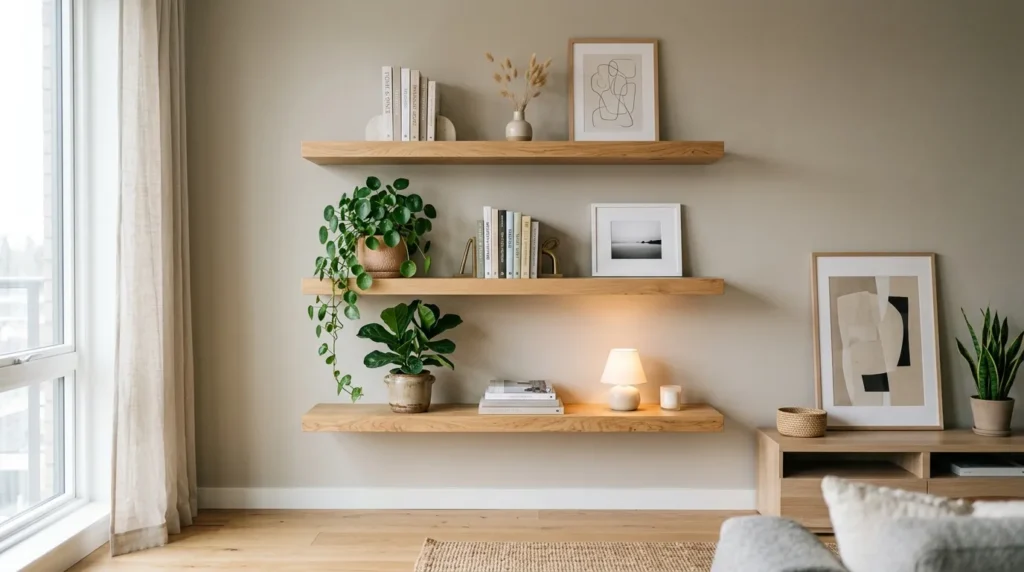
Floating shelves offer an elegant storage solution that feels significantly lighter than traditional cabinets or bulky furniture pieces. Mounted directly to the wall without visible brackets, these shelves provide space for books, decorative accessories, plants, and everyday essentials while maintaining a streamlined appearance. Because they do not extend to the floor, they preserve visual openness and prevent rooms from feeling crowded. Their clean lines work beautifully in modern, farmhouse, Scandinavian, and contemporary interiors, making them one of the most versatile additions for compact living.
Beyond their storage capabilities, floating shelves contribute to the room’s overall design. They create opportunities to display meaningful items without introducing unnecessary furniture. I’ve seen this work particularly well in living rooms, bedrooms, kitchens, and entryways where every square foot matters. Arranging shelves thoughtfully allows homeowners to balance functionality with aesthetics, creating displays that feel organized rather than cluttered. This combination of practicality and style helps maximize available space while maintaining an attractive, polished appearance.
5. Mirrored Accents
Bullet Points
- Reflects natural light
- Creates depth
- Enhances brightness
- Expands visual space
- Adds decorative elegance
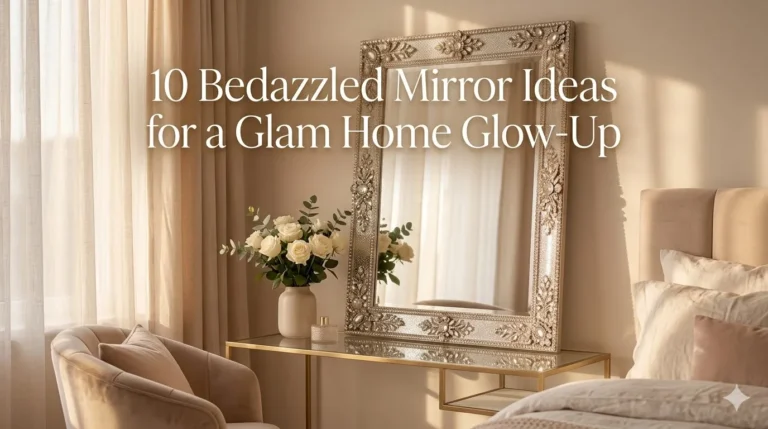
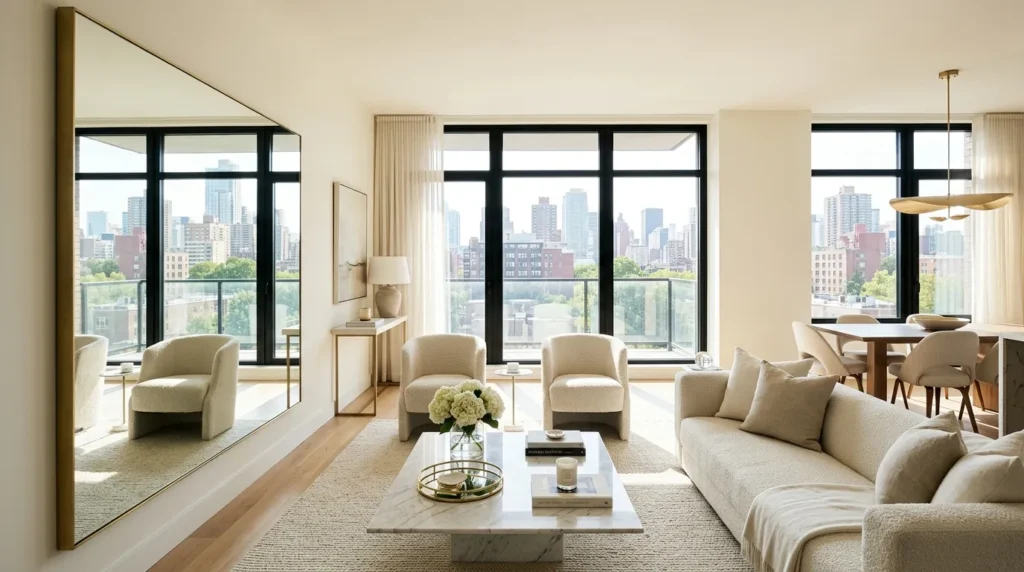
Few design elements create the illusion of spaciousness as effectively as mirrors. Strategically placed mirrors reflect both natural and artificial light, helping rooms feel brighter and larger. Large wall mirrors positioned opposite windows maximize sunlight distribution throughout the home, while mirrored furniture and decorative accents contribute additional visual depth. This optical effect can dramatically change how a room feels without requiring structural modifications or major investments, making mirrors one of the most effective tools for enhancing compact interiors.
That’s why many designers recommend incorporating reflective surfaces into smaller living spaces. I’ve seen this approach transform rooms that initially felt dark or confined into bright, inviting environments. Mirrors also serve as decorative features, adding elegance and sophistication while supporting practical daily use. Whether incorporated through oversized statement mirrors, mirrored trays, or reflective wall decor, these elements help create openness and balance. The result is a more comfortable, welcoming atmosphere that feels considerably larger than its actual dimensions.
6. Foldable Dining Setup
Bullet Points
- Saves valuable floor space
- Easy to store when unused
- Perfect for entertaining guests
- Creates flexible layouts
- Works in multipurpose rooms
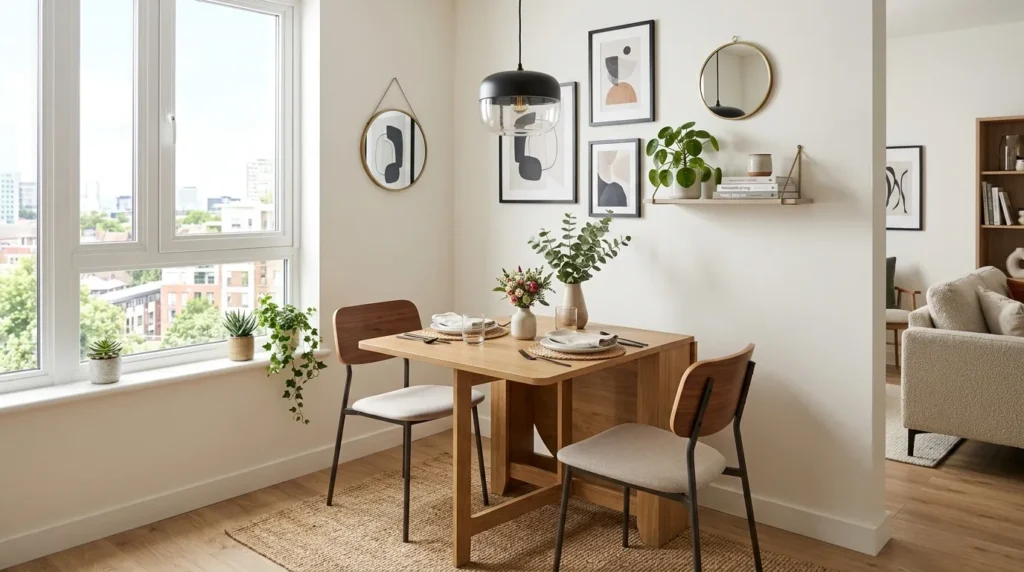
One of the biggest challenges in compact homes is finding room for dining furniture without overcrowding the living area. Foldable dining tables and collapsible chairs offer a practical solution by providing functionality only when needed. Modern designs look stylish while remaining highly efficient. Many options can be folded against a wall, tucked into a corner, or stored inside closets when not in use. This flexibility helps maintain open floor space throughout the day while still accommodating meals, work sessions, and social gatherings comfortably.
I’ve noticed that foldable furniture often transforms how people use their homes. Instead of dedicating permanent space to a dining table, residents can adapt the room based on daily activities. This creates a more versatile environment that supports modern lifestyles. When guests arrive, the table expands to provide seating, then disappears afterward to restore openness. The result is a room that feels larger, more functional, and easier to navigate without sacrificing the convenience of having a dedicated dining area available when needed.
7. Hidden Storage Solutions
Bullet Points
- Reduces visible clutter
- Maximizes unused areas
- Improves organization
- Enhances functionality
- Creates cleaner interiors
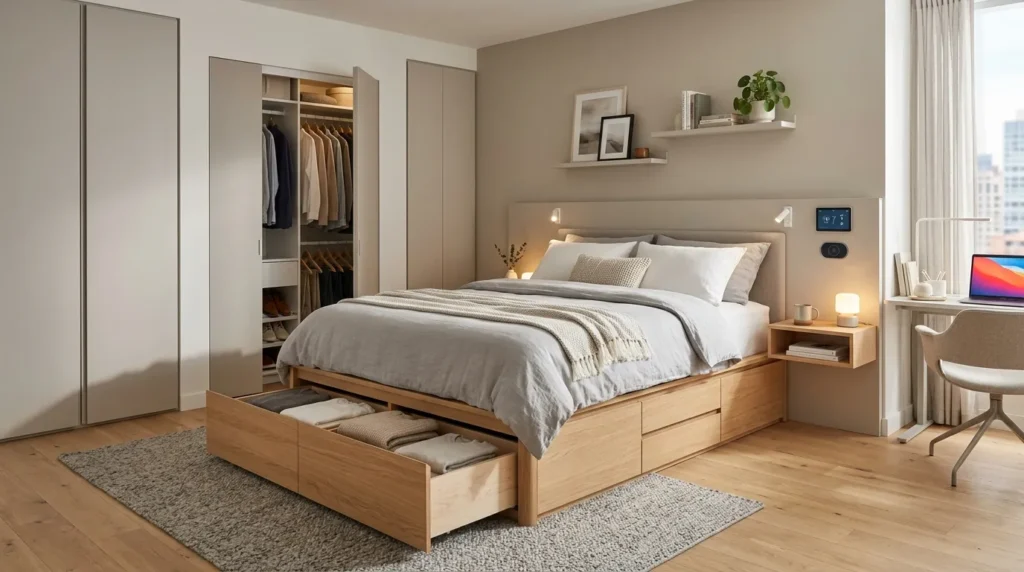
Clutter quickly makes compact homes feel even smaller. Hidden storage helps solve this problem by keeping everyday items out of sight while remaining easily accessible. Storage beds, under-sofa compartments, nesting tables, built-in benches, and concealed cabinets create valuable organizational opportunities without adding visual bulk. These solutions allow homeowners to maintain a streamlined appearance while storing seasonal items, linens, electronics, and household essentials. Keeping surfaces clear contributes significantly to a calmer and more organized living environment.
The transformation extends beyond aesthetics. Hidden storage improves daily functionality because belongings have designated locations rather than accumulating on countertops and furniture surfaces. In my experience, well-organized spaces naturally feel larger and more comfortable. Residents spend less time searching for items and more time enjoying their homes. Thoughtfully integrated storage also helps preserve the visual simplicity many people desire. By eliminating unnecessary clutter, rooms appear cleaner, more spacious, and significantly more relaxing.
8. Open Shelving Displays
Bullet Points
- Creates visual openness
- Provides accessible storage
- Enhances decorative appeal
- Adds personality
- Supports flexible styling
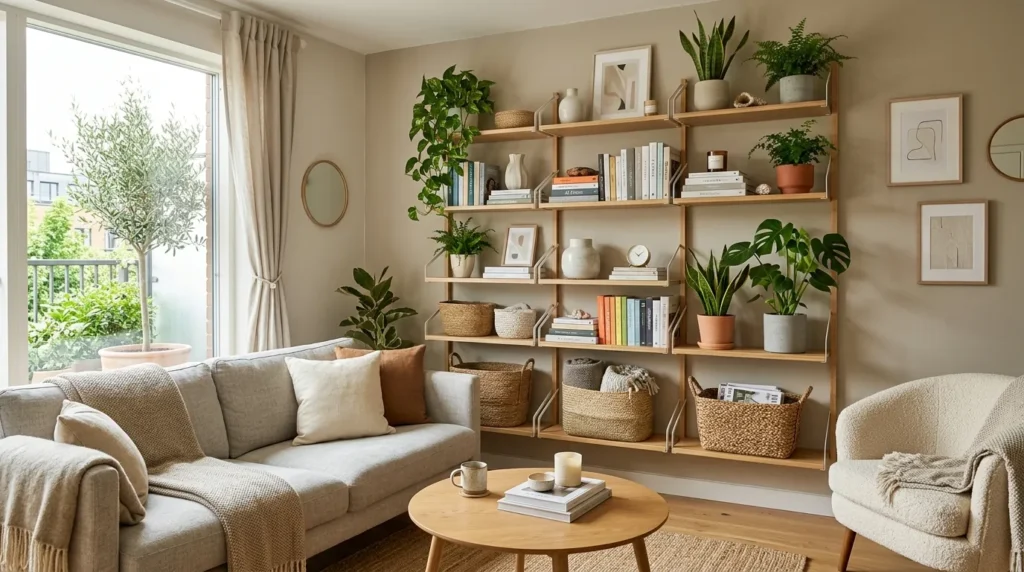
Traditional cabinets can sometimes make compact interiors feel heavy. Open shelving introduces a lighter alternative that combines storage with decoration. Shelves allow homeowners to display books, plants, artwork, dishes, and curated accessories while maintaining an airy atmosphere. Because the eye can travel through the shelving rather than stopping at solid cabinet doors, rooms feel more open and connected. The key is maintaining organization so displays appear intentional rather than cluttered.
I’ve seen open shelving work especially well in kitchens, living rooms, and home offices where both function and style matter. Carefully selected items contribute to the room’s personality while serving practical purposes. Neutral baskets can conceal smaller belongings, while decorative objects create visual interest. This balance between storage and display helps maximize available space while creating an inviting atmosphere. The result is a room that feels organized, stylish, and thoughtfully designed without appearing overcrowded.
9. Compact Workspace
Bullet Points
- Supports remote work
- Maximizes productivity
- Uses limited space efficiently
- Creates functional zones
- Encourages organization
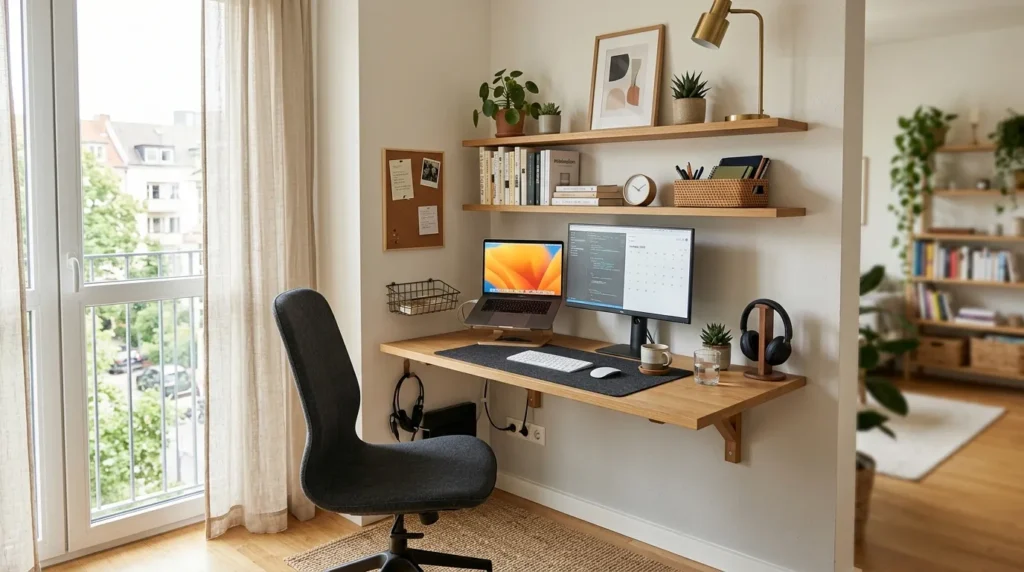
As remote work continues to grow, many people need a dedicated workspace without sacrificing valuable living space. Fortunately, creating an efficient office area doesn’t require an entire room. Wall-mounted desks, floating workstations, narrow console tables, and compact writing desks provide practical solutions. Even small corners can become productive work zones when paired with proper lighting and comfortable seating. The goal is creating a focused environment that supports daily tasks while blending seamlessly with the surrounding decor.
That’s why many designers recommend defining work areas through furniture placement rather than walls. I’ve seen this work well in many homes where residents need professional functionality within limited square footage. A thoughtfully arranged workspace helps separate work from relaxation, improving both productivity and comfort. Storage solutions such as floating shelves and desk organizers keep supplies accessible without creating clutter. The result is a practical office setup that enhances daily routines while preserving the overall openness of the home.
10. Statement Lighting
Bullet Points
- Adds visual interest
- Creates focal points
- Enhances ambiance
- Elevates room design
- Improves functionality
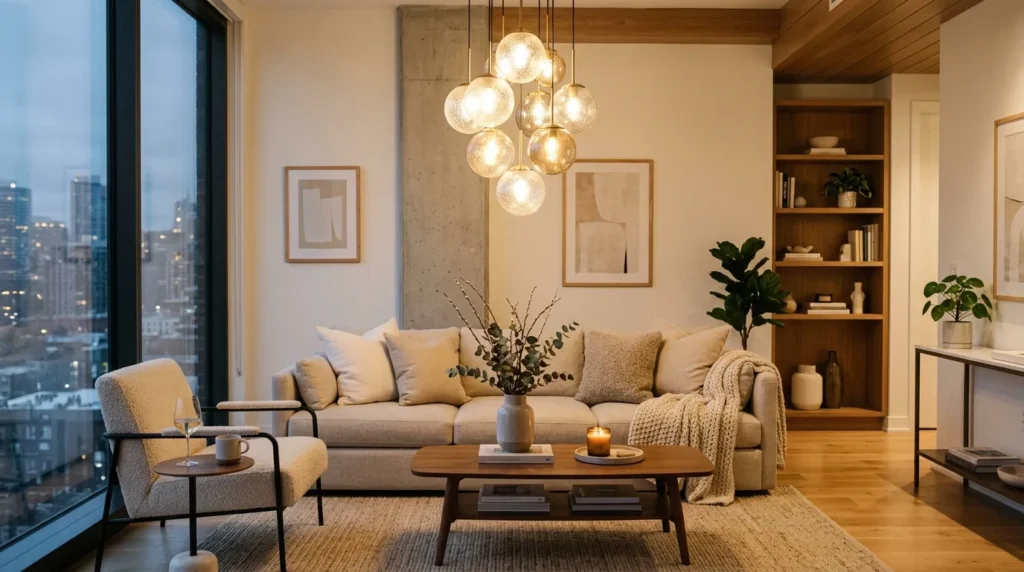
Lighting does far more than illuminate a room. The right fixture can become a design statement that elevates the entire space. Pendant lights, sculptural chandeliers, modern sconces, and unique floor lamps draw attention upward while adding personality and sophistication. In smaller interiors, statement lighting helps create visual impact without consuming valuable floor space. Choosing fixtures with interesting shapes, finishes, or materials adds character while contributing to the room’s overall atmosphere.
I’ve noticed that upgrading lighting often delivers one of the highest design returns for relatively little investment. A beautiful fixture instantly makes a room feel more intentional and polished. Beyond aesthetics, layered lighting improves functionality by supporting different activities throughout the day. Combining ambient, task, and accent lighting creates flexibility while enhancing comfort. The result is a brighter, more welcoming environment that feels stylish, functional, and carefully curated regardless of the home’s size.