10 Small Garden Ideas
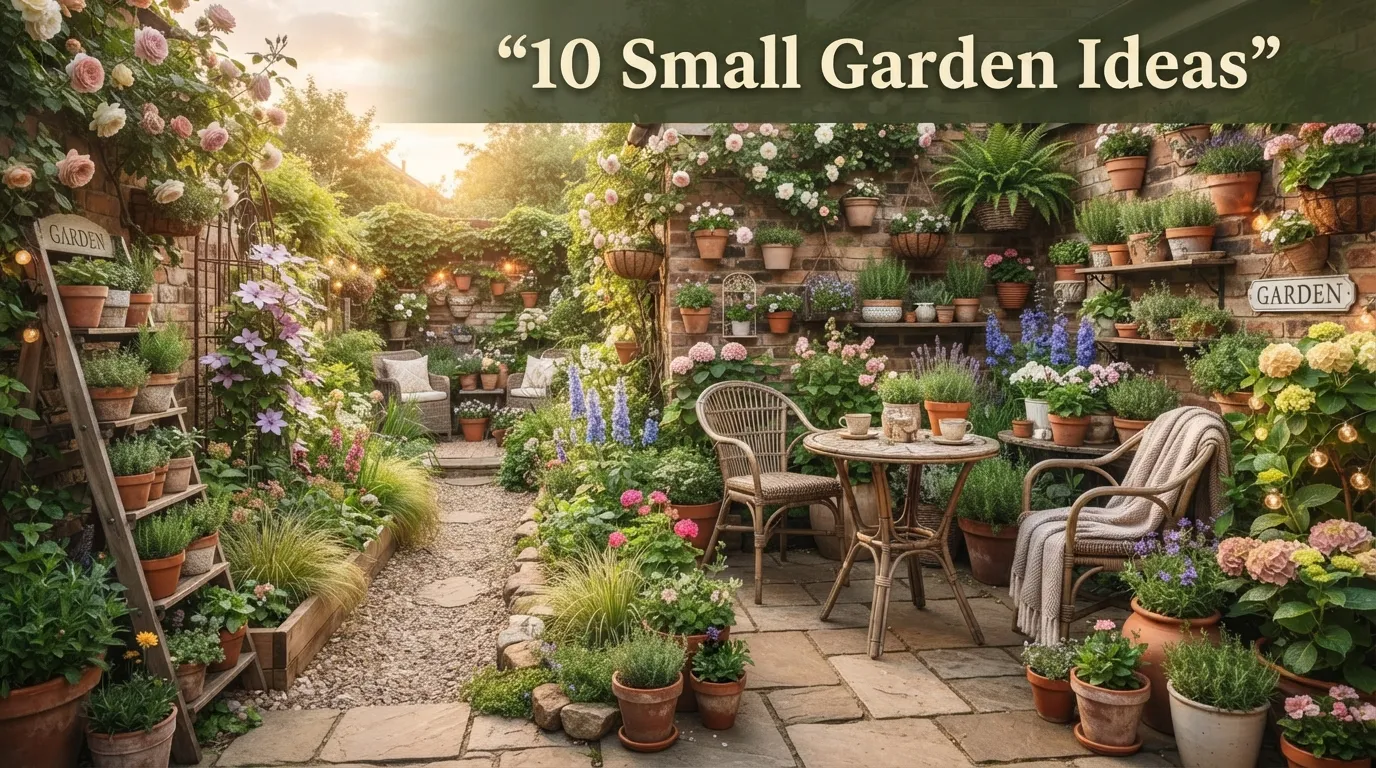
A small garden can be just as beautiful, inviting, and useful as a much larger outdoor space. In fact, working with limited square footage often encourages you to be more intentional about every plant, pot, pathway, and decorative detail. Whether you have a tiny backyard, a narrow side yard, a townhouse patio, or a compact urban garden, you can create a space that feels lush without making it feel crowded.
One of the biggest mistakes people make with small gardens is trying to fit too much into them. A few well-chosen plants, a defined focal point, and some vertical interest can often create a much stronger result than dozens of unrelated elements. The goal is to make the space feel layered and interesting while still leaving enough room to move around and enjoy it.
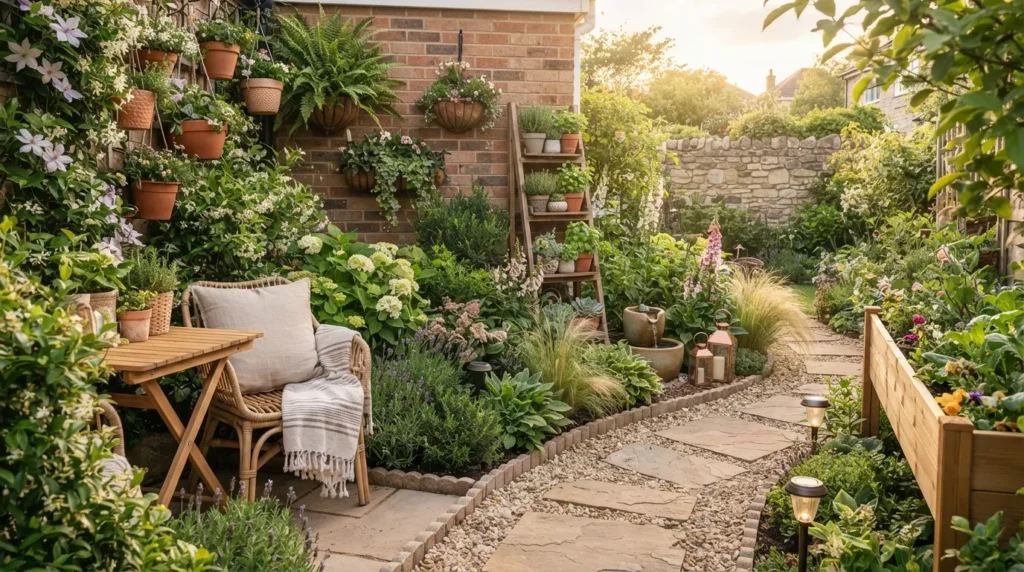
If you’re anything like me, the most appealing small gardens are the ones that feel effortless. A little greenery spilling from a raised planter, herbs growing beside a patio, or climbing vines softening a wall can make even the smallest outdoor corner feel special.
The ideas below focus on practical ways to maximize your garden’s potential without requiring a huge budget or complicated landscaping project. You’ll find options for renters, homeowners, DIY enthusiasts, and anyone who wants a prettier outdoor retreat.
Table of Contents
1. Vertical Green Wall
Use walls and vertical surfaces to add abundant greenery without sacrificing floor space.
2. Layered Container Garden
Combine planters of different sizes and heights to create a fuller garden display.
3. Cozy Garden Nook
Turn a small unused corner into a peaceful retreat surrounded by plants.
4. Compact Herb Garden
Grow useful culinary herbs in a small, organized planting area.
5. Narrow Border Garden
Make a slim garden bed work along fences, walkways, or property edges.
6. Raised Garden Beds
Use elevated planting areas to organize flowers, herbs, or vegetables efficiently.
7. Hanging Planter Display
Bring greenery upward with hanging baskets and suspended containers.
8. Mini Cottage Garden
Create a charming, informal garden using flowers, greenery, and vintage-inspired details.
9. Modern Gravel Garden
Combine gravel, sculptural plants, and clean lines for a low-maintenance look.
10. Garden Patio Retreat
Blend seating and planting together to create a multifunctional outdoor escape.
1. Vertical Green Wall
Quick Benefits
- Saves valuable floor space
- Adds height and visual interest
- Makes plain walls more attractive
- Works well in tiny patios
- Allows more plants in a small footprint
Why It Works
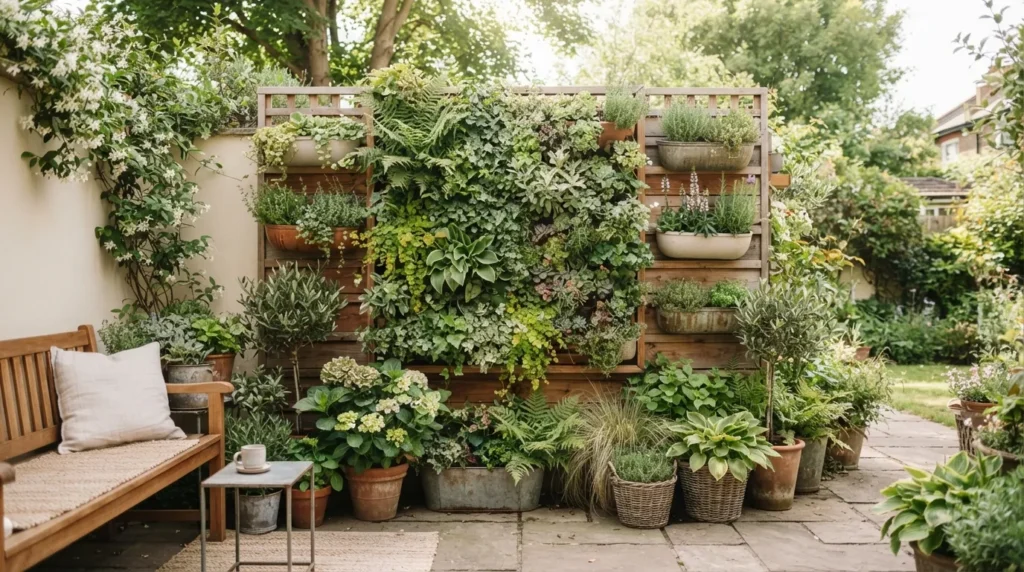
When floor space is limited, the best place to look for additional gardening room is often upward. Vertical gardening uses walls, fences, trellises, and other upright structures to create layers of greenery without taking over the ground.
This approach can make a small garden feel surprisingly lush. Instead of seeing a bare fence or exterior wall, your eye has something interesting to follow upward. The added height can also make a compact outdoor area feel more dimensional.
Vertical planting works with many styles, from simple wooden trellises covered with climbing plants to organized wall-mounted planters filled with herbs and flowers. The important thing is to choose plants and structures that suit the available sunlight and your willingness to maintain them.
How To Style It
Start with a strong vertical feature such as a trellis, slatted wood panel, wire support, or wall-mounted planter system. For a softer appearance, choose climbing plants that can gradually cover part of the structure.
If you’re working with a rental or don’t want to attach anything permanently, use a freestanding plant ladder or tall planter with a built-in trellis.
Keep the floor area relatively simple. A few larger pots at the base can connect the vertical garden to the rest of the space. Repeating one or two plant varieties will also make the display look intentional rather than cluttered.
2. Layered Container Garden
Quick Benefits
- Works in gardens without traditional beds
- Easy to rearrange
- Adds height and dimension
- Suitable for renters
- Allows flexible plant combinations
Why It Works
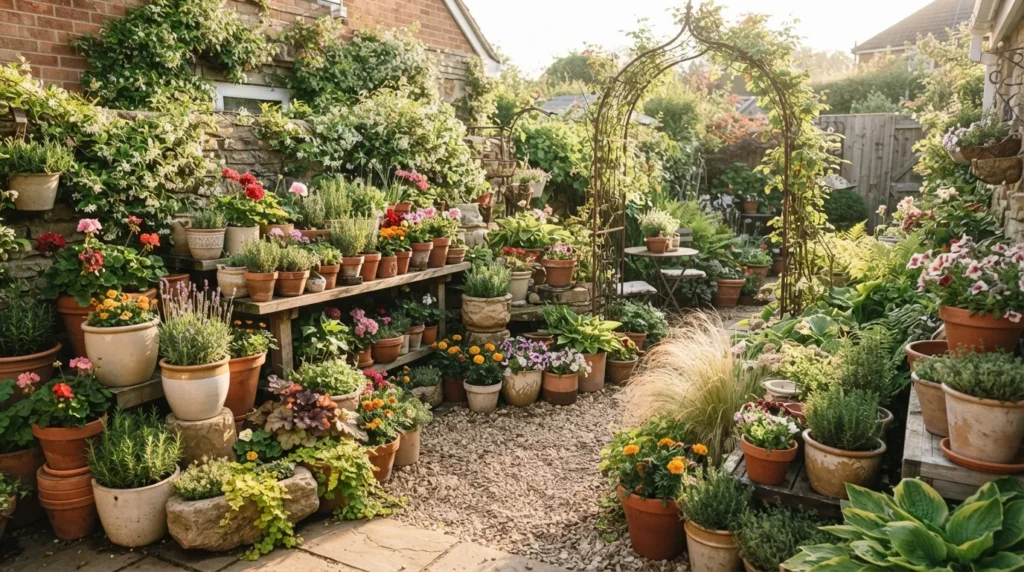
Containers are one of the easiest ways to create a garden when you don’t have much ground to work with. The real trick is avoiding a collection of pots that all sit at the same height.
Layering containers creates a more abundant appearance. Tall planters, medium pots, and low containers can work together to form a visual progression that makes the garden feel fuller without actually requiring much additional space.
This is especially useful for patios and paved courtyards where planting directly into the ground isn’t practical. You can also change the arrangement as plants mature or seasons change.
How To Style It
Choose containers in a coordinated material or color palette. Terracotta, natural stone, weathered wood, ceramic, and simple neutral planters can all work beautifully.
Place the tallest containers toward the back of the space and gradually reduce the height toward the front. Use upright plants, medium-sized foliage, and trailing varieties to create three-dimensional layers.
Don’t feel the need to fill every available inch. Leaving a little negative space around the containers will help the garden feel organized and allow each plant to stand out.
3. Cozy Garden Nook
Quick Benefits
- Gives the garden a clear purpose
- Creates a relaxing retreat
- Uses small corners efficiently
- Adds seating without overwhelming the space
- Encourages everyday outdoor use
Why It Works
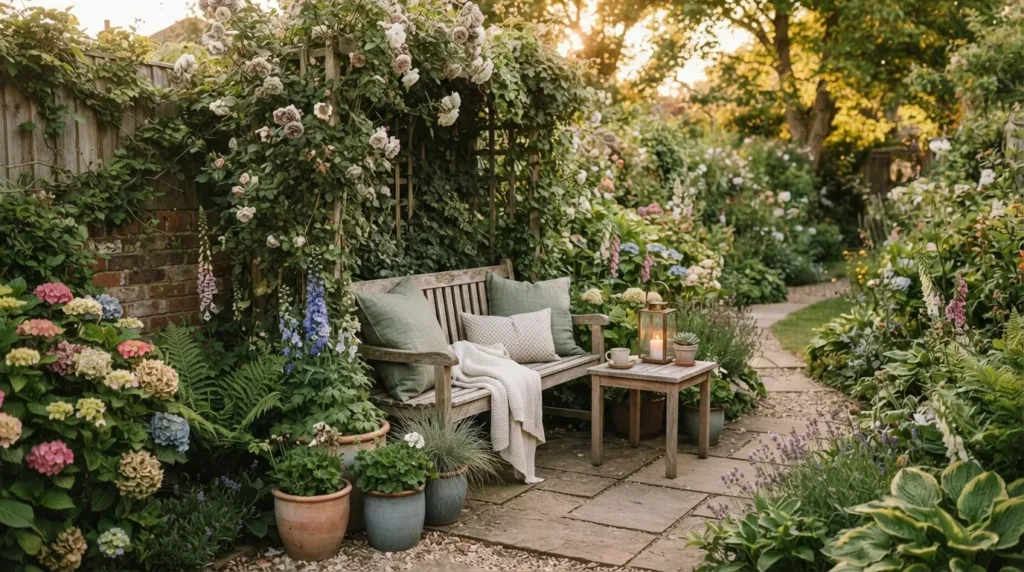
Sometimes the best small garden isn’t focused entirely on plants. Adding a tiny seating area can turn a neglected corner into somewhere you actually want to spend time.
A compact bench, bistro chair, or small outdoor chair surrounded by greenery can create the feeling of a private garden retreat. The plants provide a natural backdrop, while the seating gives the area a practical purpose.
This approach is particularly useful for homeowners who want their garden to be experienced rather than simply viewed. Even a small space can become a place for morning coffee, reading, or relaxing after work.
How To Style It
Choose furniture that matches the scale of the garden. A narrow bench can be more practical than two large lounge chairs, while a small café table can provide just enough surface area for drinks.
Place the seating against a wall, fence, or planted border to create a sense of enclosure. Add cushions in outdoor-friendly fabric for comfort.
Surround the seating with plants at different heights, but keep the immediate walking area open. A small outdoor rug, lantern, or ceramic planter can provide the finishing touch without making the nook feel crowded.
4. Compact Herb Garden
Quick Benefits
- Provides useful fresh herbs
- Requires relatively little space
- Works in containers
- Adds fragrance and texture
- Easy to maintain near the kitchen
Why It Works
A small garden can be beautiful and productive at the same time. Herbs are especially well suited to compact spaces because many varieties can thrive in containers or narrow planting beds.
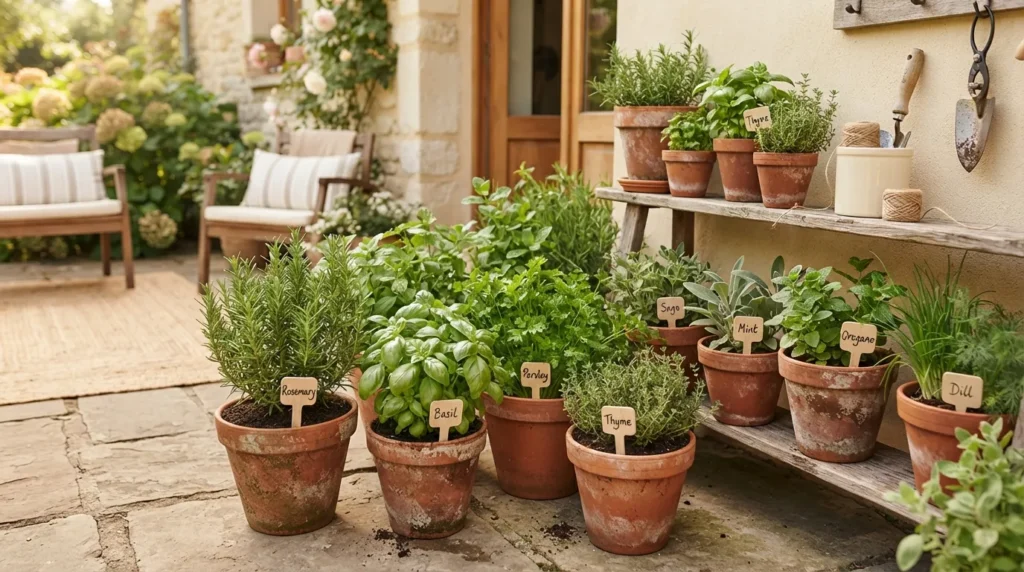
Growing herbs close to the kitchen makes them convenient to harvest, while their foliage can add a lovely layer of greenery. Rosemary, thyme, basil, mint, parsley, and other culinary herbs can create an attractive little garden with a practical purpose.
The key is to understand each plant’s growing requirements. Some herbs prefer drier conditions and plenty of sunlight, while others need more consistent moisture.
How To Style It
Use a collection of matching pots for a clean look or mix terracotta and ceramic containers for a more relaxed appearance. Labeling plants with small wooden or ceramic markers can add charm while making identification easy.
Place sun-loving herbs in the brightest suitable location. A narrow shelf or tiered planter can provide additional growing room without using much floor space.
Keep herbs close to where you’ll use them, but don’t crowd the containers. Good air circulation and adequate drainage are important for keeping plants healthy.
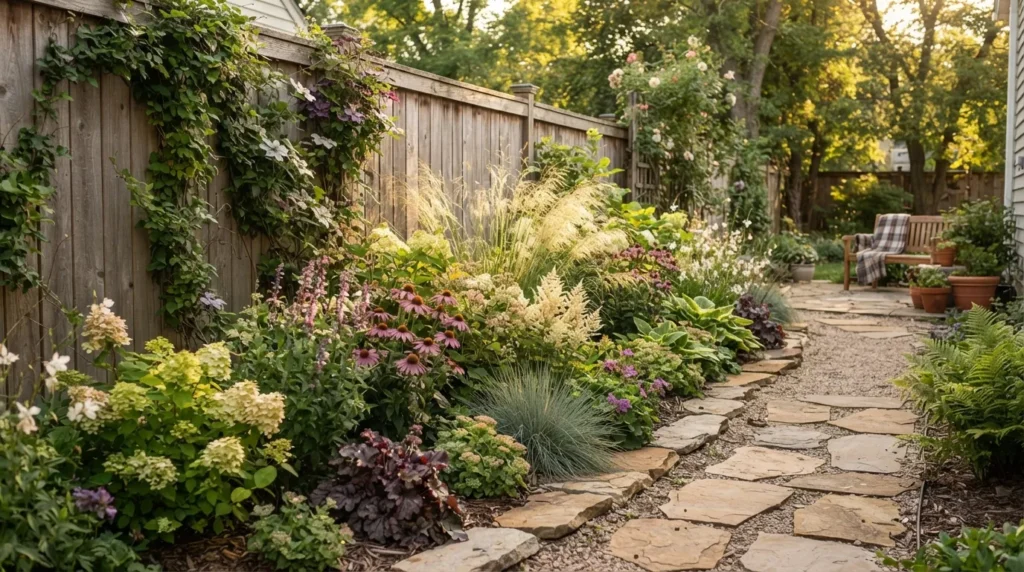
5. Narrow Border Garden
Quick Benefits
- Makes use of overlooked edges
- Works beside fences and pathways
- Adds softness to hard landscaping
- Defines garden boundaries
- Can be customized to different widths
Why It Works
Narrow spaces along fences, walls, driveways, and pathways are easy to overlook, but they can become some of the most useful planting areas in a small garden.
A slim border adds greenery without taking over the main usable space. It also helps soften hard surfaces such as concrete, brick, or fencing, making the entire garden feel more connected to nature.
The secret is choosing plants that match the available width. Large spreading plants can quickly make a narrow garden feel cramped, while upright or compact varieties can provide plenty of interest without blocking pathways.
How To Style It
Measure the border before choosing plants so you know exactly how much room is available at maturity. Consider the height and spread of each plant rather than relying only on its appearance when purchased.
Create rhythm by repeating a few plant varieties along the border. You can then add occasional contrasting plants for interest.
Mulch, gravel, stone edging, or brick can give the planting strip a finished appearance. Keep pathways clear and avoid allowing plants to spill into areas where people regularly walk.
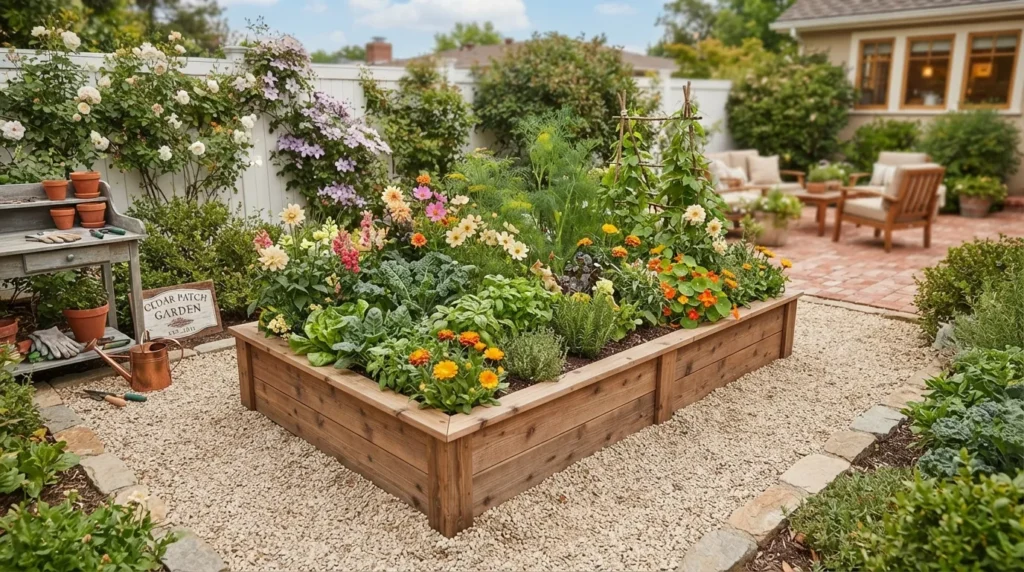
6. Raised Garden Beds
Quick Benefits
- Creates an organized planting area
- Separates plants from surrounding surfaces
- Can improve garden accessibility
- Works for flowers, herbs, and vegetables
- Adds structure to small gardens
Why It Works
Raised beds are a practical choice when you want a dedicated growing area but don’t have much ground space. They give a small garden clear structure and make it easier to organize different plants.
A raised bed can also become a visual anchor. Instead of having plants scattered around the yard, you have a defined area that gives the garden a sense of order.
They’re particularly useful for growing vegetables and herbs, but a raised bed filled with flowers and ornamental foliage can be just as attractive.
How To Style It
Choose a bed size that leaves comfortable walking space around it. In a very small garden, one well-designed raised bed may be more useful than several small ones.
Wooden beds create a warm, natural appearance, while masonry or stone can feel more permanent and architectural. Keep the surrounding area tidy with gravel, mulch, or pavers.
Mix plants by height, placing taller varieties toward the back and shorter plants toward the front. This creates a fuller display without hiding smaller plants.
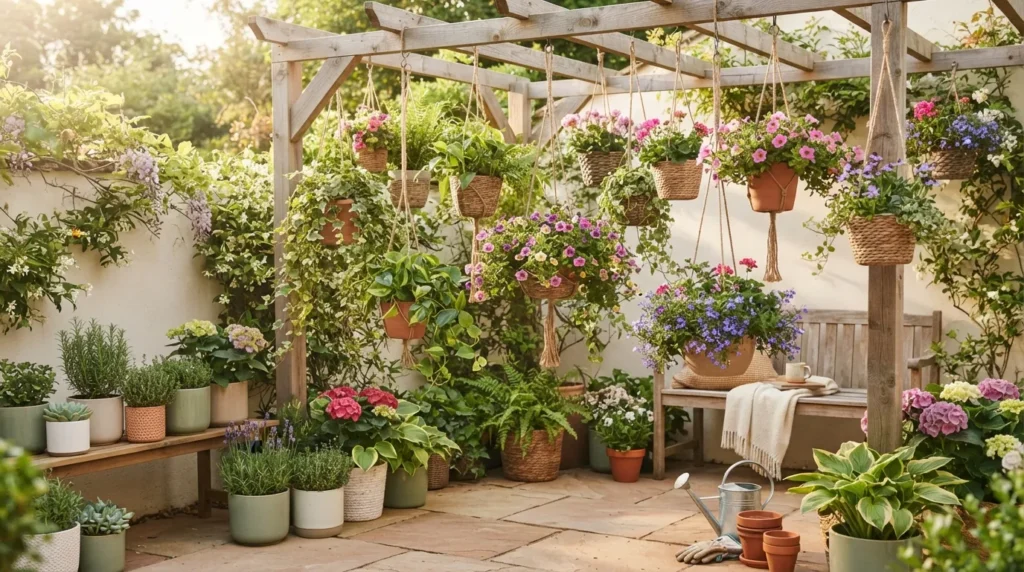
7. Hanging Planter Display
Quick Benefits
- Uses unused overhead space
- Keeps pathways open
- Adds greenery at eye level
- Works on patios and balconies
- Creates a charming layered effect
Why It Works
Hanging planters are a simple way to add another gardening layer without using additional floor space. They can be especially helpful in tiny patios, balconies, and courtyard gardens where every square foot matters.
Plants hanging at different heights create movement and make the garden feel more immersive. Trailing foliage can also soften walls, railings, and overhead structures.
This idea works best when the hanging planters are treated as part of the overall composition rather than scattered randomly throughout the space.
How To Style It
Choose sturdy hanging containers suitable for outdoor conditions and make sure they are securely supported. Group two or three planters together at slightly different heights for a more intentional arrangement.
Trailing plants can create a beautiful cascading effect, while compact flowering plants can add seasonal color.
Keep the number of hanging planters proportional to the size of the garden. A few well-placed containers usually look more polished than covering every possible surface.
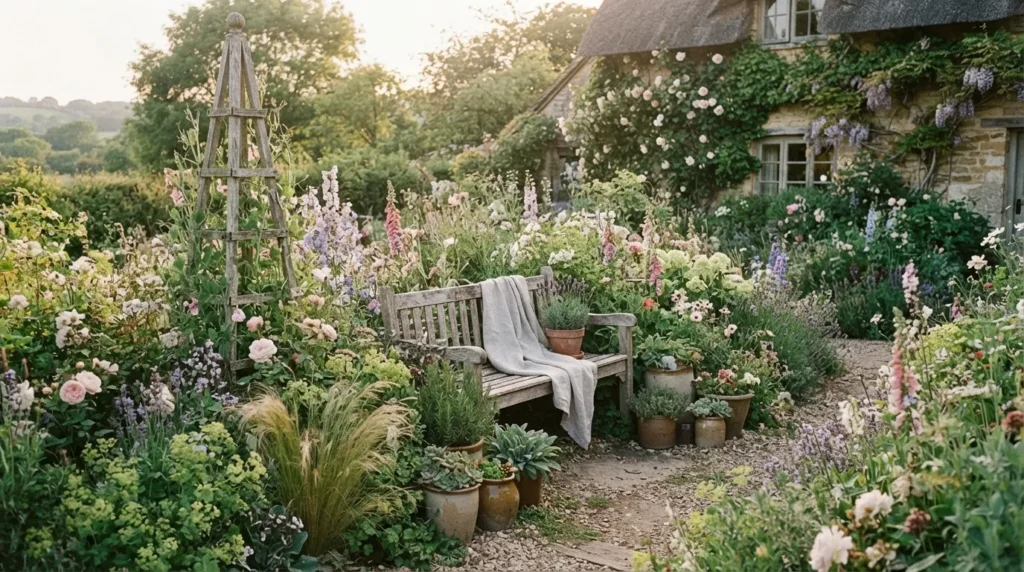
8. Mini Cottage Garden
Quick Benefits
- Creates a romantic garden atmosphere
- Works beautifully in informal spaces
- Allows varied planting
- Adds seasonal color
- Pairs well with vintage decor
Why It Works
A cottage garden doesn’t have to cover an enormous country property. The same relaxed, layered feeling can be recreated on a much smaller scale.
The charm comes from combining different plant shapes, colors, and textures rather than creating a perfectly symmetrical landscape. Flowers can spill gently toward pathways, while herbs and foliage fill in spaces between larger plants.
This style is ideal if you prefer gardens that feel natural and slightly imperfect. It also gives you flexibility because a mix of plants can make the space interesting throughout the growing season.
How To Style It
Use a small selection of flowering plants alongside herbs, ornamental grasses, and leafy greenery. Repeat a few colors throughout the garden so the variety still feels cohesive.
Vintage-inspired containers, a small painted bench, a simple trellis, or a weathered garden ornament can reinforce the cottage feeling.
Avoid packing every plant tightly together. Leave enough room for each variety to grow and allow pathways or small open areas to provide visual breathing space.
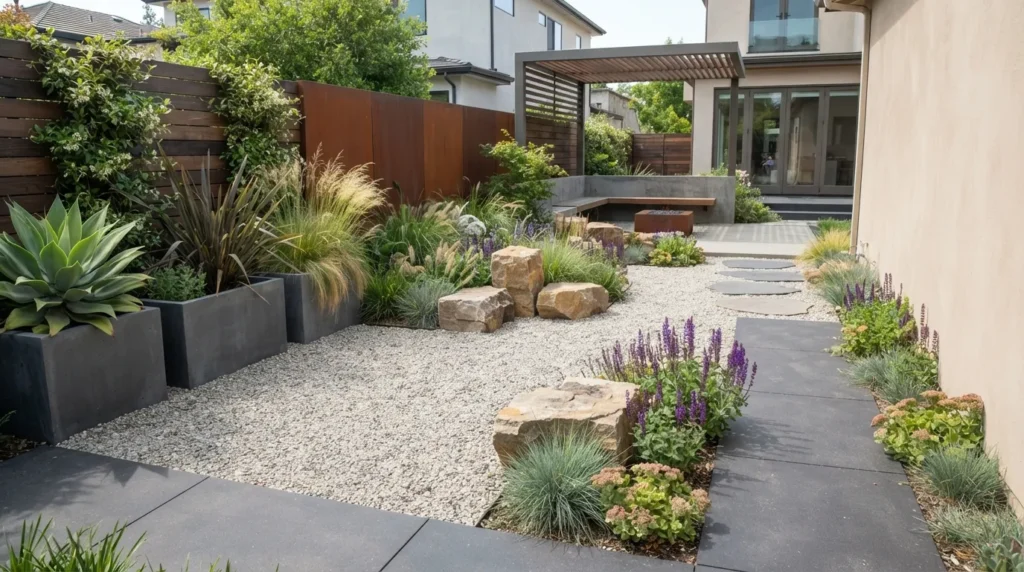
9. Modern Gravel Garden
Quick Benefits
- Can be relatively low maintenance
- Creates a clean, contemporary look
- Works well in small spaces
- Adds texture without excessive planting
- Complements modern architecture
Why It Works
If you’re looking for a garden that feels contemporary and organized, a gravel garden can be an excellent solution. Gravel creates a clean ground layer while allowing carefully selected plants to become the focal points.
This style is particularly effective in compact spaces because it doesn’t require a large lawn or extensive planting beds. Sculptural plants, ornamental grasses, and architectural foliage can provide strong visual interest without needing dozens of different varieties.
A restrained palette also helps the garden feel larger. Instead of competing colors everywhere, you can focus on texture, shape, and repetition.
How To Style It
Begin with a clearly defined gravel area and use edging to separate it from pathways or other surfaces. Choose gravel colors that complement your home’s exterior.
Select a limited number of plants with strong silhouettes. Repeat the same plant in several locations to create rhythm.
Add a few large stones, concrete planters, or simple wooden elements for contrast. Keep accessories minimal and allow the plants and gravel to provide most of the visual character.
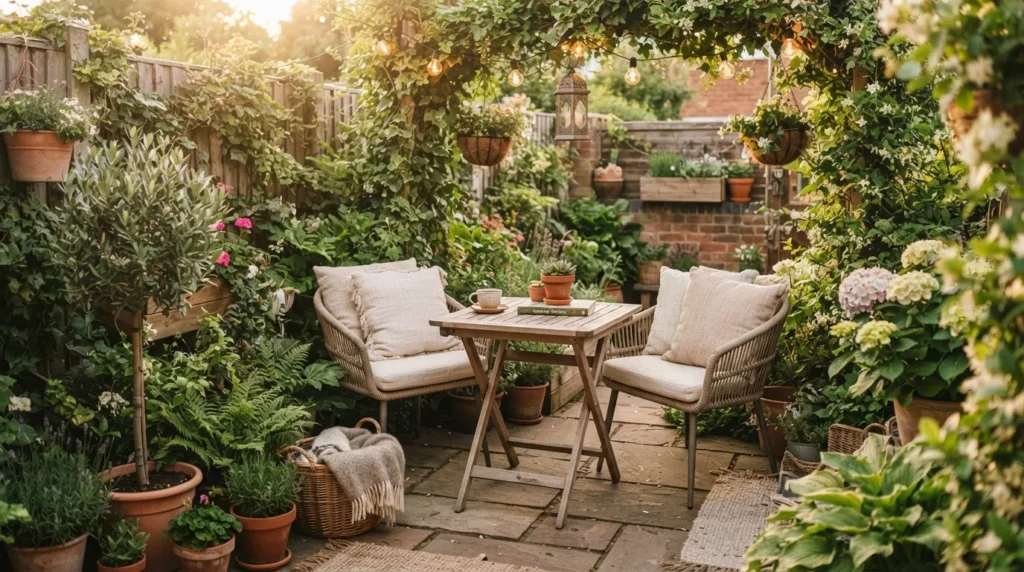
10. Garden Patio Retreat
Quick Benefits
- Combines seating and greenery
- Creates a multifunctional outdoor space
- Works for entertaining and relaxing
- Makes small patios feel more inviting
- Easy to personalize
Why It Works
A small garden can become much more useful when you combine planting with a compact patio or seating area. Instead of treating the garden and seating zone as separate spaces, blend them together so greenery surrounds the area where you spend time.
This creates a feeling of being immersed in the garden even when the usable space is limited. Plants can soften the edges of furniture, while a small paved or decked area provides a practical surface for chairs and tables.
The result can feel like an outdoor room without requiring a large backyard.
How To Style It
Define a compact seating zone using pavers, decking, gravel, or another stable surface. Choose furniture that fits comfortably without blocking access around the garden.
Use planters around the perimeter rather than filling the center with pots. This keeps the main seating area open while still creating a lush backdrop.
Add outdoor cushions, a small table, warm lighting, and a few favorite plants to make the space feel personal. For a polished appearance, repeat the colors or materials used on your home’s exterior.
Related Articles
- Small Backyard Ideas for Cozy Outdoor Spaces
- Easy Patio Decorating Ideas
- Beautiful Container Garden Ideas
- Backyard Landscaping Ideas on a Budget
- Simple Front Yard Garden Ideas
Frequently Asked Questions
How do I make a small garden look bigger?
Use vertical planting, keep pathways visually clear, and avoid filling every surface with furniture or containers. Repeating a few plant varieties can also create continuity, while lighter colors and clearly defined zones help the space feel organized. Using different plant heights adds depth without requiring more floor area.
What plants are best for a small garden?
The best plants depend on your climate, sunlight, soil, and available space. Compact shrubs, herbs, flowering perennials, grasses, and suitable container plants can all work well. Look for varieties that stay appropriately sized at maturity rather than choosing plants based only on how small they appear at the garden center.
How can I garden without much space?
Container gardening, vertical gardening, hanging planters, raised beds, and narrow planting borders are all effective options. You can also combine several functions in one area, such as placing herbs around a small seating space or using a trellis behind a patio bench.
How many plants should I put in a small garden?
There isn’t one ideal number because plant size varies significantly. Instead of counting plants, focus on their mature width and height. Choose a small collection of complementary varieties and repeat them throughout the garden. This often creates a more cohesive appearance than filling the space with many unrelated plants.
Can I create a small garden on a patio?
Yes. Containers, raised planters, vertical systems, and hanging baskets can transform a patio into a productive and attractive garden. Choose containers with good drainage and select plants according to the amount of sunlight the patio receives. Keep enough open floor space for comfortable movement and seating.
How do I keep a small garden from looking cluttered?
Give each area a clear purpose and avoid using too many different colors, container styles, or decorative accessories. Repeating materials and plants creates visual consistency. Leave some open space between features so the garden has room to breathe.
What is the easiest small garden idea for beginners?
A simple container garden is often a good starting point because it is flexible and relatively easy to adjust. Begin with a few appropriately sized containers, choose plants suited to your sunlight and climate, and learn their watering requirements. Once you’re comfortable, you can expand into vertical gardening, raised beds, or more permanent planting.
Conclusion
A small garden doesn’t have to feel limited. With thoughtful planning, even a narrow patio, tiny backyard, balcony, or overlooked corner can become a beautiful green retreat.
The most effective approach is to work with the space rather than against it. Use vertical surfaces when floor space is limited, layer containers to add height, create narrow planting borders along unused edges, and choose furniture that fits the scale of the garden. Even one carefully designed seating area surrounded by greenery can make a dramatic difference.
You also don’t have to complete everything at once. Start with the feature that matters most to you. Maybe that’s a collection of herbs near the kitchen, a cozy chair surrounded by flowers, or a vertical garden that transforms a plain fence. Once that foundation is in place, additional details become much easier to add.
With the right balance of plants, open space, texture, and practical features, a small garden can become one of the most enjoyable parts of your home. The goal isn’t to make the garden look bigger than it is—it’s to make every part of the space feel useful, beautiful, and intentionally designed.