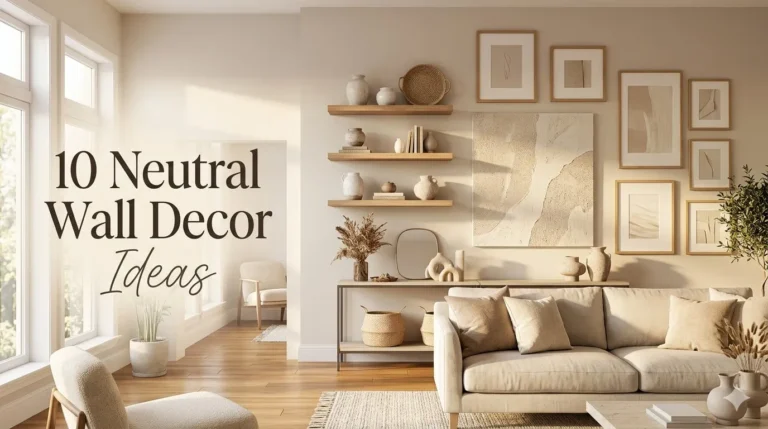

10 Cozy Living Room Ideas for a Warm Home
A living room should be more than just a place to sit. It should feel like the heart of the home—a welcoming space where family gathers, guests feel comfortable, and everyday moments become more enjoyable. In many American homes, the living room serves multiple purposes, from entertaining friends and watching movies to reading, relaxing, and spending quality time together. Creating a warm and inviting atmosphere can completely transform how a space feels and functions.
The good news is that making a room feel cozy doesn’t require a complete renovation. Small design choices such as layered textures, warm lighting, comfortable seating, and natural materials can instantly improve the atmosphere. The most inviting interiors focus on comfort, balance, and personality rather than following every design trend. When done thoughtfully, even simple updates can make a room feel more welcoming and visually appealing.
Whether your style leans modern, farmhouse, traditional, or contemporary, these ideas can help create a living space that feels comfortable throughout every season. Each concept focuses on practical improvements that add warmth, enhance comfort, and create a beautiful environment you’ll genuinely enjoy spending time in every day.
1. Layered Throw Blankets
Bullet Points
- Adds instant warmth
- Creates visual softness
- Enhances seating comfort
- Introduces texture
- Easy seasonal update
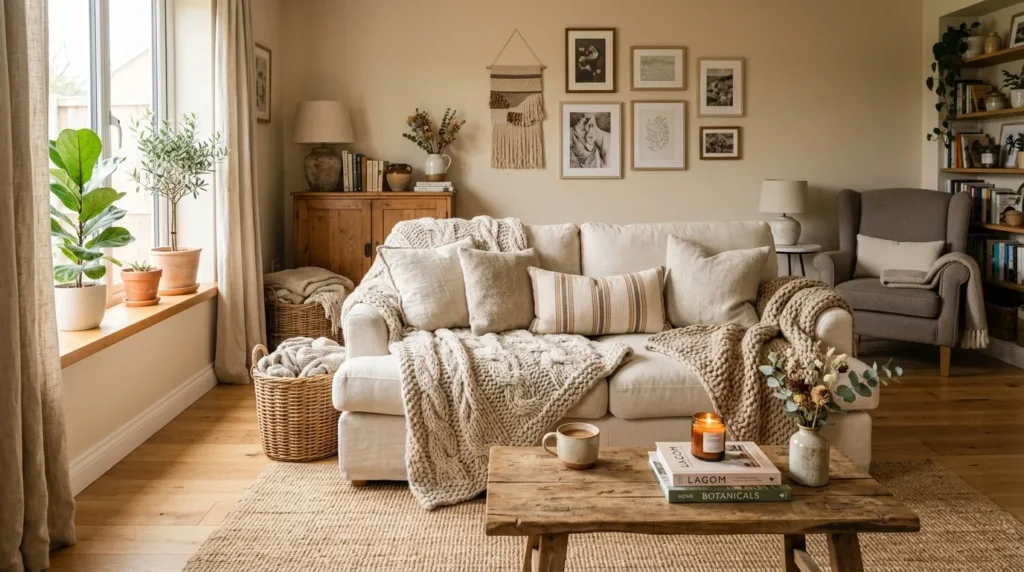
Nothing makes a living room feel more inviting than soft blankets casually draped across sofas and chairs. Layering throws introduces comfort while adding visual texture that makes the entire room feel warmer. Materials such as chunky knits, fleece, cotton, faux fur, and woven fabrics help create depth without requiring major decorating changes. Instead of appearing overly styled, thoughtfully placed blankets make a space look lived-in and welcoming. They also encourage relaxation by making seating areas feel more approachable and comfortable throughout the year.
In my experience, layered textiles often have the greatest impact on a room’s atmosphere. Even neutral spaces gain warmth when multiple textures are combined thoughtfully. Homeowners can switch blankets seasonally to refresh the room without investing in new furniture. During colder months, heavier fabrics create additional comfort, while lightweight options work beautifully in warmer weather. The result is a flexible decorating solution that enhances both style and functionality while making the room feel significantly more inviting.
2. Warm Lighting
Bullet Points
- Creates a relaxing atmosphere
- Enhances evening comfort
- Softens room appearance
- Highlights decor beautifully
- Adds visual warmth
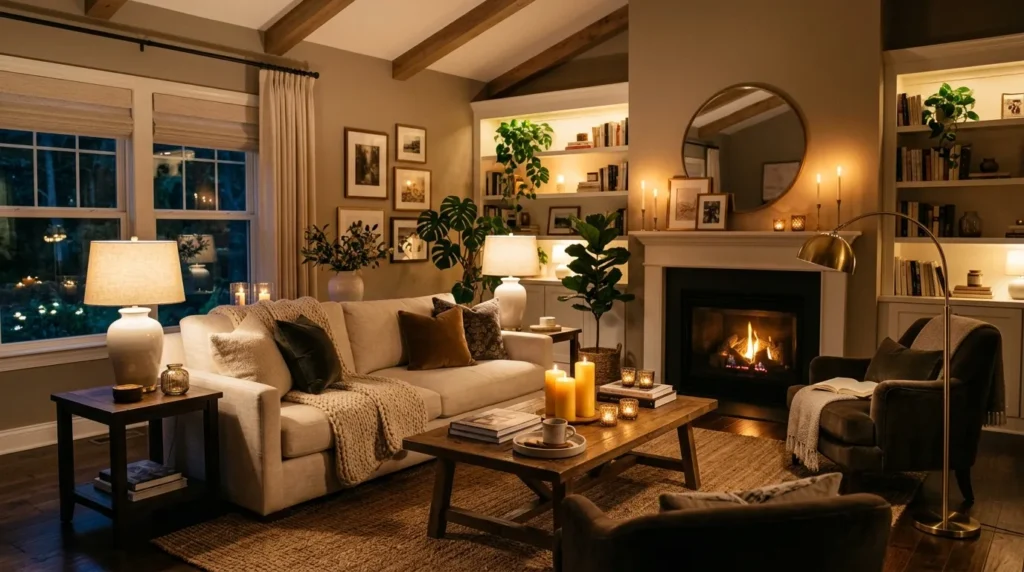
Lighting has a tremendous influence on how a room feels. Harsh overhead fixtures can make even beautiful interiors feel cold and uninviting. Warm lighting, on the other hand, creates a comfortable glow that instantly improves the atmosphere. Table lamps, floor lamps, wall sconces, and candles all contribute to a layered lighting scheme that feels cozy and welcoming. Warm white bulbs are especially effective because they produce a soft golden tone that enhances furniture, textiles, and decorative elements throughout the room.
I’ve noticed that homeowners often underestimate how much lighting affects comfort. A room that feels ordinary during the day can become incredibly inviting in the evening with the right lighting choices. Multiple light sources create depth while reducing harsh shadows. This layered approach allows flexibility for reading, entertaining, or relaxing after a long day. The result is a space that feels warm, intimate, and beautifully designed regardless of its size or decorating style.
3. Natural Wood Accents
Bullet Points
- Introduces organic warmth
- Adds timeless character
- Creates visual balance
- Enhances texture
- Complements most styles
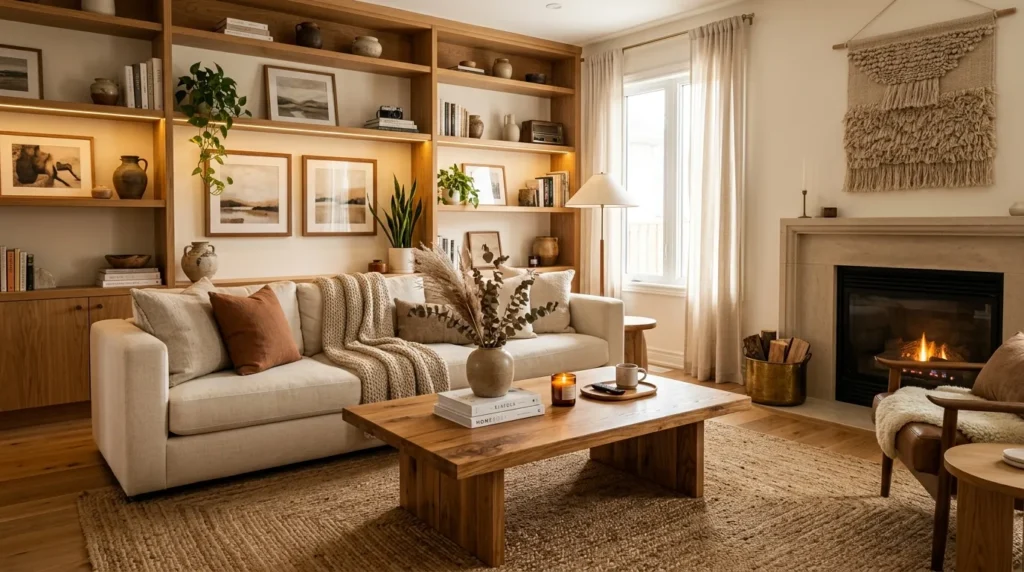
Natural wood brings an unmistakable sense of warmth and authenticity to interior spaces. Whether incorporated through coffee tables, shelving, side tables, decorative trays, or exposed beams, wood introduces texture and character that immediately soften a room. The natural grain patterns create subtle variation while helping balance upholstered furniture and painted surfaces. Lighter woods contribute brightness and airiness, while darker finishes add richness and depth that enhance the overall atmosphere.
I’ve seen this work exceptionally well in both traditional and modern interiors because wood feels timeless rather than trend-driven. It pairs effortlessly with textiles, greenery, stone, and metal finishes. Natural materials help create a connection to the outdoors while making interiors feel more comfortable and welcoming. The result is a living space that feels grounded, balanced, and visually interesting without requiring excessive decoration or complicated design elements.
4. Oversized Area Rugs
Bullet Points
- Defines seating arrangements
- Adds softness underfoot
- Reduces visual emptiness
- Improves room comfort
- Creates cohesive design
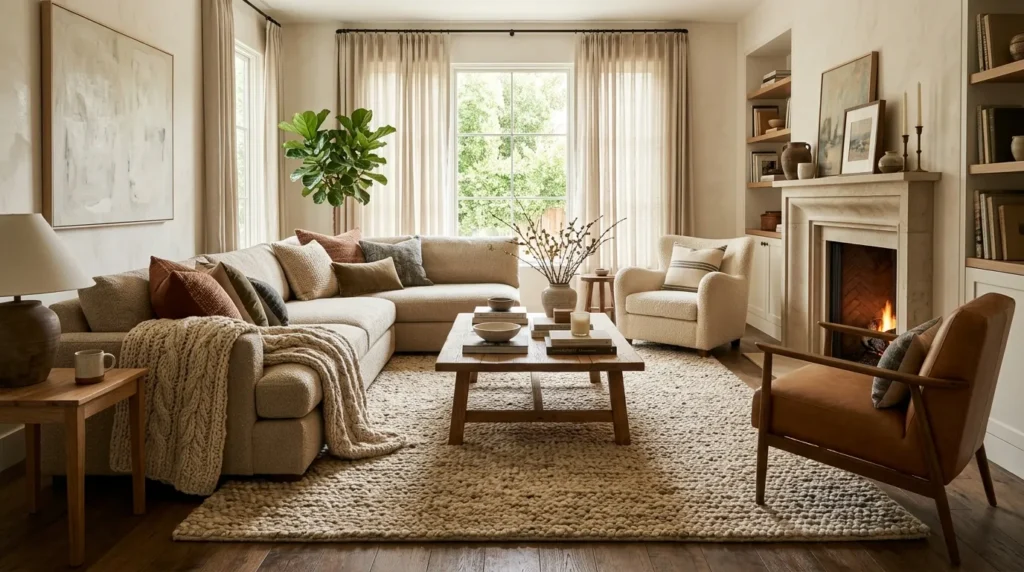
A large area rug can dramatically change the way a living room feels. Beyond providing softness underfoot, rugs help anchor furniture arrangements and create a more cohesive appearance. Oversized rugs work particularly well because they visually connect seating pieces while making the room feel larger and more intentional. Materials such as wool, textured blends, and high-quality synthetics provide durability while contributing warmth and comfort to everyday living.
That’s why many designers recommend choosing a rug larger than homeowners initially expect. I’ve noticed that undersized rugs often make rooms feel disconnected, while generously sized options help unify the entire space. Textured rugs also introduce another layer of visual interest that enhances comfort and style simultaneously. The result is a room that feels complete, comfortable, and thoughtfully designed while supporting both function and aesthetics.
5. Comfortable Seating Layout
Bullet Points
- Encourages conversation
- Improves functionality
- Enhances comfort
- Supports daily living
- Creates welcoming atmosphere
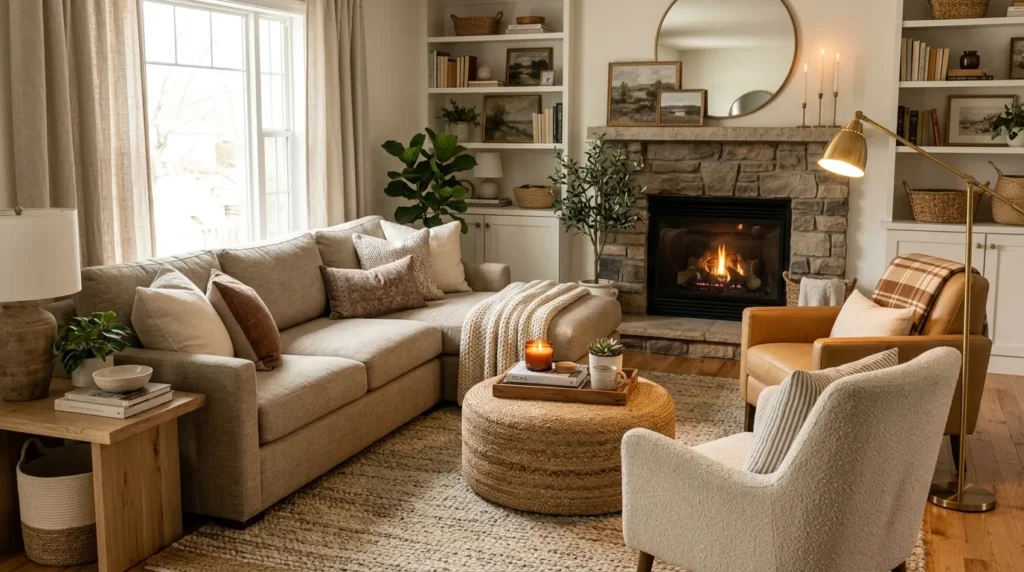
Furniture arrangement plays a major role in determining whether a room feels inviting. A comfortable seating layout encourages conversation, relaxation, and social interaction while making the space easier to use. Sofas, accent chairs, ottomans, and occasional seating should be arranged in a way that feels natural and balanced. Instead of focusing solely on television placement, successful layouts create opportunities for people to connect and engage comfortably.
I’ve seen this work well in many homes where simple furniture adjustments completely transformed the atmosphere. Creating conversation-friendly seating zones helps make rooms feel warmer and more welcoming. Adding soft cushions and supportive seating further enhances comfort without requiring expensive upgrades. The result is a functional environment that supports both entertaining and everyday living while encouraging family members and guests to spend more time together.
6. Layered Pillows
Bullet Points
- Adds softness and comfort
- Introduces color and texture
- Enhances seating appeal
- Creates designer styling
- Easy seasonal refresh
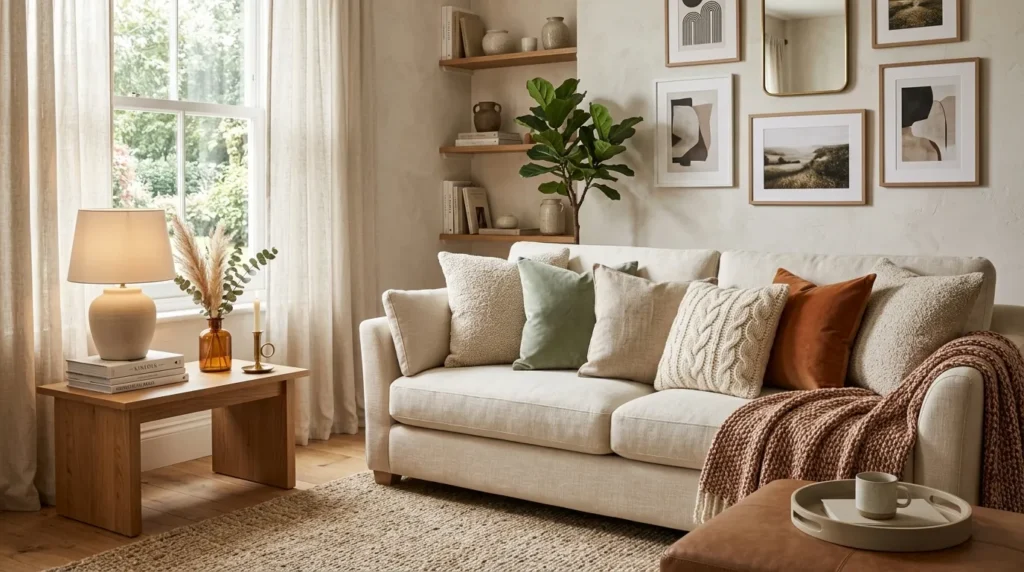
Nothing makes a sofa feel more inviting than a thoughtfully arranged collection of pillows. Layering cushions in different sizes, textures, and fabrics creates depth while making seating areas appear warmer and more comfortable. Linen, boucle, velvet, knit, and cotton materials work beautifully together because they add visual interest without overwhelming the space. Instead of using identical cushions, combining complementary textures creates a relaxed and welcoming atmosphere that feels professionally styled yet approachable.
I’ve noticed that pillows are one of the easiest ways to update a room without major expense. Seasonal changes can be reflected through subtle fabric swaps while maintaining the same furniture. Larger pillows provide comfort, while smaller accent cushions contribute personality and style. The result is a seating area that feels more luxurious, inviting, and comfortable for everyday use while enhancing the overall appearance of the room.
7. Indoor Greenery
Bullet Points
- Brings life into the room
- Softens furniture arrangements
- Adds natural texture
- Creates freshness
- Complements every style
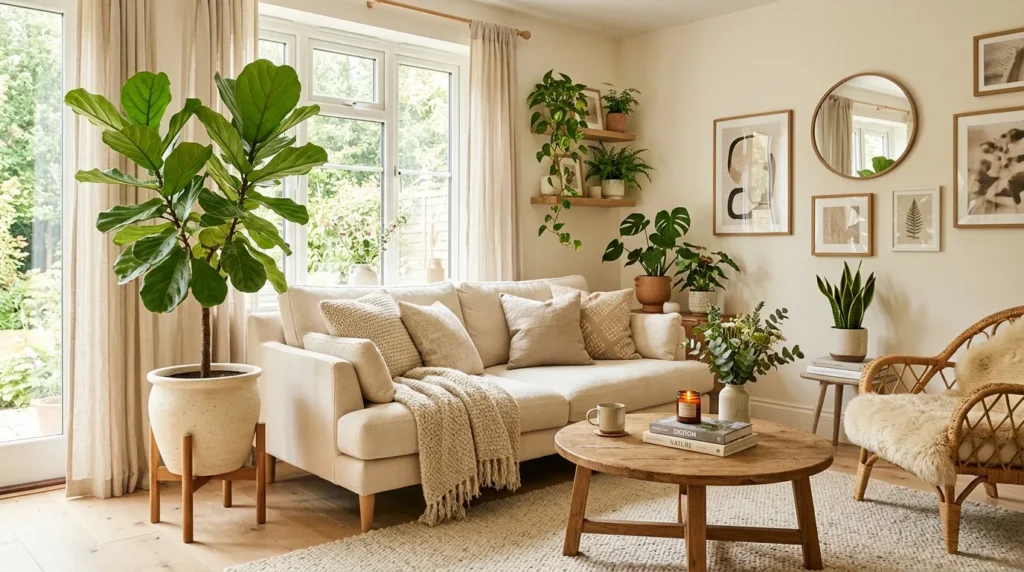
Plants have a unique ability to make interiors feel more welcoming and alive. Whether using large statement trees, tabletop greenery, hanging plants, or small potted arrangements, natural elements introduce freshness that enhances the atmosphere. Greenery softens straight furniture lines while adding subtle color and texture. Popular options such as fiddle leaf figs, olive trees, pothos, and snake plants work beautifully in living rooms because they create visual interest without overwhelming the decor.
In my experience, even one large plant can completely change how a room feels. Natural elements help create a stronger connection between indoor and outdoor environments while making interiors feel healthier and more vibrant. Decorative planters made from ceramic, woven materials, or stone add additional texture and style. The result is a space that feels balanced, relaxed, and naturally inviting while maintaining elegance and sophistication.
8. Built-In Bookshelves
Bullet Points
- Adds architectural character
- Creates personalized styling
- Provides practical storage
- Enhances visual warmth
- Supports layered decor
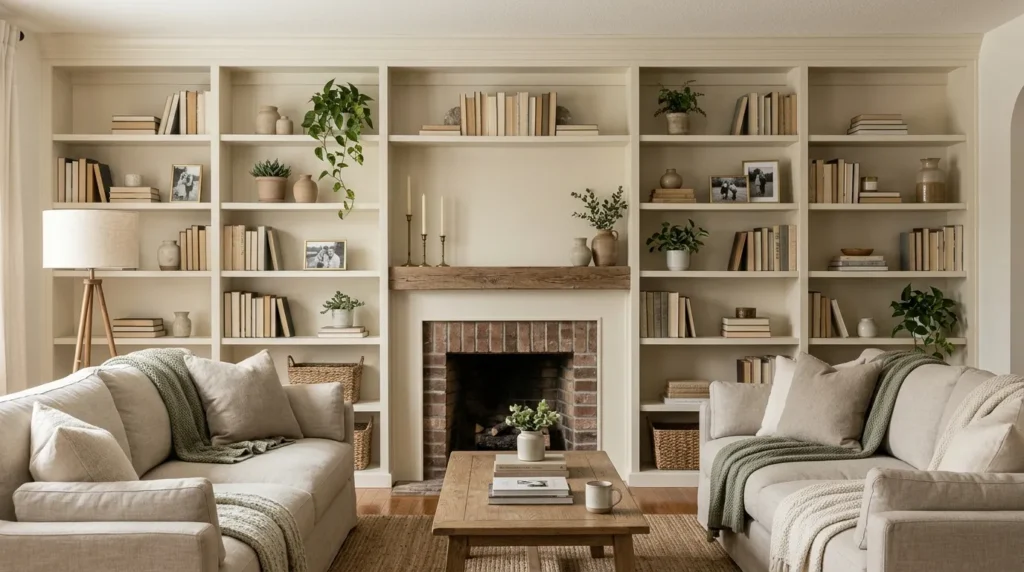
Bookshelves instantly contribute character and personality to a living room. Whether custom built-ins or freestanding units designed to resemble architectural features, shelving provides opportunities to display books, artwork, family photos, candles, and decorative accessories. Carefully curated displays help create visual depth while making the room feel lived-in and welcoming. The combination of functional storage and decorative styling adds richness that contributes significantly to a cozy atmosphere.
I’ve seen this work particularly well in family-oriented spaces where personal items help tell a story. Books, collected objects, and meaningful decor create authenticity that makes rooms feel more inviting. That’s why many designers recommend mixing practical and decorative items throughout shelving displays. The result is an interior that feels warm, personal, and thoughtfully designed while supporting everyday functionality.
9. Fireplace Focal Point
Bullet Points
- Creates natural gathering space
- Adds visual warmth
- Enhances room ambiance
- Increases comfort
- Supports timeless design
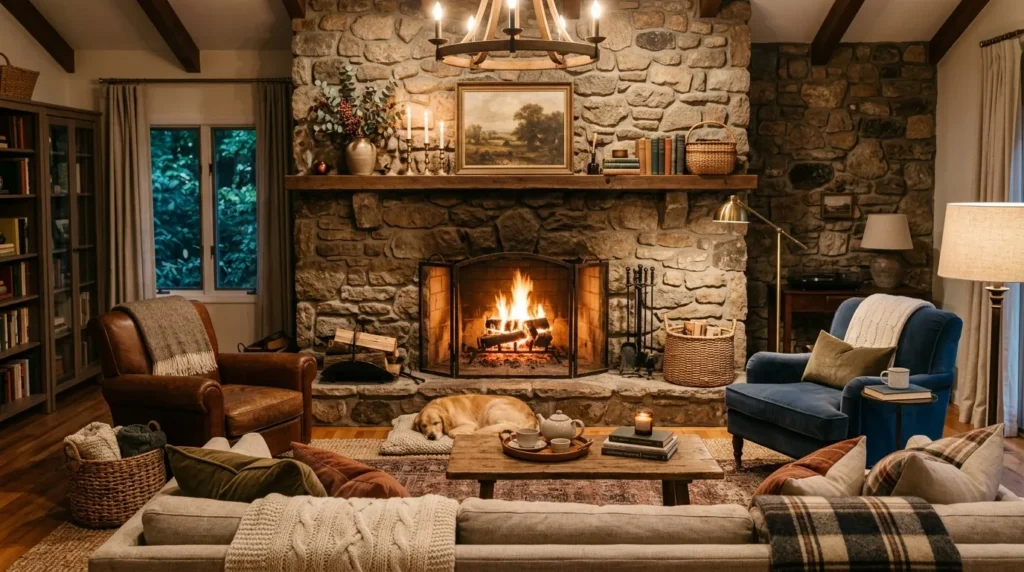
Few features create comfort quite like a fireplace. Whether traditional wood-burning, gas-powered, electric, or decorative, a fireplace naturally becomes the focal point of the room. It encourages gathering, conversation, and relaxation while introducing warmth both visually and physically. Styling the mantel with artwork, candles, greenery, or seasonal accents further enhances its impact. Even non-working fireplaces contribute charm and character that elevate the entire room.
I’ve noticed that living rooms centered around fireplaces often feel more intimate and welcoming. The feature naturally organizes furniture layouts while creating a sense of balance throughout the space. During colder months, fireplaces become especially appealing, but their design benefits remain valuable year-round. The result is a timeless focal point that contributes comfort, elegance, and a sense of home.
10. Soft Neutral Palette
Bullet Points
- Creates calming atmosphere
- Supports timeless design
- Enhances natural light
- Makes rooms feel larger
- Complements layered textures
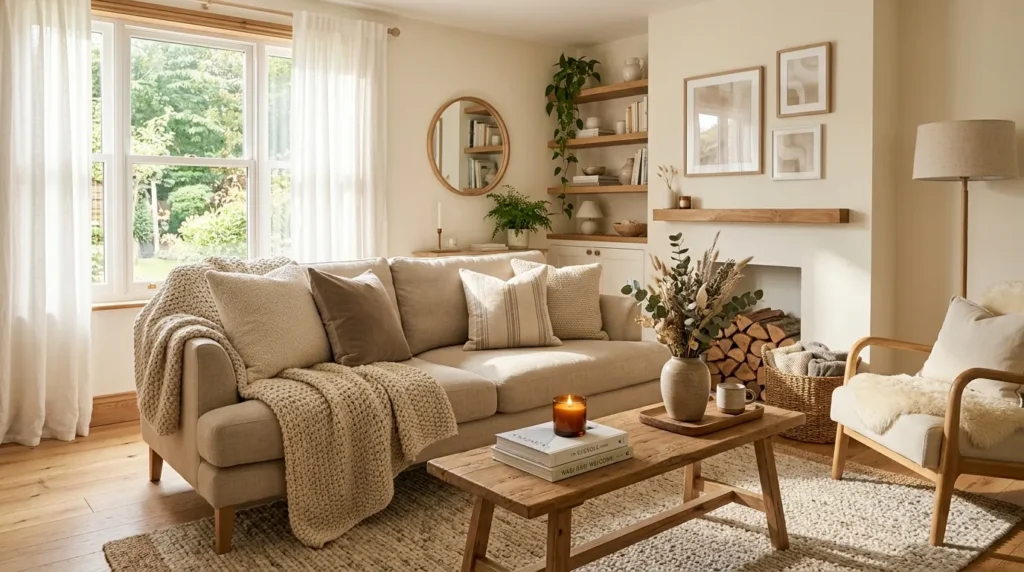
Color plays a major role in creating a warm and welcoming environment. Soft neutral tones such as cream, beige, taupe, warm gray, and ivory help establish a peaceful atmosphere while allowing textures and furnishings to stand out. These shades reflect light beautifully and create a sense of openness without feeling cold. Neutral palettes also provide flexibility because they pair easily with wood finishes, greenery, metals, and seasonal decorative accents.
That’s why many designers recommend starting with a soft neutral foundation when designing comfortable living spaces. I’ve seen this work well in homes of every size because neutral colors create visual harmony while supporting various decorating styles. Layered textiles and natural materials add depth without requiring bold colors. The result is a room that feels bright, relaxing, and effortlessly welcoming throughout every season.