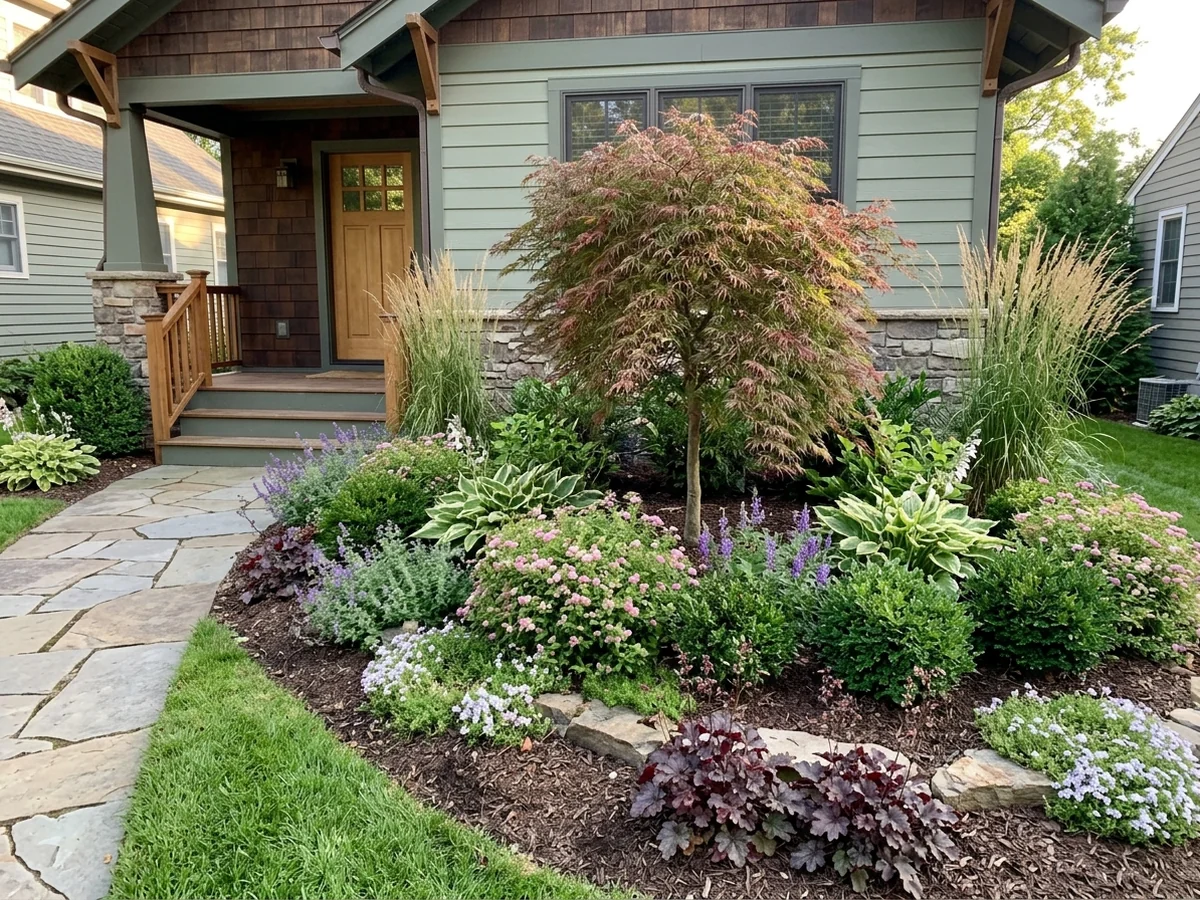
10 Front flower bed ideas
Introduction
Effective front flower bed ideas involve balancing plant selection with structural elements to enhance your home exterior. These creative front flower bed ideas help define your property borders while boosting overall curb appeal through thoughtful design.
This guide explores ten distinct styles ranging from minimalist layouts to lush, tiered arrangements. You will find practical advice on choosing the right perennials, incorporating modern flower bed borders, and managing small front garden design challenges. Whether you want low maintenance front yard landscaping or a vibrant display of curb appeal plants, these concepts provide a foundation for your next outdoor project.
Essential Garden Layout Tips
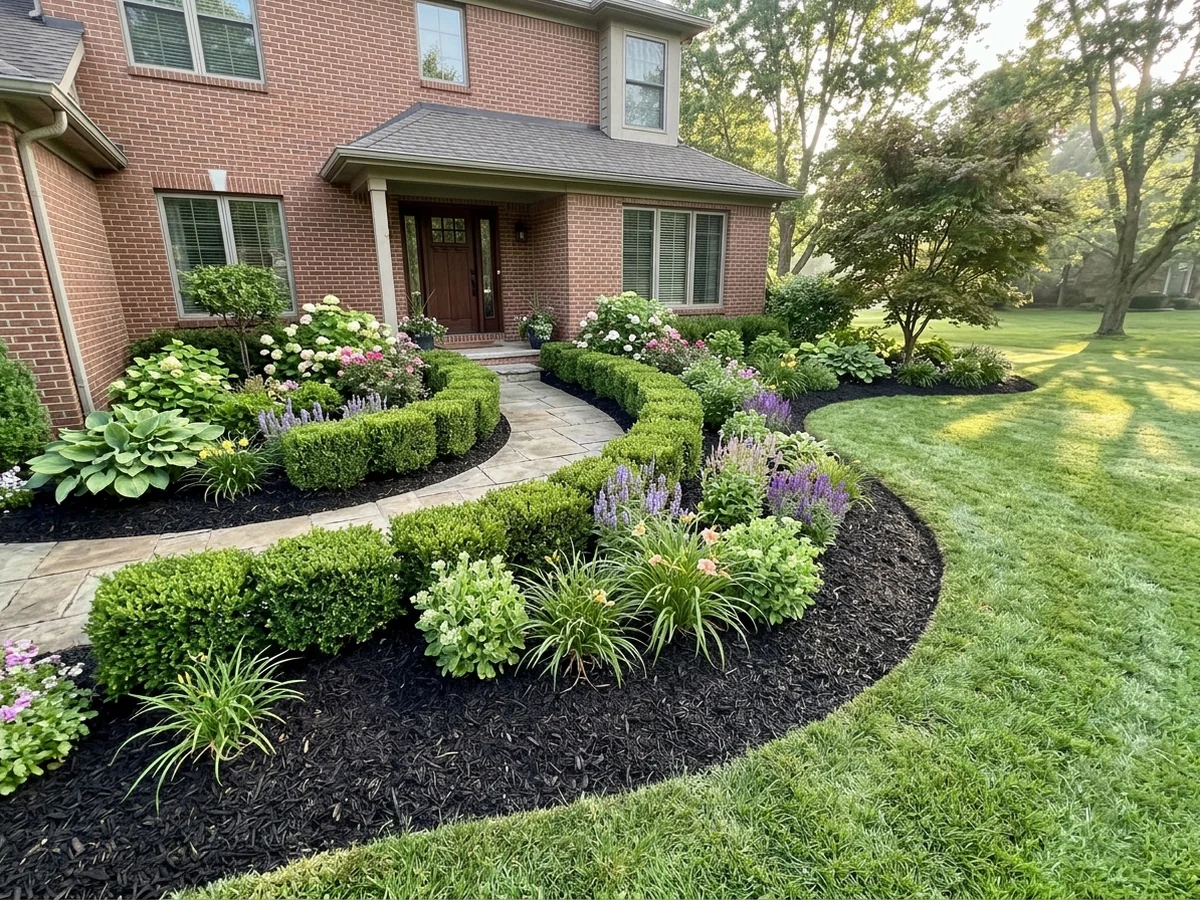
Well-planned garden beds serve as the primary visual anchor for your home, directly shaping its outward presentation and welcoming character. By framing your entrance, these installations create a cohesive look that connects your architecture to the surrounding landscape. Successful front flower bed ideas rely on balancing aesthetic desires with the practical realities of your specific environment.
Assessing Environmental Conditions
Your local climate acts as the most critical factor in determining which plants will thrive throughout the seasons. Before digging, consult local USDA Hardiness Zones to identify species capable of withstanding your area’s specific temperature fluctuations. Conducting soil pH testing is equally important, as it reveals whether your ground conditions favor acidic or alkaline-loving varieties, preventing the common mistake of planting species that will struggle to thrive in your native soil. Prioritizing native plants often yields the best results because these varieties are naturally adapted to local rainfall patterns and typical weather cycles.
Structural and Maintenance Planning
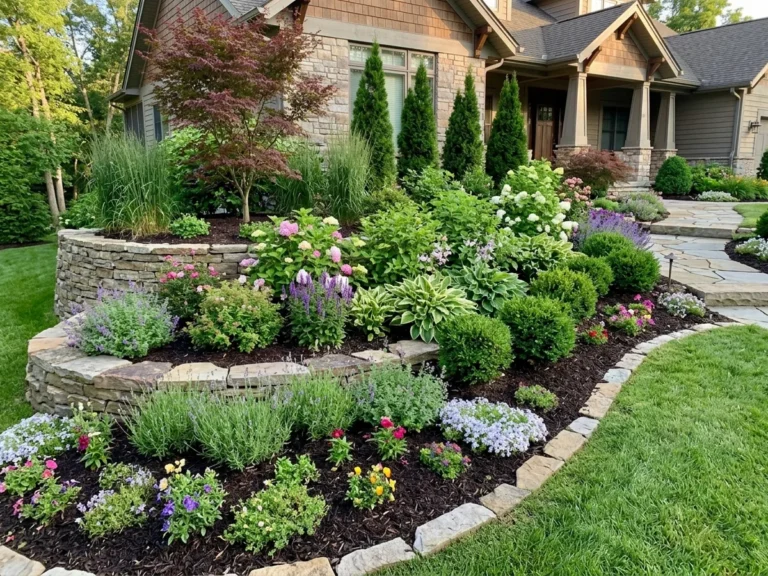
Low maintenance front yard landscaping requires thoughtful material choices. When selecting curb appeal plants, consider their mature size to avoid overcrowding your home foundation plantings, which can lead to moisture issues against exterior walls. Incorporating modern flower bed borders using stone, brick, or metal can provide a clean separation between your lawn and planting areas, making routine maintenance much easier. These borders also help keep mulch contained, which is essential for retaining soil moisture and suppressing weeds.
For those managing a small front garden design, focus on vertical interest rather than wide, sprawling beds. Strategic layering of perennials, from taller background specimens to shorter foreground accents, creates a sense of depth. In regions where water conservation is necessary, installing drip irrigation systems ensures that hydration reaches the root zones directly, reducing waste and keeping plants healthy during dry spells. Avoid the common pitfall of using landscape fabric in areas where you intend to add new plants, as it can eventually hinder root expansion and soil health.
Adapting to Seasonal Changes
Regional environmental conditions dictate how you approach hardscaping and structural choices. Areas with heavy snowfall may require sturdier border materials, while regions prone to high winds benefit from resilient, low-profile vegetation rather than taller, top-heavy varieties. Considering how your space functions during different times of the year allows you to maintain consistent visual interest. Even if your area experiences extreme weather shifts, selecting a mix of perennials that offer structure or color during their respective peak seasons ensures your home exterior remains inviting throughout the year.
Planning Your Flower Bed Layout
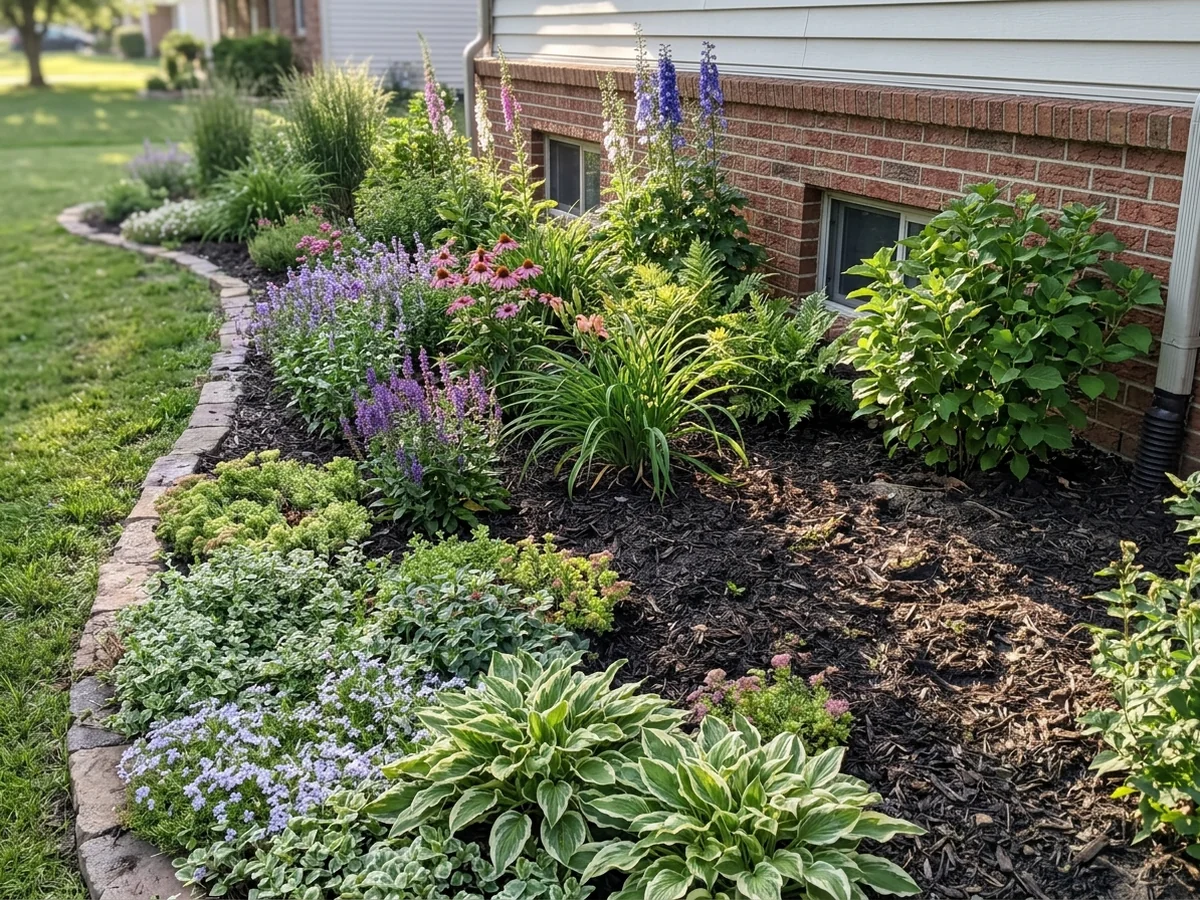
Successful garden design begins by mapping your property’s environmental conditions and structural lines. You can establish a thriving display by following these essential planning steps:
- Observe your home throughout the day to identify how many hours of direct sunlight reach your intended planting area.
- Conduct a simple soil test to determine your ground pH level and texture, which helps you select plants that will actually thrive in your yard.
- Align your garden shape with the existing architectural features of your house to create a cohesive and intentional look.
- Choose vegetation heights that complement the elevation of your siding and windows rather than obscuring them.
- Maintain visual balance by ensuring your front house foundation plantings do not overpower smaller entryways or porches.
- Incorporate enough space between specimens to allow for future growth, preventing a crowded appearance as your garden matures.
Assessing sunlight patterns is critical because most flowering species have specific requirements for light exposure. South-facing walls often create intense heat zones, while northern exposures remain cooler and may require shade-tolerant varieties. Matching your plant choices to these zones ensures your display looks vibrant rather than stressed.
Soil quality dictates the long-term health of your perennials. If your ground is heavy clay or sandy, amending it with organic matter improves drainage and nutrient availability. Understanding what lies beneath the surface prevents the common frustration of replacing plants that fail to establish roots in poor conditions.
Considering the architecture of your house prevents a disjointed aesthetic. Modern homes often benefit from clean, geometric lines, while traditional houses may suit soft, sweeping curves. Your garden should act as an extension of the structure, framing doors and windows to guide the eye toward the entrance.
Balancing size and scale is the final piece of the puzzle. When arranging these exterior botanical features, keep taller shrubs toward the back or corners to provide a backdrop for lower-growing annuals or perennials. Keeping the proportions in check ensures your curb appeal remains welcoming instead of cluttered or imposing.
Choosing Plants for Curb Appeal
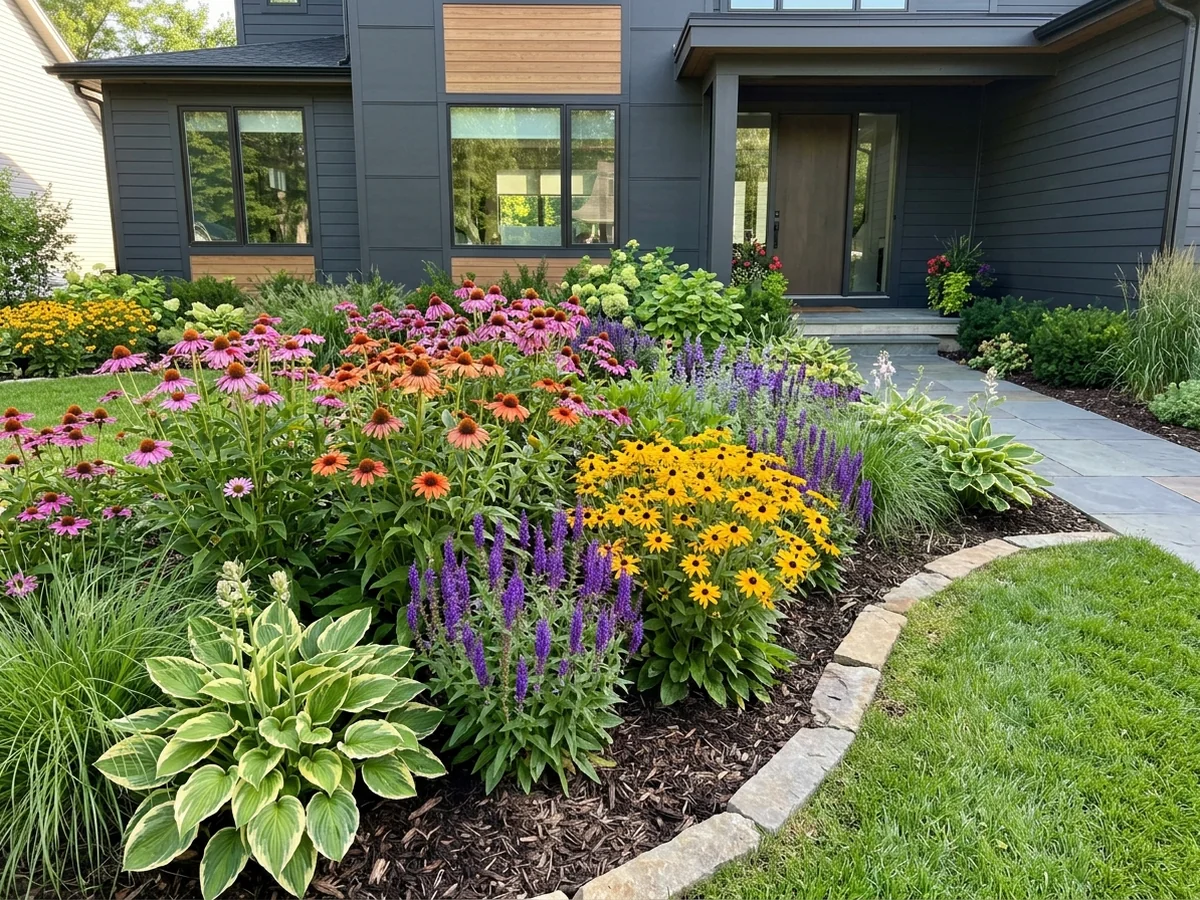
Selecting the right vegetation ensures your display remains vibrant season after season while minimizing constant replanting. When you explore various front flower bed ideas, focus on integrating perennials that return year after year to build a reliable foundation of color. Perennials offer long-term value because they establish root systems that strengthen over time. By choosing varieties with different bloom times, you can stagger flowering periods so your garden always features fresh color. Grouping these plants according to their light and water needs simplifies maintenance and helps them thrive together.
Designing for Longevity and Scale
A common mistake in small front garden design is failing to account for the mature size of your chosen species. Plants that look perfectly spaced in a nursery pot may quickly become overcrowded once they reach their full height and width. Research the expected dimensions of every plant to ensure your front house foundation plantings do not eventually obstruct windows or pathways. Incorporating native plants is one of the most effective ways to ensure regional success. Because these species have evolved within your specific environment, they are naturally adapted to local rainfall patterns and soil conditions, which reduces the need for supplemental water or fertilizers.
Climate and Soil Considerations
Understanding your local USDA Hardiness Zones provides a critical guide for choosing curb appeal plants that can survive your climate. These zones categorize regions based on their average minimum winter temperatures, helping you identify which species are likely to flourish in your landscape. Before purchasing your plants, perform soil pH testing to ensure the ground is suitable for your desired flowers. If your soil is particularly heavy or sandy, amending it with organic matter can improve drainage and nutrient availability.
Efficient Maintenance Practices
To keep your beds looking sharp with less effort, consider installing a professional drip irrigation system. This method delivers water directly to the root zone, reducing evaporation and lowering the risk of disease. Additionally, applying a layer of mulch helps suppress weeds, retains soil moisture, and adds a finished, modern look to your flower bed borders. While landscape fabric is sometimes used to prevent weed growth, monitor the soil health periodically, as it can sometimes impede the natural exchange of nutrients and water if not installed correctly.
- Check your local USDA Hardiness Zones to narrow down plant selections.
- Select a mix of perennials that offer staggered blooming schedules.
- Prioritize native plants to reduce the need for supplemental water or fertilizers.
- Group species with similar sun and soil requirements together.
- Consider the mature size of each plant to prevent overcrowding in your beds.
Designing Modern Garden Borders
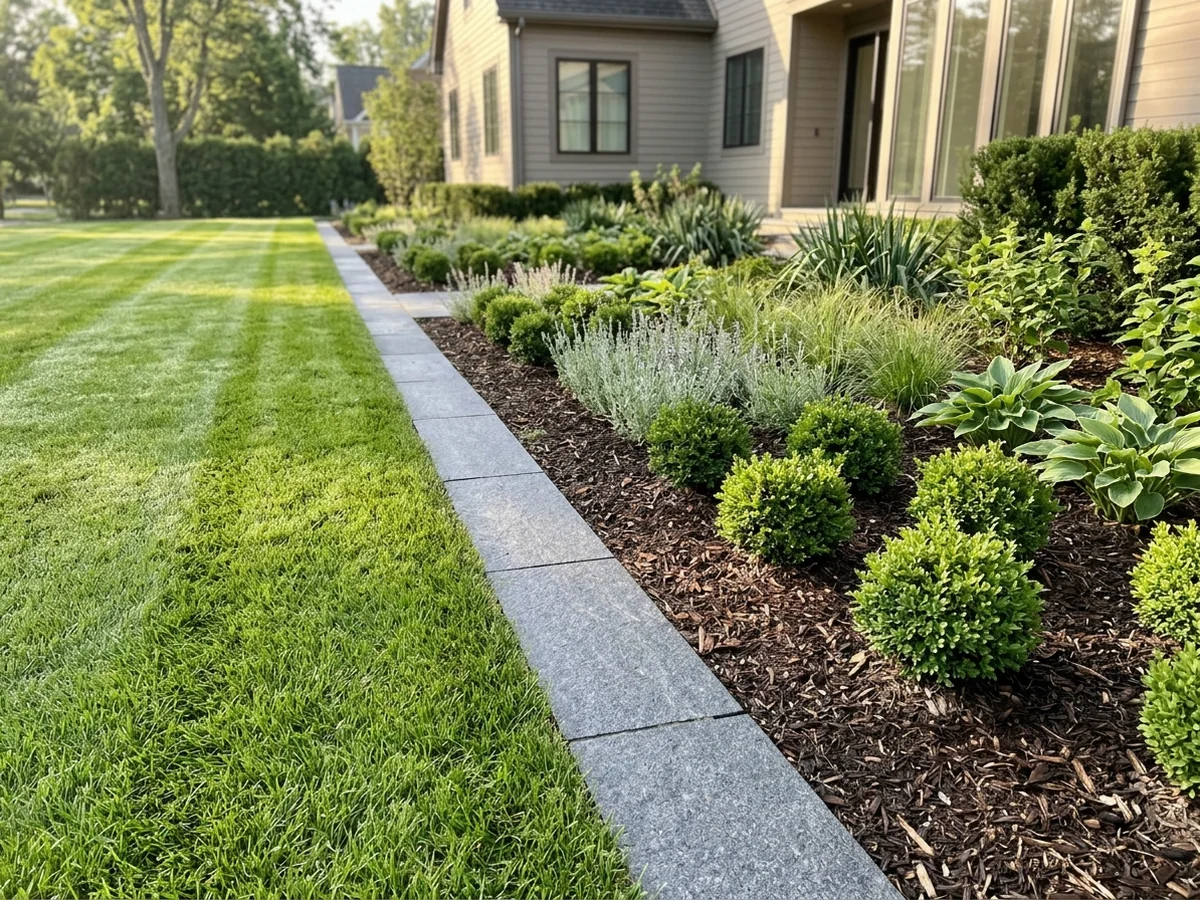
You achieve a clean, structured look by using solid materials or organic ground covers to frame your planting areas. Incorporating hardscaping elements provides a permanent boundary that separates your greenery from the lawn, preventing grass from creeping into your display.
Installing metal or stone edging creates crisp, defined lines that instantly elevate the style of your entry. Metal strips offer a subtle, minimalist profile that works well in contemporary settings, while natural stone blocks or pavers provide a more substantial, architectural feel. These barriers act as a physical guide for your eye, making the arrangement look deliberate and well-kept.
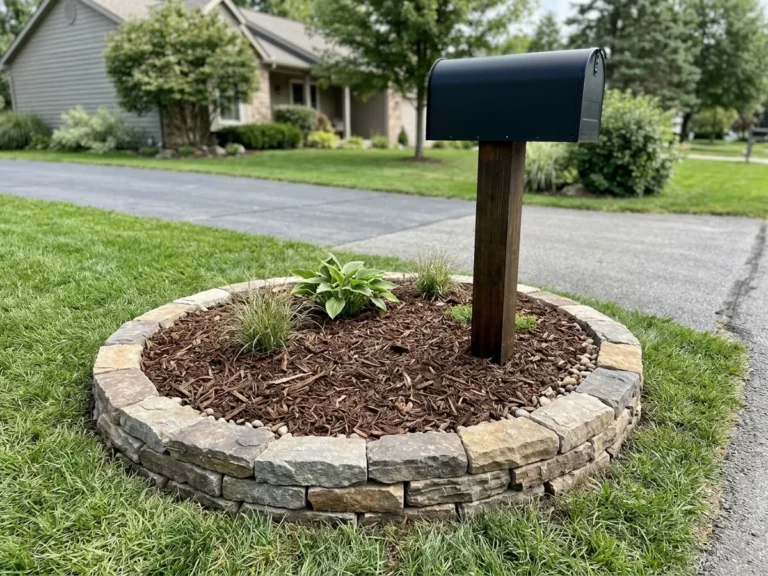
Mulch serves as a functional tool for defining edges when you prefer a softer transition between surfaces. By creating a clean, slightly recessed trench filled with fresh wood chips or shredded bark, you draw a distinct line that makes your greenery pop. This method is practical for moisture retention and keeps weeds at bay, which is essential for maintaining modern flower bed borders.
Maintaining a structured, modern appearance relies on consistent upkeep of these defined spaces. Follow these practices to keep your display looking sharp:
- Clear away debris from stone or metal borders regularly to prevent soil buildup.
- Refresh your mulch annually to maintain a deep, rich color that contrasts with your foliage.
- Trim back perennials that spill over the edge to keep the intended shape of your garden design visible.
- Ensure your hardscaping remains level to prevent gaps where grass or weeds might eventually emerge.
Keeping these edges neat prevents the garden from appearing neglected or overgrown. Whether you opt for the industrial precision of steel or the organic texture of stone, these choices simplify your maintenance routine while enhancing the overall visual appeal of your property.
Strategies for Small Spaces
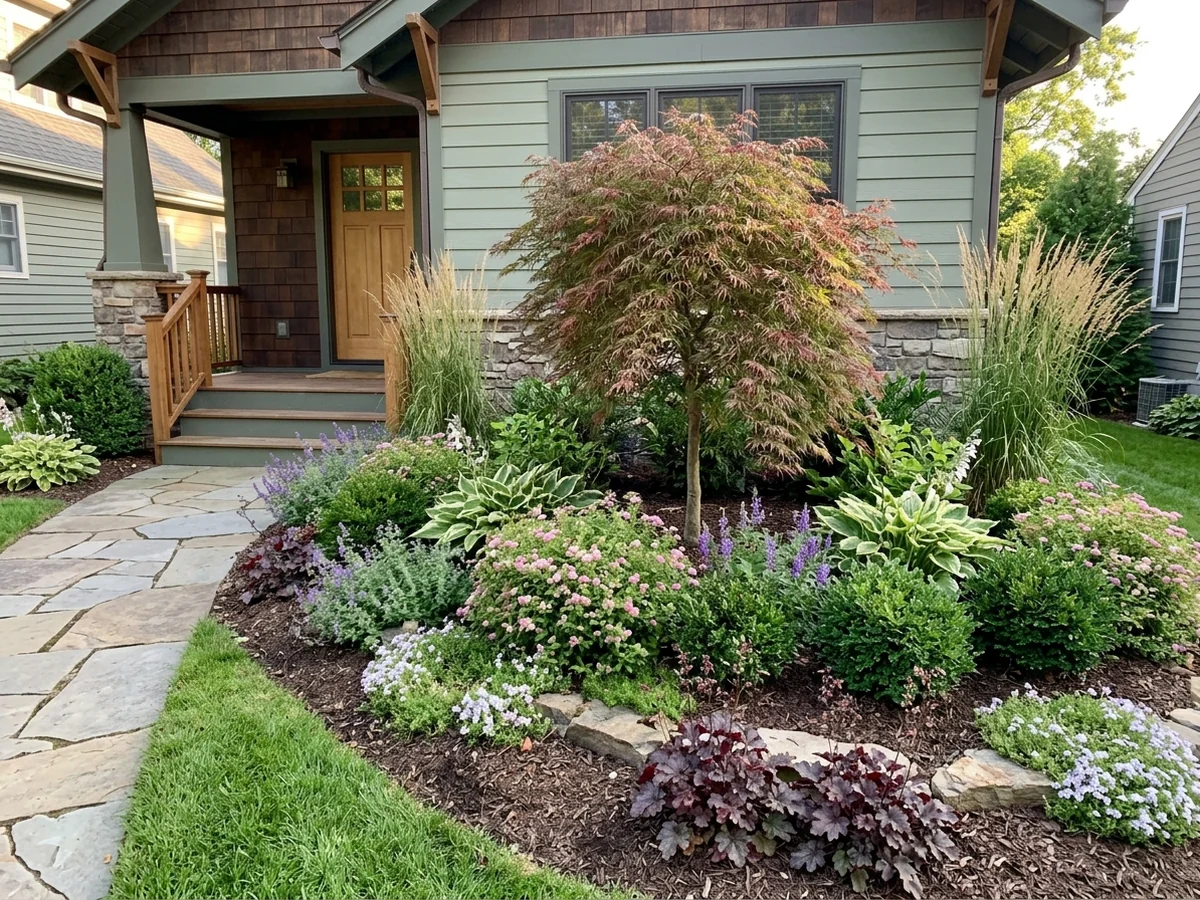
Maximizing limited footage requires intentional vertical layering, selecting appropriately sized plant species, and anchoring the layout with a solitary focal point. These methods transform a tight entrance area into a lush, visually balanced display that avoids feeling overcrowded.
You can optimize the layout of a compact entryway by shifting the focus toward height and structure rather than density. Instead of filling every inch of soil with various perennials, choose one striking element like a decorative urn or a specimen shrub to draw the eye toward the entrance. This approach prevents the space from appearing cluttered while still providing seasonal interest.
Vertical gardening techniques offer an effective way to grow more greenery without consuming valuable ground space. By incorporating wall-mounted planters, trellises for climbing vines, or tiered shelving, you can introduce different textures and colors at varying eye levels. This strategy draws attention upward and adds depth to the exterior of your home.
Selecting compact plant varieties ensures that your display remains proportionate to the surrounding architecture as the vegetation matures. These cultivars are specifically bred to maintain a smaller footprint, preventing them from overwhelming paths or windows over time. Consider these specific tactics when planning your layout:
- Train vining species onto wall-mounted trellises to create a living screen that saves ground space.
- Prioritize dwarf shrub varieties that naturally maintain a tidy shape without constant pruning.
- Use hanging containers near the entryway to introduce color at eye level.
- Anchor the design with a single standout sculpture or a large, ornamental pot to serve as a primary visual hook.
- Incorporate tiered plant stands to display multiple smaller pots in a single vertical column.
- Choose slow-growing species that will not outgrow their designated space within a few seasons.
Focusing on a single focal point creates a sense of order that makes a constrained area feel larger and more intentional. When you reduce the total number of plant types, the eye can move through the space more easily. This minimalist philosophy keeps the exterior looking clean and helps maintain a cohesive aesthetic throughout the year.
Implementing Low Maintenance Landscaping
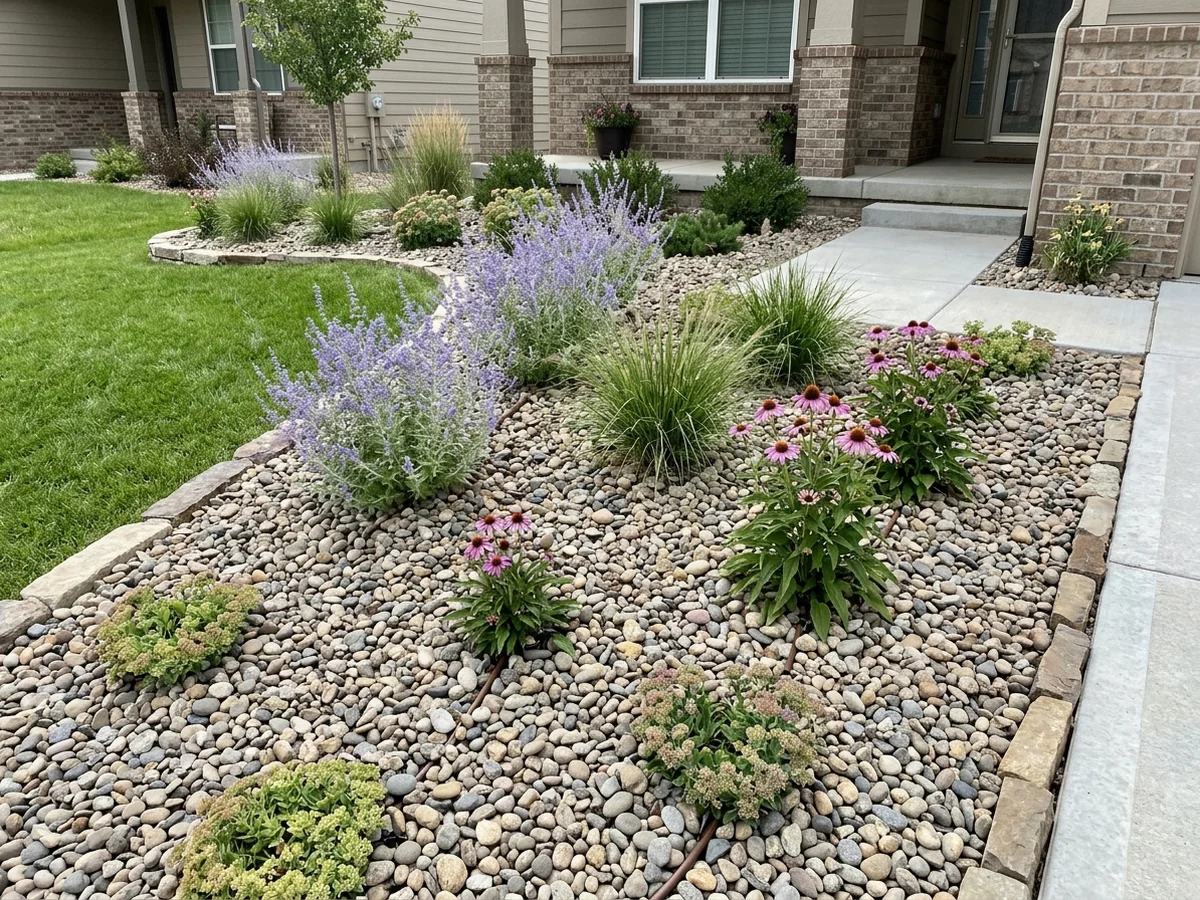
Creating a polished exterior that manages itself allows you to enjoy your home without the constant burden of yard work. Successful low maintenance front yard landscaping relies on strategic planning, where the focus shifts from frequent intervention to building a self sustaining environment. By prioritizing efficiency in your compact outdoor spaces, you can achieve a sophisticated look that remains vibrant across the seasons.
Designing for Efficiency
The foundation of a low effort garden begins with smart infrastructure. Drip irrigation is a premier solution for consistent, targeted hydration. By delivering water directly to the root zone, you minimize evaporation and keep foliage dry, which significantly reduces the risk of common plant diseases. When paired with automated timers, this setup ensures your greenery receives exactly what it needs without the daily chore of dragging hoses.
Another essential step involves effective weed management. Using landscape fabric as a barrier beneath your mulch layer prevents sunlight from reaching dormant weed seeds. This simple addition saves hours of weeding throughout the growing season. For the best results, ensure the soil is cleared of existing debris before application, and secure the fabric firmly to maintain a clean, tidy appearance for the plants placed around your exterior walls.
Selecting Resilient Plantings
Choosing the right greenery is just as important as the mechanical systems you install. To create a space that requires minimal pruning, prioritize species that possess a naturally compact and tidy growth habit. Researching plants based on your specific USDA Hardiness Zones ensures you select varieties that are naturally adapted to your local climate and soil conditions.
When selecting your plants, consider these practical strategies:
- Incorporate native plants, as they are inherently suited to regional rainfall patterns and local pests.
- Group plants with similar light and moisture needs together to simplify your watering schedule.
- Favor perennials over annuals to eliminate the need for replanting every spring.
- Use soil pH testing to ensure you are placing plants in an environment where they will naturally thrive without supplemental fertilizers.
A common mistake is overcrowding your beds. Always check the mature size of your chosen species to allow for proper airflow and growth. By selecting plants that do not require constant shaping, you preserve the structural integrity of your design and keep your garden looking fresh throughout the year with only minimal seasonal maintenance.
Avoiding Common Bedding Errors
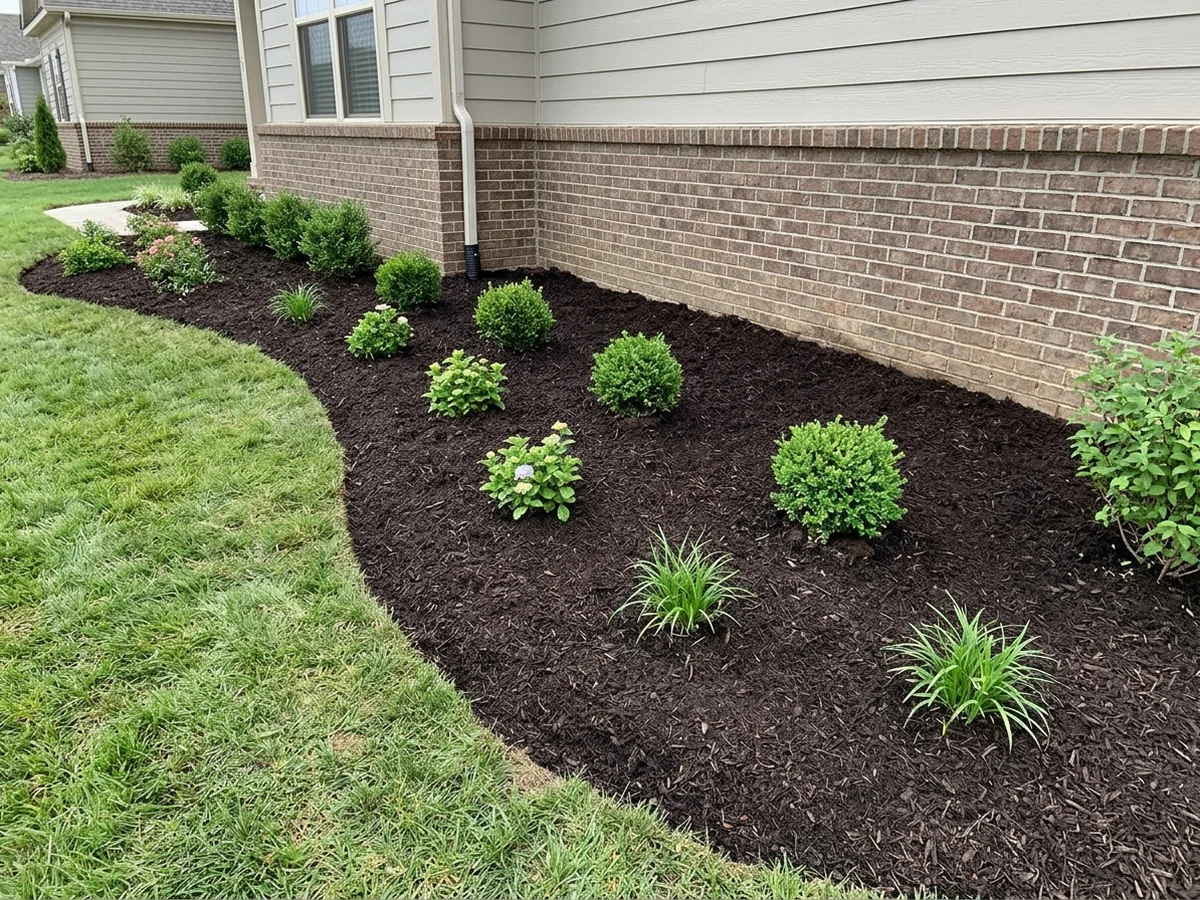
Successful landscaping relies on avoiding mistakes that restrict plant growth or damage your home foundation. While exploring front flower bed ideas, you should prioritize long-term soil health and strategic spacing over immediate visual density.
Consider these essential practices to maintain a healthy and sustainable garden bed:
- Overcrowding plants prevents necessary airflow, which increases the likelihood of fungal diseases and makes future maintenance difficult.
- Conducting soil pH testing before planting ensures your chosen perennials have the specific nutrients required to thrive in your local environment.
- Ignoring soil health results in poor root development and may require you to replace struggling plants much sooner than expected.
- Installing drip irrigation systems requires careful planning to ensure water reaches the root zones without causing moisture damage to house siding or foundations.
- Positioning irrigation lines too close to the home can lead to foundation issues, so always maintain a buffer zone between your watering system and the structure.
Planting too closely often stems from a desire for an instant, full look, but this approach rarely lasts. As perennials mature, they inevitably compete for space, water, and sunlight. Providing enough room from the start allows each specimen to reach its full potential without suffocating nearby greenery.
Soil quality is the foundation of any thriving bed. If you neglect to test the pH or amend the composition, even the most expensive plants will struggle to establish themselves. Understanding what your soil lacks allows you to add organic matter or specific amendments that foster deep, healthy root systems.
Water management is equally critical for both your plants and your home. Poorly placed irrigation systems often spray water directly against brick or wood exteriors, which can lead to rot and structural concerns over time. By mapping out your zones before digging, you ensure that every plant gets exactly what it needs while keeping your home dry and well-protected. Thoughtful planning today prevents costly corrections down the road.
Hiring Professional Garden Designers
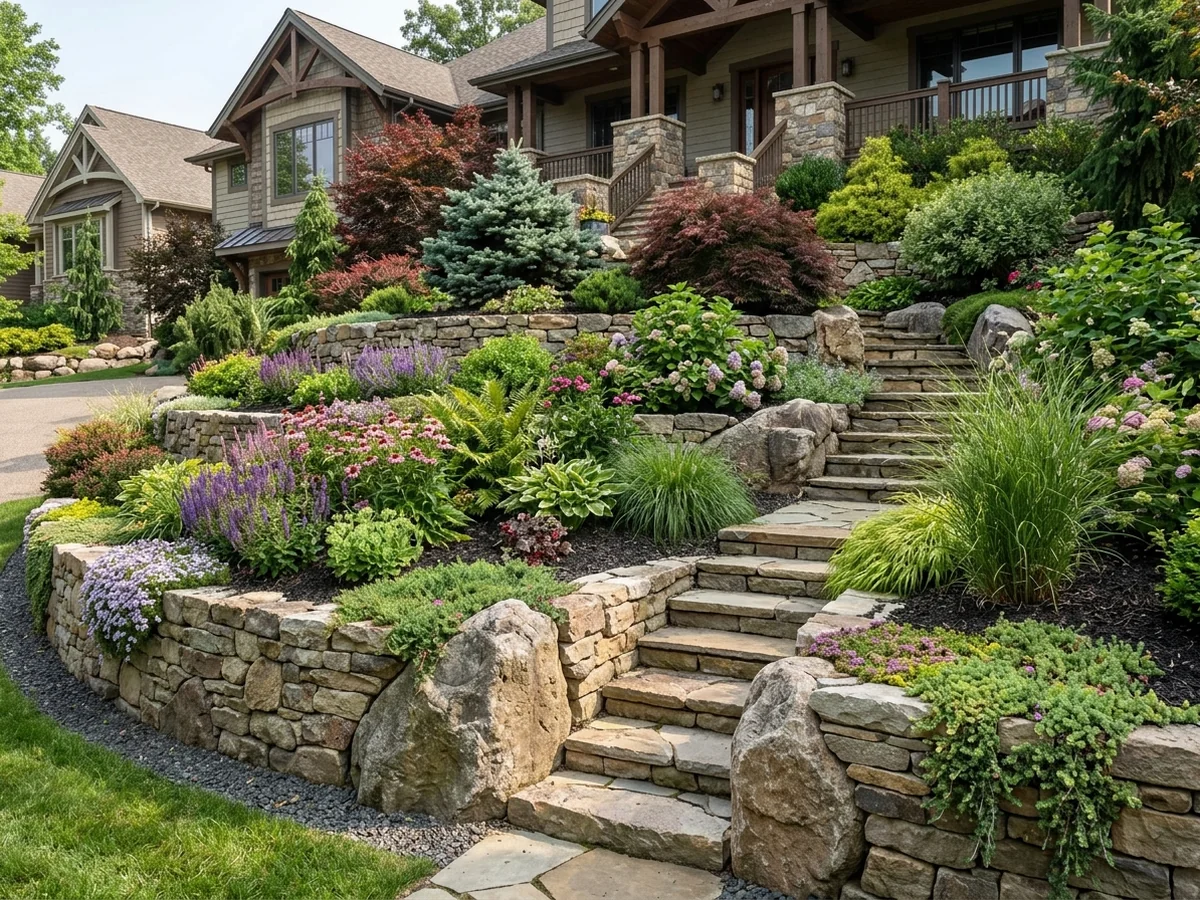
Consulting a professional designer is often necessary when your landscaping project involves significant structural challenges or complex environmental factors. Experts bring the technical knowledge required to ensure the long-term success of your exterior greenery.
Addressing persistent drainage issues or significant grade changes usually requires a professional assessment. Designers understand how to regrade land or install sub-surface systems that redirect water away from your home foundation. This prevents soil erosion and protects your property from water-related damage that amateur efforts might overlook.
Large scale hardscaping requirements demand precise engineering and compliance with local building codes. If your vision includes retaining walls, stone pathways, or heavy structural elements, a designer can manage the logistics of materials, permits, and professional installation. They ensure that these heavy features remain stable and functional through changing seasons.
Complex soil issues often remain hidden until a thorough analysis is conducted. Professional landscape designers use comprehensive testing to determine your soil composition and nutrient levels. This step is vital for choosing appropriate plants that will actually thrive in your specific environment. Without this information, you risk investing in vegetation that struggles to grow due to poor pH balance or inadequate soil structure.
Working with a professional provides several key advantages for your outdoor space:
- Accurate grading to prevent water accumulation near building structures.
- Expert selection of hardy perennials and native plants suited to your specific climate.
- Proper integration of hardscaping that complements the architecture of your house.
- Strategic planning for irrigation systems that minimize water waste.
By delegating these technical aspects to a qualified specialist, you gain peace of mind knowing your exterior layout is both beautiful and structurally sound. They bridge the gap between your aesthetic goals and the practical reality of your land. This collaboration is particularly valuable for those who want a polished result without the stress of managing complicated technical installations alone.
FAQ
What are the best plants for a low maintenance front yard?
Native plants are typically the best choice for a low maintenance front yard because they are adapted to your local climate and soil conditions. These species often require less water, fertilizer, and pest control once they become established in your garden beds.
How do I choose the right plants to boost my home exterior?
Select greenery to boost your home exterior by considering your specific USDA Hardiness Zone and the amount of sunlight your front garden receives throughout the day. You should also look for a mix of textures and heights to create visual interest that lasts across different seasons.
What should I use for creating tidy edges around flower beds?
Clean edges around flower beds often utilize materials such as natural stone, steel edging, or pre-cast concrete blocks to define the space. These materials provide a crisp line that separates your planting area from the lawn or walkway, which contributes to a tidy appearance.
How can I improve the layout of a compact front garden?
Improve the layout of a compact front garden by focusing on vertical elements like trellises or layered plantings to maximize your available space. Keep the color palette cohesive and limit the variety of plant types to avoid making the area feel cluttered or overwhelming.
Is it necessary to use landscape fabric in beds near the house structure?
Landscape fabric is sometimes used in beds near the house structure to suppress weeds, though it can interfere with soil health and organic matter decomposition over time. Many gardeners prefer using a thick layer of organic mulch instead, as this suppresses weeds while gradually improving the quality of the soil as it breaks down.
When should I perform a soil pH test?
Perform a soil pH test before you begin planting to determine if your soil needs amendments to support the specific flowers you want to grow. This simple step helps ensure that your chosen plants can effectively absorb the nutrients they need to thrive in your landscape.
Conclusion
The most important next step is to evaluate your specific site conditions, such as sunlight exposure and soil quality, before purchasing any materials. Once you have a clear understanding of your local environment, you can confidently select the right plants and layout to bring your favorite front flower bed ideas to life. Start by sketching a simple plan to ensure your chosen design complements your home architecture and fits your available space.
You might also like: 10 Vegetable Garden Ideas