11 Mailbox landscaping ideas
Introduction
Enhancing your home exterior with thoughtful mailbox landscaping ideas creates a welcoming entrance while boosting curb appeal. These mailbox landscaping ideas balance aesthetic beauty with practical considerations to ensure your project remains functional and compliant.
This article provides a curated list of design concepts for your mailbox area. You will learn how to select appropriate plant species, choose durable hardscape materials, and manage your garden bed for long-term success. We also cover essential tips for working around underground utilities and keeping your design accessible for the United States Postal Service. By following these guidelines, you can transform a simple post into a charming feature that complements your home style and landscape.
Enhancing Curb Appeal with Thoughtful Mailbox Design
Strategic planting around your mailbox serves as a primary focal point that elevates the overall aesthetic of your home exterior. By integrating soft greenery or structured hardscapes, you create a polished transition from the street to your property that improves curb appeal landscaping tips while establishing a welcoming first impression for visitors.
When selecting your layout, prioritize accessibility to ensure your mail carrier has an unobstructed path to the delivery point. The United States Postal Service requires clear access to the mailbox, meaning any decorative elements must not interfere with vehicle approach or reach. Before digging, always contact 811 to locate underground utility lines, as even small garden bed landscaping projects can pose risks to buried infrastructure.
Cohesive design requires balancing your personal style with the practical realities of a roadside environment. Consider these essential steps for a successful mailbox garden design:
- Assess your local climate and sun exposure to choose plants that thrive in your specific USDA Plant Hardiness Zone.
- Select durable, salt-tolerant species if you live in an area where roads are treated during winter months.
- Determine if you prefer a low maintenance mailbox plants approach by using perennials or xeriscaping techniques to minimize long-term upkeep.
- Incorporate mulch or landscape fabric to suppress weeds and retain moisture around your chosen greenery.
- Ensure your installation complies with any local ordinances regarding public easements or street-side improvements.
Effective planning centers on site preparation and material choice. Avoid heavy masonry or non-yielding structural supports that could become hazards if impacted by a vehicle. Instead, focus on low-profile additions that complement the architecture of your house. By grouping plants in a way that allows for easy maintenance, you ensure the area stays neat throughout the changing seasons without requiring excessive daily attention.
Check Local Mailbox Rules
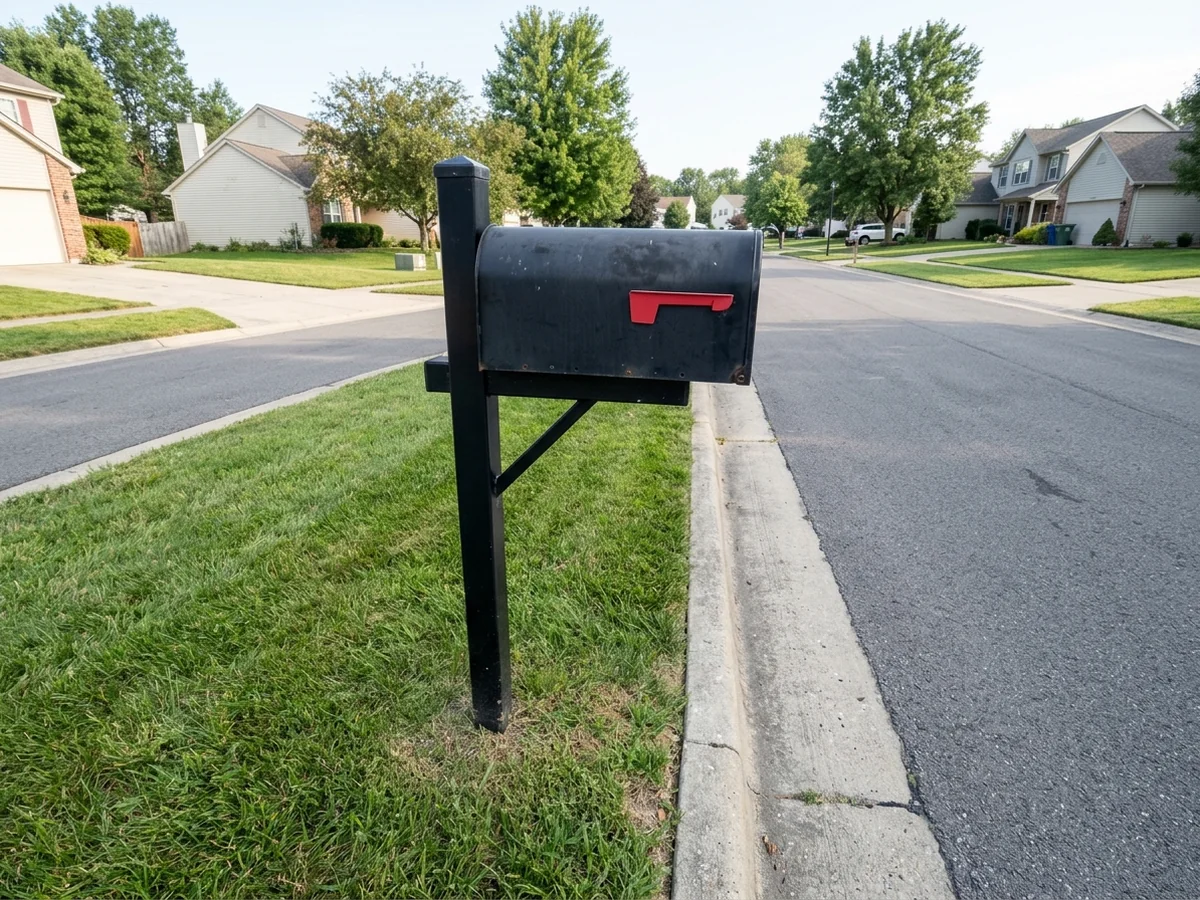
Before you begin planning your mailbox landscaping ideas, you must verify local requirements with the United States Postal Service. Because mailboxes are functional equipment, they are subject to specific placement and installation guidelines that ensure your carrier can deliver mail safely and efficiently. Planning a mailbox garden design requires balancing your aesthetic goals with the operational needs of your local postal workers.
Understanding Easements and Right of Way
The area surrounding your mailbox often falls within a public easement or right of way. This means that while you may maintain the grass or garden in this space, it remains under the jurisdiction of your local municipality or county. Before starting any small garden bed landscaping, verify that your plans comply with local ordinances regarding structures and landscaping near the roadway. Modifying this area without checking local rules can lead to requests for removal if your project interferes with municipal maintenance or roadway visibility.
Prioritizing Accessibility and Safety
Your primary goal should be keeping the mailbox accessible at all times. Avoid planting dense shrubs, thorny bushes, or installing heavy decorative borders that could block the carrier from reaching the box or the pull-out area. Obstructions often lead to service interruptions, so prioritizing clear, easy access is essential when selecting your garden features. When choosing low maintenance mailbox plants, opt for varieties that remain compact to prevent overgrown foliage from becoming a delivery headache.
Practical Steps Before You Dig
Taking the right precautions early in the process prevents costly mistakes and ensures your curb appeal landscaping tips lead to a successful project:
- Check official USPS mailbox installation regulations regarding height and setback distances to keep your setup compliant.
- Contact your local utility companies or call 811 before digging to ensure you avoid hitting underground lines, which are common near roadside areas.
- Select materials for your base that do not create a hazardous obstacle if struck by a vehicle.
- When choosing greenery, consult the USDA Plant Hardiness Zone Map to ensure your selected perennials or annuals will thrive in your specific climate.
- If you live in a northern climate, consider that areas near the street are subject to road salt and runoff, which may necessitate salt tolerant plant species.
By keeping the area clear and following these safety protocols, you ensure your garden project remains a welcoming addition to your home without interfering with essential postal services.
Planning Your Mailbox Garden
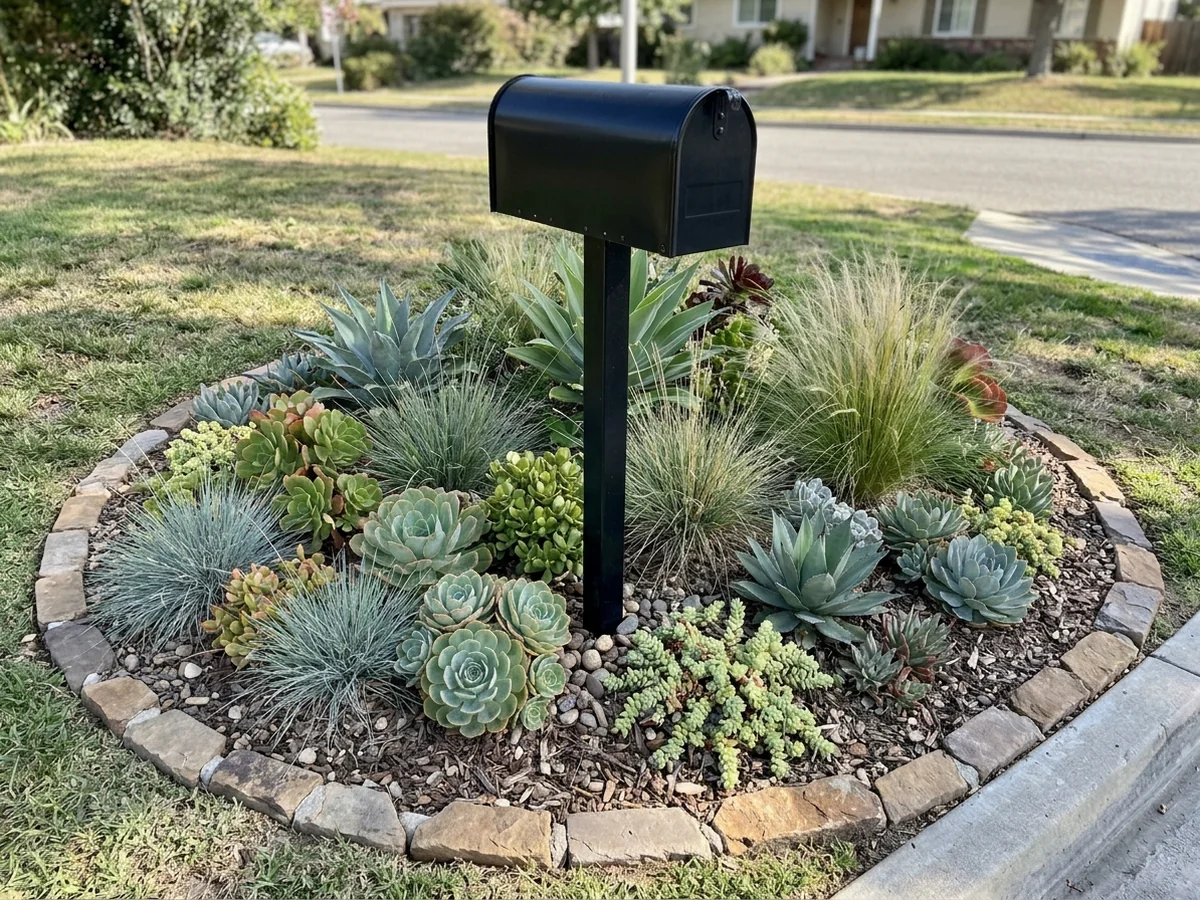
Successful planting begins by checking the USDA Plant Hardiness Zone Map to identify species that will thrive in your specific climate. Because mailbox beds are often exposed to harsh street-side conditions, such as reflected heat from pavement or winter road salt, selecting varieties suited to your local zone is essential for long-term health. Always verify whether a plant is designated for your region to avoid premature wilting or winter kill. Choosing low maintenance mailbox plants helps ensure your curb appeal landscaping tips remain effective throughout the seasons without requiring constant intervention.
Assessing Environmental Factors
Observe the sunlight patterns in your yard for a full day before choosing your greenery. Many curbside areas transition from full sun to deep shade depending on nearby trees or structures. Tracking these exposure levels ensures you pick plants that receive the correct amount of light, which prevents sparse growth and keeps your mailbox garden design looking lush. Consider using xeriscaping techniques if your mailbox area receives excessive direct sun, as this can reduce the need for supplemental watering in confined spaces.
Respecting Access and Infrastructure
When working with small garden bed landscaping, you must research the mature size of every plant before digging. It is tempting to fill a tight space with several small starters, but these can quickly become overgrown and block access to the mailbox. This creates issues for your mail carrier and may violate local guidelines regarding clear postal access. The United States Postal Service maintains specific requirements for mailbox placement and accessibility, so keep your plantings well clear of the front of the box. Prioritize compact varieties that maintain their intended shape without constant heavy pruning.
Safety First: Underground Utilities
Before you break ground, always contact 811 to identify any buried utility lines in your yard. Digging even a shallow bed can pose significant risks if you accidentally strike a cable or pipe. Protecting this infrastructure is a necessary step in any home project and keeps your neighborhood services running smoothly. Once you have cleared the area, you might consider installing a simple drip irrigation system or applying a 2 to 3 inch layer of mulch to help retain soil moisture and suppress weeds in your new garden bed.
Best Plants for Mailboxes
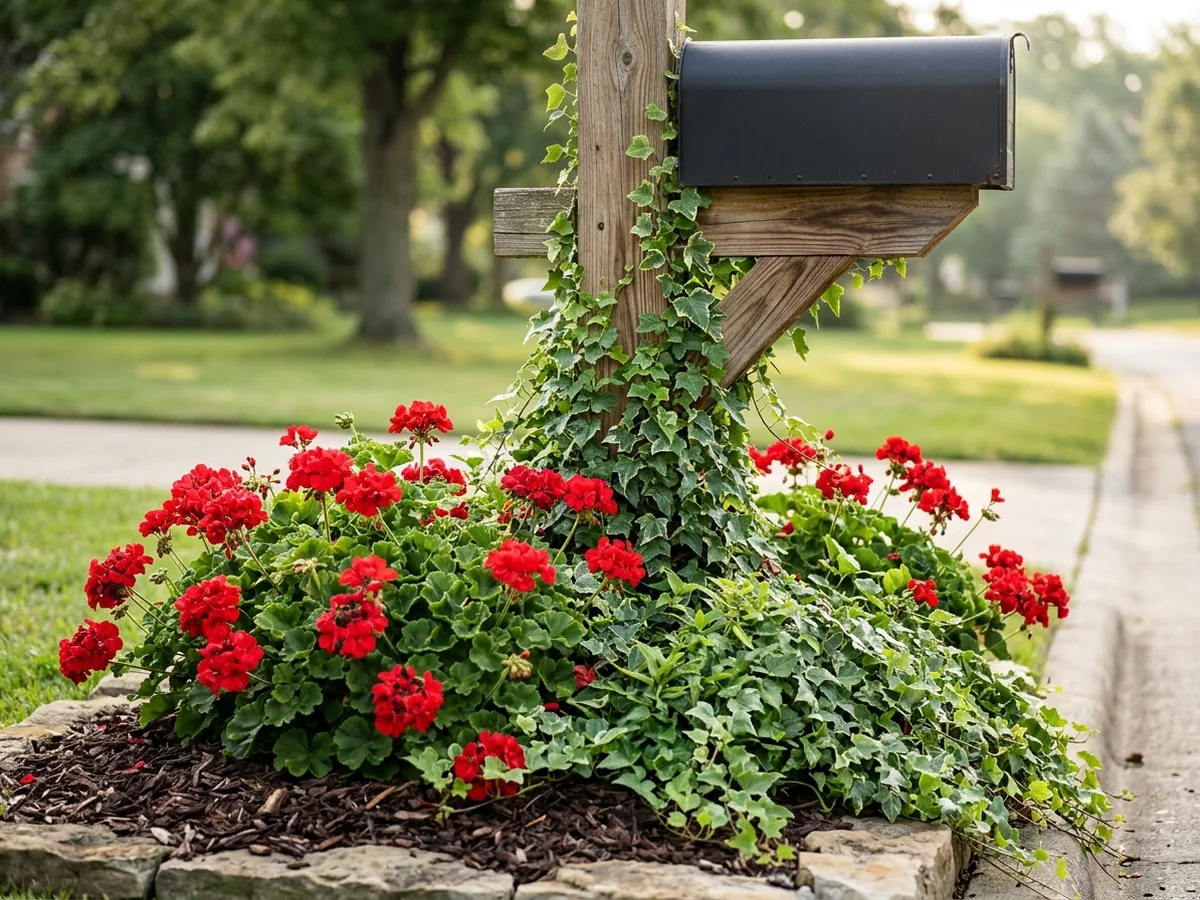
Selecting vegetation for your mailbox area involves balancing visual impact with the effort required for ongoing care. Choosing hardy species that require little attention helps create a consistent look, whereas floral displays often necessitate frequent deadheading, watering, and seasonal replanting to maintain a vibrant appearance.
Perennials are a popular choice for long term growth because they return year after year, reducing the need for constant garden bed updates. By investing in these reliable growers, you create a stable foundation that matures and fills in your compact planting area over time. For those in northern climates, selecting salt tolerant species is essential for areas near roads, as these plants are better equipped to withstand the winter runoff and road salt that can damage more sensitive varieties.
Consider these options to create a lasting and attractive display:
- Ornamental grasses provide a clean, structural aesthetic that remains resilient throughout the changing seasons.
- Drought tolerant groundcovers help suppress weeds while keeping the soil covered and moisture levels balanced.
- Native wildflowers often thrive with minimal intervention and support local pollinators as part of your overall home exterior design.
- Sedum varieties offer succulent foliage that manages well in confined, sunny spaces around a post.
- Daylilies are known for their rugged nature and ability to return dependably in many different environments.
- Coneflowers serve as a hardy, flowering addition that handles northern conditions and road salt exposure with ease.
Focusing on these selections helps ensure that your efforts result in a garden that enhances your home exterior without demanding excessive hours of labor. Regardless of the species you choose, always ensure your planting design keeps the post clear and remains compliant with local guidelines to ensure uninterrupted delivery.
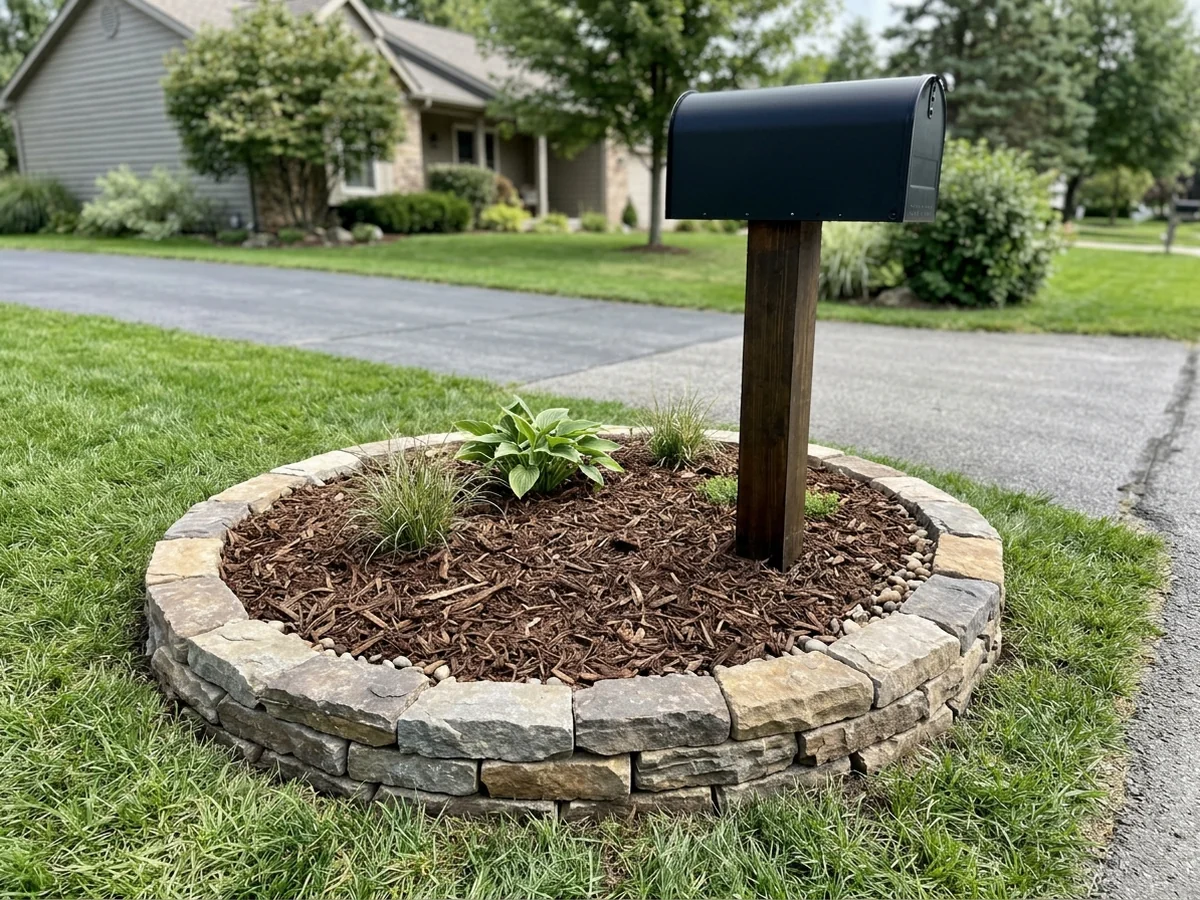
Stone and Mulch Accents
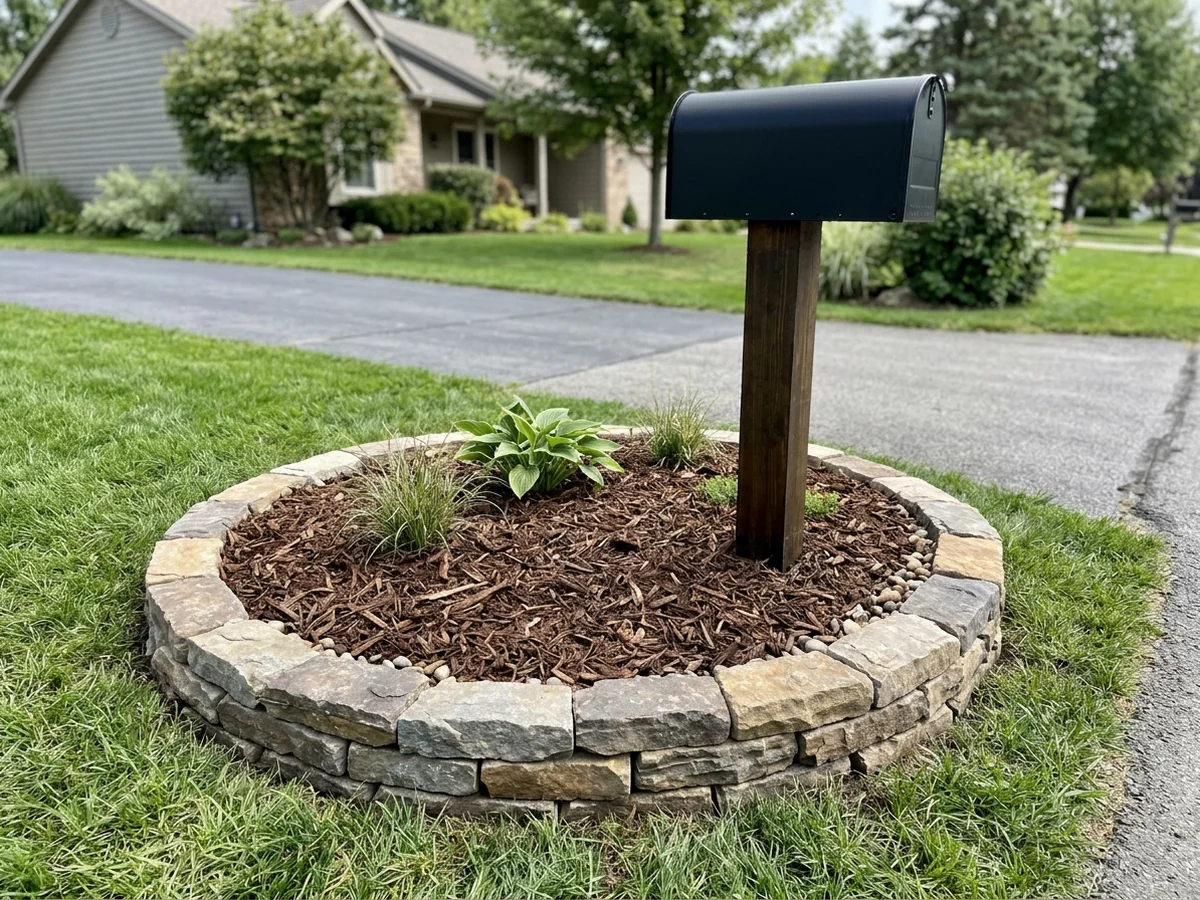
Incorporating stone and mulch into your mailbox landscaping ideas offers a functional way to define the space while boosting your home curb appeal. Beyond aesthetics, these materials serve as a practical foundation that helps manage moisture and prevent weed growth. Before beginning any excavation, always contact 811 to locate underground utility lines, as these often run parallel to the street and near mailbox support structures.
Selecting the Right Base Material
The choice between stone and organic mulch often depends on your local climate and maintenance preferences. River rock provides a permanent, heavy-duty solution that resists displacement from wind or heavy rain. Because it does not decompose, it is ideal for homeowners seeking a low-maintenance, long-term finish.
In contrast, organic mulch breaks down over time, which can improve soil quality in the garden bed. When applying mulch, a depth of 2 to 3 inches is typically recommended to help suppress weeds and retain soil moisture effectively. For those living in areas with harsh winters, keep in mind that mailbox areas are often exposed to road salt and runoff, so ensure your chosen stone or mulch can withstand these conditions without degrading.
Proper Installation Techniques
Regardless of the material you choose, the preparation of the underlying soil is the most critical step. If the earth is compacted, use a garden fork to loosen the surface to a depth of several inches. This allows for better drainage and provides a healthier environment for plant roots. After clearing away existing grass and debris, lay down a permeable landscape fabric. This barrier is essential for keeping your decorative stone or mulch separate from the soil, which helps prevent invasive weeds from emerging through your garden bed.
When finalizing your layout, ensure you leave a small gap between the mulch or rock and the mailbox post itself. Piling material directly against the wood or metal base can trap moisture, potentially leading to rot or rust. Keeping this area clear promotes airflow and ensures the structure remains stable and accessible for the United States Postal Service. By maintaining a clean perimeter, you create a polished, professional look that frames your mailbox without interfering with daily mail delivery or structural integrity.
Utility-Safe Landscaping Layouts
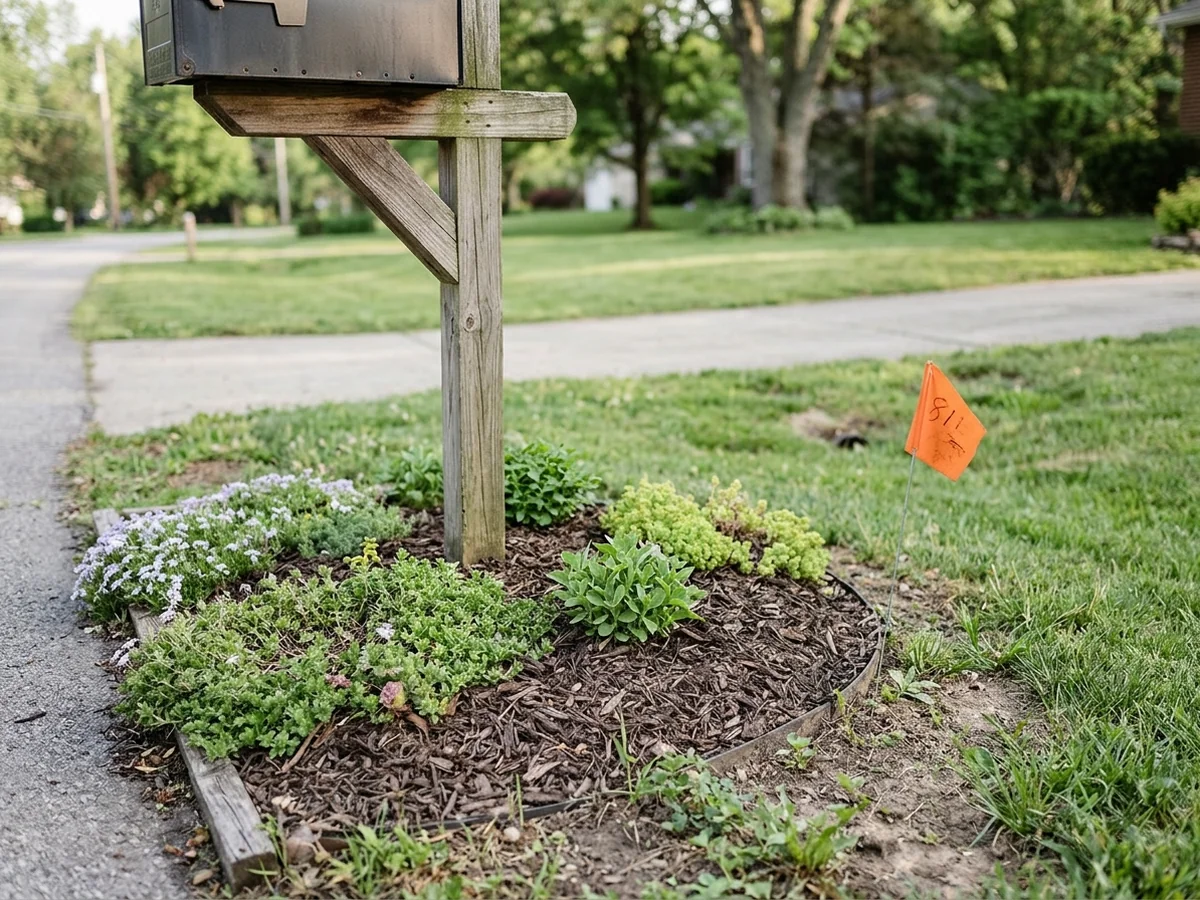
Before breaking ground on any project around your mailbox, you must contact 811 Call Before You Dig. This service is essential for identifying underground utility lines, such as gas, water, or electrical cables, which are often buried near the road. Excavating without this information can lead to severe service disruptions or personal injury. Once the utility companies mark the lines, you can plan your planting beds with confidence, ensuring you avoid dangerous excavation zones.
Prioritizing Mail Delivery Access
The United States Postal Service requires unobstructed access to your mailbox to ensure consistent service. When planning your aesthetic improvements to the roadside area, remember that your carrier needs a clear path to reach the handle or door. Avoid placing tall shrubs, dense groundcover, or decorative elements that force the carrier to maneuver around obstacles. Keeping the front and sides of the mailbox unit open helps maintain a hassle-free delivery experience for both you and your postal worker.
Safe Material Selection
When selecting materials for the area surrounding your mailbox, prioritize safety and durability. Avoid installing rigid or heavy structures, such as large boulders, solid masonry walls, or thick metal fencing. In the event of a vehicle accident or if a car drifts off the road, these heavy objects present a significant hazard to drivers and passengers. Instead, opt for lightweight, forgiving materials that are less likely to cause damage upon impact. Similarly, use flexible edging materials for your garden beds, as concrete borders can cause damage to vehicle tires or rims if driven over.
Consider the following safety and maintenance practices for your mailbox area:
- Select low-growing plant varieties that do not obstruct the view of the mailbox for your carrier or passing traffic.
- Ensure your design leaves sufficient space between the edge of the road and your garden bed to accommodate public works equipment, such as snowplows.
- In northern climates, be mindful that areas near the street are frequently exposed to road salt and runoff, which may require you to select salt-tolerant plant species.
- Keep plants trimmed throughout the season to maintain a clear line of sight and easy physical access to the mailbox.
By focusing on these safety-first principles, you can create an inviting and attractive mailbox area that complies with postal guidelines while minimizing maintenance and potential hazards.
Low-Maintenance Mailbox Designs
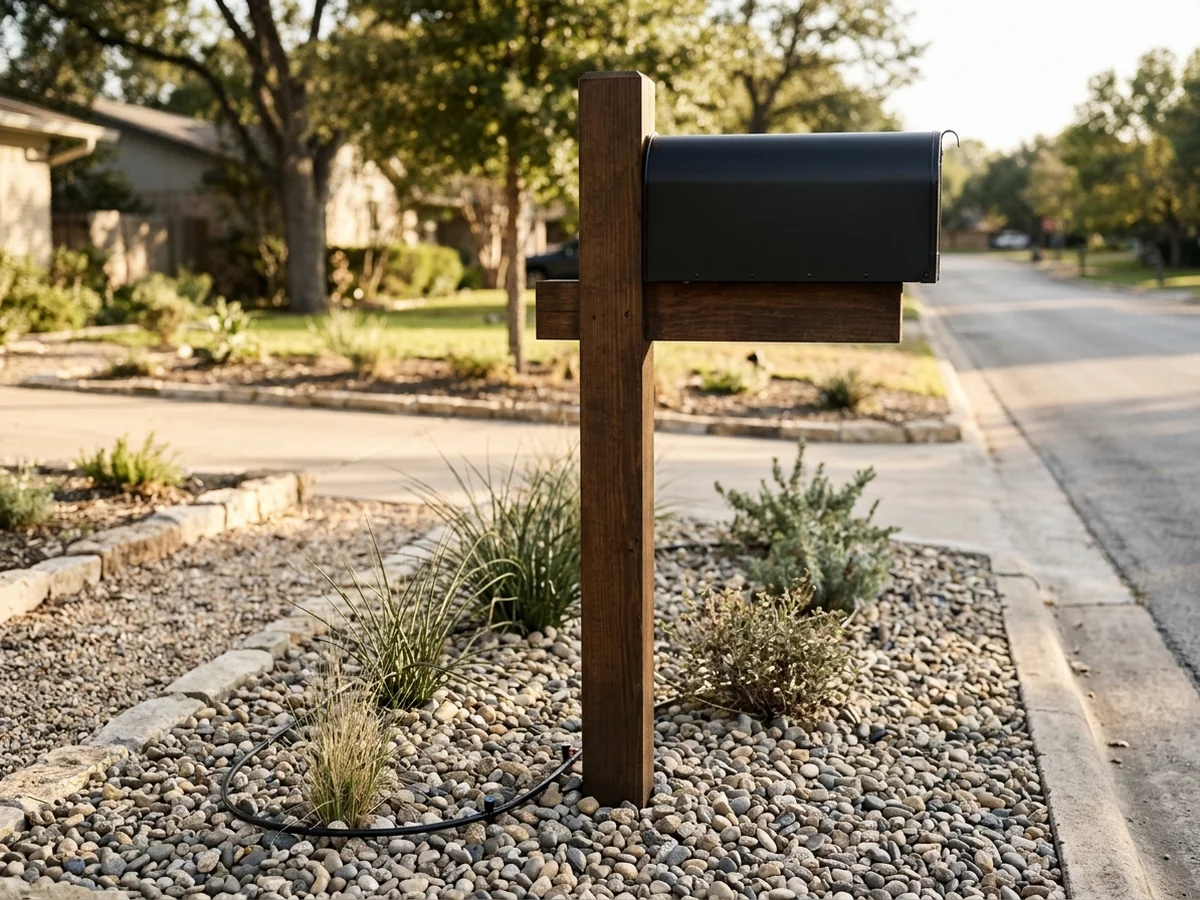
You can create a sustainable and attractive space by utilizing drip irrigation and consistent care routines. These mailbox landscaping ideas focus on reducing manual labor while keeping your curb appeal high throughout the year.
Drip irrigation is an efficient way to hydrate isolated mailbox beds. Because these areas are often distant from a home water source, running a dedicated drip line ensures moisture reaches the roots directly without wasting water on surrounding pavement. This method keeps the soil consistently moist for your plants while minimizing evaporation losses, which is particularly helpful during hot summer months.
A seasonal rotation plan keeps your mailbox area looking fresh with minimal effort. By choosing a base of reliable, long-lived perennials, you only need to swap out a few annuals or decorative elements as the weather changes. This approach allows you to update your color palette for spring, summer, and fall without having to replant the entire bed every few months.
Staying on top of your mailbox garden requires a simple, proactive schedule rather than large weekend projects. Following these strategies to enhance your home exterior will keep your space tidy:
- Inspect the area weekly to pull any stray weeds before they establish deep roots.
- Prune back overgrown foliage once a month to ensure your mail carrier has clear access to the unit.
- Refresh your mulch layer once or twice a year to suppress new weed growth and retain soil moisture effectively.
Regular maintenance prevents the bed from becoming messy or encroaching on the mailbox post itself. Keeping the area clear of debris and excessive plant growth is essential for maintaining both the appearance and the functionality of your mailbox, ensuring that postal workers can deliver your mail without obstruction. Consistent, small actions are the best way to keep your garden bed looking intentionally designed and well-cared for all season long.
Avoiding Design Clutter
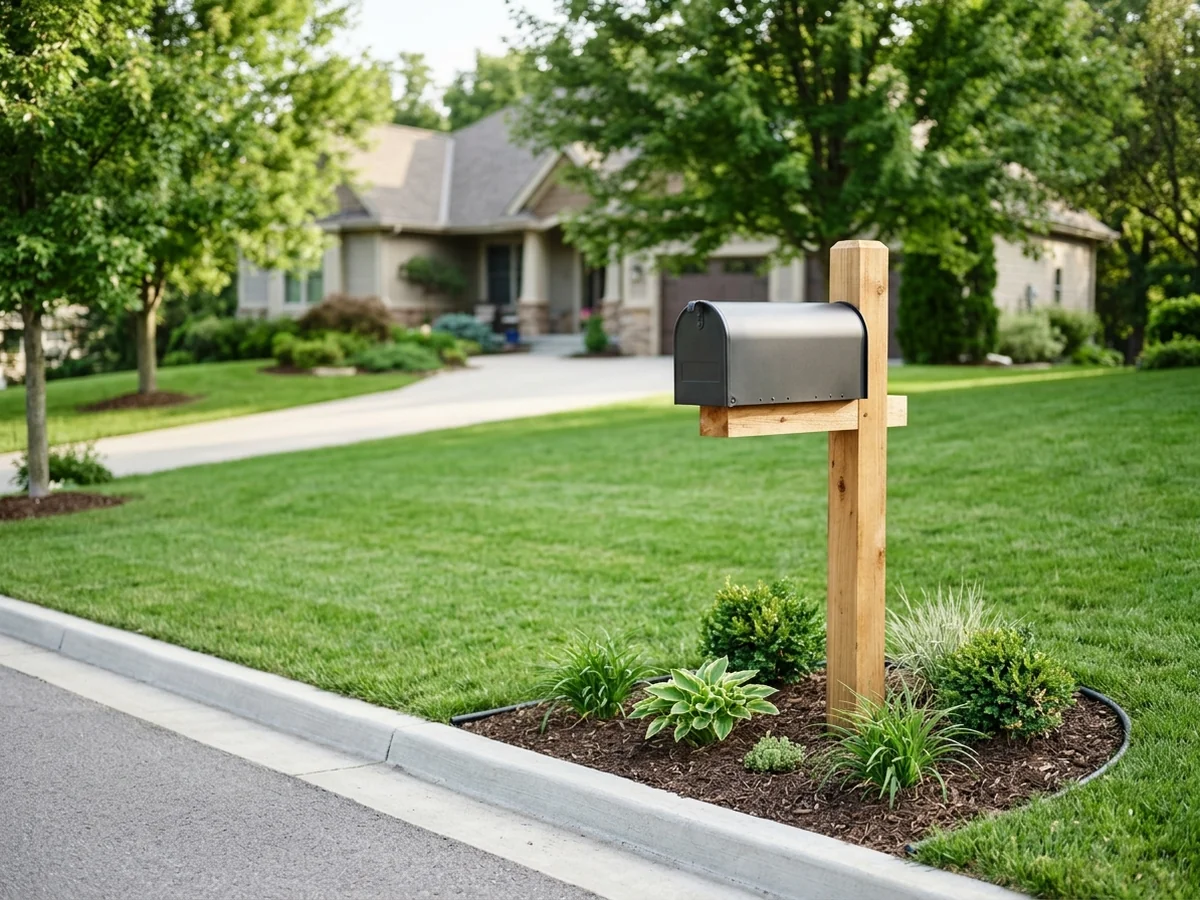
Effective curb appeal requires a balanced approach that keeps the area around your post clear and functional. Prioritizing accessibility ensures your mail delivery remains uninterrupted while preventing damage to your plants from daily service routines. When planning your home entrance enhancements, the primary goal is to improve the look of your space without creating obstacles for the United States Postal Service.
Prioritizing Accessibility
The space surrounding your mailbox is a transition zone between public and private property. To ensure your planting choices do not interfere with the carrier, leave sufficient breathing room between your greenery and the post. This allows for clear access to the box door and prevents delicate stems from being crushed. Before you begin digging to install borders or new plants, always contact 811 Call Before You Dig to ensure you do not strike underground utility lines. Keep the area directly beneath the mailbox free of tall or thorny vegetation that might snag clothing or obstruct the carrier during delivery.
Choosing Resilient Materials
Street-side environments are harsh, with heat radiating from the pavement and potential exposure to chemical runoff. Avoid using heavy materials like large boulders or thick concrete borders that could create safety hazards if a vehicle accidentally strikes them. Instead, focus on greenery that can withstand exposure to road salt and contaminated runoff, especially in climates where winter treatments are common. If you choose to use hardscape elements like gravel, place them over landscape fabric to prevent weeds from growing through the gaps, which keeps the area looking professional without requiring constant weeding.
Maintaining a Clean Aesthetic
Overgrown beds can quickly become a hindrance to both homeowners and delivery staff. Incorporate open, low-profile ground covers instead of dense shrubbery to maintain a neat appearance that does not overwhelm the structure.
When selecting greenery, consult the USDA Plant Hardiness Zone Map to ensure your choices will thrive in your specific region. You might consider xeriscaping techniques, which focus on using drought tolerant plants to reduce the need for supplemental watering. If you find that your soil is dry or compacted, proper preparation before planting is essential. For irrigation, consider a drip irrigation system, which is generally more efficient than traditional sprinklers by delivering moisture directly to the root zone. By keeping your installation simple, you avoid creating a confusing or cluttered look that detracts from the entrance of your home.
FAQ
What plants work best around a mailbox?
Low-growing perennials that thrive in your specific climate are generally the best choice for this area. Select compact varieties that will not grow tall enough to obscure the mailbox or interfere with postal worker access.
How do I keep my mailbox garden low maintenance?
You can significantly reduce upkeep by using drought-tolerant plant species and applying a layer of mulch to suppress weeds. Many homeowners also find that utilizing drip irrigation helps keep plants healthy with minimal manual watering throughout the season.
Does landscaping affect my mail delivery?
Landscaping can impact mail delivery if it obstructs the carrier’s approach or creates a safety hazard near the road. Always ensure your design follows official United States Postal Service mailbox installation regulations by keeping the area clear of thorny plants and tall, invasive growth.
What materials are best for a mailbox base?
Hardscape materials such as gravel, decorative river rock, or stone pavers are popular choices for creating a clean border around a mailbox post. When installing these materials, placing them over landscape fabric can help prevent weeds from growing through the gaps and keep your exterior space looking tidy.
How much space should I leave between the plants and the mailbox?
Leave enough clear space around the post to allow for easy access and prevent damage during routine maintenance or snow removal. It is also important to contact 811 Call Before You Dig before you start any project to ensure you do not strike underground utility lines while preparing the ground for your plantings.
Conclusion
The success of your project depends on balancing visual appeal with functional requirements. Before you begin digging or planting, verify local easements and contact 811 to locate underground utility lines in your yard. Reviewing the United States Postal Service guidelines ensures your mailbox remains accessible for daily delivery. Once you have confirmed these logistical details, you can confidently move forward with your chosen mailbox landscaping ideas to enhance your home curb appeal. Focusing on hardy, low maintenance selections will help keep your garden bed looking polished throughout the changing seasons.
You might also like: How to Place Knobs and Pulls on French Style Kitchen Cabinets