
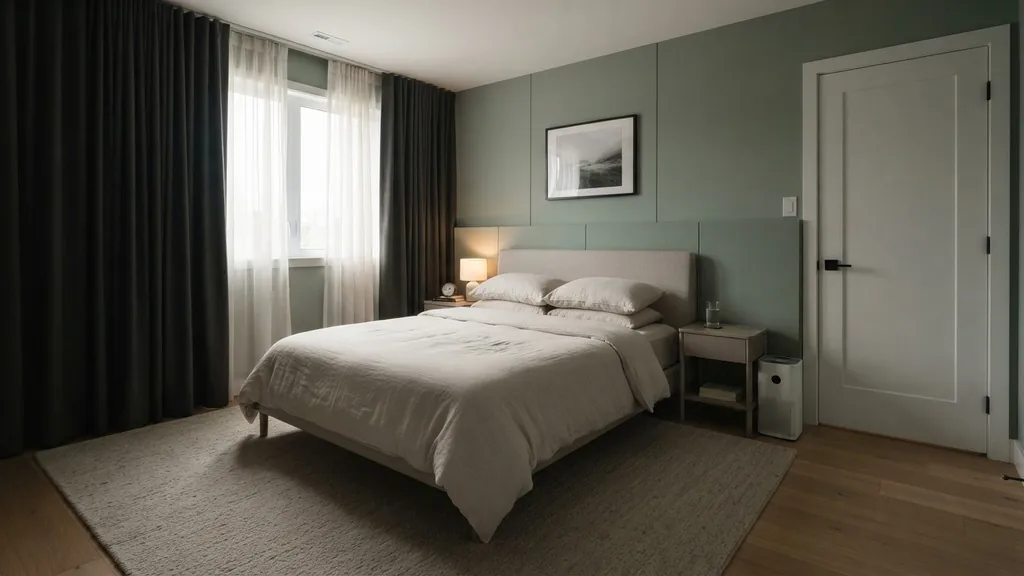
The Best Bedroom Layout for Light Sleepers to Block Noise and Light
Finding the best bedroom layout for light sleepers to block noise and light is essential for reclaiming your restorative rest. When your environment feels chaotic or overly bright, your nervous system struggles to settle into the deep, healing cycles necessary for well-being. By strategically arranging your furniture and utilizing specific design elements, you can transform your sleeping space into a sanctuary of stillness.
This article explores how to position your bed, manage window treatments, and dampen ambient sound to ensure you wake up feeling truly refreshed. You will discover practical, actionable ways to cultivate peace and quiet in your own home, allowing you to finally experience the deep, uninterrupted slumber you deserve.
Strategic Bed Placement to Minimize Disturbance
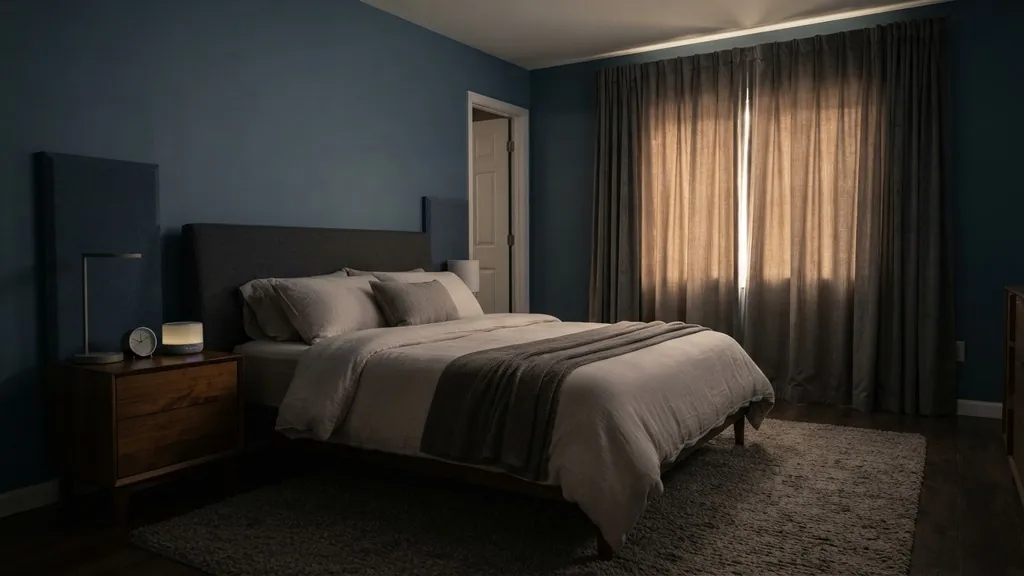
1. Position your headboard against an interior wall rather than an exterior one to reduce the transmission of street noise and temperature fluctuations from outside.
Psalm 4:8 — This verse highlights the peace of resting securely, which begins by physically insulating your body from the chaotic sounds and vibrations of the outside world.
2. Move your bed away from windows or doors that face busy streets, as these are the primary entry points for both harsh morning light and intrusive urban sounds.
Isaiah 32:18 — Finding a quiet dwelling place is a blessing; placing your bed in a sheltered corner of the room helps maintain that sense of safety and quiet.
3. Keep your bed away from shared walls, especially those adjacent to noisy areas like living rooms, kitchens, or laundry rooms, to prevent sound from traveling through the structure.
Proverbs 17:1 — Living in peace is better than constant noise; by moving your bed away from busy household zones, you prioritize your need for calm and quiet rest.
4. Angle your bed so that you are not directly in the path of light streaming through a doorway, which can cause sudden awakenings if someone turns on a hall light.
Psalm 121:8 — God watches over your coming and going, but you can protect your sleep by arranging your room to prevent sudden light exposure from interrupting your peaceful rest.
5. Place a heavy, upholstered headboard against the wall to act as an additional sound barrier, absorbing vibrations that might otherwise reach your head while you are sleeping.
Psalm 119:165 — Great peace belongs to those who love your law; creating a soft, sturdy headboard provides a physical buffer that contributes to a tranquil and undisturbed environment.
Managing Ambient Light Through Smart Furnishing
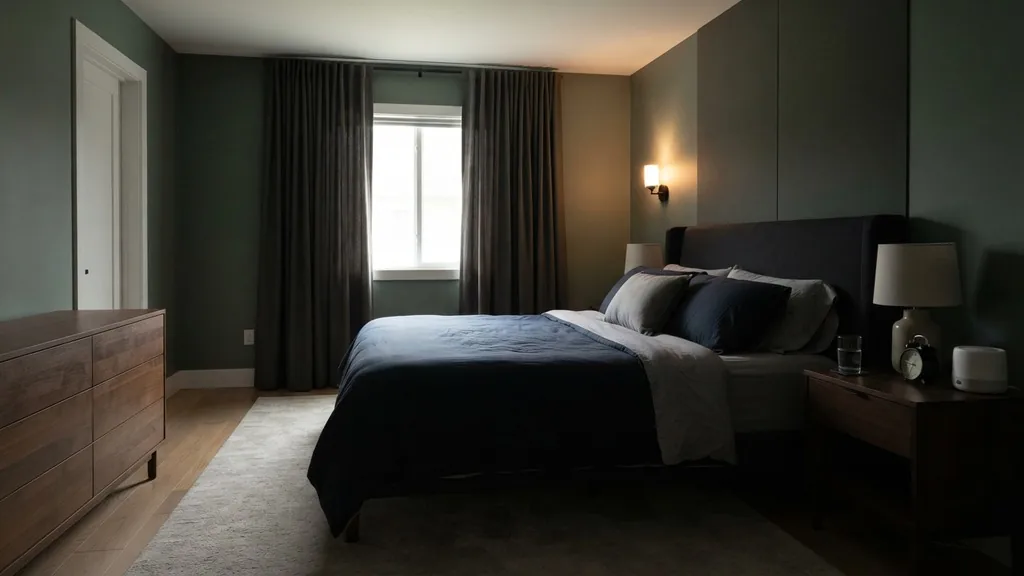
6. Install floor-to-ceiling blackout curtains that extend several inches past the window frame on all sides to ensure that no stray light creeps into your sleeping space at dawn.
Psalm 139:12 — Even in darkness, God sees, but for your rest, blocking light helps your body signal that it is time to sleep deeply without artificial interference.
7. Use a double-rod curtain system to layer sheer fabrics for daytime privacy and opaque, light-blocking materials for nighttime, giving you total control over the luminosity of your room.
Matthew 5:15 — Light is good, but in the bedroom, it is essential to manage it wisely so that you can create the darkness necessary for your body’s recovery.
8. Position your dresser or a tall bookshelf to block the path of light from any LED indicators on electronics, which can be surprisingly bright in a dark room.
Job 11:17 — Your life will be brighter than the noonday; however, when it is time to sleep, removing small, glowing lights helps your mind enter a state of true rest.
9. Choose matte or non-reflective finishes for bedroom furniture to prevent streetlights or moonlight from bouncing off surfaces and creating distracting glare while you try to fall asleep.
1 Thessalonians 5:5 — We are children of the light, but nighttime requires darkness; keeping surfaces dull and non-reflective allows you to maintain the dim environment your brain requires for sleep.
10. Utilize decorative room dividers or folding screens to create a light-blocking barrier between your sleeping area and any unavoidable light sources like hallway lights or windows.
Psalm 91:1 — Resting in the shadow of the Almighty provides ultimate protection; a physical screen acts as a smaller shadow, shielding your bed from distracting light and visual clutter.
11. Cover hard floor surfaces with thick, high-pile area rugs to dampen echoes and muffle the sound of footsteps, which can often wake a light sleeper during the night.
Psalm 85:8 — The Lord promises peace to his people; creating a soft, sound-absorbent floor helps maintain that quiet harmony within your home, ensuring a more restful sleep experience.
Soundproofing Strategies for a Quiet Sanctuary
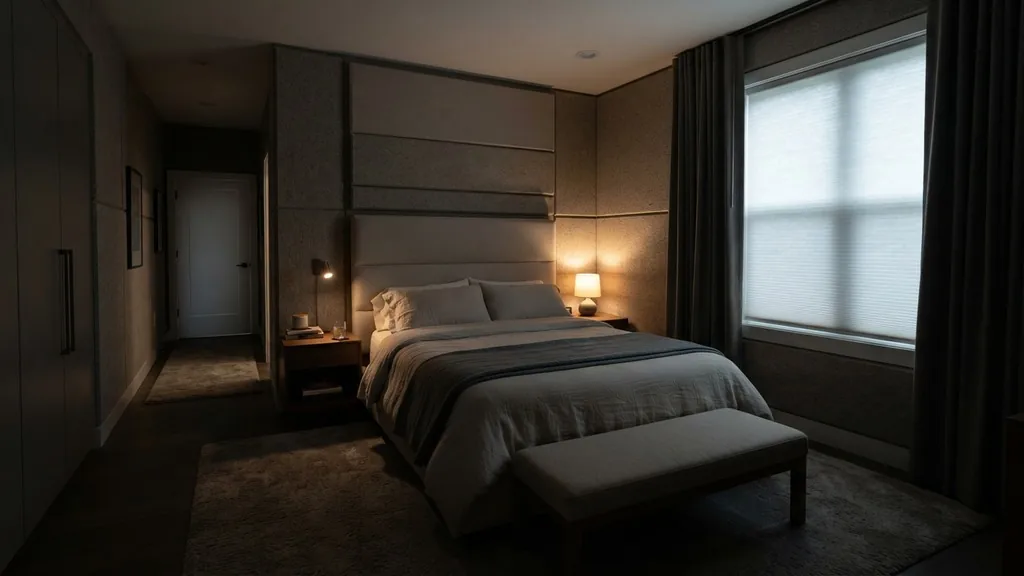
12. Hang heavy wall tapestries or acoustic panels to absorb sound waves, preventing them from bouncing around the room and magnifying small noises like creaking floorboards or distant traffic.
Proverbs 29:17 — Discipline and quietness lead to a peaceful life; adding soft textures to your walls helps dampen unwanted noise, allowing you to rest without constant external interruptions.
13. Seal gaps around bedroom doors using weather stripping or a door sweep to prevent sound from traveling through the open space at the bottom of the door frame.
Psalm 141:3 — Guarding your mouth is like guarding your space; sealing the gaps around your door ensures that noise stays out, preserving the sanctity of your quiet bedroom environment.
14. Place a white noise machine or a fan in the corner of your room to create a consistent, soothing sound that masks sudden, jarring noises from the rest of the house.
Psalm 23:2 — He leads me beside quiet waters; a white noise machine provides a gentle, consistent sound that mimics the calm of nature, helping you drift into deeper sleep.
15. Use heavy, solid-core doors if possible, as hollow doors are notoriously poor at blocking sound, whereas solid wood provides a much stronger barrier against household noise and chatter.
Proverbs 24:3 — By wisdom a house is built; choosing solid, sound-dampening materials like a heavy door is a wise investment in your long-term health and your ability to rest.
16. Keep your nightstand clear of clutter to reduce visual noise, which can keep your brain stimulated and alert even when your eyes are closed for the night.
Psalm 119:165 — Those who love your law have great peace; clearing your space of clutter removes distractions, allowing your mind to focus solely on the rest you need.
17. Opt for soothing, neutral color palettes like soft blues, warm grays, or earthy greens to create a calming visual environment that promotes a sense of safety and relaxation.
Psalm 23:3 — He restores my soul; colors that evoke nature and stillness help restore your spirit, creating a bedroom atmosphere that feels inherently peaceful and ready for sleep.
Optimizing the Bedroom for Sensory Calm
18. Store electronics in a drawer or outside the bedroom entirely to minimize electromagnetic fields and the temptation to check notifications, which can disrupt your sleep cycle significantly.
1 Corinthians 6:12 — Everything is permissible, but not everything is beneficial; keeping technology out of the bedroom is a beneficial choice that protects your peace and your sleep quality.
19. Incorporate soft, dimmable lighting fixtures rather than harsh overhead lights, allowing you to gradually transition your body into sleep mode as you wind down for the night.
Psalm 18:28 — You, O Lord, keep my lamp burning; in your bedroom, dimmable lamps keep your environment soft and gentle, helping you prepare for rest without harsh, sudden brightness.
20. Add indoor plants that are known for improving air quality, as clean, fresh air can make a room feel more serene and conducive to deep, restorative breathing.
Genesis 2:15 — The Lord put man in the garden to tend it; bringing elements of nature inside creates a living, breathing space that promotes health and restful, quiet sleep.
21. Research the best bedroom layout for light sleepers to block noise and light by visiting the Sleep Foundation for expert tips on creating a perfect environment.
Psalm 46:10 — Be still, and know that I am God; taking the time to learn how to create stillness in your home honors your need for rest and quiet.
22. Apply window film or tinting to glass surfaces if you cannot install heavy curtains, as this helps reflect sunlight and glare while still allowing natural light during the day.
Psalm 119:105 — Your word is a lamp to my feet; while light is a guide, you must manage it carefully in your room to ensure darkness when you need rest.
Addressing External Noise and Light Sources
23. Use heavy bookshelves placed against shared walls to act as a natural, dense sound-insulating barrier, effectively filling the space with books that absorb and block unwanted noise.
Proverbs 4:20 — My son, pay attention to what I say; surrounding yourself with good words in your books while using them to block noise is a clever, functional strategy.
24. Install exterior shutters or window awnings to stop sunlight and street noise from ever reaching your window glass, providing an extra layer of protection for your bedroom sanctuary.
Psalm 91:4 — He will cover you with his feathers; shutters act as a protective cover for your home, shielding you from the elements so you can sleep in peace.
25. Coordinate with neighbors if loud outdoor noises are a recurring issue, as sometimes a simple, polite conversation can lead to a change in habits that benefits both parties.
Romans 12:18 — If it is possible, as far as it depends on you, live at peace with everyone; gentle communication often resolves the noise issues that disrupt your sleep.
26. Arrange your bedroom furniture to create a clear, unobstructed path from the door to the bed, which promotes a feeling of ease and prevents tripping in the dark.
Psalm 25:4 — Show me your ways, O Lord, teach me your paths; a clear path in your bedroom reflects a clear, orderly mind, which is essential for falling asleep.
27. Avoid placing your bed directly in a corner if it makes you feel trapped, as a sense of openness can actually improve your psychological comfort and sleep quality.
Psalm 18:19 — He brought me out into a spacious place; while you want to block noise, keeping your bed accessible helps you feel secure, which is vital for rest.
The Role of Furniture and Layout in Sleep Hygiene
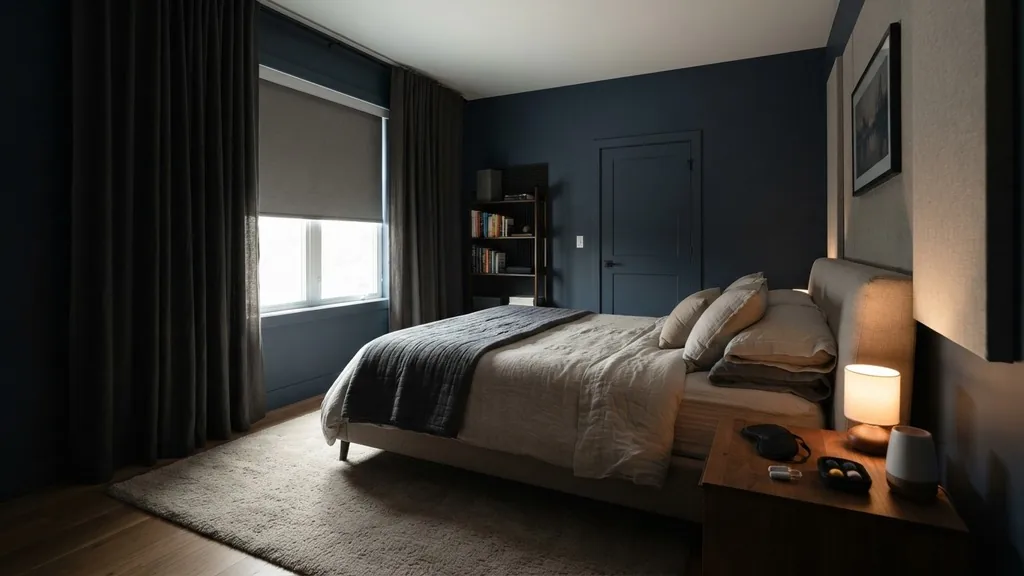
28. Use a low-profile bed frame to keep your sleeping position below the window line, reducing the amount of light that reaches your eyes while you are resting.
Psalm 63:6 — On my bed I remember you; keeping your bed low and out of the light’s path helps you focus on meditation and rest rather than external light.
29. Incorporate a comfortable chair in a quiet corner of the room for reading or prayer, keeping this activity separate from your bed to strengthen the sleep-bed association.
Matthew 6:6 — Go into your room, close the door and pray to your Father; having a specific, quiet place for prayer helps keep your bed strictly for sleeping.
30. Choose high-quality, breathable bedding that regulates temperature, as a comfortable body is less likely to be awakened by minor fluctuations in the bedroom’s environment or light levels.
Proverbs 3:24 — When you lie down, you will not be afraid; when you lie down, your sleep will be sweet; comfortable bedding ensures that your rest is truly deep.
31. Establish a routine of closing curtains and checking soundproofing elements every evening, making it a habit that prepares your mind for the transition into a deep sleep.
Psalm 5:3 — In the morning, O Lord, you hear my voice; preparing your room at night helps you wake up refreshed and ready to greet the day with joy.
Maintaining Long-Term Quiet and Darkness
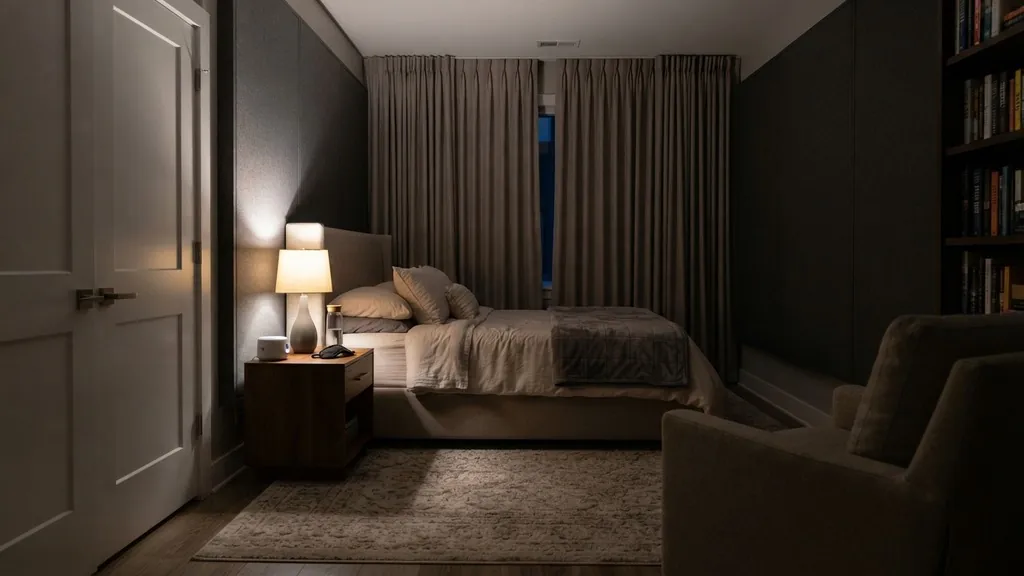
32. Inspect your soundproofing materials and window treatments seasonally, as wear and tear can create new gaps that let in light or noise over time.
Proverbs 27:23 — Be sure you know the condition of your flocks; regularly checking your room’s defenses ensures that you continue to enjoy the best environment for your rest.
33. Keep your room tidy to prevent the accumulation of items that might trap dust or create visual clutter, which can indirectly affect your ability to relax and sleep.
1 Corinthians 14:40 — Everything should be done in a fitting and orderly way; an orderly bedroom is a reflection of a peaceful mind, which supports your sleep goals.
34. Use blackout sleep masks if your room layout cannot be fully darkened, as these are an effective, low-cost solution for blocking light during the early morning hours.
Psalm 139:11 — If I say, surely the darkness will hide me; a sleep mask provides that personal darkness, ensuring you can rest even if your room is not perfect.
35. Practice gratitude for the quiet space you have created, as a thankful heart is more prone to relaxation and less likely to dwell on minor, unavoidable household sounds.
Philippians 4:6 — Do not be anxious about anything, but in everything, by prayer and petition, with thanksgiving, present your requests to God; gratitude settles the heart for sleep.
36. Evaluate your bedroom layout annually to see if any small changes could further improve your ability to block noise and light as your life or home environment changes.
Proverbs 16:3 — Commit to the Lord whatever you do, and your plans will succeed; planning your space with care leads to the success of better, deeper sleep.
37. Keep your bedroom temperature slightly cool, as this is proven to help the body fall asleep faster and stay asleep longer throughout the night.
Psalm 147:18 — He sends his word and melts them; he sends his breeze, and the waters flow; a cool, fresh breeze in your room promotes healthy, deep sleep.
Creating a Sustainable Sleep Sanctuary
38. Limit the use of your bedroom for work or high-stress activities, ensuring the space remains a dedicated sanctuary for rest and spiritual replenishment.
Matthew 11:28 — Come to me, all you who are weary and burdened, and I will give you rest; your bedroom should be a physical reflection of this sacred rest.
39. Invest in quality earplugs if you live in a particularly noisy area, as they can provide a final layer of defense against sounds that even the best layout misses.
Psalm 4:4 — In your anger do not sin; when you are on your beds, search your hearts and be silent; silence is a gift you can cultivate for your soul.
40. Remember that your bedroom is a place of blessing, and by designing it intentionally, you are caring for the body and mind that God has given you.
1 Corinthians 6:19 — Do you not know that your bodies are temples of the Holy Spirit; caring for your sleep is a way of honoring the temple you inhabit.
Conclusion
Finding the best bedroom layout for light sleepers to block noise and light is a journey toward better health and deeper peace. By intentionally placing your bed away from disturbances, using heavy fabrics to absorb sound, and keeping your space tidy, you create a sanctuary that honors your need for rest. Remember that small, consistent changes often yield the greatest results in your sleep quality.
Start by adjusting your furniture or adding one sound-dampening element this week to see how it transforms your nights. As you cultivate this peaceful environment, you allow your body and spirit the space they need to recover fully. May your bedroom become a true haven of stillness where you can experience the deep, restorative rest you deserve every single night.