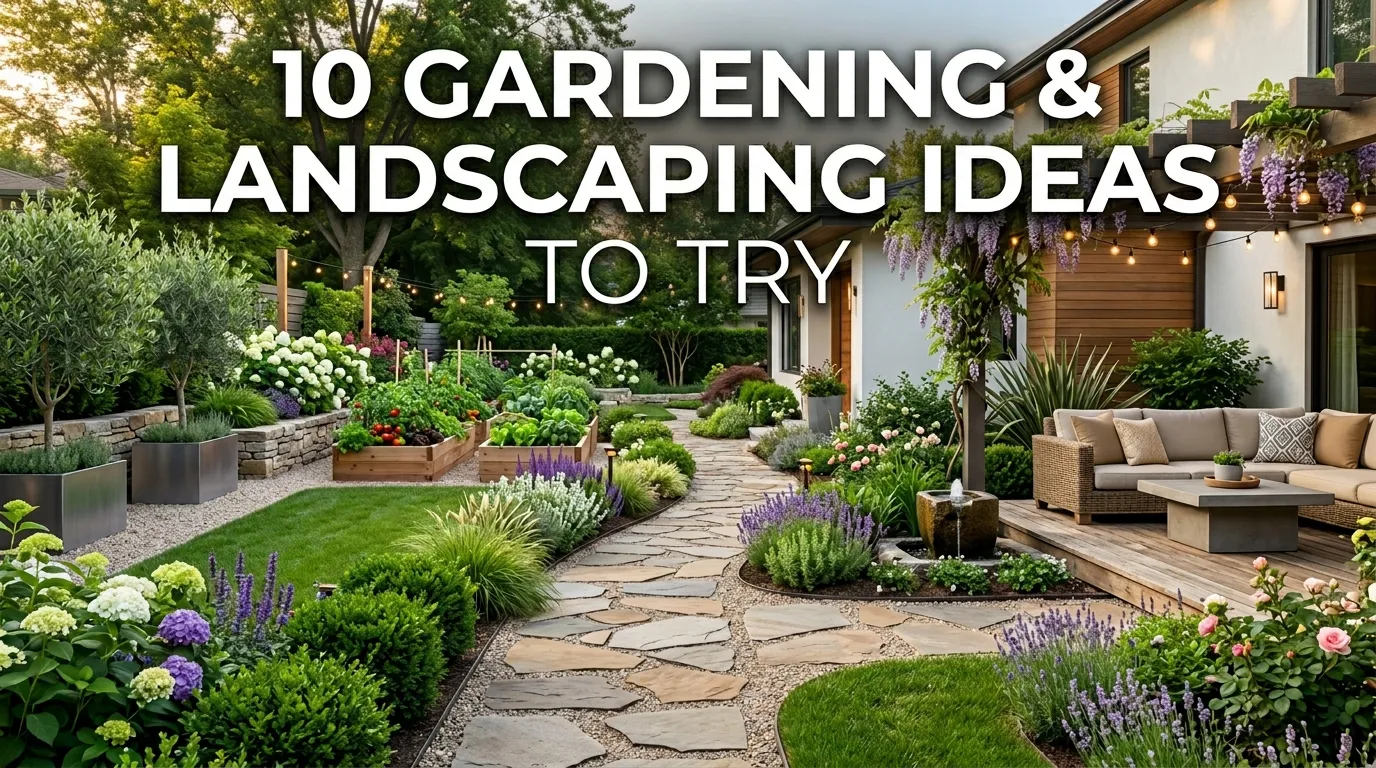
10 Gardening And Landscaping Ideas To Try
A beautiful yard does more than decorate the outside of a home. It changes how the whole property feels, from the first glance at the curb to quiet evenings on the patio. For USA homeowners, outdoor spaces have become extensions of daily living, especially as more people want relaxing backyards, low-maintenance plants, family-friendly lawns, and inviting areas for weekend gatherings.
The best outdoor upgrades are not always the most expensive ones. Sometimes a layered planting bed, a stone pathway, a cozy seating corner, or better lighting can make a front yard or backyard feel completely refreshed. This guide focuses on stylish, practical, Pinterest-friendly ideas that look beautiful in photos but also work in real life. You’ll find design logic, material suggestions, layout tips, and easy ways to make your outdoor area feel more finished, welcoming, and useful.
1. Layered Garden Beds
- Add height, depth, and texture to flat outdoor spaces.
- Mix shrubs, flowers, grasses, and ground covers for a fuller look.
- Work beautifully along fences, walkways, patios, and front foundations.
- Help create seasonal color without redesigning the whole yard.
- Make small yards feel more designed and professionally styled.
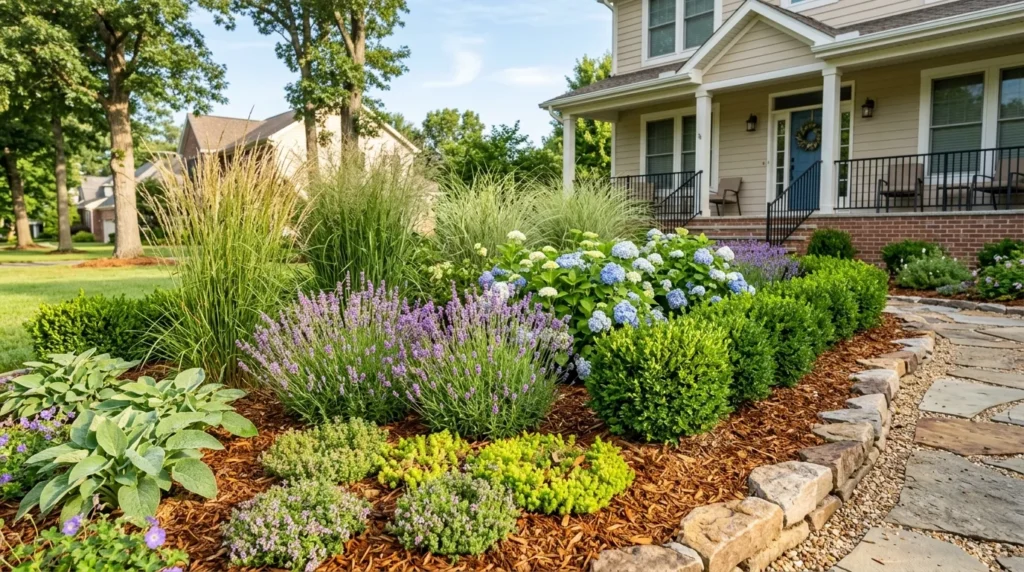
Layered garden beds instantly make a yard feel richer, softer, and more thoughtfully planned. Instead of planting one row of flowers and hoping it looks full, build the bed in levels. Place taller shrubs or ornamental grasses in the back, medium blooming plants in the middle, and low ground covers near the front edge. This creates depth from every angle and helps the bed look complete even when some flowers are not blooming. In my experience, layered planting also photographs beautifully for Pinterest because the eye has multiple textures to explore.
For everyday success, choose plants that match your USDA growing zone, sunlight, and maintenance level. A sunny front bed might include hydrangeas, salvia, boxwood, lavender, sedum, or fountain grass, while a shaded side yard could use hostas, ferns, coral bells, and astilbe. Add mulch to hold moisture, reduce weeds, and create a clean finished appearance. Curved edging with stone, brick, metal, or concrete can make the whole bed look intentional. The final result feels polished, colorful, and easy to refresh each season.
2. Stone Walkways
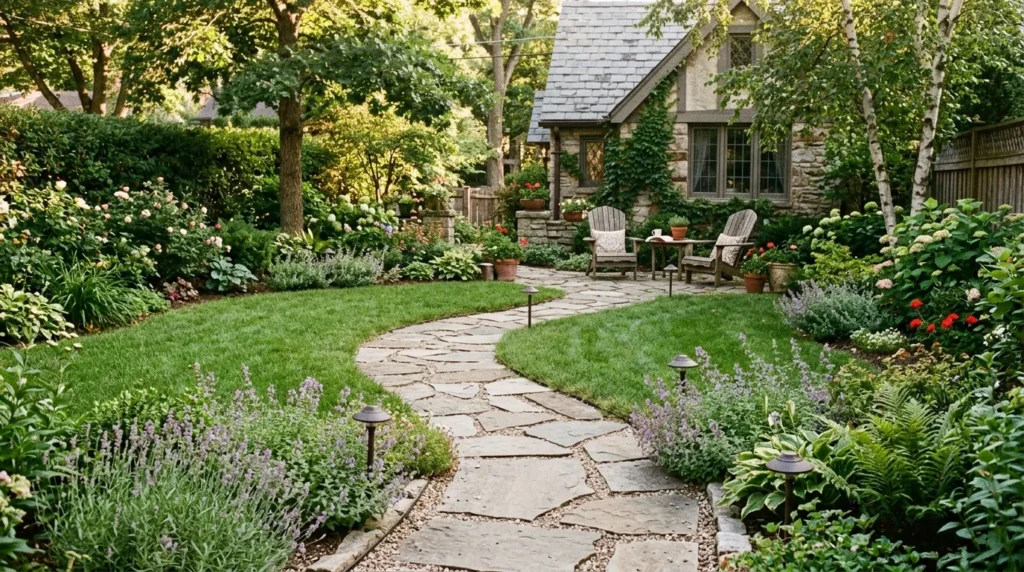
- Create a clear path through the yard or garden.
- Add structure and charm to open outdoor areas.
- Work with gravel, flagstone, pavers, brick, or stepping stones.
- Help protect grass and planting beds from foot traffic.
- Make the landscape feel more inviting and easy to navigate.
A stone walkway can turn an ordinary yard into a space that feels charming, organized, and welcoming. Paths naturally guide people toward the front door, patio, garden gate, shed, or backyard seating area. They also add a sense of movement, which is important in outdoor design because it keeps the eye traveling through the space. Flagstone gives a relaxed cottage feel, brick feels classic and traditional, while large concrete pavers create a cleaner modern style. That’s why many designers recommend pathways as one of the most useful upgrades.
To make the walkway practical, start by watching how people already move through the yard. Place the path where it solves a real need, not just where it looks pretty. Use compacted gravel or sand beneath stones so the surface stays stable over time. Add low-growing plants, solar lights, or mulch along the sides for a softer finish. In snowy or rainy regions, choose materials with texture to reduce slipping. A well-planned walkway improves beauty, safety, and daily convenience all at once.
3. Cozy Patio Corners
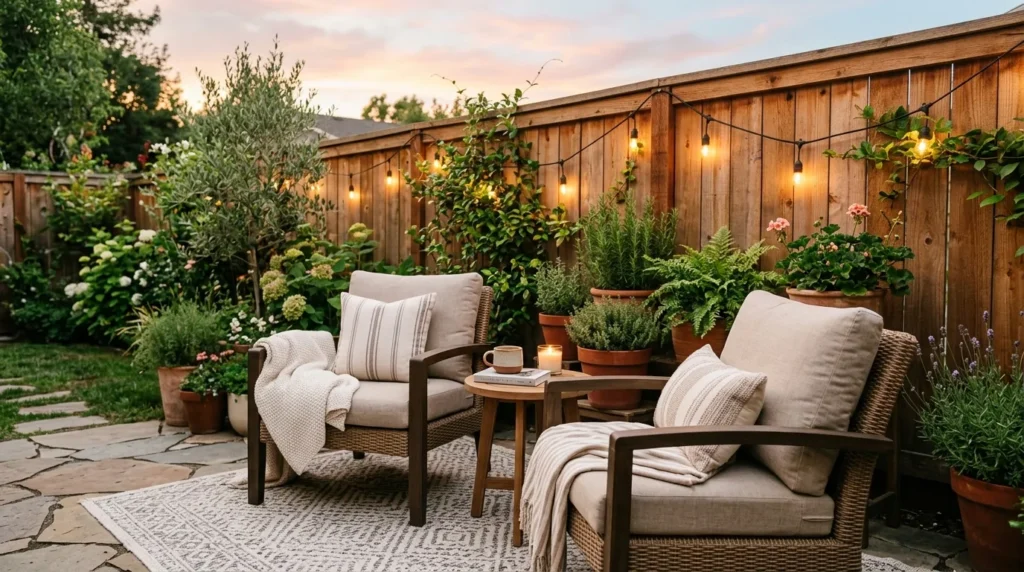
- Turn unused outdoor corners into relaxing seating areas.
- Work well with small patios, decks, side yards, and backyards.
- Add comfort through chairs, cushions, rugs, and side tables.
- Create a defined destination for coffee, reading, or conversation.
- Make the yard feel more like an outdoor living room.
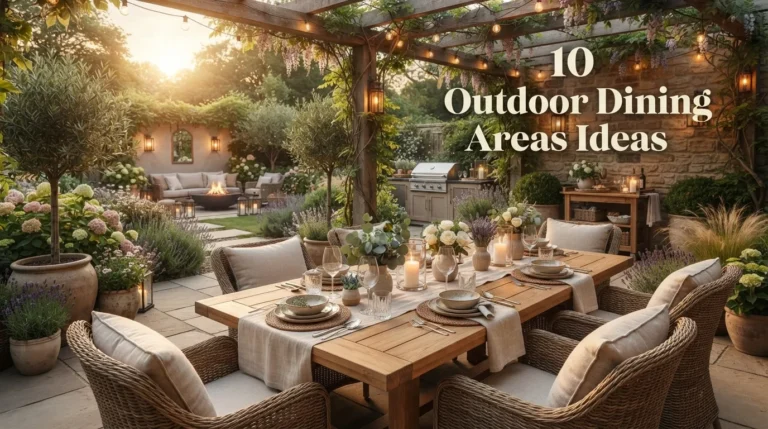
A cozy patio corner gives your outdoor space a purpose beyond looking nice from the window. Even a small paved area can become a favorite spot when it has comfortable seating, shade, and a few thoughtful details. Start with two lounge chairs, a compact loveseat, or a bistro set, then layer in an outdoor rug, cushions, and a small table. The goal is to create a place where someone naturally wants to sit. I’ve noticed that homeowners use their yards more when seating feels intentional and easy.
For a polished look, connect the patio corner to the rest of the yard through materials and color. If your home has warm brick, repeat terracotta or rust tones in cushions. If the exterior is modern gray or white, choose black metal furniture, neutral fabrics, and clean planters. Add a pergola, umbrella, shade sail, or nearby tree for comfort during hot afternoons. String lights, lanterns, and potted herbs can make the area feel charming at night. This simple upgrade adds lifestyle value without requiring a full remodel.
4. Raised Planter Boxes
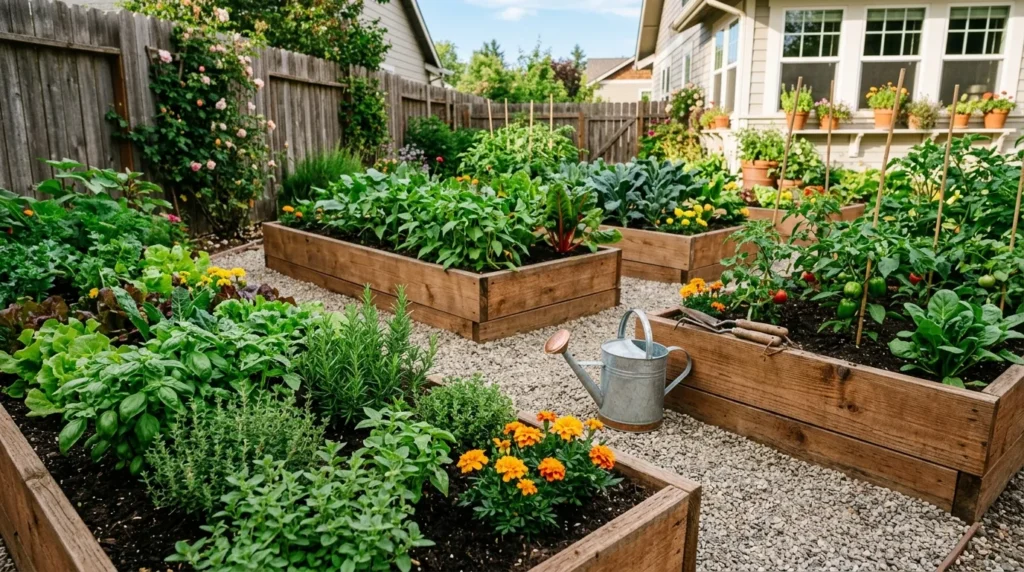
- Make planting easier by improving soil control and drainage.
- Reduce bending, which helps with comfort and accessibility.
- Work for vegetables, herbs, flowers, and compact shrubs.
- Add clean lines to patios, side yards, and backyard gardens.
- Help organize outdoor areas with a tidy, structured look.
Raised planter boxes are perfect for homeowners who want beauty, productivity, and control in one simple feature. They keep planting areas neat and make it easier to manage soil quality, which is especially helpful if the native ground is clay-heavy, rocky, sandy, or difficult to dig. Raised beds also warm up faster in spring, allowing many gardeners to start planting earlier. Cedar, redwood, galvanized metal, composite boards, and stone blocks are popular materials because they offer durability and style for different budgets.
The best raised beds are planned around access, sunlight, and watering. Keep boxes narrow enough to reach the middle without stepping inside, usually around three to four feet wide. Place vegetable beds where they receive six or more hours of sun, and keep herb boxes close to the kitchen or patio door. Add drip irrigation or a soaker hose for easier maintenance. Visually, raised boxes can frame a patio, line a fence, or create a small kitchen garden. They make outdoor care feel cleaner and more manageable.
5. Front Yard Borders
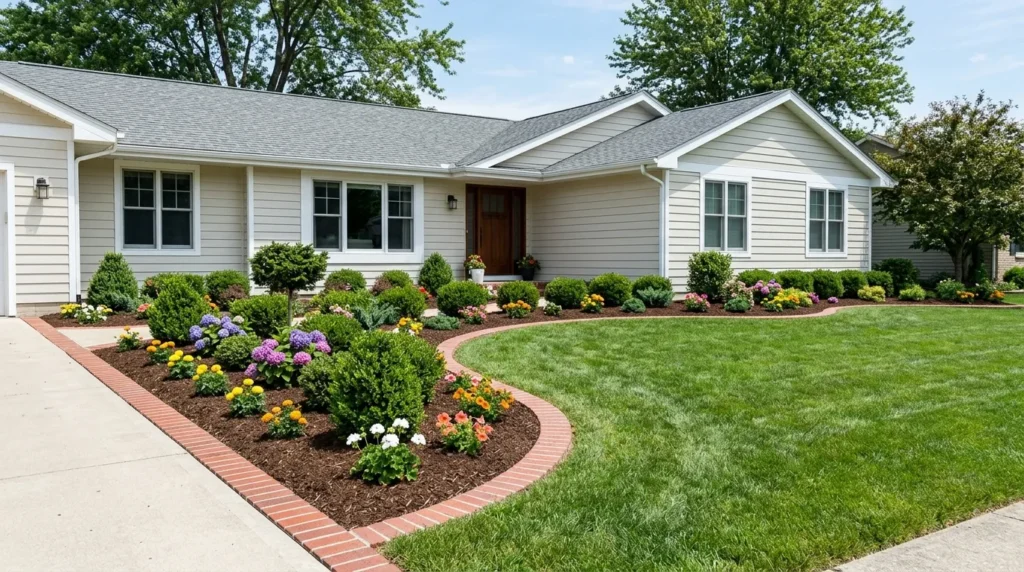
- Define the edge between lawn, beds, paths, and driveways.
- Improve curb appeal with a clean, finished look.
- Work with stone, brick, metal, concrete, or natural edging.
- Help keep mulch and soil inside planting areas.
- Make even simple landscaping feel more intentional.
Front yard borders are small details that create a surprisingly big visual upgrade. Without defined edges, lawns and planting beds can blend together in a way that feels messy, even if the plants are healthy. A clean border gives the yard structure and helps every feature look purposeful. Use brick for a classic suburban feel, black metal for a modern finish, natural stone for cottage charm, or poured concrete for a crisp custom look. This idea is especially useful for homes where curb appeal matters.
For the most polished result, choose borders that match the home’s exterior and existing hardscape. A house with stone accents looks balanced when the same stone appears along flower beds. A white farmhouse-style exterior pairs beautifully with simple brick or gravel edging. Keep curves smooth and avoid overly complicated shapes, because simple lines are easier to maintain. Borders also reduce weekly cleanup by keeping mulch from spilling into grass or onto sidewalks. The yard feels tidier, more expensive, and easier to care for throughout the year.
6. Backyard Fire Pit
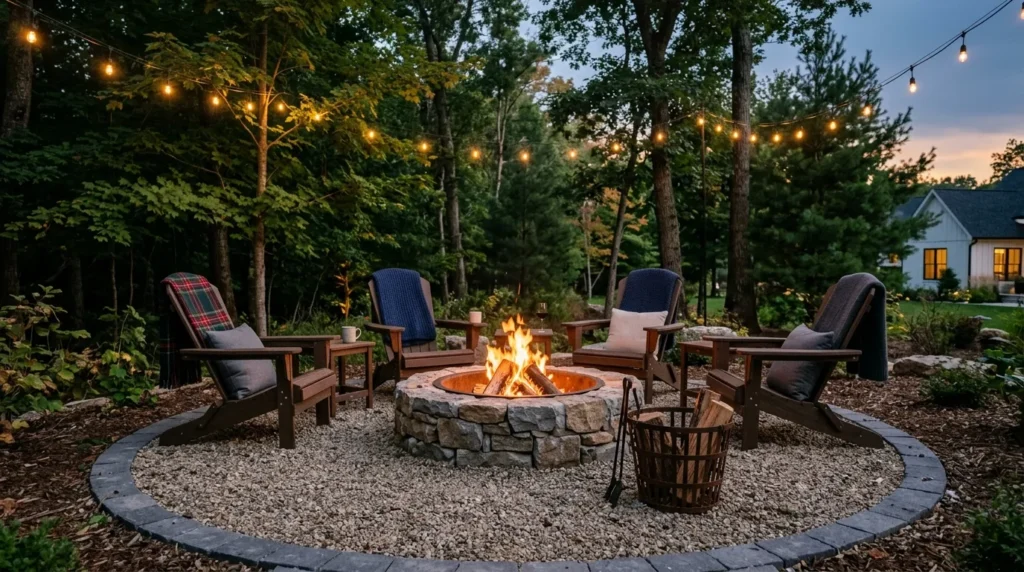
- Creates a natural gathering spot for family and guests.
- Extends outdoor use into cooler evenings and fall months.
- Works with gravel pads, paver patios, stone circles, or built-in seating.
- Adds warmth, atmosphere, and a vacation-like feeling at home.
- Can be designed for casual, rustic, modern, or luxury yards.
A backyard fire pit brings instant atmosphere and makes the outdoor space feel more social. Whether it is a built-in stone circle or a portable metal bowl, the fire feature becomes a destination where people naturally gather. It works especially well in USA backyards where families enjoy seasonal entertaining, s’mores nights, or relaxed weekend evenings. Surround the fire pit with Adirondack chairs, outdoor sectionals, benches, or movable stools so the layout can adjust for different group sizes. Keep the area open, safe, and comfortable.
For materials, choose heat-safe stone, concrete blocks, gravel, brick, steel, or fire-rated pavers. Place the fire pit away from fences, low branches, and structures, and always check local fire codes before building. A gravel base can be affordable and charming, while a paver circle feels more finished. Add pathway lighting, a wood storage rack, and weather-resistant cushions for comfort. This one feature can transform an underused backyard into a year-round hangout that feels cozy, practical, and memorable.
7. Privacy Green Walls
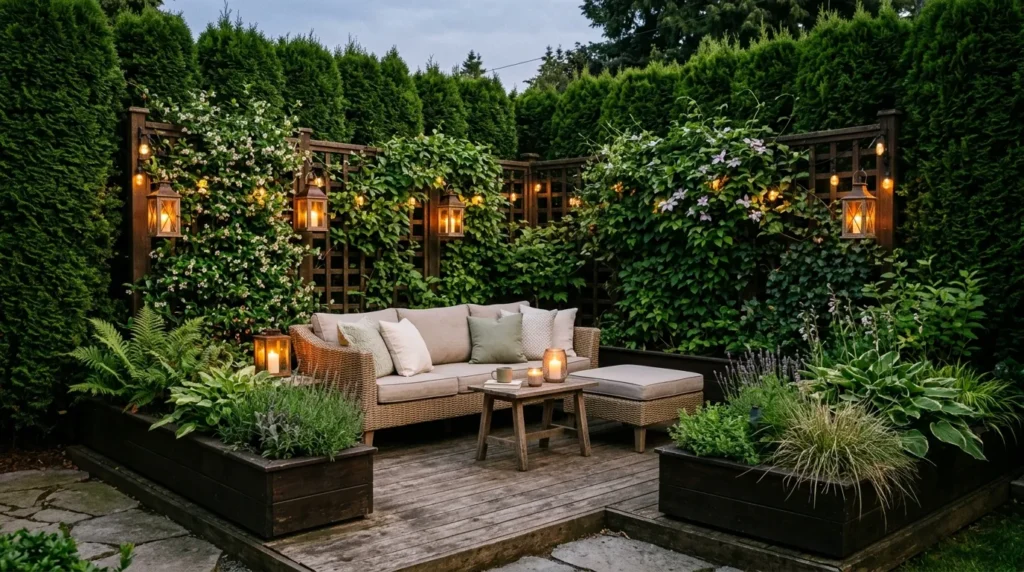
- Add natural screening from neighbors, streets, or nearby windows.
- Make patios, decks, and small yards feel more secluded.
- Work with hedges, trellises, vines, bamboo, or tall planters.
- Soften fences and hard boundaries with greenery.
- Improve the feeling of calm and comfort outdoors.
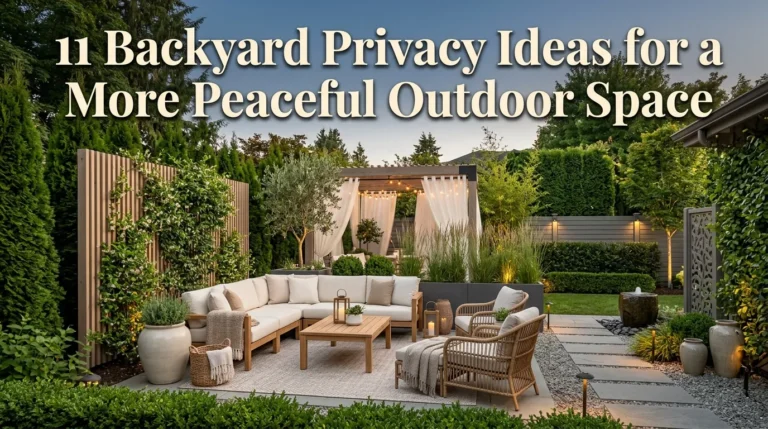
Privacy green walls are a beautiful way to create separation without making the yard feel closed in. Instead of relying only on tall fences, use plants to soften views and bring life to the space. Arborvitae, privet, holly, bamboo in containers, climbing roses, jasmine, clematis, or ivy-covered trellises can all create different moods. The best choice depends on climate, sunlight, growth speed, and maintenance needs. I’ve seen this work well in many homes where outdoor comfort depends on reducing direct views from neighbors.
To keep the design practical, plan privacy where it matters most. Focus on seating areas, hot tubs, dining patios, bedroom windows, or side yards rather than blocking every boundary. Use tall rectangular planters for patios, lattice panels for vines, or staggered shrubs for a softer layered look. If you need fast coverage, combine a fence with climbing plants while slower shrubs mature. Green privacy feels more natural than solid walls, and it makes the yard cooler, quieter, and more relaxing over time.
8. Water Feature Nooks
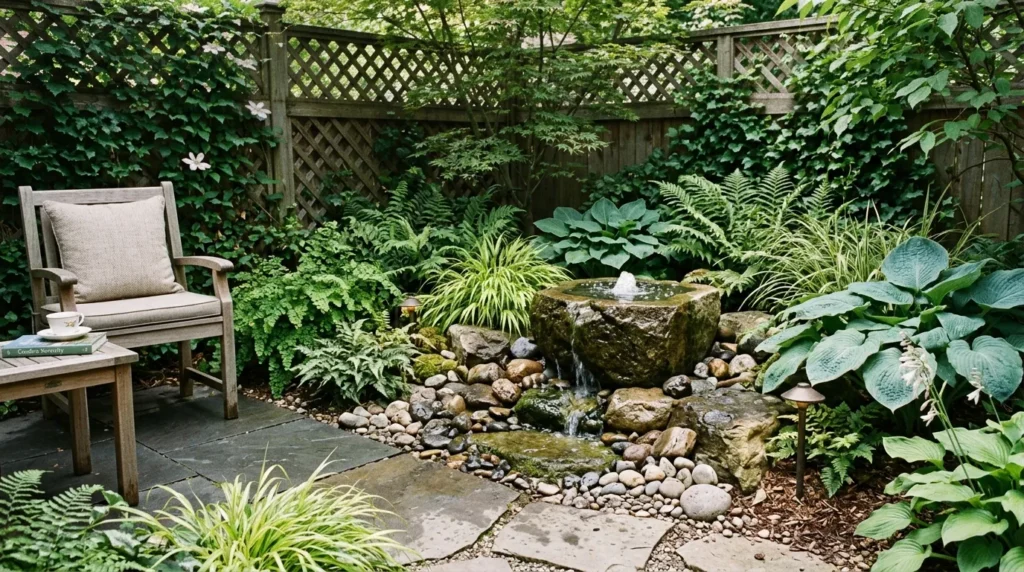
- Add soothing sound and movement to the outdoor space.
- Work in small gardens, patios, courtyards, or entry areas.
- Create a focal point without needing a large pond.
- Pair well with stone, pebbles, ferns, grasses, and lighting.
- Make the yard feel calm, polished, and spa-inspired.
A small water feature can make a yard feel peaceful even when the space is modest. The gentle sound of moving water helps soften traffic noise, neighborhood sounds, and the feeling of a busy day. You do not need a large pond to get the effect; a bubbling urn, wall fountain, container fountain, or small recirculating basin can work beautifully. Place it where people can hear and see it, such as near a patio, entry path, reading corner, or garden bench.
For a natural look, surround the feature with river rocks, ornamental grasses, hostas, ferns, or low flowering plants. Use a recirculating pump to reduce water waste, and choose a size that is easy to clean. Solar-powered options can work for sunny spaces, while plug-in pumps usually offer stronger flow. Add low-voltage lighting nearby so the water glows softly at night. A well-placed fountain gives the yard a resort-like feeling and creates a calm focal point that does not require constant attention.
9. Pollinator Planting
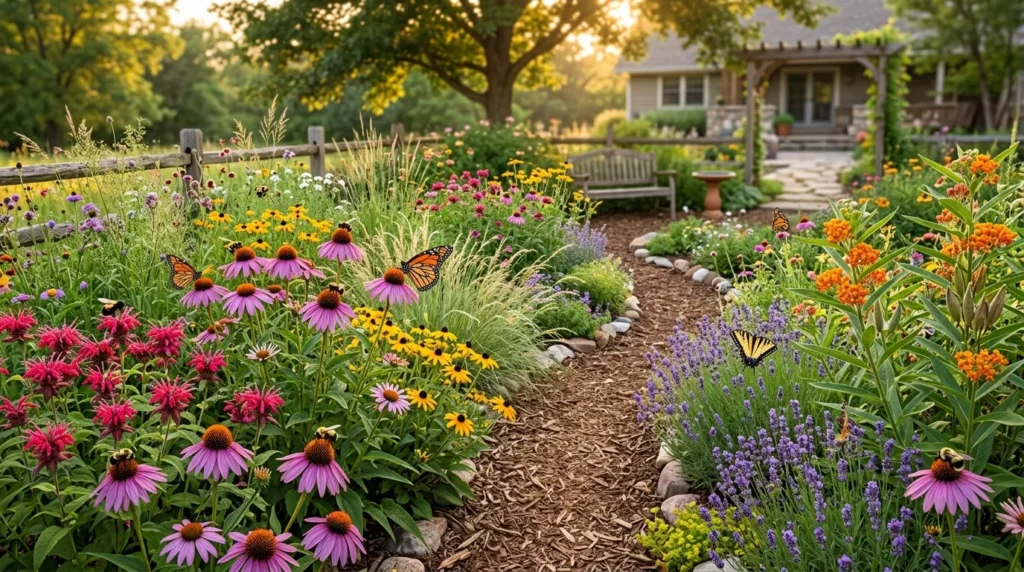
- Supports bees, butterflies, hummingbirds, and beneficial insects.
- Adds color, movement, and seasonal interest to the yard.
- Works in borders, raised beds, containers, and meadow-style areas.
- Helps create a more eco-friendly outdoor environment.
- Can reduce dependence on overly formal, high-maintenance planting.
Pollinator planting brings life, color, and purpose into the yard in a way that feels both beautiful and responsible. Native flowers and nectar-rich plants support local wildlife while creating a more dynamic outdoor scene. Coneflowers, milkweed, bee balm, black-eyed Susans, salvia, yarrow, lavender, goldenrod, and native grasses are excellent choices in many regions. The trick is to plant in clusters rather than scattering one plant at a time. Larger groups are easier for pollinators to find and look more intentional.
For best results, choose blooms that appear in different seasons so the garden has value from spring through fall. Avoid heavy pesticide use, add a shallow water source, and leave some natural shelter where possible. If a full meadow feels too wild, create a tidy pollinator border with clean edging and repeated plant groupings. This keeps the look homeowner-friendly while still supporting wildlife. The result is colorful, active, and meaningful, offering both curb appeal and a healthier outdoor ecosystem.
10. Outdoor Lighting Layers
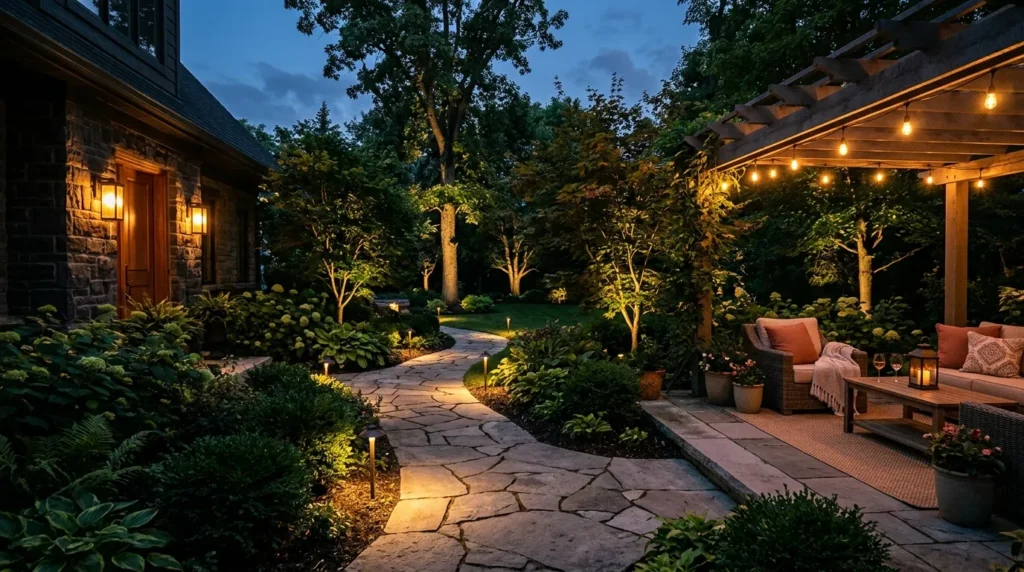
- Improves safety along paths, stairs, patios, and driveways.
- Makes the yard usable after sunset.
- Highlights trees, walls, water features, and planting beds.
- Adds mood, warmth, and evening curb appeal.
- Works with solar, low-voltage, string, and wall-mounted lights.
Outdoor lighting layers can completely change how a yard feels at night. A space that disappears after sunset can become warm, inviting, and usable with the right mix of lights. Start with safety lighting along walkways, steps, and entrances, then add accent lighting for trees, walls, or garden beds. Finish with ambient lighting, such as string lights, lanterns, or sconces near seating areas. That’s why many designers recommend lighting as one of the final touches that makes outdoor spaces feel finished.
The most attractive lighting plans use soft, warm light rather than harsh brightness. Low-voltage fixtures are reliable for long-term use, while solar lights can help in areas without wiring. Uplights can make trees look sculptural, path lights guide movement, and wall lights frame entrances beautifully. Avoid placing fixtures in straight, overly stiff rows unless the style is very modern. Layered lighting extends the function of the yard, improves security, and makes every outdoor feature look more expensive after dark.