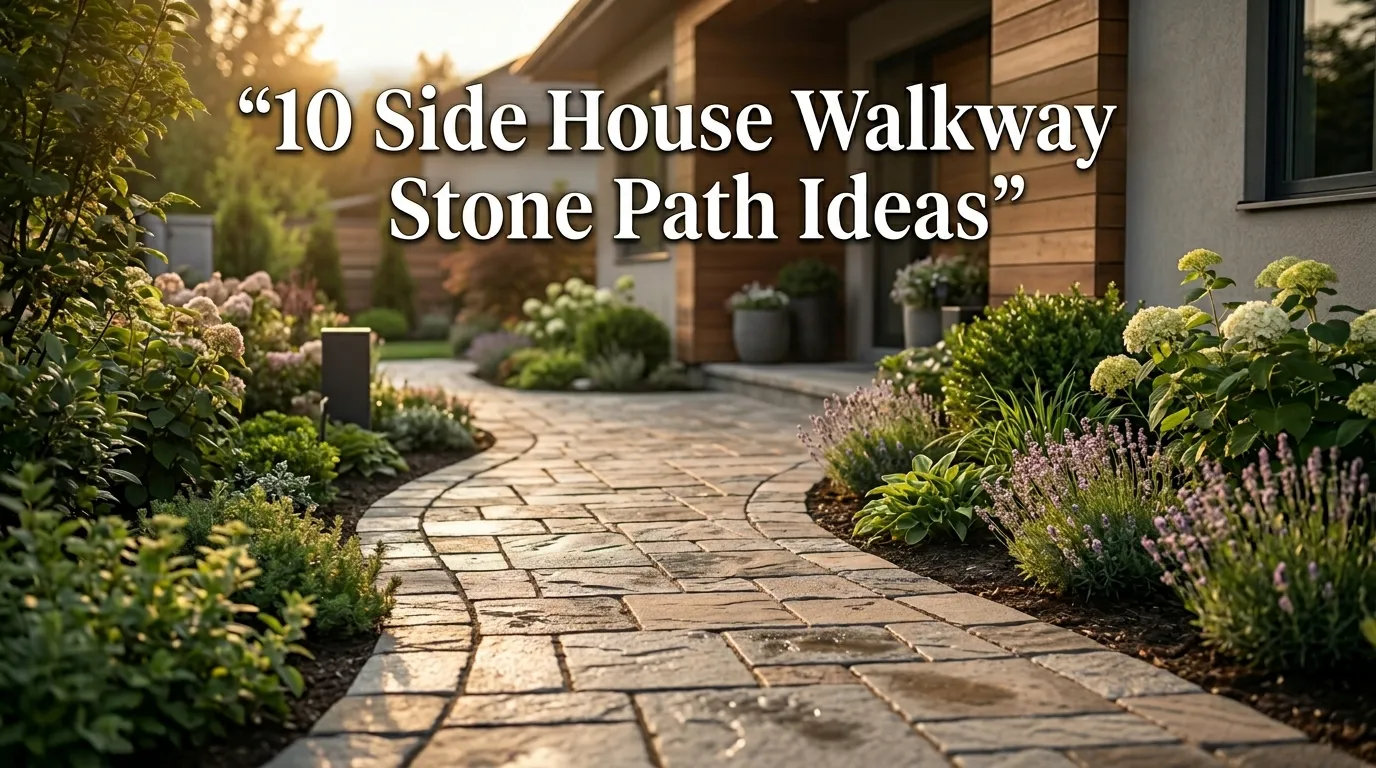
10 Side House Walkway Stone Path Ideas
The side yard is often one of the most overlooked areas of a property, yet it has the potential to become one of the most attractive and functional outdoor spaces. A thoughtfully designed stone pathway can transform a narrow, unused side area into a beautiful passage that enhances curb appeal, improves accessibility, and creates a more polished landscape. Whether connecting the front yard to the backyard, providing access to a garden, or simply improving the appearance of the home’s exterior, a well-designed path can make a significant difference.
Many homeowners focus on patios, decks, and front entrances while leaving side spaces underutilized. However, with the right materials, layout, and landscaping details, these areas can become charming extensions of the property. Stone paths offer durability, timeless appeal, and design flexibility that work well with a variety of architectural styles. From rustic stepping stones to elegant paver installations, the following ideas provide inspiration for creating beautiful outdoor walkways that combine function, style, and long-lasting value.
1. Natural Flagstone
Bullet Points
- Creates an organic landscape appearance
- Blends naturally with gardens
- Provides long-term durability
- Works with various home styles
- Adds texture and visual interest
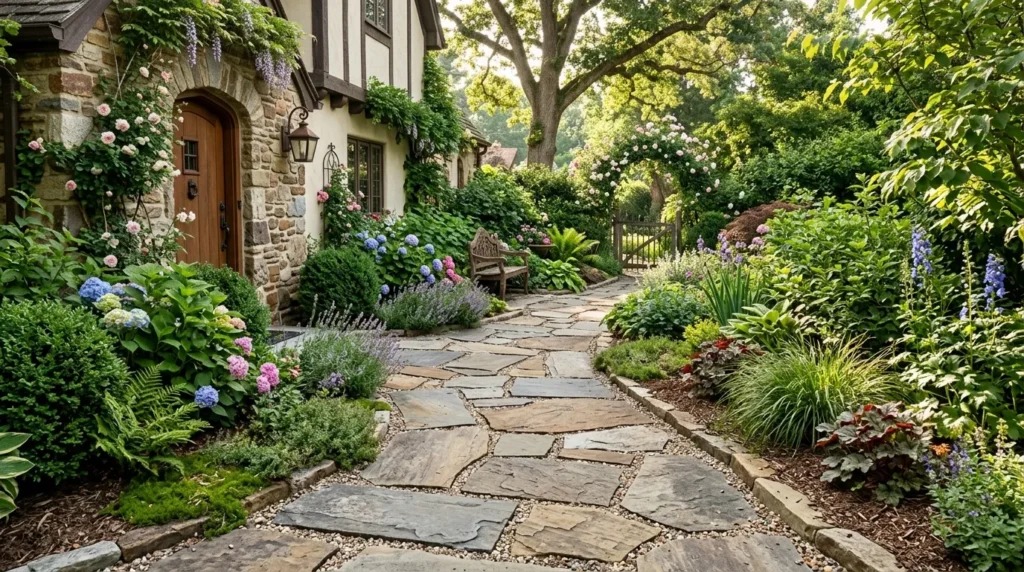
Nothing feels more timeless than a pathway built from natural flagstone. The irregular shapes and unique color variations create an organic appearance that feels perfectly integrated into the surrounding landscape. Unlike uniform materials, flagstone introduces natural character while maintaining a sophisticated look. Homeowners appreciate its ability to complement both traditional and modern exteriors without appearing overly formal. The result is a pathway that feels established and authentic, as though it has always been part of the property.
Flagstone works especially well when surrounded by low-maintenance landscaping and decorative gravel. In my experience, allowing small gaps between stones creates a softer and more natural appearance while improving drainage. The material’s durability makes it ideal for high-traffic areas that experience varying weather conditions throughout the year. Over time, the stone develops additional character while maintaining its structural integrity. This combination of beauty and practicality makes flagstone one of the most popular choices for attractive outdoor pathways.
2. Gravel Borders
Bullet Points
- Improves drainage performance
- Defines pathway edges clearly
- Reduces maintenance needs
- Enhances visual contrast
- Supports multiple design styles
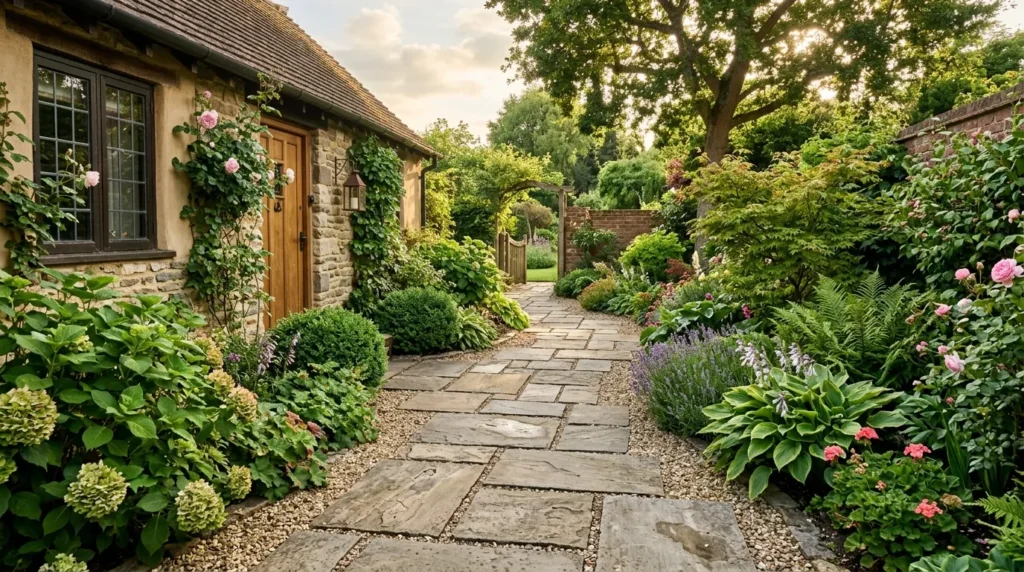
A simple gravel border can dramatically improve the appearance of a side-yard pathway while serving several practical purposes. The contrast between stone surfaces and decorative gravel helps create visual definition, making the path feel intentional and professionally designed. Gravel also assists with drainage by preventing water from pooling along the edges. This makes it especially useful in regions that experience seasonal rainfall or fluctuating temperatures throughout the year.
Decorative gravel is available in various colors and sizes, making it easy to coordinate with existing landscape materials. I’ve noticed that lighter gravel often brightens narrow side yards, while darker options create a more dramatic appearance. The addition of edging materials such as metal, brick, or stone further enhances the finished look. Together, these elements create a pathway that feels organized, attractive, and easier to maintain over time. The result is an outdoor space that appears polished and thoughtfully designed.
3. Stepping Stones
Bullet Points
- Creates a relaxed garden feel
- Reduces material costs
- Allows flexible layout designs
- Supports natural drainage
- Enhances landscape charm
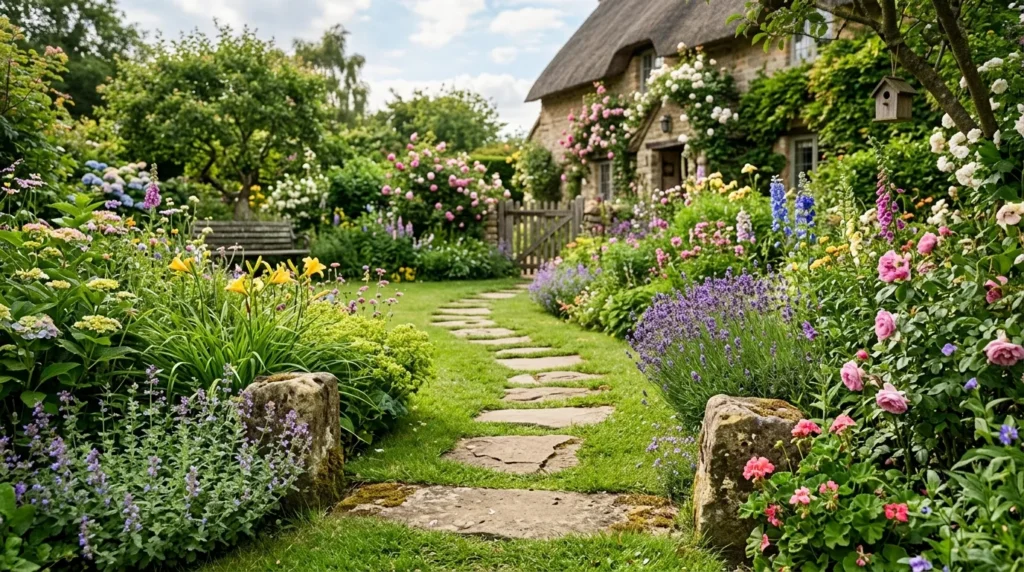
Stepping stone pathways offer a casual and inviting approach to outdoor design. Rather than creating a continuous paved surface, individual stones guide visitors through the landscape while allowing grass, gravel, or ground cover to remain visible between them. This creates a softer appearance that works particularly well in cottage gardens, rustic landscapes, and nature-inspired outdoor spaces. The simplicity of stepping stones makes them a versatile option for homeowners seeking beauty without excessive construction.
The spacing between stones can be adjusted to suit both aesthetic and functional needs. I’ve seen this work well in many homes because it allows the pathway to follow natural movement patterns throughout the yard. Materials such as bluestone, slate, concrete pavers, and natural stone all provide attractive options. When paired with surrounding greenery and subtle landscape lighting, stepping stones create an inviting pathway that feels connected to nature while remaining highly practical for everyday use.
4. Brick Accents
Bullet Points
- Adds classic architectural appeal
- Complements traditional homes
- Creates visual warmth
- Improves pathway definition
- Offers long-lasting durability
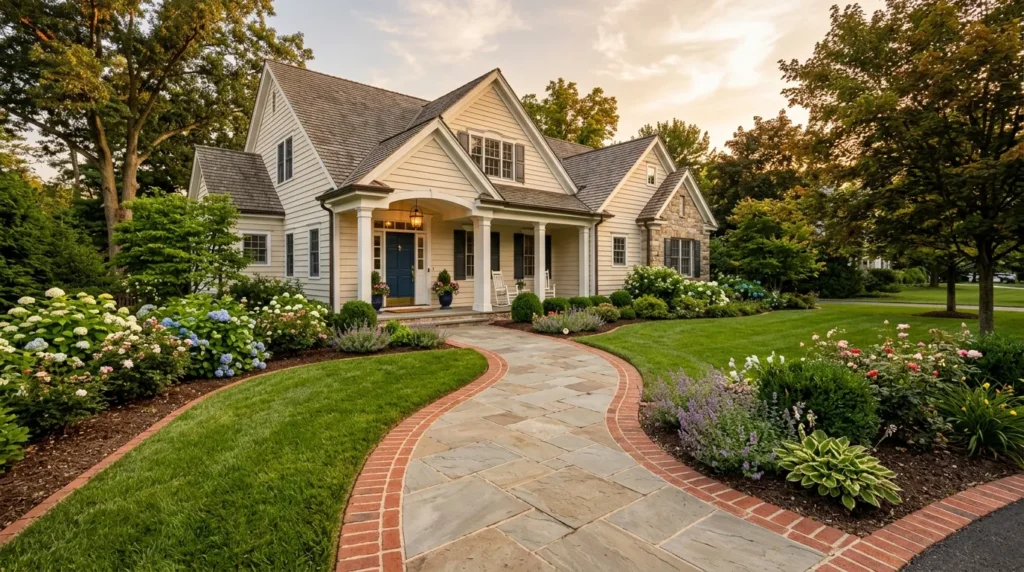
Brick details introduce timeless character and elegance to outdoor pathways. Whether used as edging, decorative inserts, or primary paving material, brick contributes warmth and visual structure that enhances the surrounding landscape. Its rich color tones pair beautifully with natural stone, creating an attractive contrast that feels both traditional and refined. Many homeowners choose brick because it complements a wide variety of architectural styles while adding historical charm to the property.
The versatility of brick allows for numerous design possibilities. In my experience, combining brick borders with stone walkways creates a particularly attractive balance between formal and natural elements. Herringbone, basketweave, and running bond patterns offer additional opportunities for customization. Brick also ages gracefully, developing character over time without losing its appeal. The finished pathway feels substantial, welcoming, and consistent with the timeless design principles that continue to influence American residential landscaping.
5. Garden Lighting
Bullet Points
- Improves nighttime safety
- Highlights pathway features
- Enhances curb appeal
- Creates inviting ambiance
- Extends outdoor usability
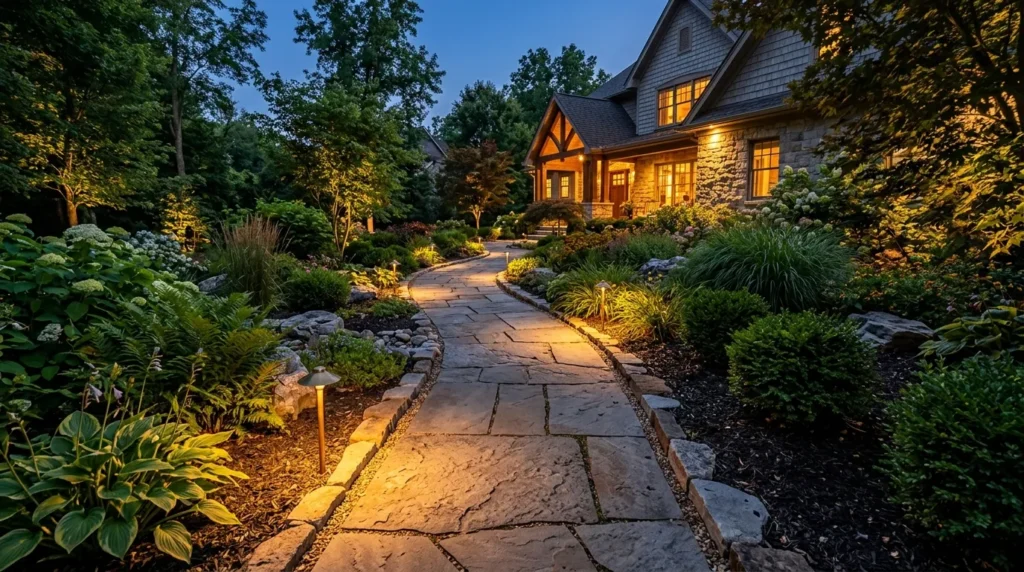
Outdoor lighting can completely transform a side-yard pathway after sunset. Even simple fixtures positioned along the edges of a path create a welcoming atmosphere while improving visibility and safety. The gentle glow of landscape lighting highlights textures, materials, and surrounding plants, making the space feel more intentional and visually appealing. During evening hours, well-placed lighting helps guide movement while adding a sense of comfort and security.
Many modern lighting options offer energy-efficient performance through solar technology or low-voltage systems. I’ve noticed that warm-toned lighting typically creates the most inviting atmosphere while complementing natural materials such as stone and brick. Fixtures can be positioned to emphasize focal points or simply provide subtle illumination along the route. Combined with quality pathway materials and thoughtful landscaping, lighting enhances both function and beauty. The result is an outdoor space that remains attractive and usable long after daylight fades.
6. River Rock Beds
Bullet Points
- Adds natural texture and contrast
- Improves water drainage
- Reduces weed growth
- Creates a polished landscape appearance
- Complements stone pathways beautifully
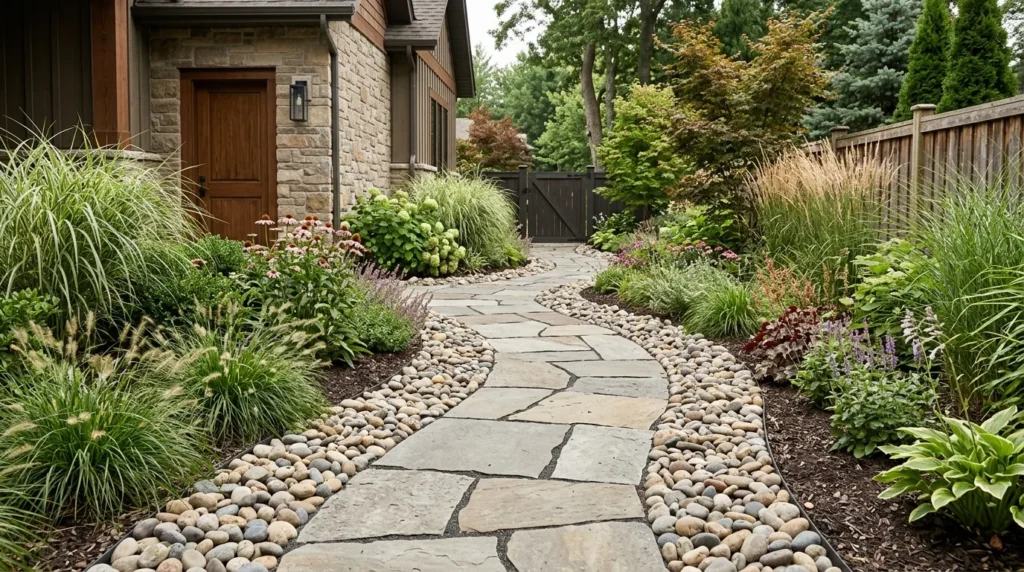
A river rock bed can instantly elevate the appearance of a side-yard pathway while solving common landscaping challenges. The smooth stones create a clean and organized look that complements natural flagstone, pavers, and stepping stones. Beyond aesthetics, river rocks help control erosion and improve drainage by allowing water to move freely through the landscape. This makes them especially useful in narrow side yards where water can accumulate during heavy rainfall.
Many homeowners appreciate river rocks because they require minimal maintenance compared to traditional mulch. In my experience, combining river rocks with ornamental grasses and low-maintenance plants creates a balanced landscape that feels both modern and natural. The varying sizes and subtle color tones add visual depth without overwhelming the pathway itself. Over time, river rock beds maintain their appearance while continuing to support drainage and weed control. The result is a side-yard design that feels refined, durable, and easy to maintain.
7. Modern Pavers
Bullet Points
- Creates a sleek contemporary look
- Offers exceptional durability
- Provides clean visual lines
- Supports various layout patterns
- Enhances property value
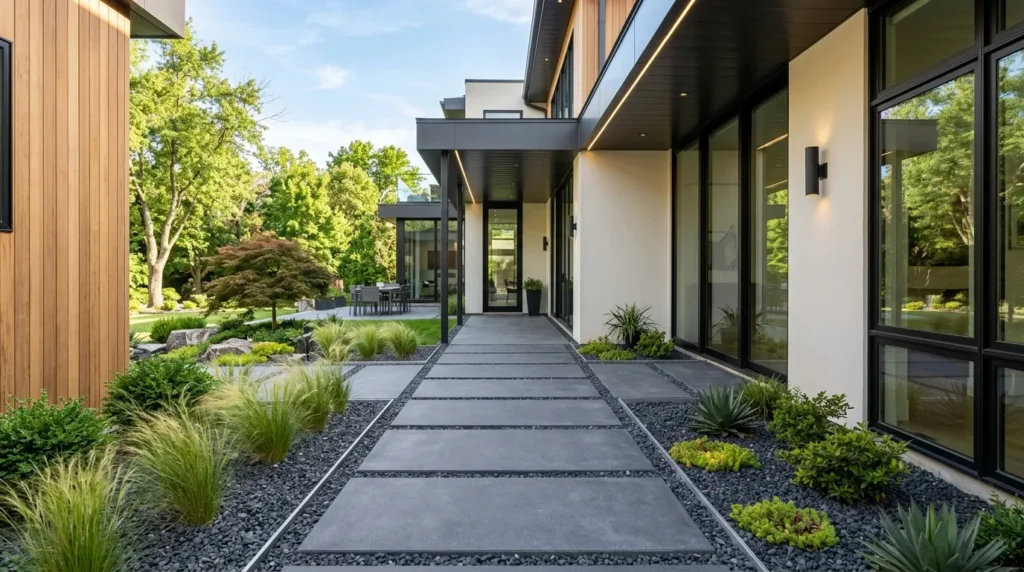
Modern pavers bring structure and sophistication to outdoor walkways while offering long-lasting performance. Their consistent shapes and clean edges create a polished appearance that works especially well with contemporary and transitional home styles. Available in a wide range of sizes, colors, and finishes, pavers allow homeowners to customize their pathway while maintaining a cohesive landscape design. The finished result often feels more intentional and professionally designed than many traditional walkway materials.
The versatility of pavers allows for creative installation patterns that add visual interest without becoming distracting. I’ve seen this work well in many homes because geometric layouts help narrow side yards feel wider and more organized. Durable concrete and porcelain pavers also withstand changing weather conditions with minimal maintenance requirements. Combined with decorative gravel, lighting, and carefully selected plantings, modern pavers create a pathway that feels elegant, functional, and highly adaptable to evolving landscape styles.
8. Ground Cover
Bullet Points
- Softens hardscape elements
- Adds color and texture
- Reduces soil erosion
- Fills gaps naturally
- Enhances garden appeal
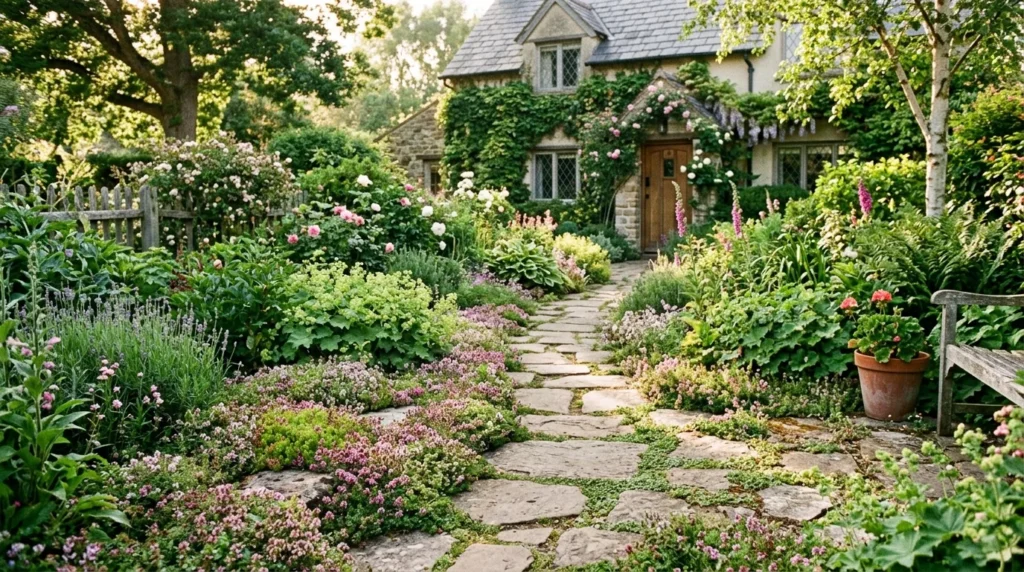
Ground cover plants can dramatically improve the appearance of stone pathways by introducing softness and natural beauty. Rather than leaving gaps between stones empty, low-growing plants create a lush appearance that integrates the walkway into the surrounding landscape. Popular options such as creeping thyme, Irish moss, and dwarf mondo grass add texture while remaining easy to maintain. These living accents create a more organic environment that feels connected to nature.
Ground cover also serves practical purposes beyond visual appeal. I’ve noticed that it helps reduce weed growth while stabilizing soil around pathway edges. Certain varieties release pleasant fragrances when stepped on, creating an additional sensory experience. When carefully selected for local climate conditions, ground cover plants thrive with minimal attention. Combined with natural stone materials and thoughtful landscaping, they create a welcoming pathway that feels vibrant and established. The overall effect is a landscape that appears mature, cohesive, and beautifully maintained.
9. Stone Edging
Bullet Points
- Defines pathway boundaries
- Prevents material migration
- Creates a finished appearance
- Supports long-term durability
- Enhances visual organization
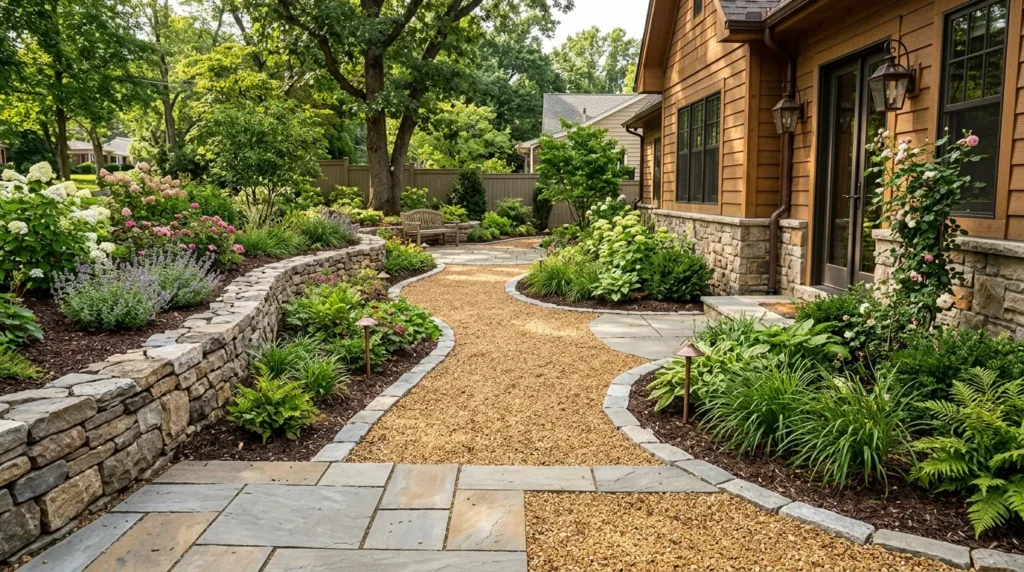
Stone edging is one of the most effective ways to create a clean and professional-looking pathway. By establishing clear boundaries, edging helps keep gravel, mulch, and ground cover materials in place while enhancing the overall structure of the design. Whether using cut stone, natural rock, or manufactured edging systems, this simple addition can significantly improve both appearance and functionality. It provides a visual framework that makes the entire pathway feel intentional and complete.
The choice of edging material can dramatically influence the final style of the landscape. In my experience, natural stone edging works beautifully with rustic gardens, while clean-cut materials complement contemporary homes. Proper installation also reduces ongoing maintenance by preventing shifting and spreading of surrounding materials. The result is a pathway that remains organized and attractive over time. Combined with quality paving materials and thoughtful landscaping, stone edging helps create a polished outdoor space that enhances overall curb appeal.
10. Archway Entrance
Bullet Points
- Creates a dramatic focal point
- Enhances pathway character
- Supports climbing plants
- Defines entry points beautifully
- Adds architectural interest
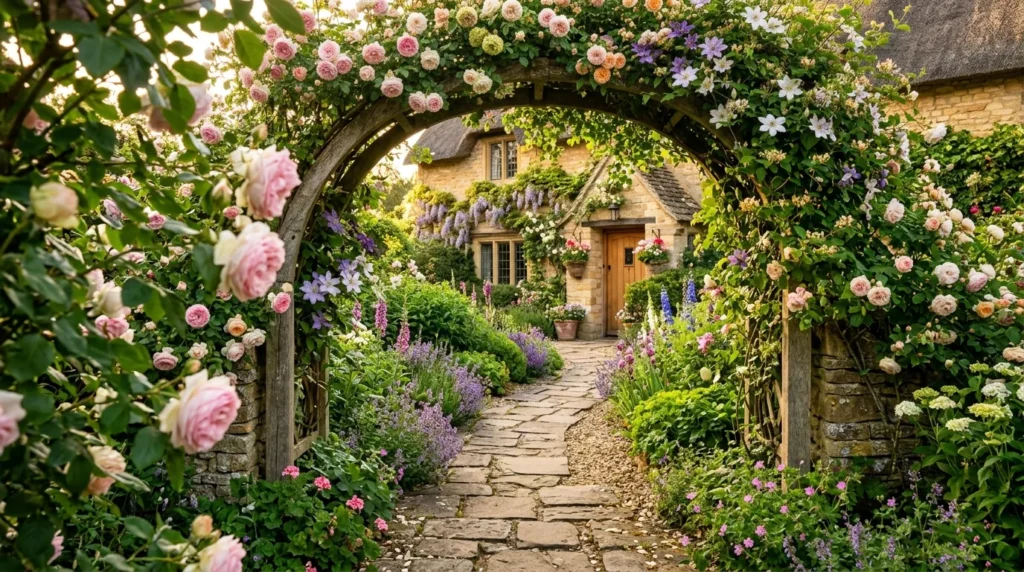
An archway entrance transforms an ordinary side-yard pathway into a memorable landscape feature. Positioned at the beginning of the walkway, an arch creates a sense of arrival while establishing a clear transition between outdoor spaces. Whether constructed from wood, metal, or stone, the structure introduces height and visual interest that draws attention to the pathway. It also provides an opportunity to incorporate climbing plants that add seasonal color and texture.
Many designers recommend vertical elements because they help balance the horizontal nature of walkways and garden beds. I’ve seen this work well in many homes because an archway creates immediate visual impact without requiring extensive landscaping. Roses, clematis, jasmine, and climbing vines can soften the structure while creating a charming garden-inspired atmosphere. Combined with quality paving materials and surrounding greenery, an archway entrance elevates the entire design. The result is a welcoming pathway that feels distinctive, inviting, and beautifully designed.