10 Neutral Home Ideas
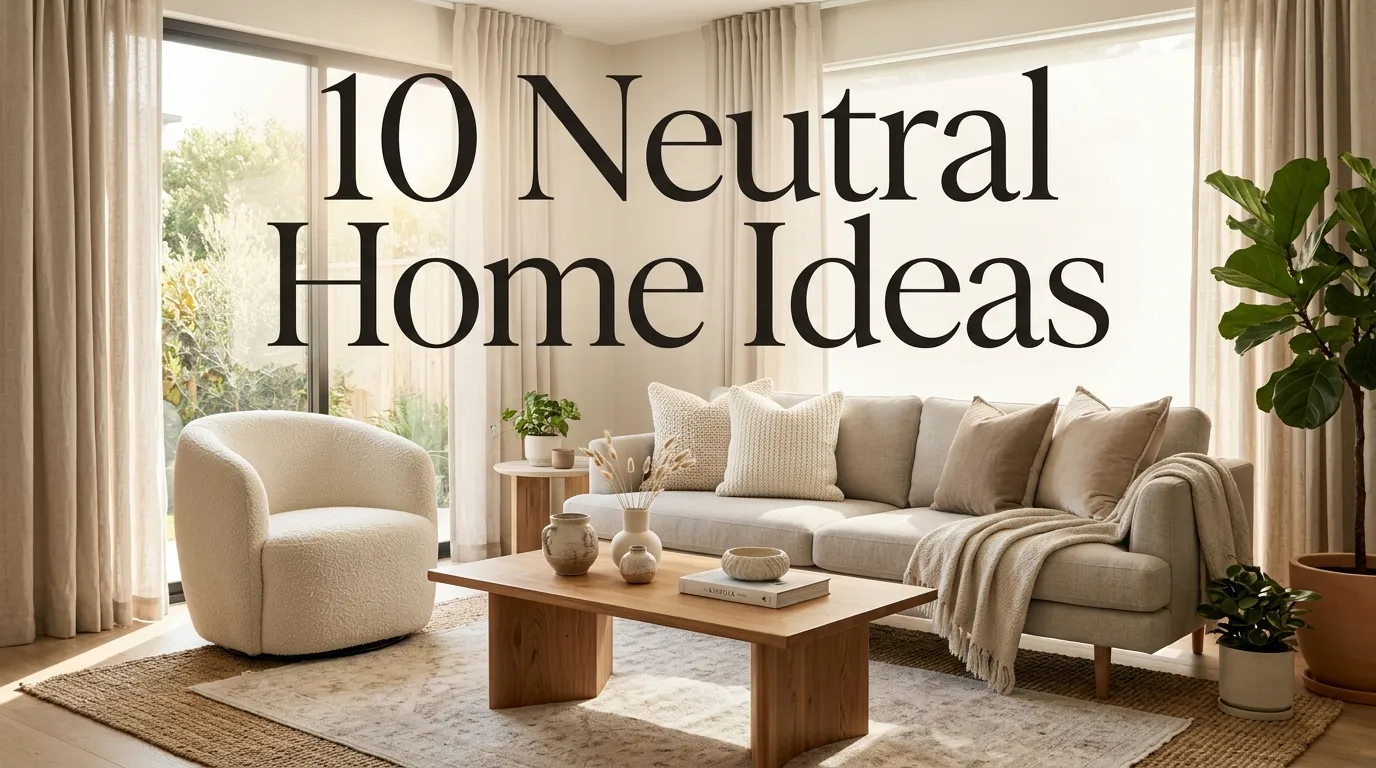
A beautifully designed home doesn’t need bold colors or dramatic patterns to make a lasting impression. In fact, some of the most elegant and timeless interiors rely on soft tones, natural textures, and carefully layered details that create warmth without overwhelming the space. Across the United States, homeowners are increasingly embracing calming interiors that feel bright, welcoming, and effortlessly stylish. These spaces prioritize comfort, simplicity, and versatility while maintaining a polished appearance that never feels outdated.
One of the biggest advantages of decorating with a soft and balanced palette is flexibility. Neutral interiors provide a foundation that can evolve over time, allowing homeowners to refresh decor, furniture, and accessories without major renovations. Instead of chasing trends, this approach focuses on creating spaces that remain beautiful year after year. The result is a home that feels cohesive, relaxing, and highly functional.
Whether you’re decorating a new property or updating your current space, these ideas can help create a sophisticated environment filled with warmth and personality. From layered textures and natural materials to thoughtful lighting and timeless furnishings, each concept is designed to make your living space feel inviting, balanced, and effortlessly beautiful.
1. Layered Textures
Bullet Points
- Adds warmth without bold colors
- Creates visual depth
- Enhances comfort and softness
- Makes rooms feel professionally styled
- Works in every design style
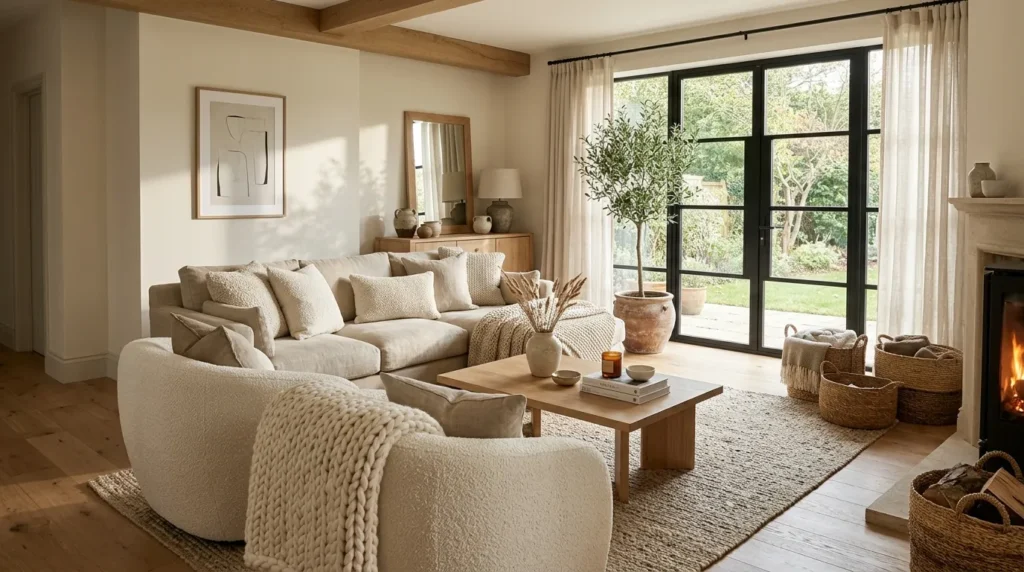
Nothing elevates a room faster than thoughtfully layered textures. When colors remain subtle, texture becomes the element that creates visual interest and dimension. Combining linen curtains, woven baskets, boucle chairs, chunky knit blankets, soft rugs, and natural wood finishes introduces variety while maintaining a calm aesthetic. Each material contributes a unique feel that prevents the room from looking flat or unfinished. Instead of relying on bright accents, layered textures provide warmth and character that help create a more welcoming environment throughout the home.
The transformation feels immediate because texture engages both sight and touch. In my experience, even the simplest rooms become more inviting when multiple materials are thoughtfully combined. Soft fabrics balance harder surfaces, while natural elements introduce organic beauty. This approach allows homeowners to maintain a clean and sophisticated palette without sacrificing personality. The result is a comfortable living environment that feels rich, intentional, and visually interesting while remaining timeless and easy to update over the years.
2. Warm White Walls
Bullet Points
- Brightens interior spaces
- Reflects natural light
- Creates timeless appeal
- Works with every decor style
- Enhances openness
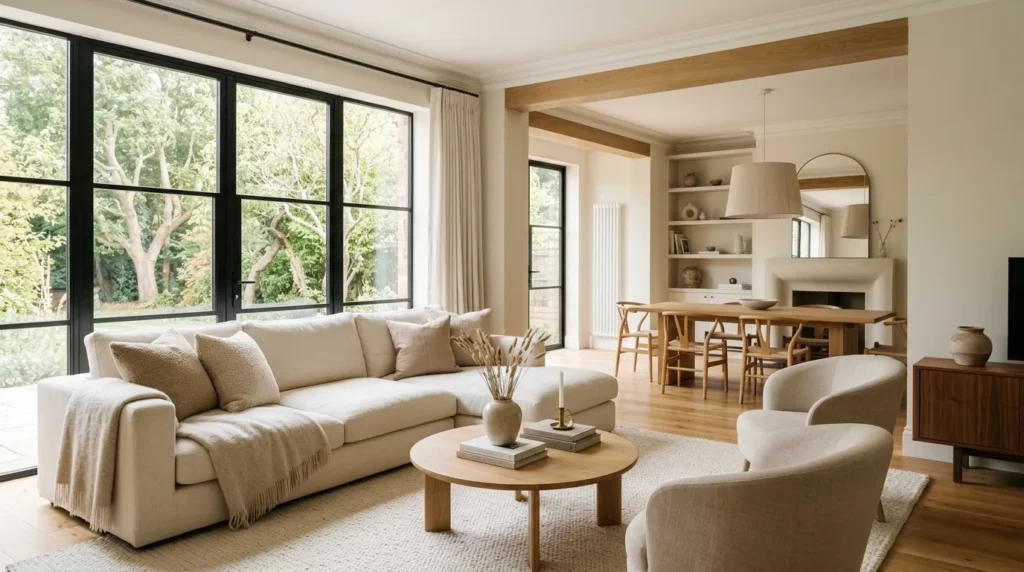
Wall color sets the tone for an entire home, and warm white remains one of the most effective choices for creating an inviting atmosphere. Unlike stark whites that can feel cold, warm whites contain subtle creamy undertones that soften the environment while still reflecting abundant light. These shades make rooms appear larger, cleaner, and more welcoming. They also create a flexible backdrop that complements nearly every furniture style, allowing homeowners to introduce different textures and decorative elements without creating visual conflict.
I’ve noticed that homes painted in warm white tones tend to feel brighter regardless of their size. Natural daylight bounces beautifully across surfaces, helping create an airy atmosphere that feels open and comfortable. This versatility explains why designers consistently recommend warm whites for living rooms, bedrooms, kitchens, and hallways. The color adapts easily to seasonal decor changes while maintaining a timeless appearance. As a result, homeowners enjoy a sophisticated foundation that continues to look fresh and elegant for years.
3. Natural Wood Elements
Bullet Points
- Introduces organic warmth
- Adds visual texture
- Creates timeless character
- Balances soft color palettes
- Enhances overall comfort
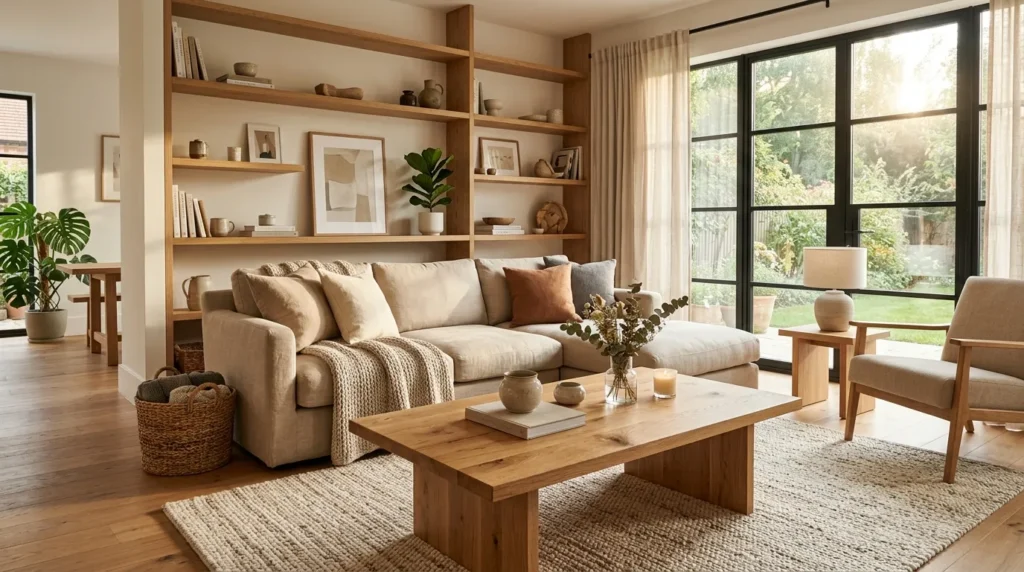
Natural wood has a remarkable ability to make interiors feel grounded and welcoming. Whether incorporated through furniture, shelving, coffee tables, flooring, or decorative accessories, wood introduces warmth that complements soft color palettes beautifully. The unique grain patterns and natural variations provide authenticity and character that manufactured materials often struggle to replicate. Lighter woods create an airy atmosphere, while medium and darker finishes contribute richness and depth. Both options help establish a balanced environment that feels comfortable and visually appealing.
One reason designers frequently rely on wood is its ability to connect interiors with nature. I’ve seen this work well in many homes where residents want a calm and inviting atmosphere without excessive decoration. Wood pairs effortlessly with soft textiles, woven accents, greenery, and subtle color palettes. Beyond aesthetics, quality wooden furnishings often remain stylish for decades, making them practical investments. The combination of durability, warmth, and versatility ensures wood continues to play a central role in timeless interior design.
4. Soft Linen Fabrics
Bullet Points
- Creates relaxed elegance
- Adds natural texture
- Enhances comfort
- Supports breathable interiors
- Works year-round
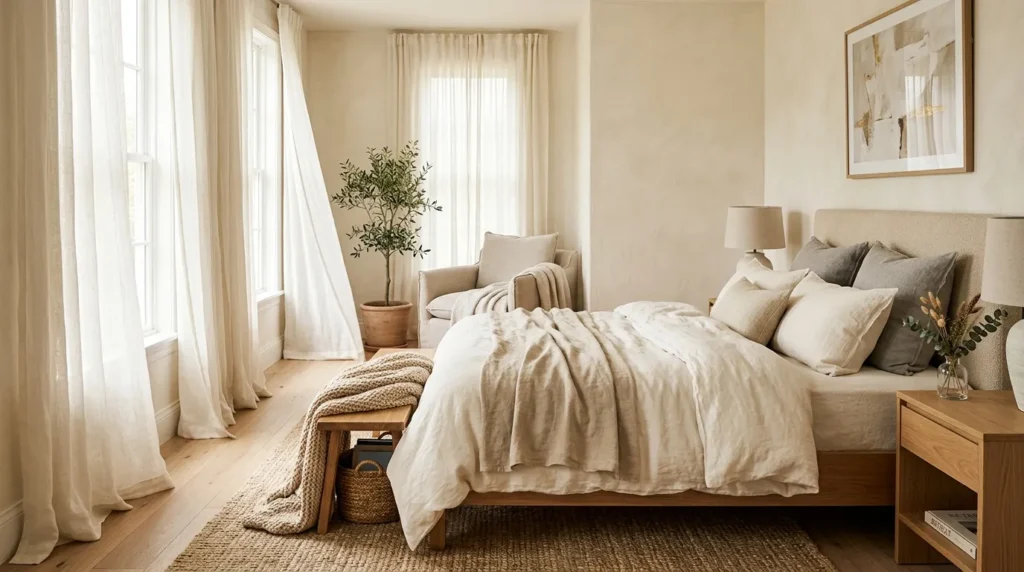
Few materials capture effortless sophistication quite like linen. Its natural texture and slightly relaxed appearance help create spaces that feel refined without becoming overly formal. Linen curtains, bedding, cushions, table runners, and upholstery contribute softness while maintaining a clean aesthetic. The fabric’s breathable qualities make it comfortable throughout the year, adding both visual and practical benefits. Its subtle texture also introduces depth, helping rooms feel layered and inviting even when decorative elements remain minimal.
That’s why many designers recommend incorporating linen throughout various areas of the home. I’ve noticed that linen softens interiors in a way few materials can achieve. The gentle drape of linen curtains enhances natural light, while linen bedding creates a relaxed hotel-inspired atmosphere. Because the fabric ages beautifully over time, it develops additional character with use. This balance between elegance and comfort helps create spaces that feel approachable, stylish, and genuinely enjoyable to live in every day.
5. Minimal Decor Styling
Bullet Points
- Reduces visual clutter
- Creates calm environments
- Highlights quality pieces
- Enhances spaciousness
- Supports timeless design
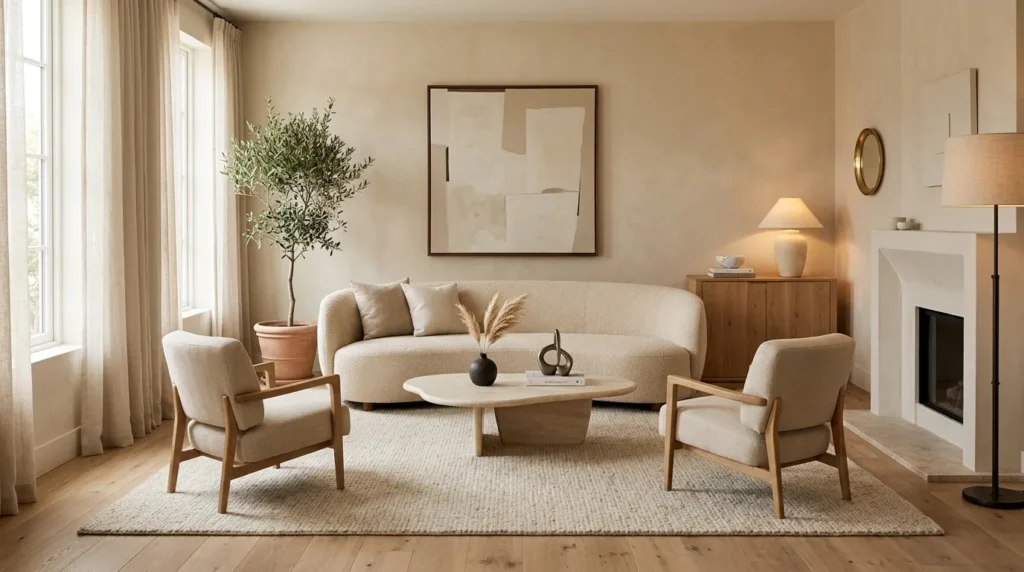
One of the most effective ways to create a sophisticated interior is by embracing thoughtful simplicity. Minimal decor styling focuses on carefully selected pieces rather than excessive decoration. Instead of filling every surface, homeowners choose meaningful artwork, sculptural accessories, decorative books, and a few statement objects that contribute to the overall design. This intentional approach prevents visual overload while allowing individual items to stand out and make a stronger impact within the room.
The goal is not emptiness but balance. In my experience, spaces often feel larger and more comfortable when unnecessary items are removed. Clear surfaces improve visual flow and allow architectural features, textures, and furnishings to receive greater attention. That’s why many designers recommend editing decor regularly rather than continually adding more pieces. A thoughtfully curated environment feels peaceful, organized, and timeless. The result is a home that promotes relaxation while maintaining a refined appearance that never feels cluttered or overwhelming.
6. Stone Accents
Bullet Points
- Adds natural sophistication
- Creates timeless appeal
- Introduces subtle texture
- Enhances visual depth
- Complements soft palettes
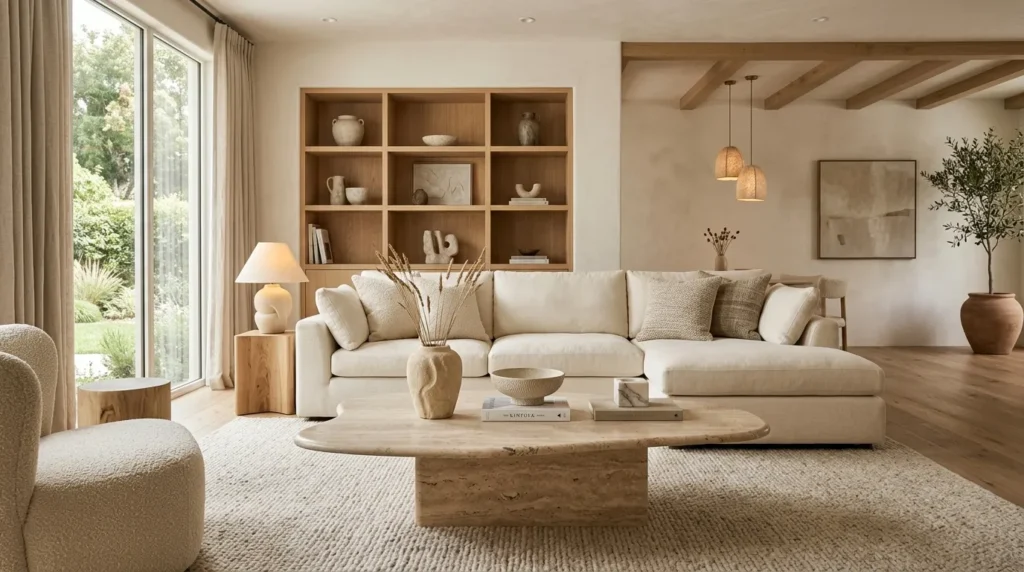
Natural stone elements instantly elevate a room without disrupting a calm color scheme. Materials such as travertine, limestone, marble, and sandstone introduce organic beauty while maintaining a sophisticated appearance. Whether used in coffee tables, countertops, decorative bowls, fireplaces, or accent walls, stone creates subtle contrast that enriches the overall design. Its natural patterns provide visual interest without requiring bold colors or excessive decoration. This balance makes stone an ideal material for creating interiors that feel luxurious yet approachable.
I’ve noticed that stone accents bring a sense of permanence and quality to a home. Their natural imperfections create authenticity that manufactured materials often lack. When paired with soft fabrics and warm wood finishes, stone contributes to a layered environment that feels balanced and welcoming. Because these materials have remained desirable for generations, they help create interiors that stay stylish despite changing trends. The result is a space that feels grounded, elegant, and effortlessly timeless.
7. Woven Decor
Bullet Points
- Adds organic texture
- Creates visual warmth
- Enhances relaxed styling
- Supports natural aesthetics
- Works throughout the home
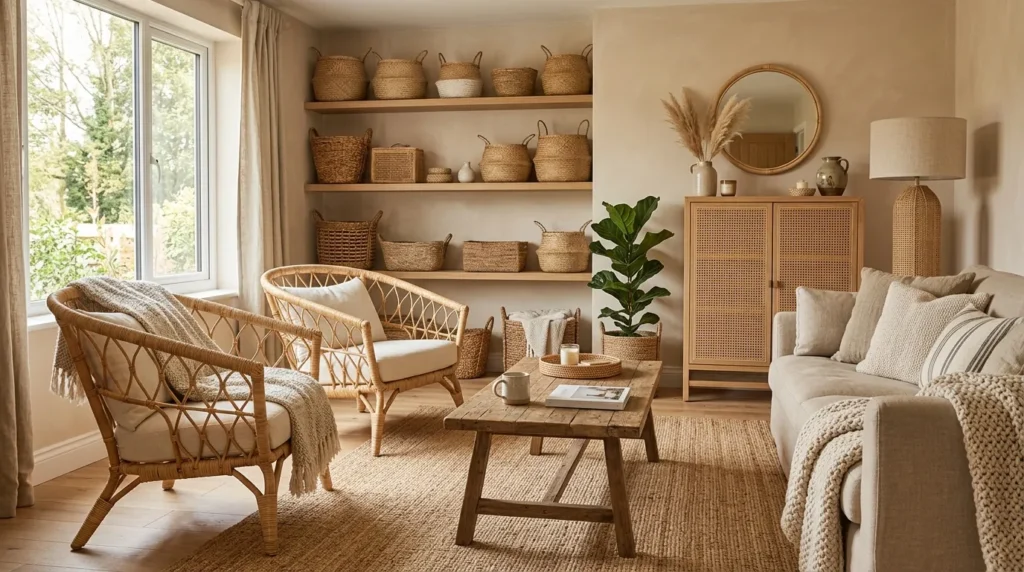
Woven materials introduce character and softness while maintaining a light and airy atmosphere. Baskets, rattan furniture, wicker lighting, cane details, and woven wall decor bring texture into a room without adding visual heaviness. Their natural tones blend seamlessly with soft color palettes, making them easy to incorporate into nearly any design style. Beyond aesthetics, woven accessories often provide practical storage solutions that help maintain organization while contributing to the room’s overall appearance.
In many homes, woven accents act as the perfect bridge between comfort and style. I’ve seen this work beautifully in living rooms, bedrooms, entryways, and dining spaces. The handcrafted appearance introduces personality while helping interiors feel more inviting and relaxed. Because woven materials pair effortlessly with linen, wood, and stone, they contribute to a cohesive design that feels intentional rather than overly decorated. The result is a warm and welcoming atmosphere that supports both functionality and visual appeal.
8. Layered Lighting
Bullet Points
- Creates inviting ambiance
- Improves functionality
- Highlights design details
- Adds depth to rooms
- Supports different activities
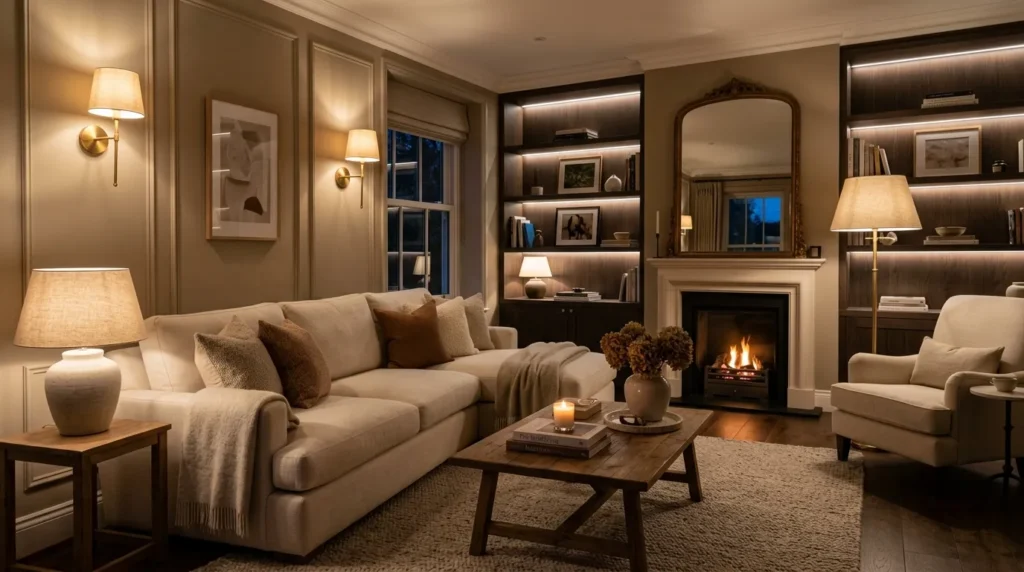
Lighting has a tremendous influence on how a home feels. Relying solely on overhead fixtures often creates a flat atmosphere that lacks warmth and dimension. Layered lighting combines ceiling lights, table lamps, floor lamps, wall sconces, and accent lighting to create a more balanced environment. This approach allows homeowners to adjust brightness levels throughout the day while highlighting textures, artwork, and architectural features. Warm-toned bulbs further enhance comfort by producing a soft glow that feels relaxing and welcoming.
That’s why many designers recommend treating lighting as an essential design element rather than an afterthought. In my experience, thoughtfully layered lighting can completely transform a room’s atmosphere without changing furniture or decor. Multiple light sources create depth while supporting everyday activities such as reading, entertaining, and relaxing. The flexibility also allows spaces to feel bright during the day and cozy during the evening. This simple strategy significantly enhances both functionality and visual comfort.
9. Organic Greenery
Bullet Points
- Brings nature indoors
- Adds freshness and life
- Enhances visual balance
- Softens interiors
- Complements natural materials
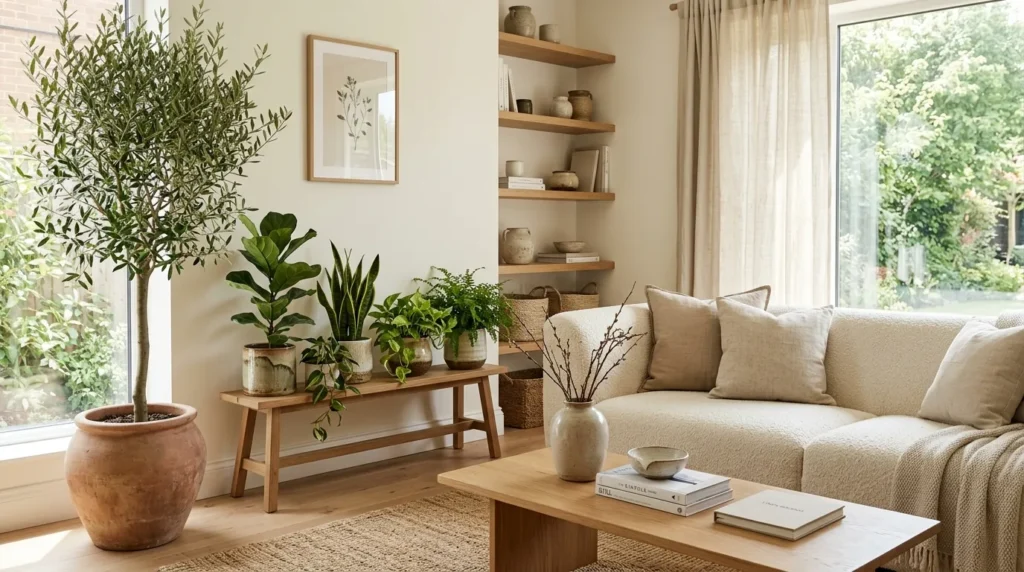
Every beautifully designed home benefits from the presence of greenery. Indoor plants introduce color, texture, and movement while maintaining a calm and sophisticated appearance. Popular choices such as olive trees, fiddle leaf figs, snake plants, eucalyptus, and pothos pair beautifully with soft palettes and natural materials. Their organic forms help soften furniture lines while contributing to a more dynamic and inviting environment. Even a few carefully placed plants can dramatically improve the atmosphere of a room.
I’ve seen this work well in homes of every size because greenery creates an immediate connection to nature. Plants help prevent neutral interiors from feeling too static or predictable. Decorative planters made from ceramic, stone, or woven materials enhance the overall design while supporting visual consistency. Beyond aesthetics, greenery contributes to a fresher and more vibrant environment. The result is a living space that feels healthier, more welcoming, and beautifully balanced.
10. Curated Artwork
Bullet Points
- Adds personality
- Creates visual interest
- Supports cohesive design
- Enhances sophistication
- Completes the room
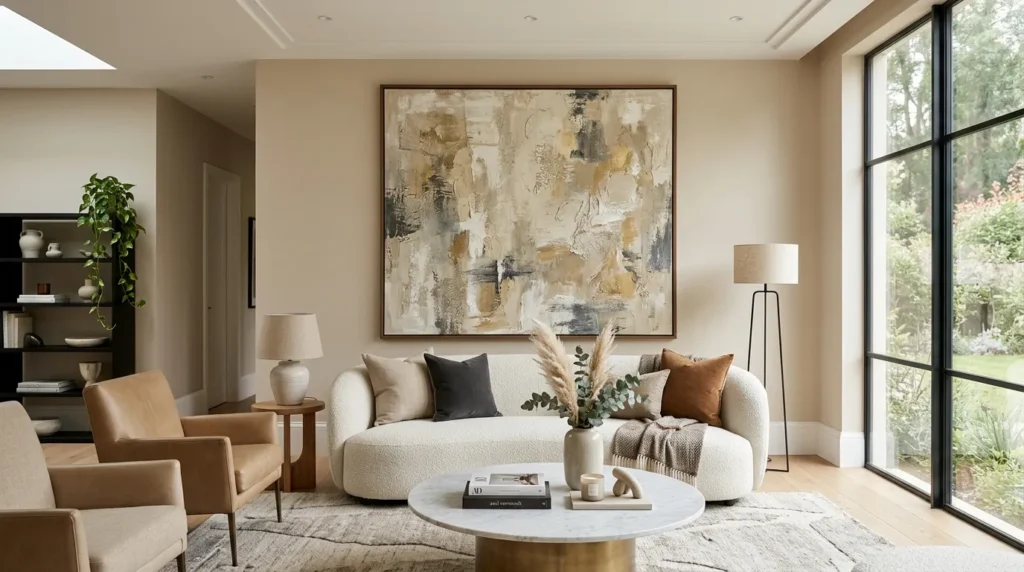
Artwork plays a crucial role in making a home feel personal and complete. Carefully selected pieces introduce character without overwhelming a calm design palette. Abstract prints, landscape photography, textured canvases, line drawings, and vintage-inspired artwork can all contribute to a refined atmosphere. Choosing pieces with soft tones helps maintain harmony while adding subtle visual interest. Large-scale artwork often works particularly well because it creates impact without requiring multiple smaller accessories.
The key is thoughtful selection rather than quantity. I’ve noticed that a few meaningful pieces often have greater impact than crowded gallery walls. Artwork helps establish focal points while reflecting personal taste and lifestyle. When coordinated with surrounding textures and furnishings, these pieces contribute to a cohesive environment that feels polished and intentional. The result is a home that balances simplicity with personality, creating spaces that feel elegant, comfortable, and uniquely individual.